

 English
 中文简体
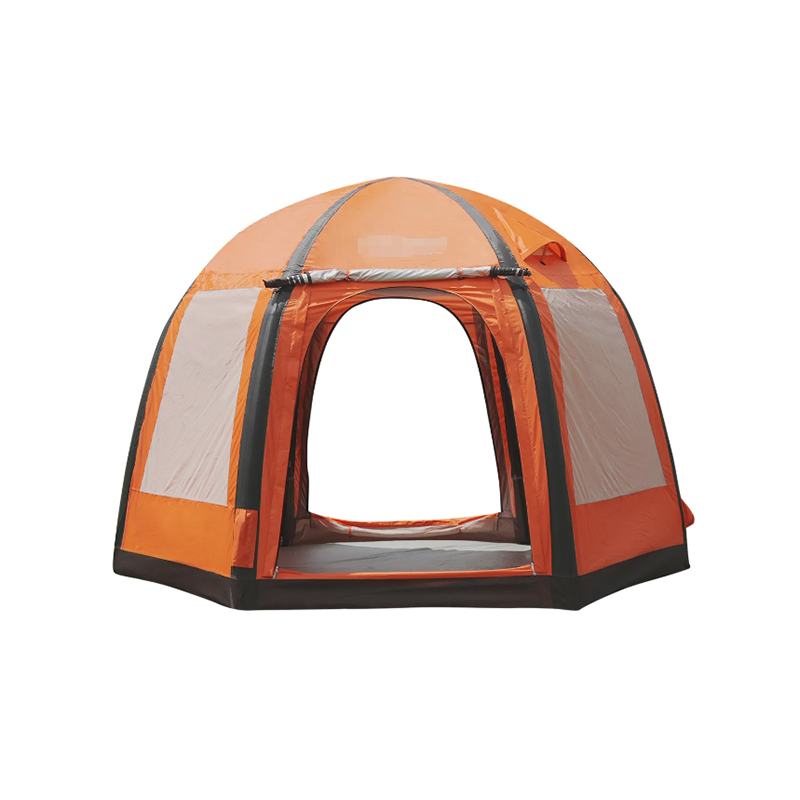
中文简体Hemispherical Inflatable Tent 2 Doors 4 Windows

Things You Need for Camping in a Tent: The Gear That Decides the Night
A rain forecast, a floor that fits two mats and nothing more, a sleeping pad with the wrong R-value. Those details decide whether a tent night is comfortable or a countdown to sunrise.
It is 9:40 p.m., the drizzle has settled into steady rain, and the tent is holding. Two hours earlier the same campsite looked like a packing problem: one compact car, two people, and a heap of gear spread across wet grass. What separated a decent night from a miserable one was a short list of items that made it into the bag, plus one that stayed home.
Here is the short answer. For camping in a tent you need shelter and ground protection, a sleep system rated for the forecast low, dependable light and power, a way to cook and carry water, clothing and hygiene basics, and a small repair and safety kit. Everything beyond that is preference.
Order matters more than volume. Gear that fails at 2 a.m. ends the trip: a leaking pad, a stake that pulls out in wind, a dead headlamp. Gear that is merely imperfect only makes the night less pleasant. Build the list from the bottom up, starting with what touches the ground.
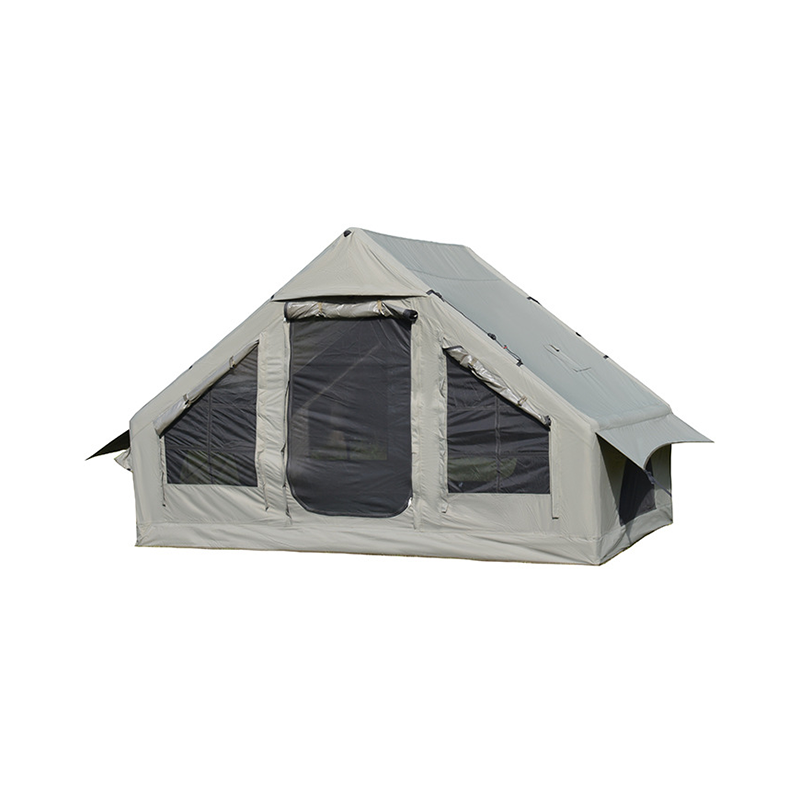
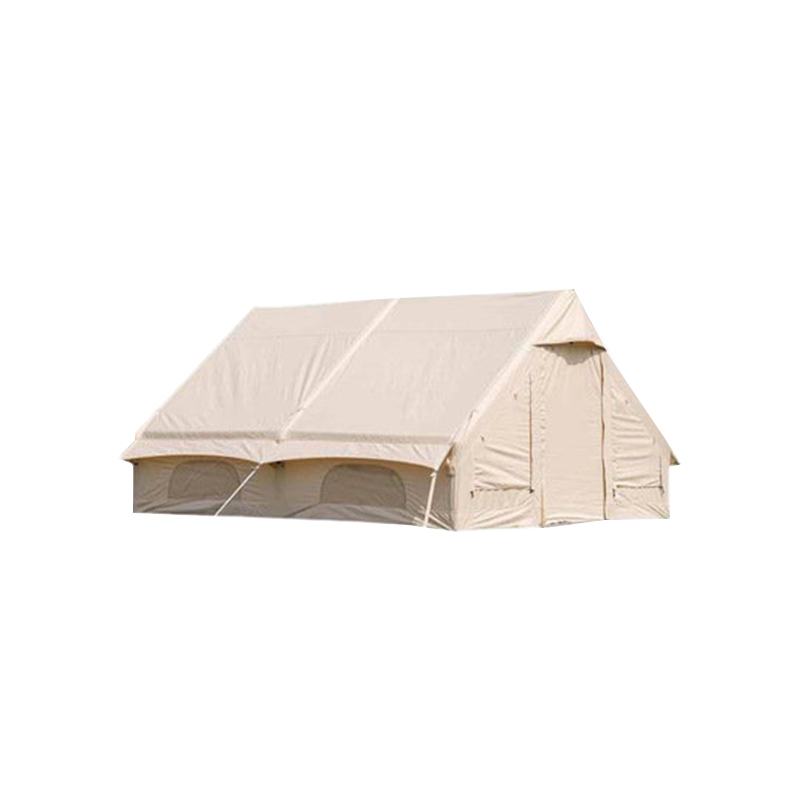
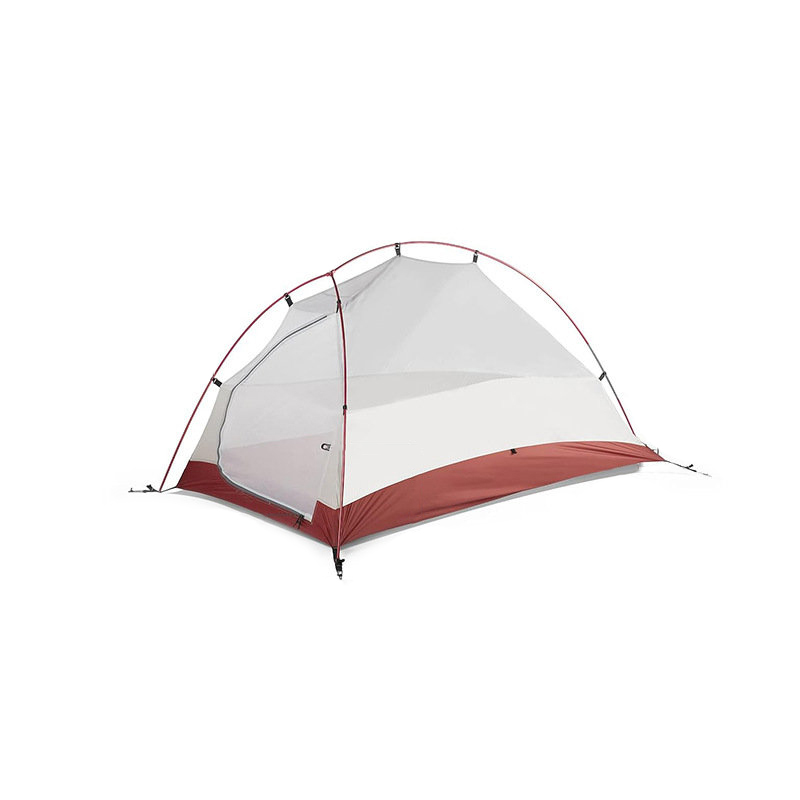
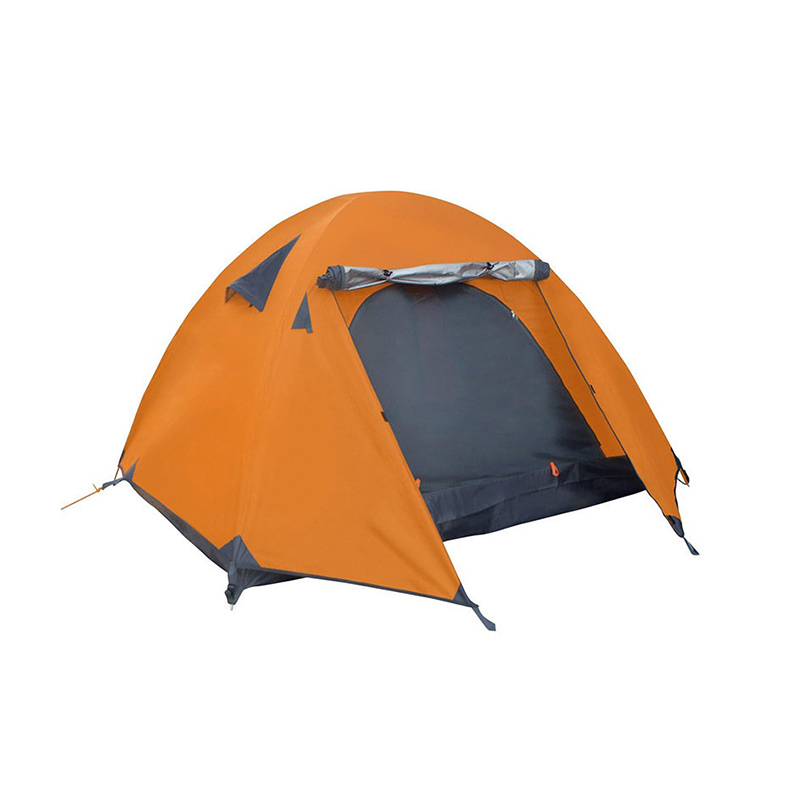
The tent is the item you spend the most time choosing and the least time thinking about once it is standing. Two numbers say more than the marketing copy: floor dimensions and hydrostatic head. A tent sold as a three-person model is often 210 cm by 210 cm inside, which fits two adults on 63 cm-wide mats with a little space for bags. Capacity ratings are floor-area math, not a headcount, and the gap between the number on the box and the space you actually get is where most first trips go wrong.
For three-season use, look for a hydrostatic head of 1,500 mm or more on both fly and floor, taped seams, and a bathtub floor that rises 10 to 15 cm at the edges. Below those figures, a long steady rain will find the weak point within an hour.
Underneath the tent, a footprint protects the floor from abrasion and stops groundwater from wicking through. Cut or fold it 5 to 10 cm smaller than the tent floor. A tarp that sticks out past the edge collects rain and channels it under the tent, which is worse than using no groundsheet at all.
Eight to twelve stakes cover most family tents. Choose 18 cm aluminium pegs for hard packed ground, 30 cm wide-profile stakes for sand and soft soil, and use rocks or buried logs as deadman anchors when the ground refuses to hold anything. Keep two spares and a mallet by the door. If wind is forecast above 30 km/h, guy out the fly on every loop rather than the two obvious corners, and pitch the narrow end into the wind. A tent that flogs all night is not a waterproofing failure; it is a staking failure.
Sleeping bags carry three numbers, and only one of them is useful. The comfort rating is the temperature at which an average sleeper stays warm; the limit rating is where a cold sleeper starts shivering; the extreme rating is a survival figure with no bearing on comfort. Buy for the comfort rating to sit at or below the forecast low, minus a 5 °C margin for wind, damp air, and a tired body.
Insulation under you matters as much as the bag. Pad performance is measured in R-value, not thickness: a thin closed-cell foam mat can outperform a thick air pad if the foam is denser. Summer camping works at R1 to R2, shoulder seasons want R3.5 and up, and anything near freezing needs R5 or a stacked combination.
You rarely freeze because the air inside the tent is cold. You freeze because the ground pulls heat out of your body all night and the pad never resists it.
| Forecast low | Bag comfort rating | Pad R-value | Worth adding |
|---|---|---|---|
| 15 °C / 59 °F | +15 °C to +10 °C | 1 to 2 | Cotton liner, thin pillow |
| 5 °C / 41 °F | 0 °C to +5 °C | 2 to 3 | Beanie, dry socks, warm drink |
| -5 °C / 23 °F | -5 °C to 0 °C | 3.5 to 4.5 | Fleece mid-layer, hot water bottle |
| -15 °C / 5 °F | -15 °C or lower | 5 and above | Down hood, foam pad under the air pad |
Pack a pillow or a stuff sack filled with a fleece, and a repair patch for the pad. Nighttime leaks are common at the valve and along seam welds, and a patch applied by torchlight is far easier than a drive home at dawn.
Light is not ambiance, it is navigation. Cooking, finding a stake in the dark, and untangling a guy line all depend on having a beam pointed in the right direction, with both hands free.
Charge everything the night before departure, and keep the power bank inside the sleeping bag on cold nights. Lithium cells lose capacity quickly below freezing, and a phone at 0 °C will shut down while still holding a charge.
A single-burner stove, a fuel canister, a lighter plus a box of matches, one pot, a bowl, a spork, and a small knife cover almost every tent-camping meal. Add a folding cutting board if you cook real food rather than rehydrating it, and a trash bag that seals, because food scraps left in an open bag invite wildlife into the tent.
Water is the item most often under-packed. Plan four litres per person per day for drinking and cooking, plus extra for washing up and teeth. Carry it in a container with a spigot for the kitchen and a bottle for the trail, and bring a filter or purification tablets if you plan to refill from streams or campsite taps of uncertain quality.
Food storage is a design problem. A cooler or an airtight bin keeps raccoons out of the car boot, and a screen house turns a picnic table into a bug-free dining room when the evening hatch arrives.
Dress in three layers: a moisture-wicking base, an insulating mid-layer, and a rain shell. Then pack what the forecast punishes most: two extra pairs of socks, a warm hat, camp shoes that let wet boots dry, and a dry set of clothes that stays in the bag until bedtime. Cotton jeans and a single pair of socks are the classic reasons a mild night feels cold.
Hygiene keeps a trip pleasant for everyone. Toothbrush and paste, wet wipes, hand sanitiser, a small towel, biodegradable soap, and a trowel for burying waste at least 20 cm deep and 60 m from water. A shower tent gives you a private changing space, a place to rinse off, and somewhere to hang wet gear that is not the sleeping area.
For insects, repellent with picaridin or DEET at 20 to 30 percent works better than citronella smoke, and a head net costs almost nothing when the mosquitoes are thick. Treat clothing with permethrin before the trip rather than spraying it on at the campsite, and keep tent doors closed whenever the light is on inside.
Small failures grow quickly in the dark. A repair and safety pouch weighs under a kilogram and covers most of them:
Write the campsite address and an emergency contact on a card and leave it in the tent pocket. Phone coverage at a tent pitch is unreliable by design, and a written note costs nothing while a dead battery at midnight is a genuine problem.
Two questions shrink a bloated packing list faster than any spreadsheet. What fails at 2 a.m. if I leave it behind? And can I buy a replacement within 20 km of the campsite? Items that answer yes to the first question and no to the second belong in the bag. Everything else is negotiable.
The list above is short on purpose. Shelter that keeps rain out, a pad that keeps the ground from stealing your heat, light you can rely on, water you can carry safely, and a repair kit you never touch: that is what tent camping actually requires. The rest is comfort, and comfort is earned by testing your setup in the garden before you trust it at a campsite.
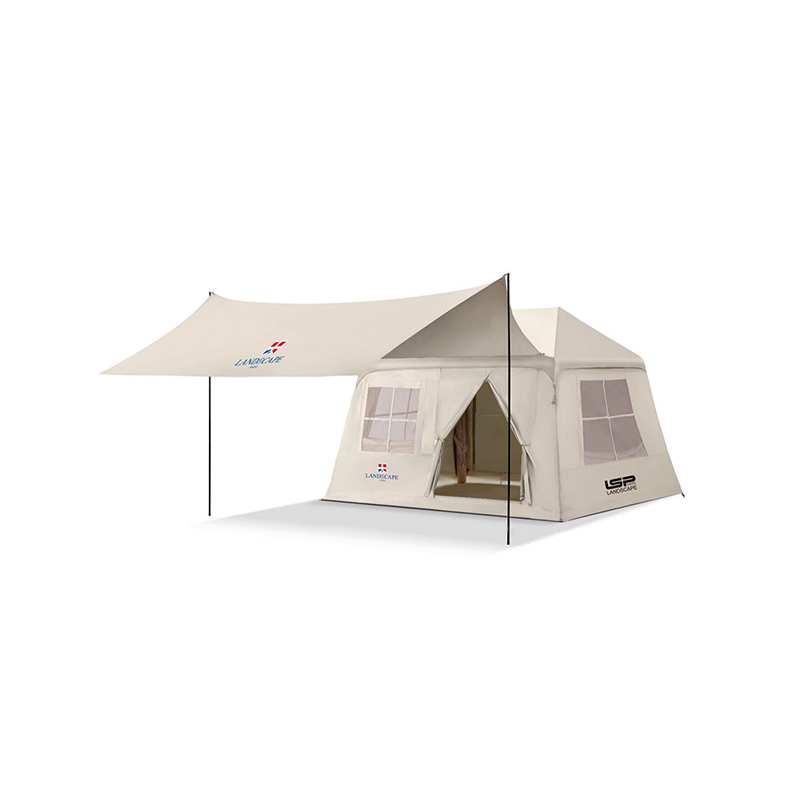
That is the same order we work in when building tents for brands, campsites and rental fleets, from floor dimensions and hydrostatic head to the number of stakes a family will realistically hammer in the rain. Start with the six groups, weigh what you packed after the first trip, and let the gear list tighten itself.