

 English
 中文简体
中文简体Gear & Outdoor Guide
What Tent Capacity Ratings Really Mean
A closer look at the numbers on the label — and why the space inside your tent rarely matches the promise printed on the box.
The Short Answer
A tent labeled "2-person" or "4-person" is not describing how many people can comfortably live inside it — it is describing how many sleeping pads, laid shoulder-to-shoulder with almost no gap between them, can physically fit on the floor. In practice, this means a "4-person" tent is best suited for two adults plus their gear, not four adults sleeping in comfort. Manufacturers calculate capacity using a rough formula of roughly 15 to 20 square feet of floor space per person, based on standard sleeping pad dimensions, with zero allowance for backpacks, boots, pillows, or any elbow room. Understanding this gap between the number on the label and the space you actually get is the single most useful thing to know before buying a tent.
This is why experienced campers almost universally recommend sizing up. If you are shopping for two people, a 3-person or 4-person tent will feel far more livable than a 2-person model. If you're outfitting a family of four, a 6-person tent is the realistic starting point. Once you understand this baseline, every other decision — shape, height, weight, and features — becomes much easier to evaluate.
Capacity ratings measure bodies, not comfort. Everything else — gear, movement, elbow room — is left for you to figure out.
How Manufacturers Calculate Capacity Numbers
There is no single regulatory body that standardizes tent capacity across the outdoor industry. Each brand applies its own internal formula, which is why two tents both labeled "4-person" can have floor areas that differ by 20 square feet or more. Most brands, however, follow a similar rough logic:
- A standard sleeping pad is assumed to be about 20 inches wide and 72 inches long.
- Capacity is calculated by dividing total floor area by the space one pad occupies, sometimes with a small buffer added.
- Almost no manufacturer factors in storage space for backpacks, boots, or personal items inside the sleeping area.
- Vestibules and gear lofts are typically excluded from the capacity math entirely, even though people rely on them heavily.
Because of this inconsistency, the capacity number should be treated as a rough starting point rather than a firm promise. The more reliable numbers to check are the actual floor dimensions in square feet, along with peak height and wall angle, all of which are usually listed in the product specifications.
Info
Always compare listed floor dimensions in feet, not just the capacity label — two "4-person" tents can differ by more than 20 square feet.
Usable Square Footage Per Person by Tent Size
To translate capacity ratings into real comfort levels, it helps to look at square footage per occupant rather than the label alone. The table below breaks down typical floor space for common tent sizes and what that space realistically supports.
| Rated Capacity | Typical Floor Area | Sq Ft Per Person | Realistic Comfortable Use |
|---|---|---|---|
| 1-Person | 15–20 sq ft | 15–20 | One solo backpacker, minimal gear inside |
| 2-Person | 28–35 sq ft | 14–17 | One person plus gear, or two people snugly |
| 4-Person | 55–65 sq ft | 14–16 | Two adults comfortably, or two adults and one child |
| 6-Person | 85–100 sq ft | 14–17 | Family of four with room for a pet or extra gear |
| 8-Person | 110–130 sq ft | 14–16 | Large family or two couples sharing one shelter |
Notice that the square footage per person stays fairly consistent across sizes, generally landing between 14 and 17 square feet per occupant. This is the manufacturer's math at work. For actual comfort, most seasoned campers aim for closer to 20–25 square feet per person, which is why buying one size category above your group's headcount is such common advice.
Why Rated Capacity Rarely Matches Real-World Comfort
Sloped Walls Cut Into Usable Space
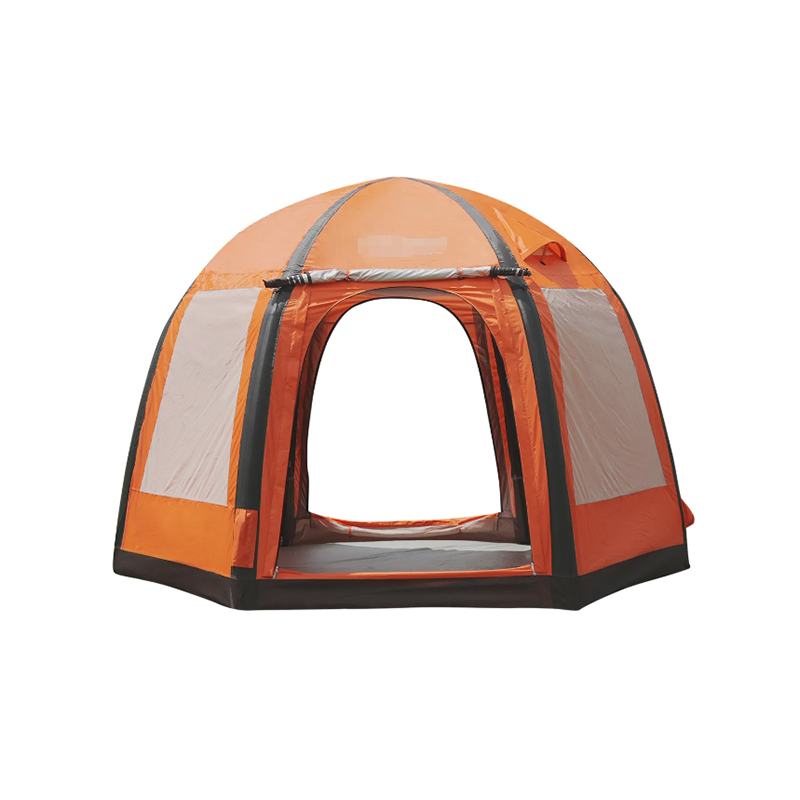
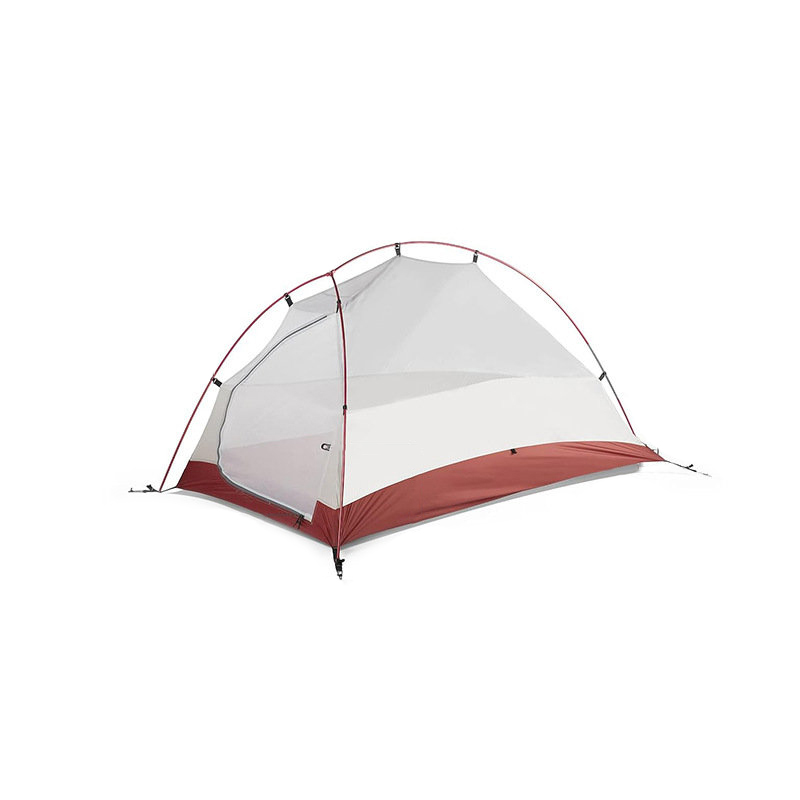
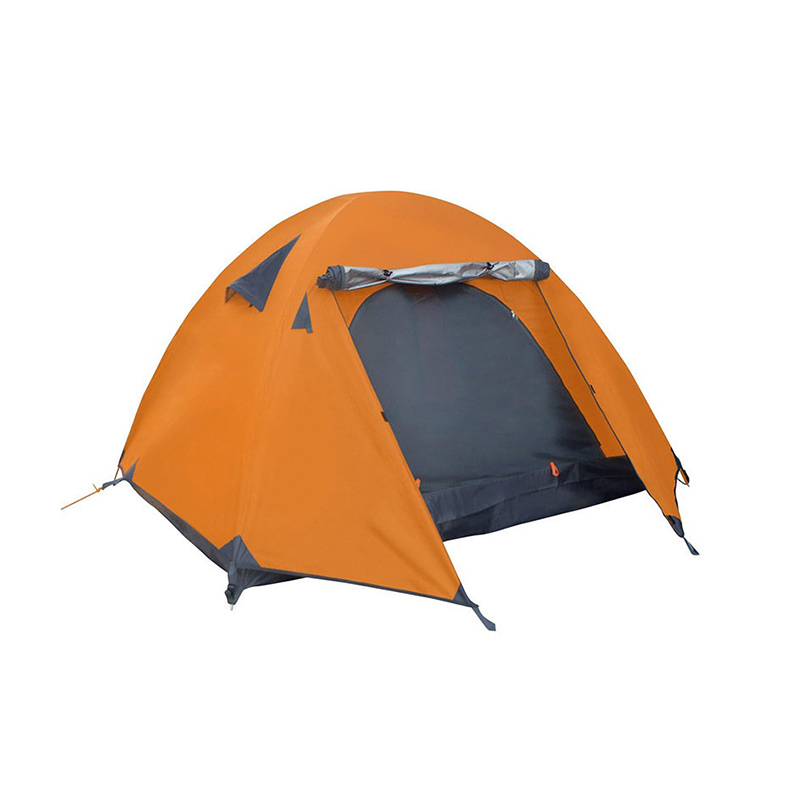
Floor area alone doesn't tell the full story. Dome-shaped tents taper sharply toward the edges, so while the floor might technically span the listed square footage, the usable space where you can actually sit up or store items shrinks considerably near the walls. Cabin-style tents with near-vertical walls preserve much more of their listed floor area as genuinely usable space, which is why two tents with identical square footage can feel very different once you're inside.
Gear Takes Up Real Space
Capacity ratings assume bodies only, not backpacks, boots, cooking gear, or bags stacked at your feet. In practice, every person brings at least a few square feet of belongings into the tent unless a vestibule is available. This is one of the most common surprises for first-time buyers who assume the rated number reflects total comfort rather than raw sleeping space.
Warning
Don't buy strictly by headcount. A tent rated for your exact group size will almost always feel cramped once gear is factored in.
How to Choose the Right Tent Size for Your Trip
Rather than shopping by headcount alone, match the tent to your actual trip style. When browsing camping tents for sale, compare listed floor dimensions and peak height side by side instead of relying only on the capacity label. The following guidelines help translate group size into a realistic size decision:
- For one solo camper, choose a tent rated for 2 people if you want room for a backpack and boots inside.
- For two adults car camping, a 3 or 4-person tent gives noticeably more breathing room than a strict 2-person model.
- For a family of four, a 6-person tent leaves space for kids' sleeping bags, a small table, or a pet bed.
- For backpacking where pack weight matters more than floor space, stick closer to the true rated capacity and prioritize a lighter, more compact design.
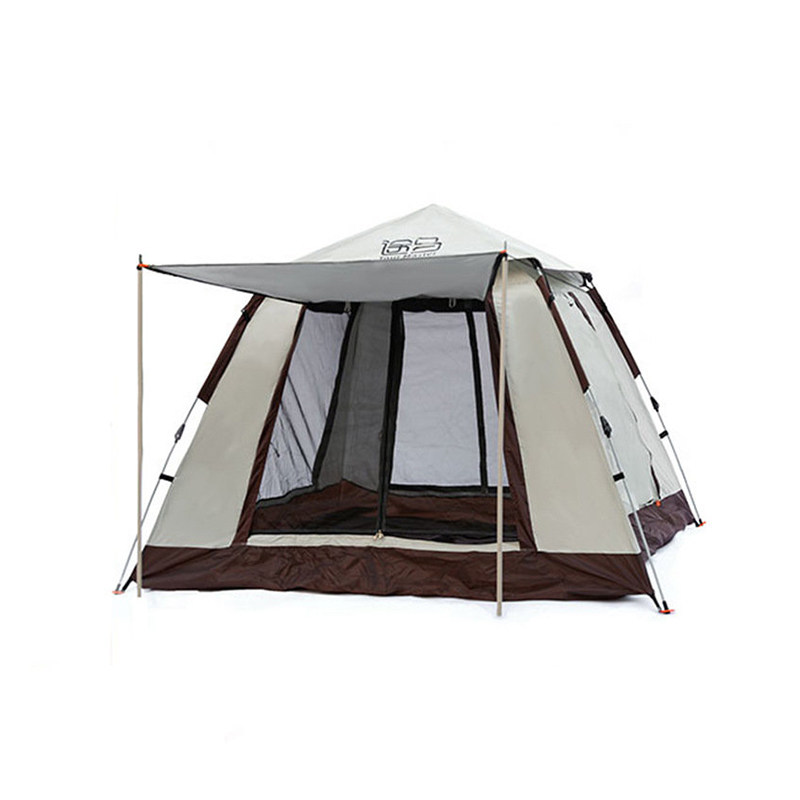
- For festival or short weekend trips where setup speed matters most, a pop up camping tent in a slightly larger size is often the easiest option since it trades some structural rigidity for near-instant setup.
Tent Type Also Affects How Big the Space Feels
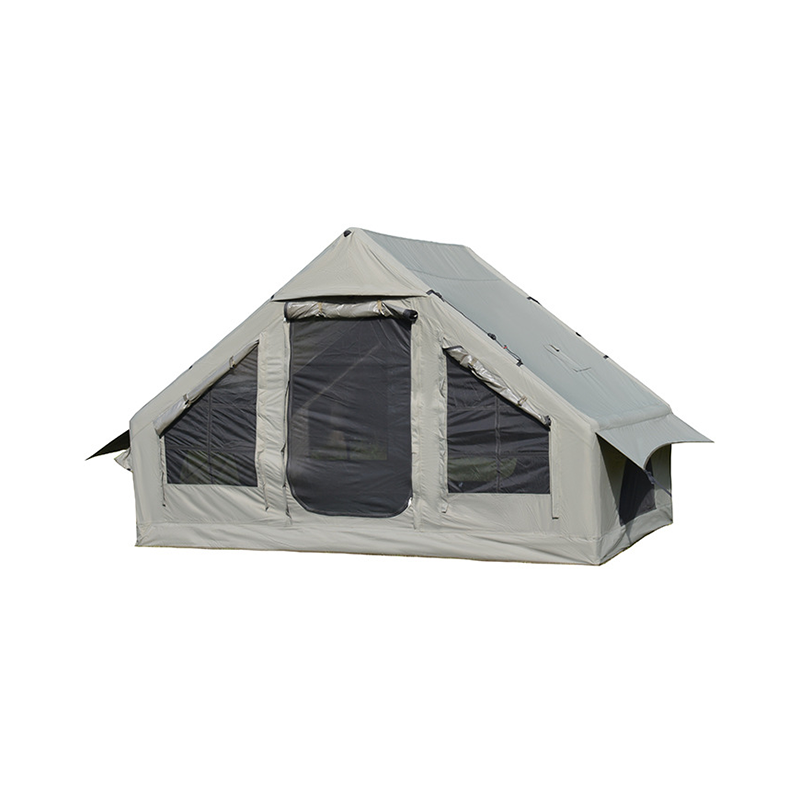
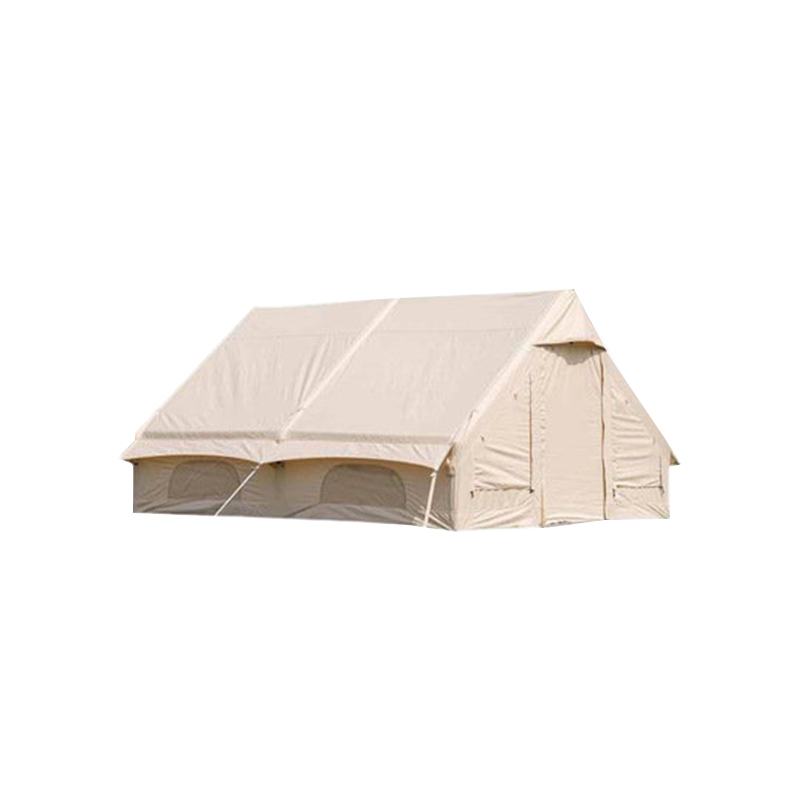
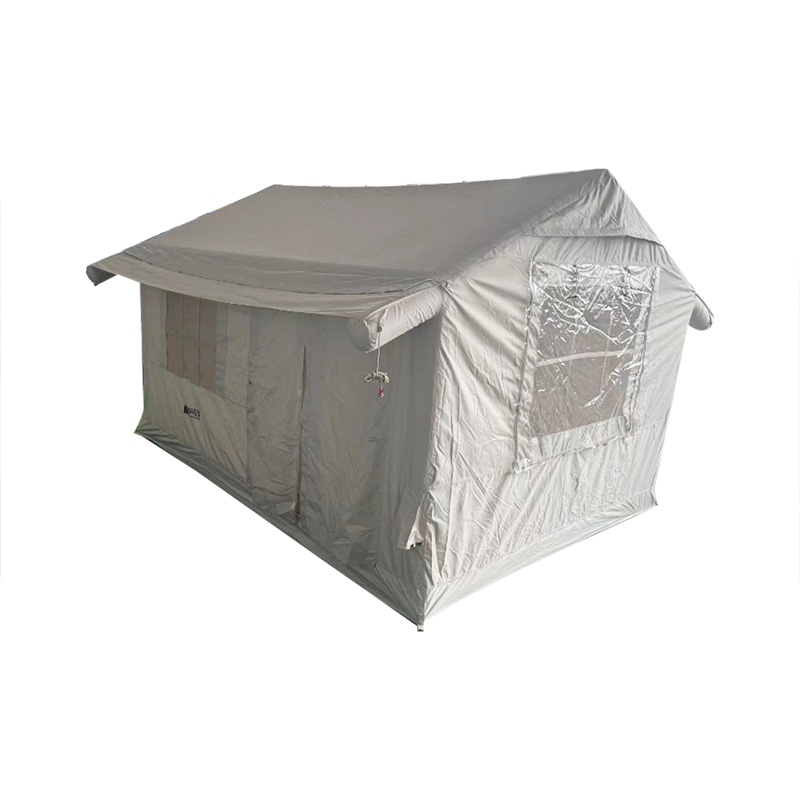
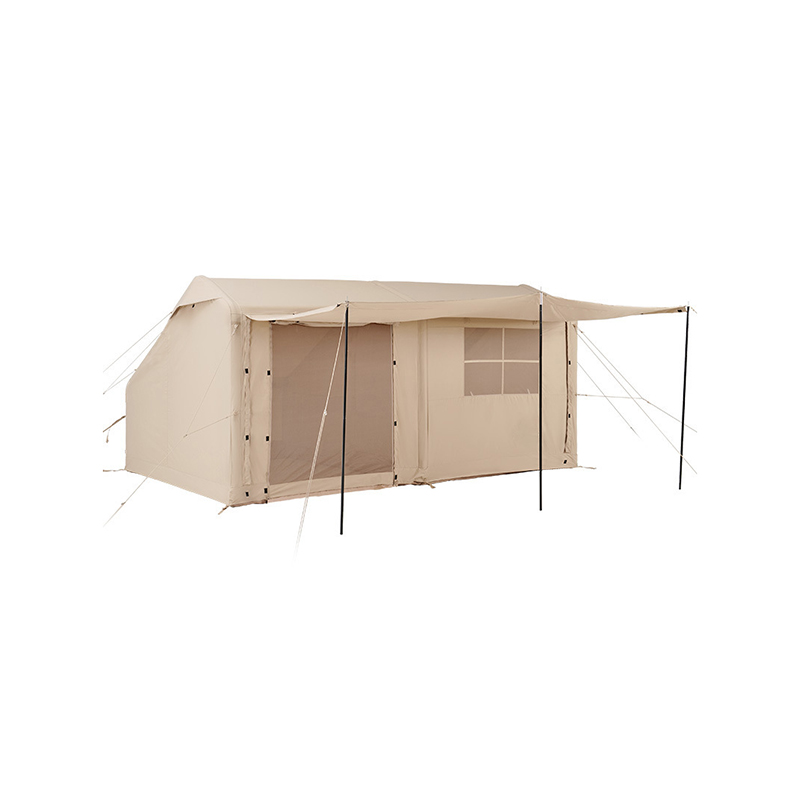
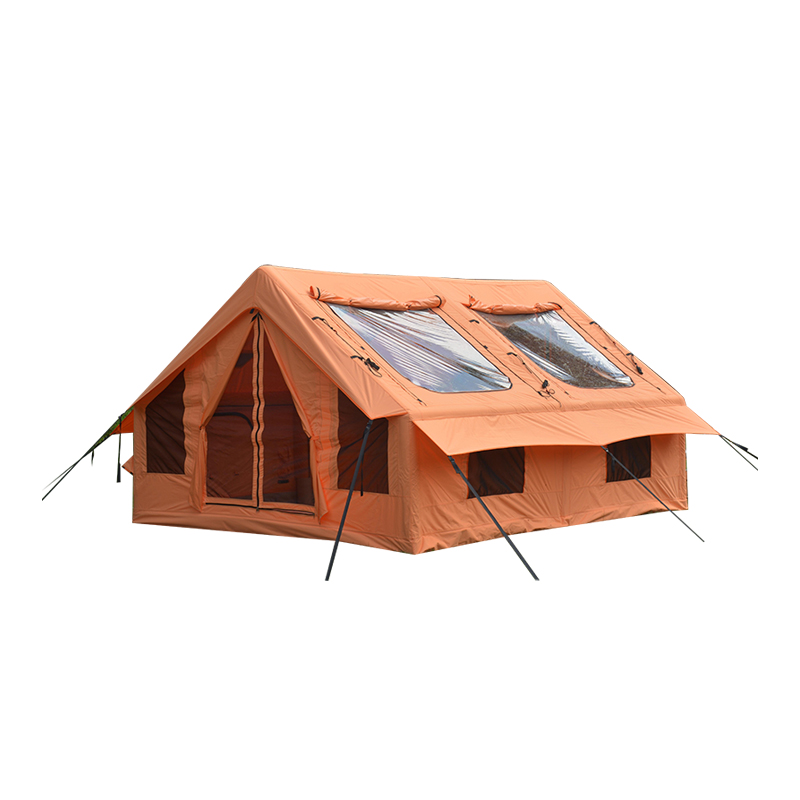
The structural style of a tent influences how much of its rated capacity actually translates into usable living space. Traditional pole tents rely on flexible fiberglass or aluminum rods that create curved walls, which is efficient for weight but reduces headroom at the edges. An air tent for camping, which uses inflatable beams instead of rigid poles, often maintains a more consistent internal shape with straighter walls, meaning the floor space you see on paper more closely matches what you experience once inside. Air tents also tend to set up faster since there's no need to thread poles through sleeves, which matters when you're comparing overall convenience alongside raw square footage.
camping tents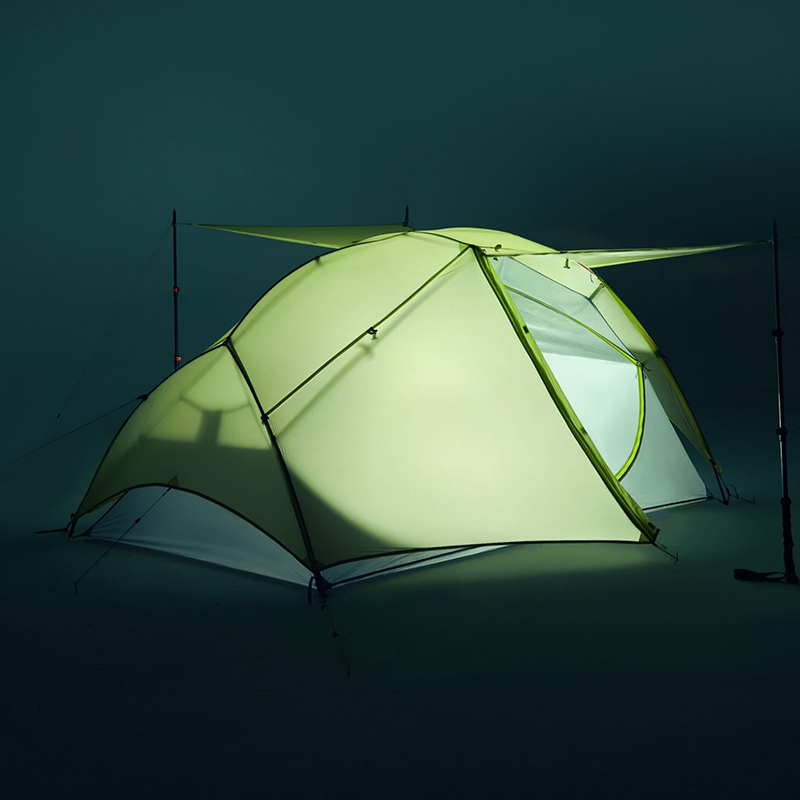
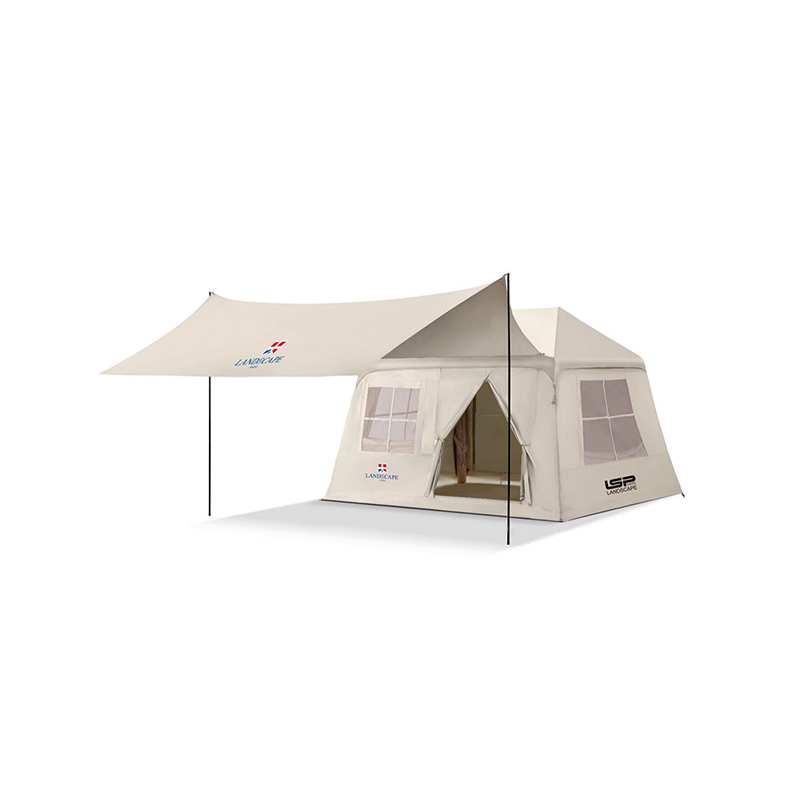
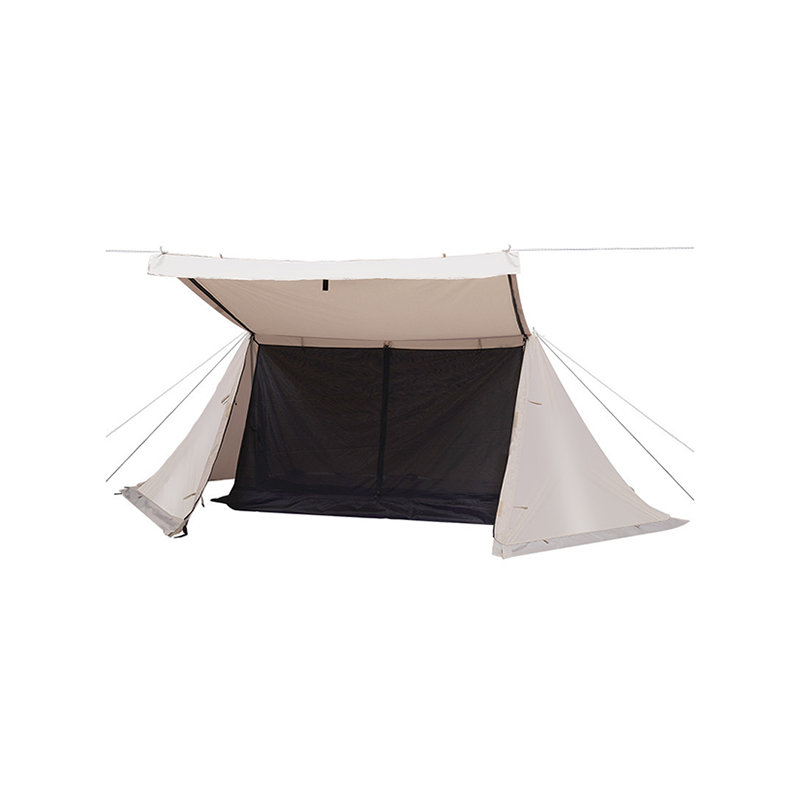
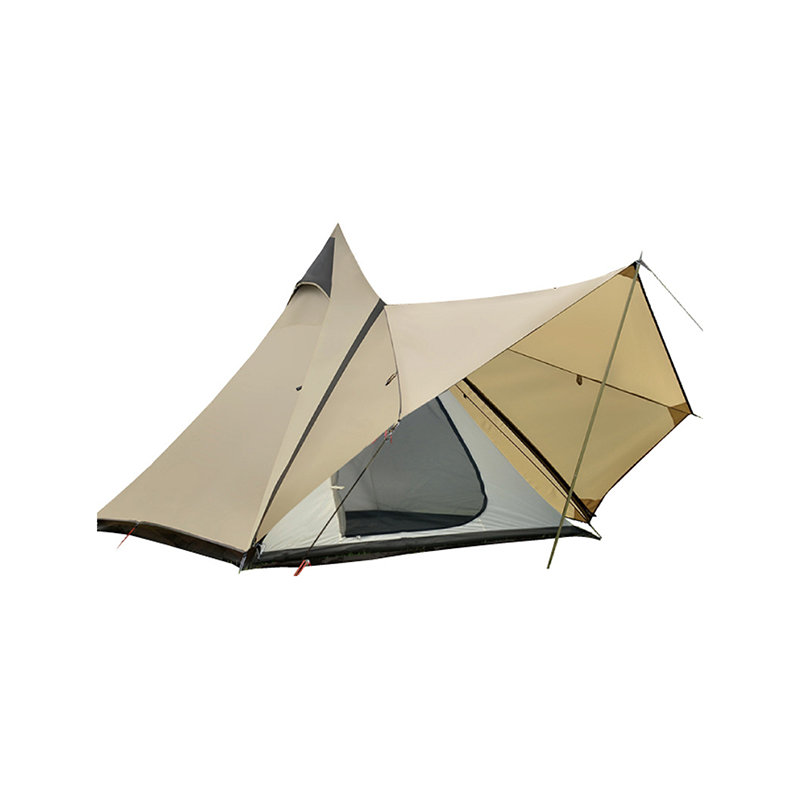
Cabin-style tents with near-vertical walls are generally the best choice for families who want to stand up and move around, since they preserve the most usable floor space relative to their footprint. Tunnel tents fall somewhere in between, offering good length for gear storage but less width at the ends. Dome tents remain the lightest and most wind-resistant option but sacrifice the most usable space to their sloped walls.
Tip
Cabin-style and air-beam tents preserve more of their listed floor space as genuinely usable room compared to steep-walled domes.
Practical Checks Before You Buy
Before purchasing based on capacity rating alone, run through a few practical checks that reveal more than the label ever will:
- Check the listed floor dimensions in feet and mentally lay out your sleeping pads to see how much space remains.
- Look at peak height — anything under 40 inches means you'll be crouching or crawling the entire trip.
- Check whether a vestibule is included, since gear stored there doesn't eat into your sleeping area.
- Read the shape description — cabin and hybrid designs generally offer more usable space than steep-walled domes at the same square footage.
- If setup speed matters more than structure, compare a pop up camping tent against a pole-based model of the same rated size before deciding.
Danger
Never assume a rated capacity number guarantees comfort in extreme weather — undersized tents leave little room to store wet or cold-weather gear safely away from sleeping bags.