

 English
 中文简体
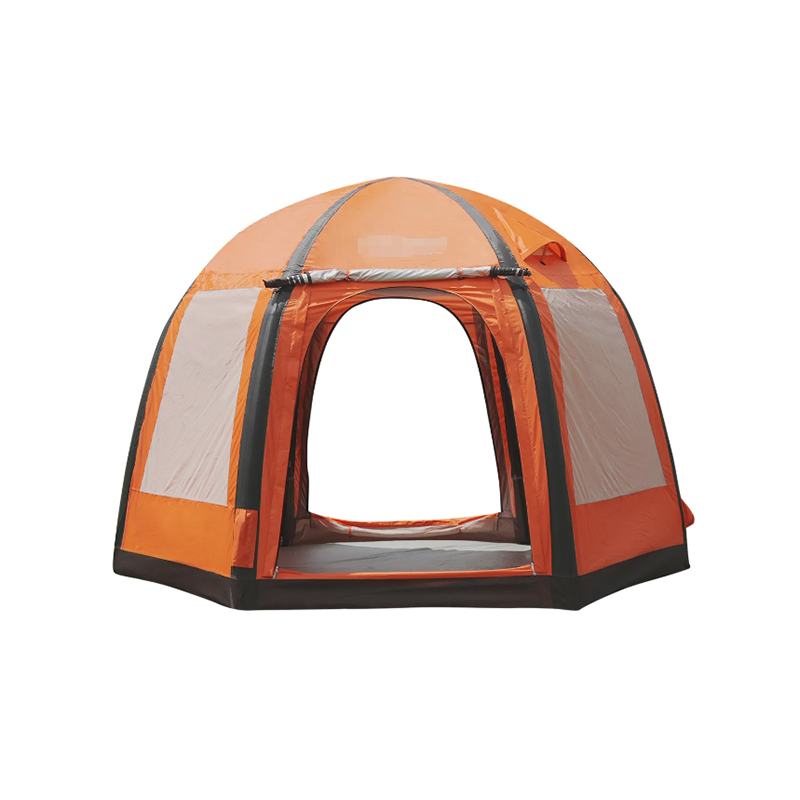
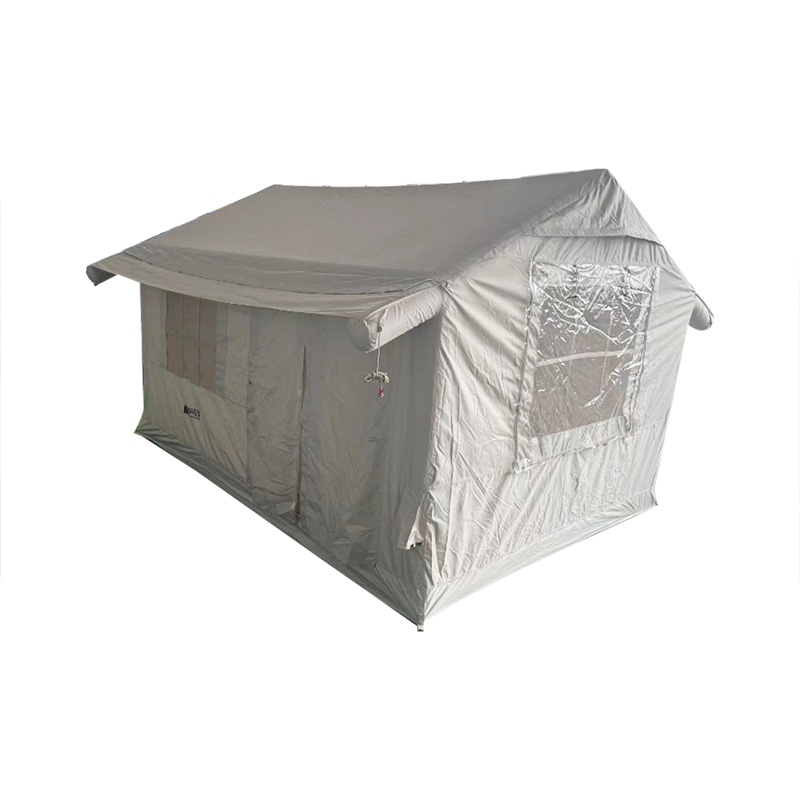
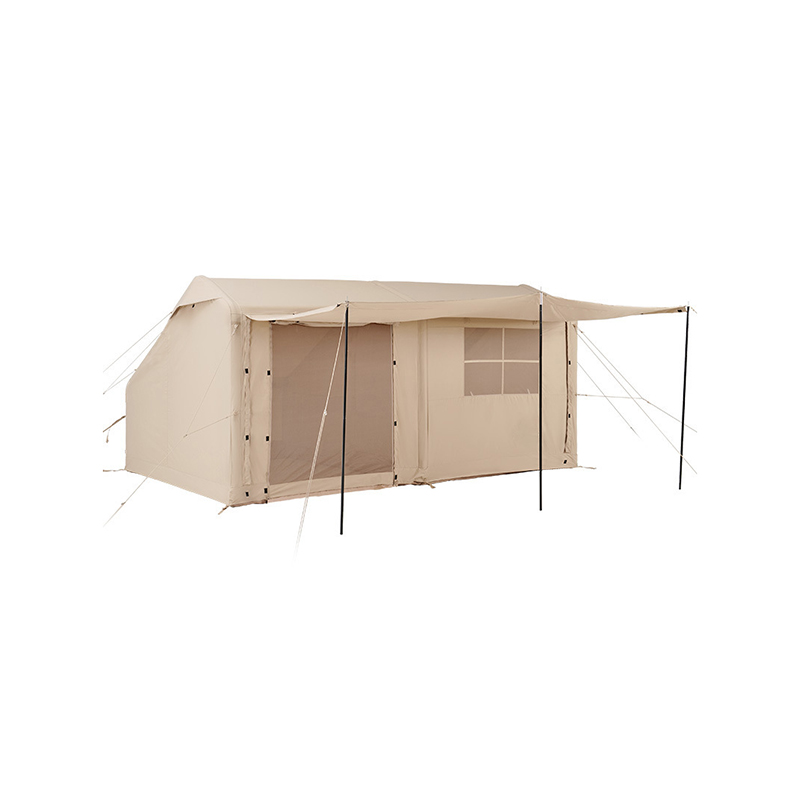
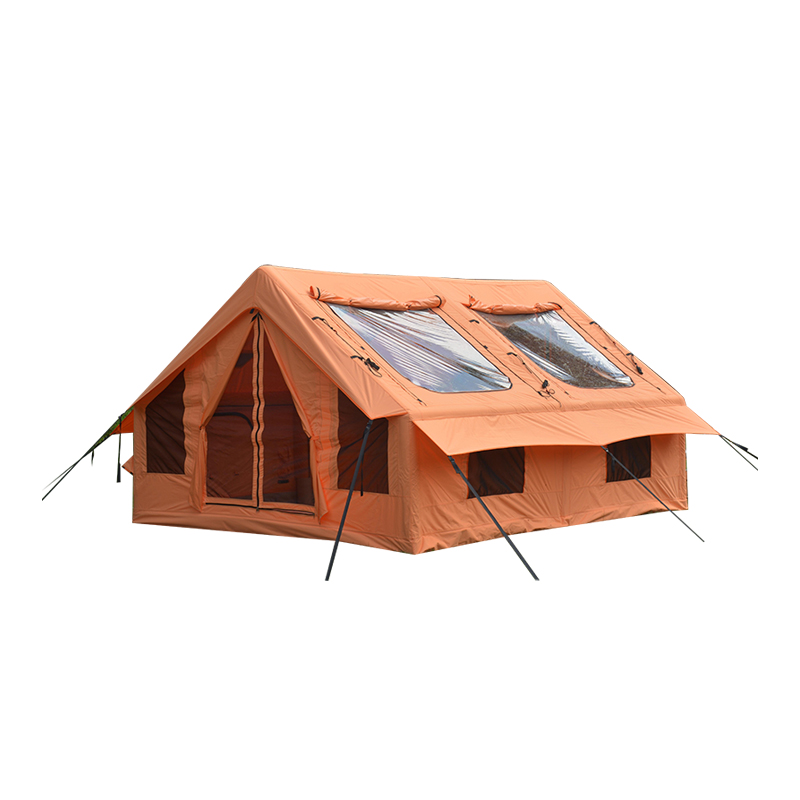
中文简体Hemispherical Inflatable Tent 2 Doors 4 Windows

Two families arrive at the same campsite on a Saturday morning. One spends forty minutes threading poles through sleeves, chasing a loose shock-cord across the grass, and re-reading the setup diagram twice. The other unpacks a pump, connects a hose, and watches the tent rise in about ten minutes. If you have been on either side of that comparison, you already understand the appeal of a 6-person inflatable camping tent.
Here is the conclusion up front: a six-person inflatable tent is the strongest option when your trips are vehicle-supported, your group values setup speed and headroom, and you accept a larger packed size in exchange for a much easier arrival. It is not the right shelter for backpackers, motorcycle campers, or anyone who has to carry the tent more than a short distance from the car.
The move from poles to air columns is not a passing novelty. Inflatable designs remove the most failure-prone part of a family tent and replace it with a structure that flexes under wind loads and rebounds when the gust passes. That is why the rise of inflatable tents among outdoor enthusiasts has been so steady, especially in the family camping segment.
Manufacturers rate capacity by how many sleeping pads fit on the floor, not by how comfortably six adults can move around with luggage. A typical 6-person inflatable tent provides 13 to 18 square metres of floor area (roughly 140 to 195 square feet) and a peak height of 2.0 to 2.3 metres. That space works well for two queen air mattresses, which is how most families of four actually sleep.
| Specification | Typical range for a 6-person inflatable tent |
|---|---|
| Floor area | 13-18 sq m (140-195 sq ft) |
| Peak height | 2.0-2.3 m (6.6-7.5 ft) |
| Packed weight | 18-35 kg |
| Packed size | 70-90 cm long, 40-50 cm diameter |
| Air column material | PVC or TPU |
| Main fabric | 150D-300D oxford with PU coating |
| Setup time | 8-15 minutes with a pump |
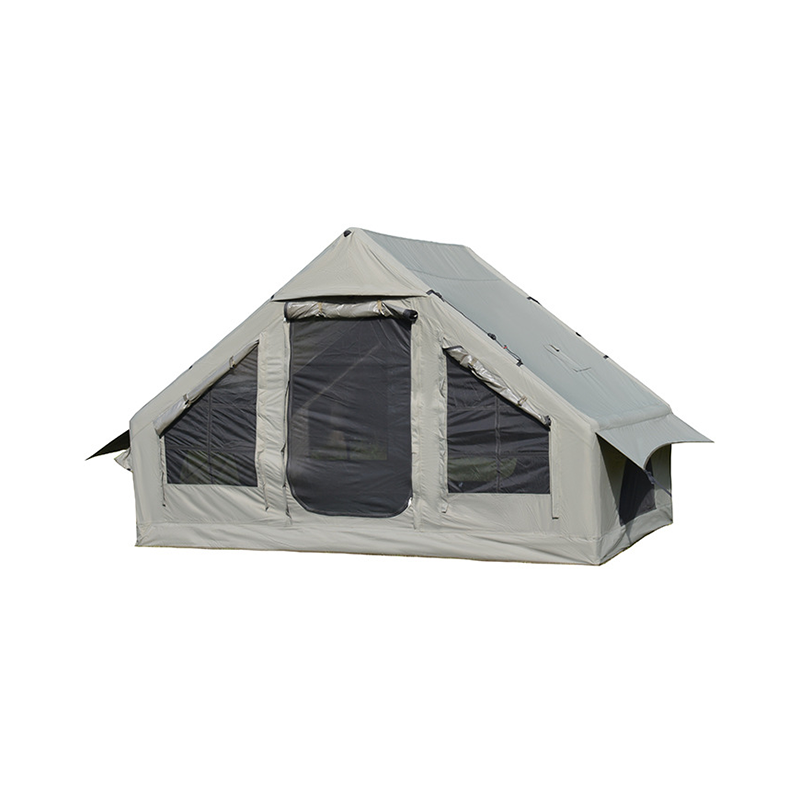
Before comparing numbers, decide which layout fits your group. A family with children usually benefits from internal dividers and separate sleeping zones. An inflatable family tent with internal sleeping zones gives you the privacy of two rooms without the effort of pitching two shelters. If you prefer one open space for a group of friends, a single-room layout will be simpler to manage.
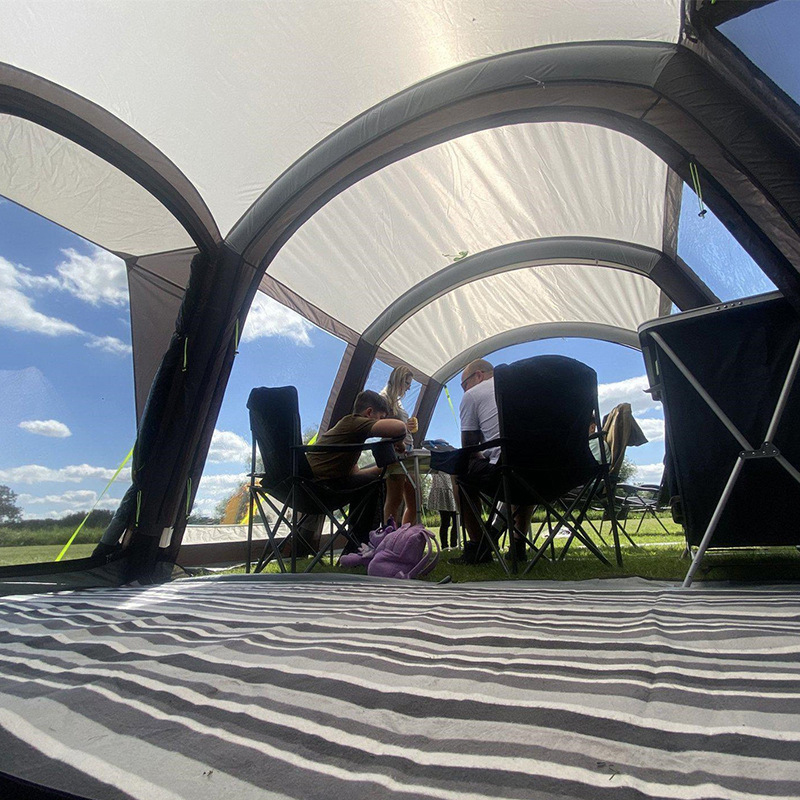 Wholesale Inflatable Family Tent Suppliers, Factory - Nordic Kamping Outdoor PrNordic Kamping Outdoor Products(Ningbo)Co., Ltd. is China wholesale Inflatable Family Tent factory and Inflatable Family Tent suppliers,...View Product →
The air column is the skeleton of the tent, and its material determines weight, durability, cost, and behaviour in cold weather. This is the first specification to settle before you look at floor plans.
PVC is the most common material in this category because it is rigid at operating pressure, resists abrasion, and keeps the tent affordable. The trade-offs are weight and low-temperature flexibility. A PVC-column six-person tent often weighs 25 to 35 kg, and the material stiffens noticeably when temperatures drop, which is why most manufacturers position these models for mild to moderate climates and car camping. Temperature and altitude changes also shift internal air pressure, and PVC air columns respond to temperature and altitude changes in ways you should understand before a weekend trip into the hills.
TPU columns cost more, but they weigh less, stay flexible in cold conditions, and tolerate repeated inflation cycles better. That is why premium tents and many export orders specify TPU. If you plan to camp in changeable weather or want the tent to last many seasons, the higher purchase price usually pays for itself.
Condensation is the most common complaint in any large tent, and inflatable models are not exempt. Six people breathing inside a closed shelter for eight hours produce several litres of moisture. The windows, mesh panels, and vents decide whether you wake up dry or dripping.
Look for at least two large windows with double-layer zippers (a mesh panel plus a solid flap), a low vent on one side and upper vents on the opposite side, and a rainfly that does not sit directly on the inner tent. The gap between fly and fabric is what lets moisture escape. Our guide to how inflatable camping tents manage internal condensation explains the airflow principles in more detail.
At this size, the differences between air-beam and pole designs become easy to evaluate. Each has strengths, and the right choice depends on where and how you camp.
None of this makes inflatable tents universally better. For windy alpine sites and ultralight trips, a pole tent is still the rational choice. For family car camping, the inflatable advantages are visible on every single trip.
Buy one if you drive to the campsite, camp with children, change sites several times per trip, or want one person to manage the setup while another supervises the kids. Skip it if you backpack, if the packed length will not fit your vehicle's load space, or if you regularly camp in deep-winter conditions where PVC columns stiffen.
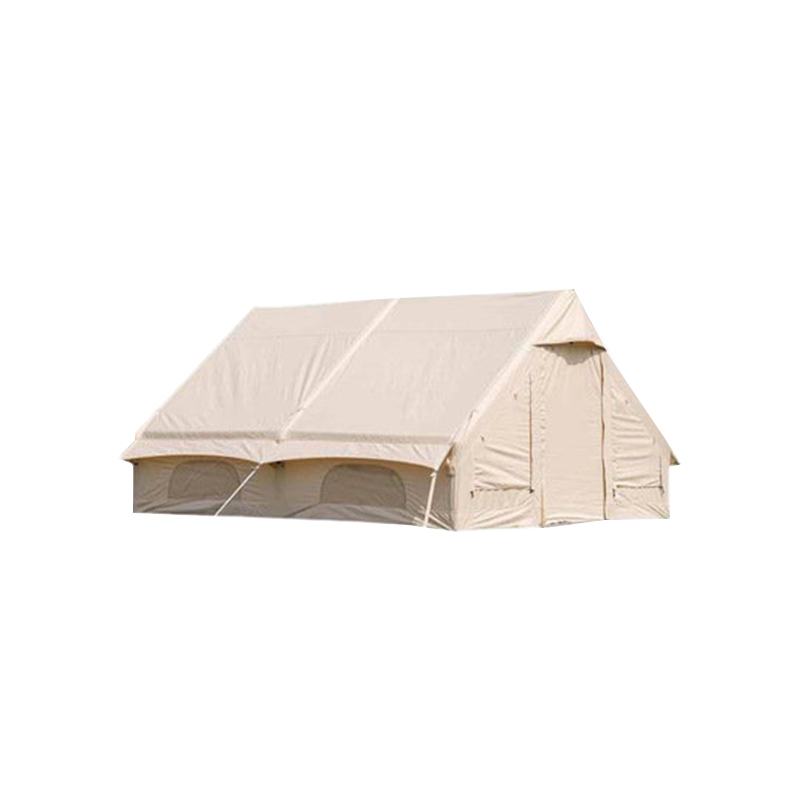
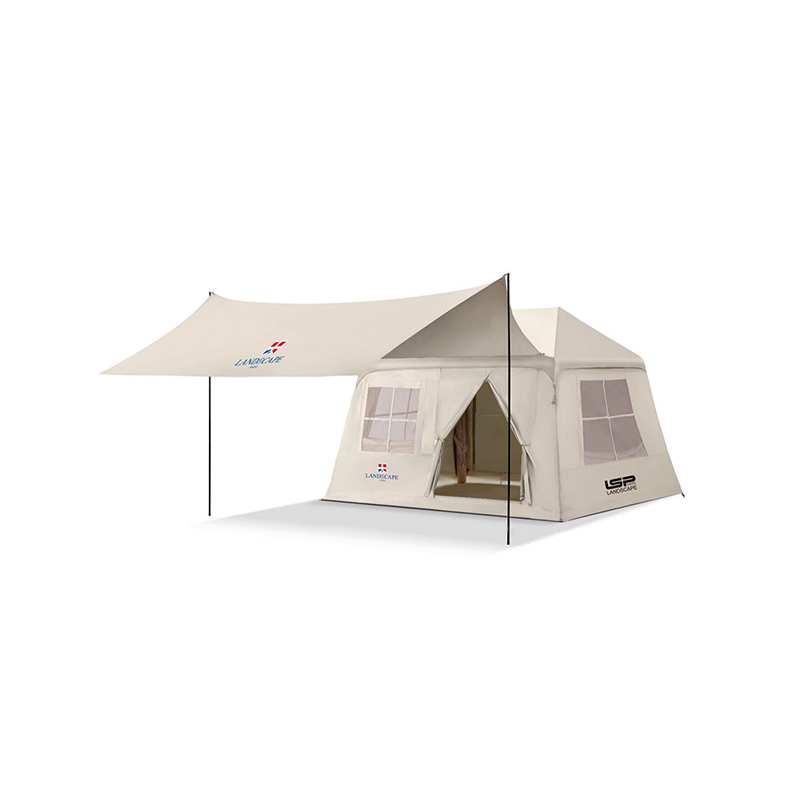
For groups that prefer one open room with no dividers, an outdoor camping ground tent with a single open interior is easier to keep tidy and ventilate. For extra living space outside the sleeping zone, a canopy is the upgrade that changes rainy-day comfort completely; a 6.3 m inflatable tent with camping canopy adds a protected area for cooking or gear storage without a second structure.
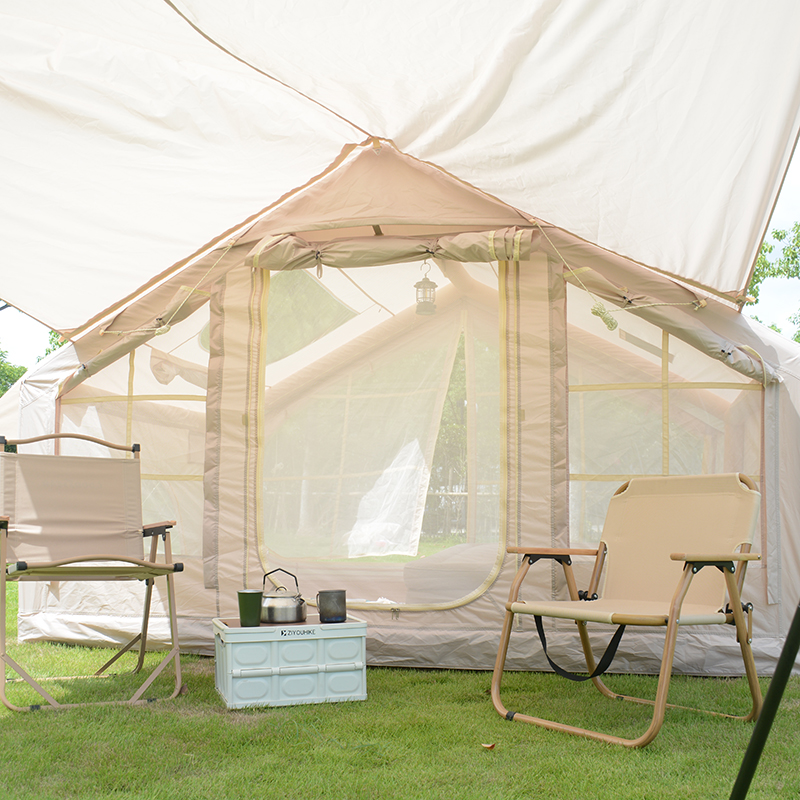 Wholesale 6.3m² Inflatable tent With camping canopy Suppliers, Factory - NordiNordic Kamping Outdoor Products(Ningbo)Co., Ltd. is China wholesale 6.3m² Inflatable tent With camping canopy factory and 6.3m² Inflata...View Product →
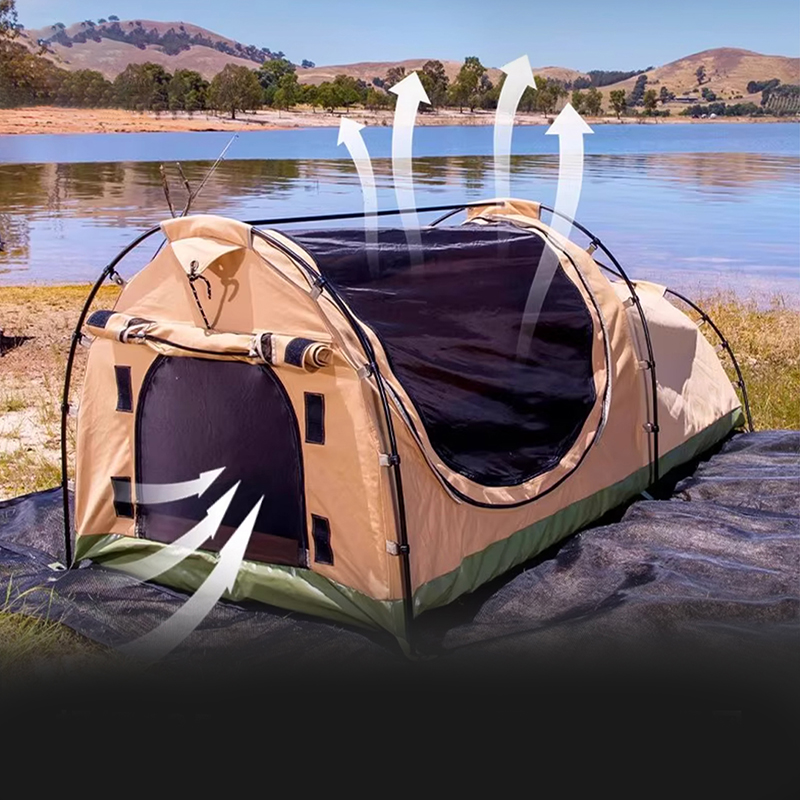 Wholesale Outdoor Camping Ground Tent Suppliers, Factory - Nordic Kamping OutdoNordic Kamping Outdoor Products(Ningbo)Co., Ltd. is China wholesale Outdoor Camping Ground Tent factory and Outdoor Camping Ground Tent ...View Product →
For retailers, importers, and brands adding this product to a lineup, the same specifications matter, but the evaluation goes deeper. Verify the fabric weight and coating: 210D or 300D oxford with a PU coating and a hydrostatic head of at least 2,000 mm, ideally 3,000 mm or higher. Check the air column material and the rated operating pressure, typically 8-15 psi for PVC columns. Confirm that the valve is user-replaceable and that the pump has a pressure stop. Inspect the seams where air columns attach to the fabric; high-frequency welded or double-stitched seams fail far less often in the third season.
Working with a manufacturer that controls cutting, sewing, and final assembly in one facility reduces the inconsistency that has historically plagued the air-tent category. That is exactly the production setup we maintain when we build inflatable tents for brand partners.
A 6-person inflatable camping tent does not replace every shelter on the market, but for families and small groups that arrive by car, it removes the most frustrating part of a camping weekend: the setup. Choose the right floor plan, pair it with the right air column material, and the tent will go up quickly for many seasons to come.