

 English
 中文简体
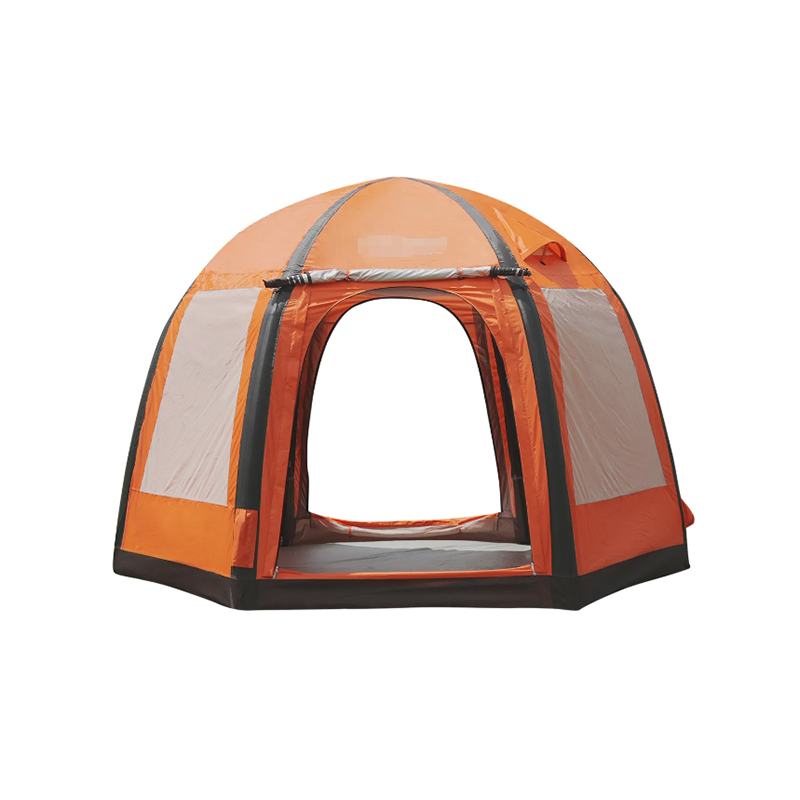
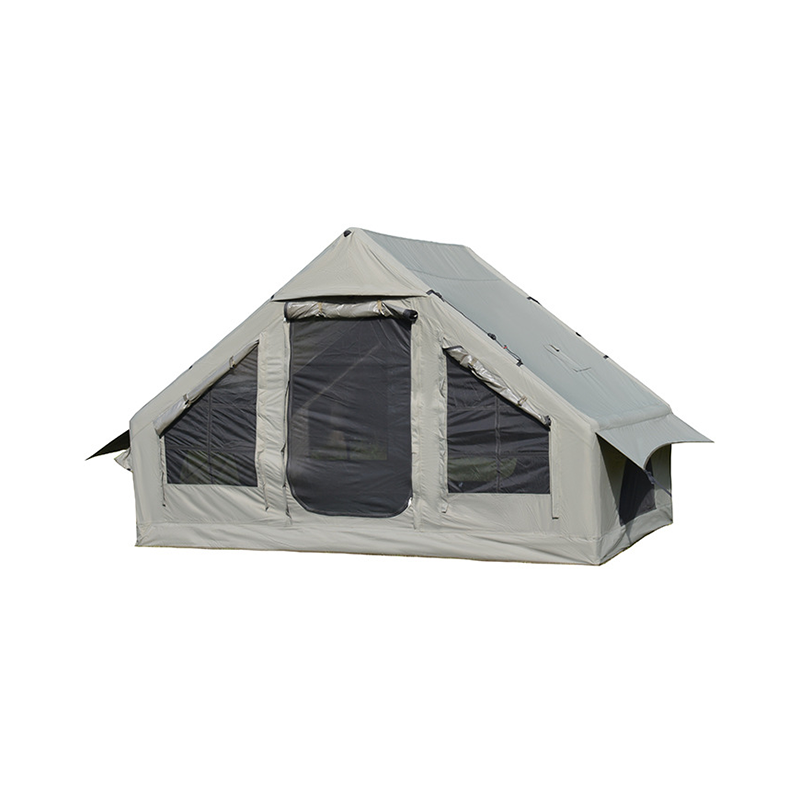
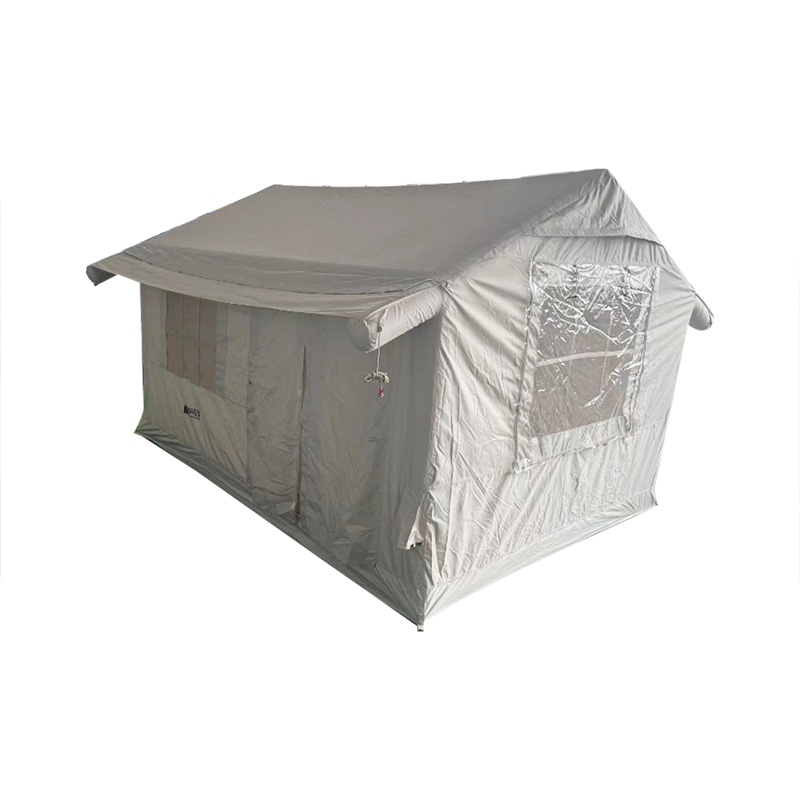
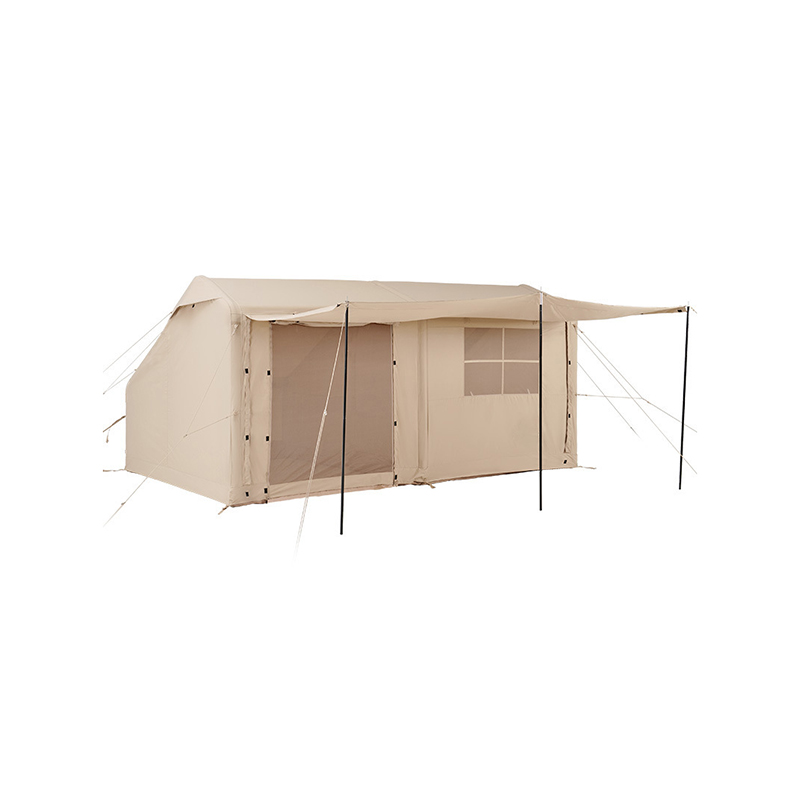
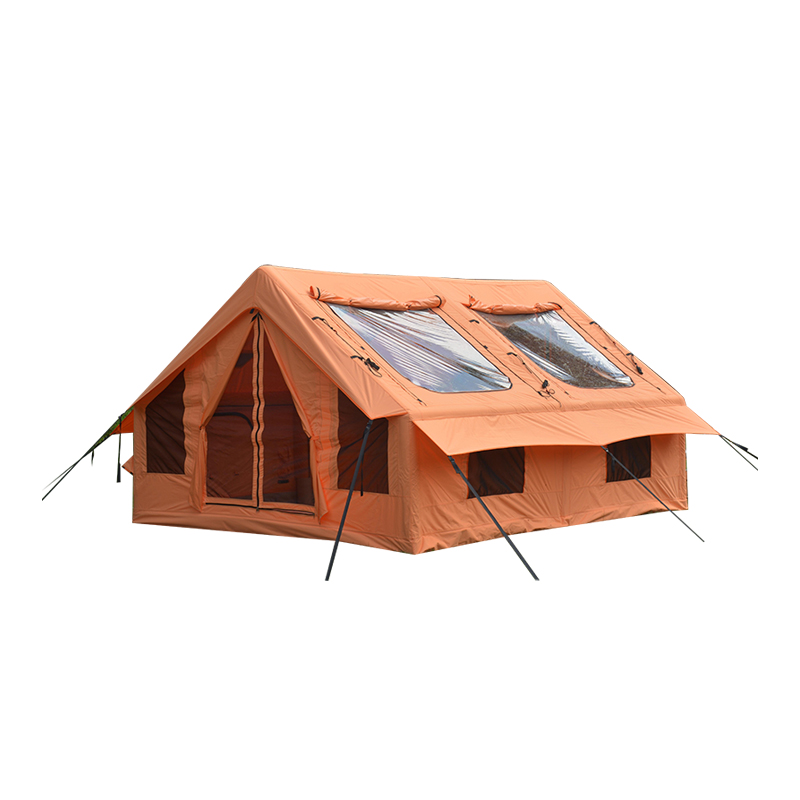
中文简体Hemispherical Inflatable Tent 2 Doors 4 Windows

The Inflatable Camping Tent handles condensation effectively through proper ventilation, breathable materials, and optimized airflow design. With correct setup, condensation can be minimized, ensuring a comfortable and dry interior even in humid conditions.
Condensation occurs when warm, moist air inside the tent comes into contact with cooler tent walls. In humid environments, this effect is amplified because the air holds more moisture. Activities like cooking, breathing, and sweating inside the tent contribute to water vapor accumulation, which then condenses on the inner surfaces.
A typical tent with two occupants can generate up to 500 milliliters of water vapor per night, which can settle on the inner walls if ventilation is insufficient.
The Inflatable Camping Tent is designed with multiple ventilation points, including mesh windows and air vents. These allow warm, moist air to escape and fresh air to circulate, reducing condensation.
Vents near the top of the tent are most effective because warm air rises. Side vents help maintain lateral airflow. Opening all vents slightly during humid nights is recommended to prevent moisture buildup.
Even with a rainfly in place, the tent’s design allows air to flow between the fly and the inner tent. This prevents the inner wall from becoming saturated with condensed water while keeping rain out.
The inner lining of most Inflatable Camping Tents uses breathable polyester or nylon with moisture-wicking properties. These materials absorb minor moisture, reducing the amount of visible condensation. Waterproof coatings on the outer tent prevent external water from entering while still allowing air exchange.
Double-layer tents create an air gap between the inner and outer layers, which acts as insulation and reduces condensation. This design keeps the inner tent slightly warmer than the outside air, which limits the temperature differential that causes condensation.
Proper setup is crucial. Ensure that the tent is pitched tautly to prevent sagging, which can create pockets for condensation to collect. Avoid placing the tent in low-lying areas where cold air and humidity accumulate.
Condensation can still occur despite design optimizations. Regularly wipe down tent walls with a dry cloth in the morning to prevent mold and mildew growth. Store the tent dry to maintain fabric integrity and performance.
During summer or in tropical climates, condensation levels are higher due to humidity. Using a small battery-powered fan inside the tent can further reduce moisture accumulation.
Compared to traditional pole tents, the Inflatable Camping Tent shows up to 30% less condensation in controlled tests because of its tighter fabric tension, optimized airflow channels, and material choices.
| Tent Type | Occupants | Condensation (ml) |
|---|---|---|
| Inflatable Camping Tent | 2 | 350 |
| Traditional Pole Tent | 2 | 500 |
The Inflatable Camping Tent effectively manages condensation in humid conditions through a combination of ventilation, breathable materials, proper setup, and user maintenance. Following best practices ensures a dry, comfortable interior and enhances the tent’s lifespan, making it a reliable choice for camping in humid environments.