

 English
 中文简体
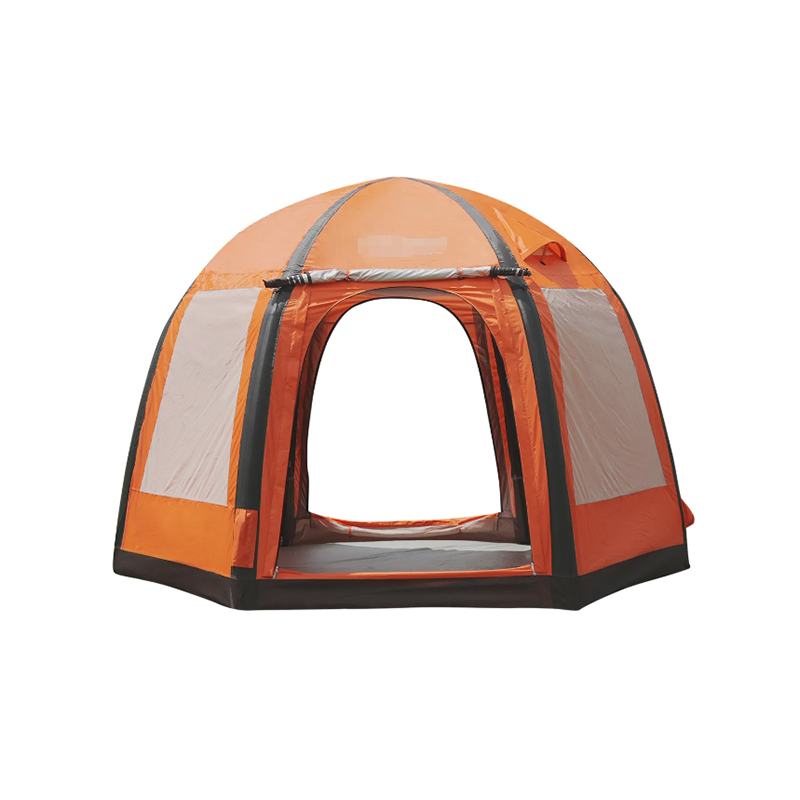
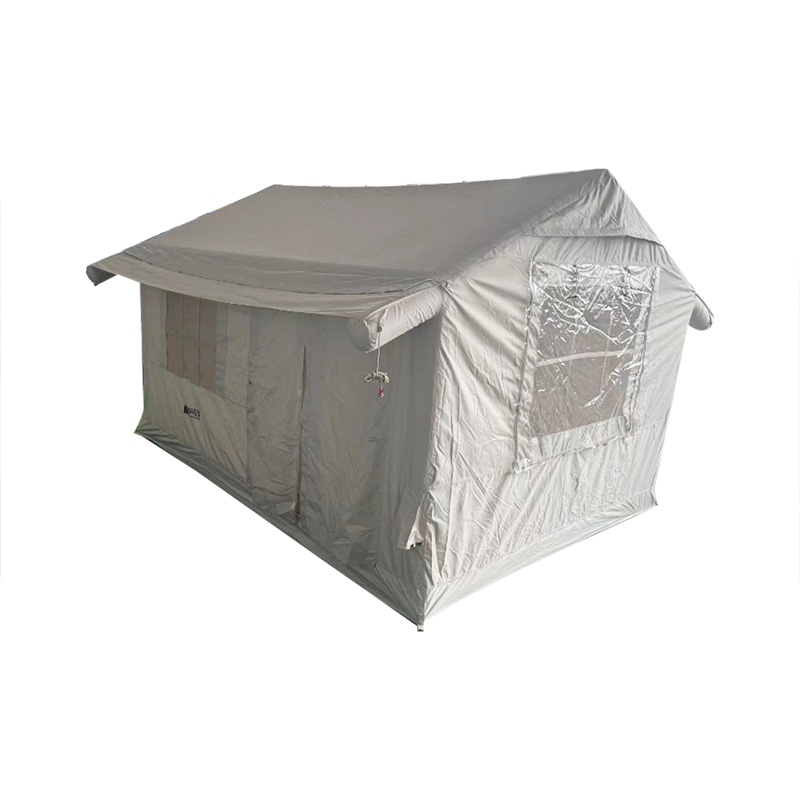
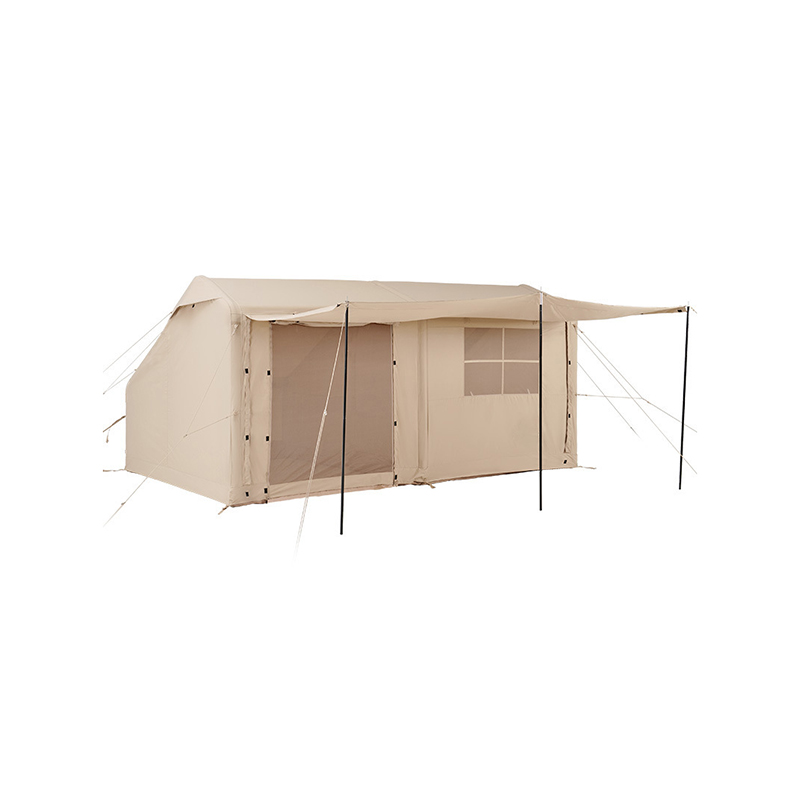
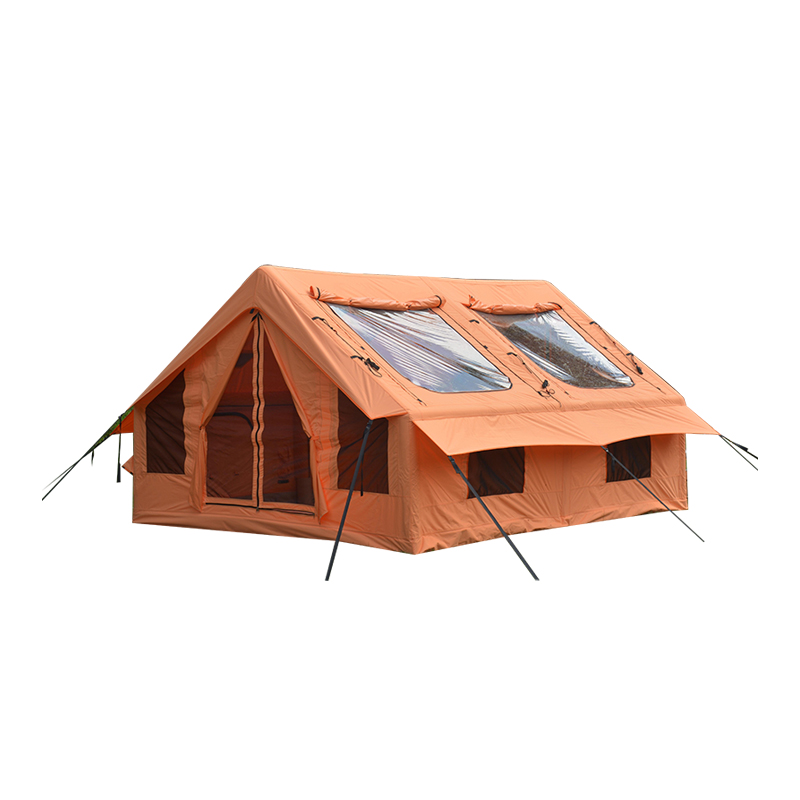
中文简体Hemispherical Inflatable Tent 2 Doors 4 Windows

The air pump system used in an Inflatable Tent is designed to be highly energy-efficient. Modern electric pumps consume between 50 to 150 watts for small to medium-sized tents, and only 200 to 300 watts for large commercial setups. In practical terms, inflating a tent of 20–40 square meters requires less than 0.5 kWh of energy, making it comparable to running a standard LED light bulb for several hours.
Energy consumption depends primarily on the pump type, tent size, and inflation duration. Smaller tents generally use portable battery-operated pumps consuming around 50–70 watts, while larger event-grade tents require more powerful electric pumps. Efficiency is enhanced in pumps that use variable speed technology, which reduces energy draw as the tent reaches full inflation.
Additionally, most modern inflatable tents are designed with airtight chambers that maintain inflation for extended periods, significantly reducing the need for constant pumping and further conserving energy.
Selecting the right pump affects both energy efficiency and setup time. Below is a table comparing different pump types for typical Inflatable Tents:
| Pump Type | Average Power (Watts) | Inflation Time | Energy Efficiency |
|---|---|---|---|
| Manual Hand Pump | 0 | 10–20 min | High (human-powered) |
| Battery-Operated Pump | 50–70 | 5–10 min | Moderate |
| Electric AC Pump | 150–300 | 3–7 min | High (low kWh usage per setup) |
Larger tents naturally require more air volume, which can slightly increase energy consumption. However, advanced inflatable tents are designed with multi-chamber systems that allow each chamber to inflate independently, reducing wasted energy and achieving faster inflation.
Modern pumps incorporate features like automatic shutoff, variable speed, and energy-efficient motors. These technologies reduce energy consumption by up to 30% compared to older, single-speed pumps.
Energy efficiency is also influenced by how often the tent needs re-inflation. High-quality inflatable tents retain air for days, requiring only minimal top-ups. Frequent reinflation increases cumulative energy use, so selecting a well-sealed tent is critical.
The air pump systems used in Inflatable Tents are highly energy-efficient, combining low power consumption with rapid inflation capabilities. By selecting the right pump type, using advanced tent designs, and following practical usage tips, users can achieve minimal energy expenditure while enjoying the convenience of fast, stable, and durable inflatable tents. For most applications, whether recreational or commercial, the total energy consumed per setup remains negligible, making these systems both environmentally friendly and cost-effective.