

 English
 中文简体
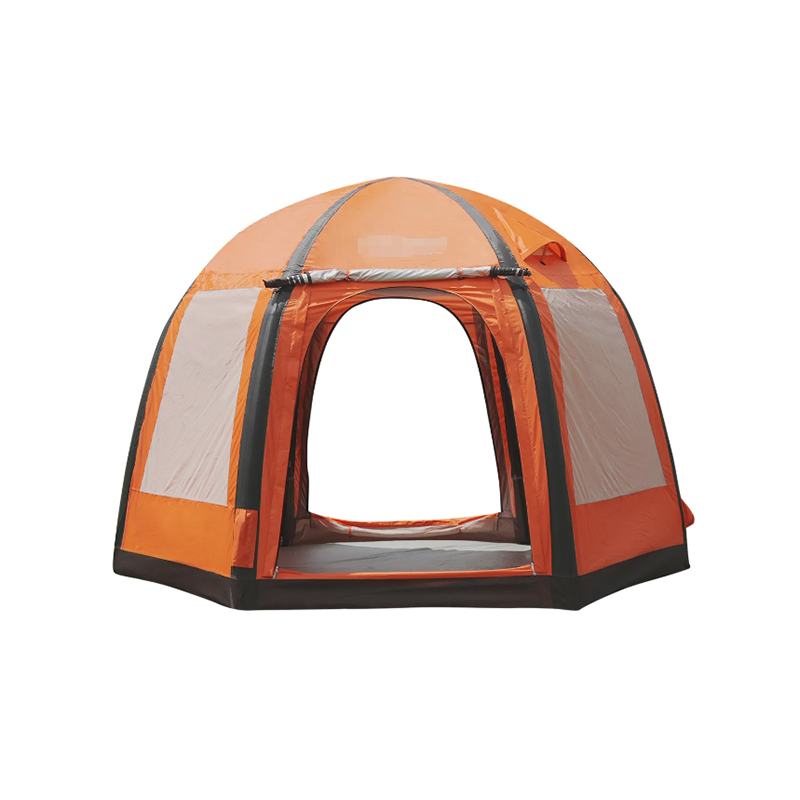
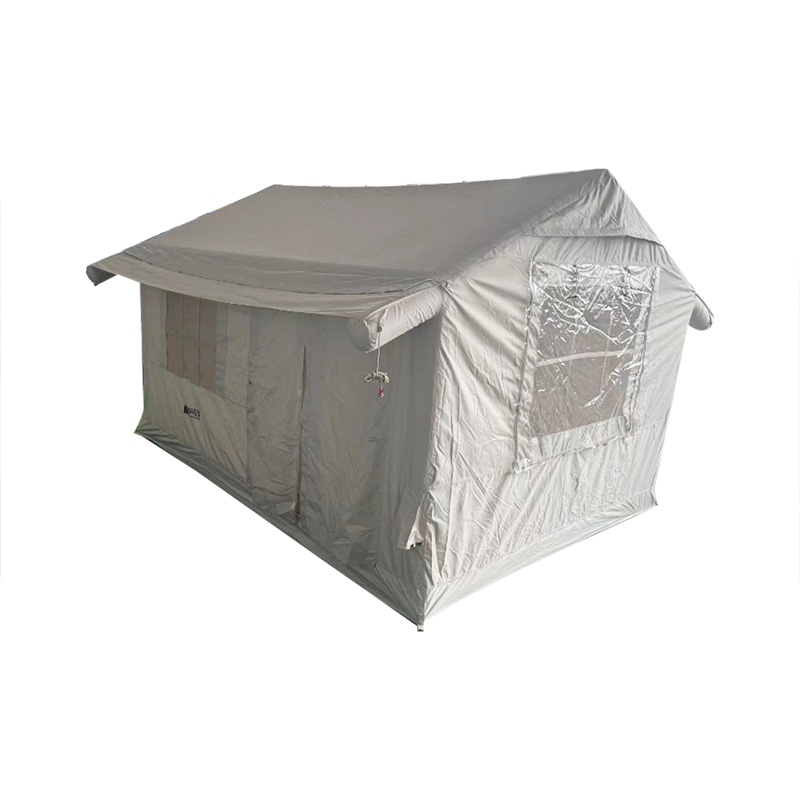
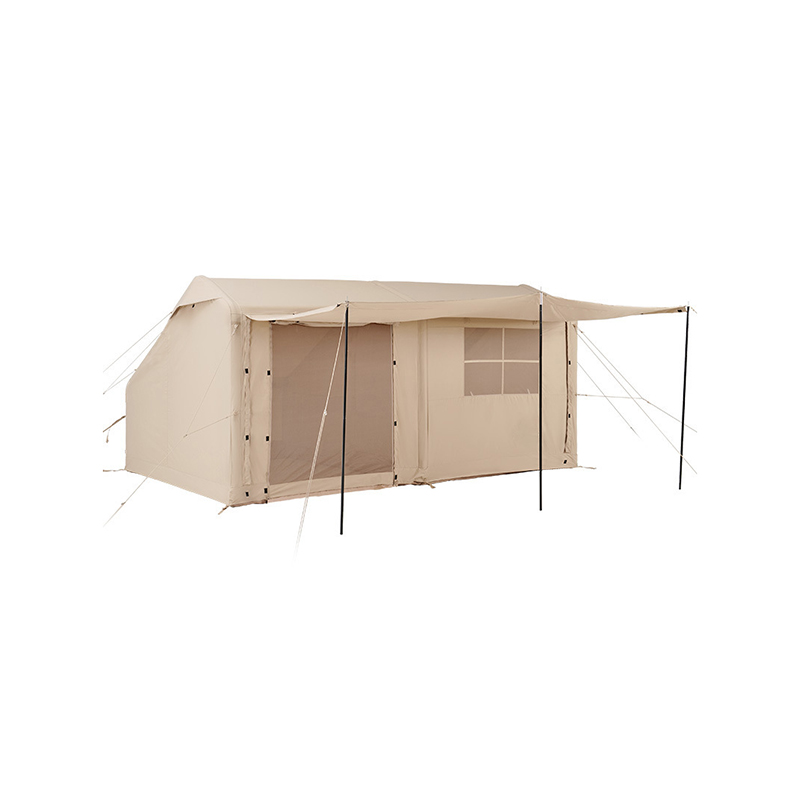
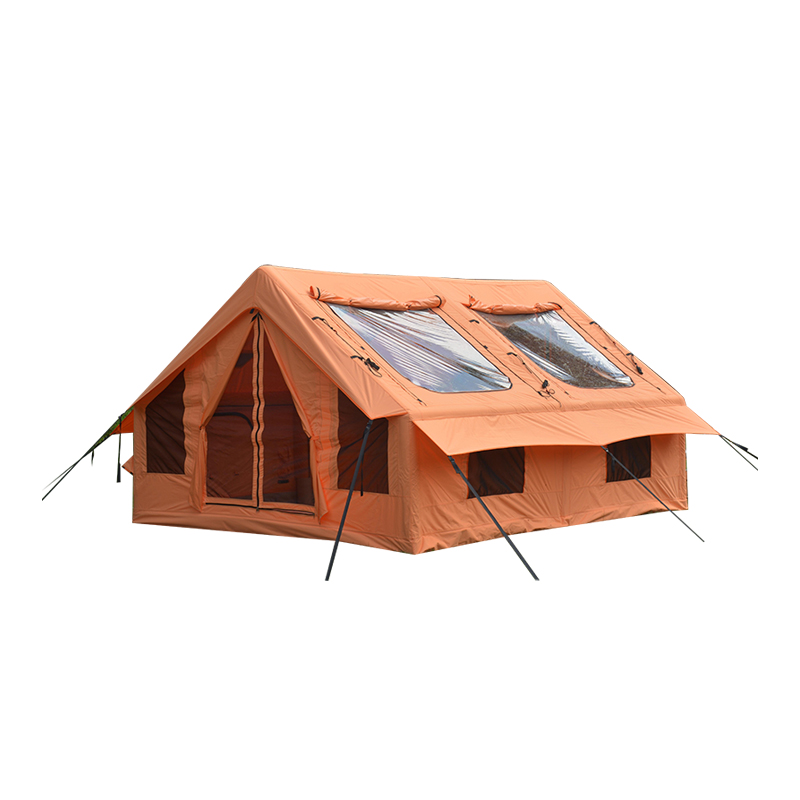
中文简体Hemispherical Inflatable Tent 2 Doors 4 Windows

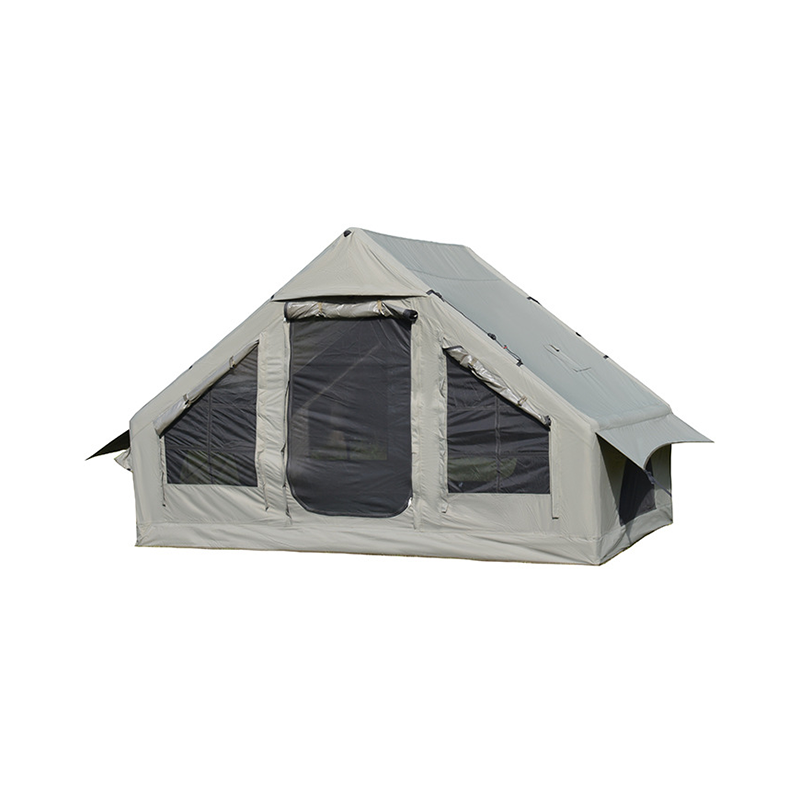
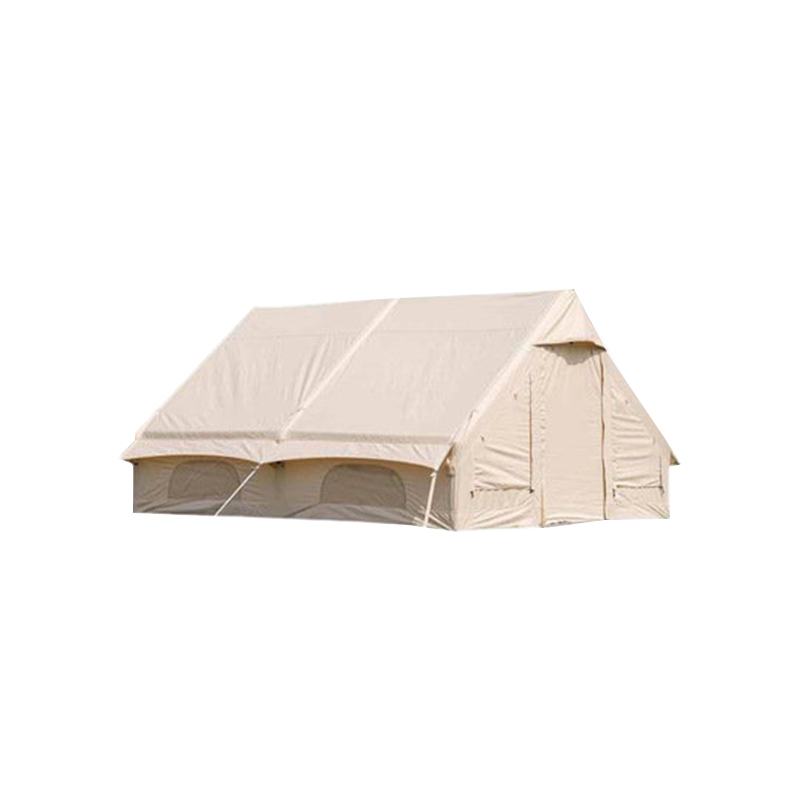
Air-Beam Structural Framework — Inflatable Camping Tents utilize pressurized air beams instead of traditional rigid poles to form the tent’s structural skeleton. These air beams are capable of spanning significant distances without requiring intermediate support points, which allows for a more open and unobstructed interior. Unlike traditional pole-based designs, which often include corners, crossbars, or guy lines that reduce usable space, air beams create an almost column-free environment. This design approach maximizes both floor area and headroom, providing campers with more functional interior space for movement, storage, or standing. Additionally, air beams can flex slightly under external forces such as wind, reducing stress points and enhancing overall structural stability without adding weight. The flexibility of air-beam technology allows for innovative tent shapes, including dome, tunnel, or multi-room configurations, which provide increased interior volume without requiring heavy or cumbersome materials.
Lightweight, High-Performance Materials — Material selection plays a critical role in balancing interior volume with transport weight. Inflatable Camping Tents often employ ripstop nylon or polyester fabrics coated with polyurethane (PU) or silicone to provide waterproofing, UV resistance, and abrasion protection while remaining lightweight. These fabrics are engineered to withstand the tension created by inflated beams while minimizing bulk, enabling the tent to be packed down into a compact form. Lightweight yet strong materials reduce the total mass of the tent, which is especially important for backpacking or long-distance hiking. Multi-layered or laminated fabrics can combine durability with flexibility, allowing the tent to maintain its shape and internal volume when fully inflated while collapsing efficiently for transport.
Optimized Geometric Design for Interior Volume — Tent geometry is carefully engineered to maximize usable space. Inflatable tents often feature vertical or near-vertical walls, particularly in the central sleeping or living area, instead of highly sloped walls typical of traditional tents. This increases headroom and functional floor area without enlarging the footprint. Roofs are designed with gentle curves or domed shapes that allow for maximum internal height at the center while minimizing wind resistance. The floor layout is often slightly tapered to maintain stability while providing more space in the zones where campers spend the most time. This geometric optimization ensures that interior space is used efficiently, giving users more standing room, storage area, and comfort without increasing the size or weight of the tent.
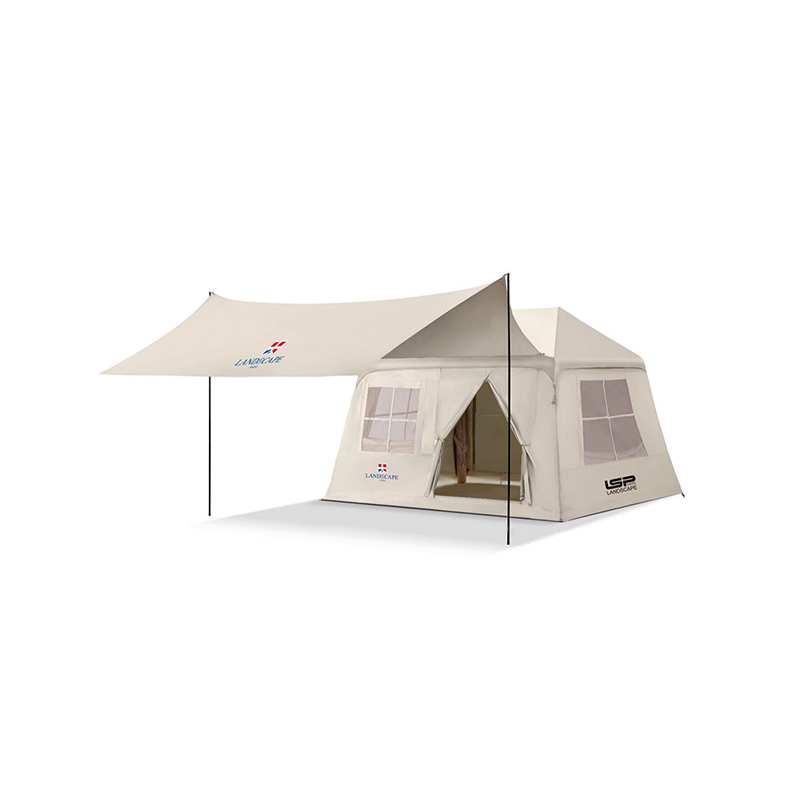
Integrated Vestibules and Modular Sections — To expand functional space without significantly affecting transport volume, Inflatable Camping Tents frequently include integrated vestibules, porches, or modular compartments. These additional areas serve as storage zones for gear, entryways for wet or muddy equipment, or sheltered spaces for cooking and preparation. Modular designs allow the user to customize the interior layout according to occupancy or activity needs, creating distinct zones within a single structure. Because these vestibules and modules are inflatable or foldable, they contribute minimal additional weight and pack down compactly alongside the main tent body. This approach ensures that the tent can provide more functional interior space while still being lightweight and portable.
Efficient Beam Routing and Inflation Mechanics — The number, placement, and routing of air beams are optimized to maximize interior space while minimizing material weight and inflation complexity. Well-designed beams support walls and roof efficiently without overlapping unnecessarily, which could otherwise reduce usable interior volume or increase weight. Some designs employ single inflation points or interconnected beam networks that simplify setup and reduce the risk of uneven inflation. Efficient beam layouts also reduce internal obstructions, maintaining open space for sleeping, storage, and movement, and ensuring that the tent retains its shape and stability under wind, rain, or snow loads.
Packability and Storage Design — Inflatable Camping Tents are engineered to fold, roll, or compress efficiently for storage and transport. Air beams can be fully deflated and rolled alongside the fabric body, minimizing the packed size. Lightweight fabrics, coupled with efficient folding techniques, allow the tent to fit into small, manageable carry bags suitable for backpacking or vehicle transport. Careful attention to weight distribution and compact folding patterns ensures that even multi-room or high-volume tents remain portable. Storage considerations also account for repeated use, ensuring that deflated beams and fabric retain flexibility and durability over time without compromising the tent’s deployment efficiency.