

 English
 中文简体
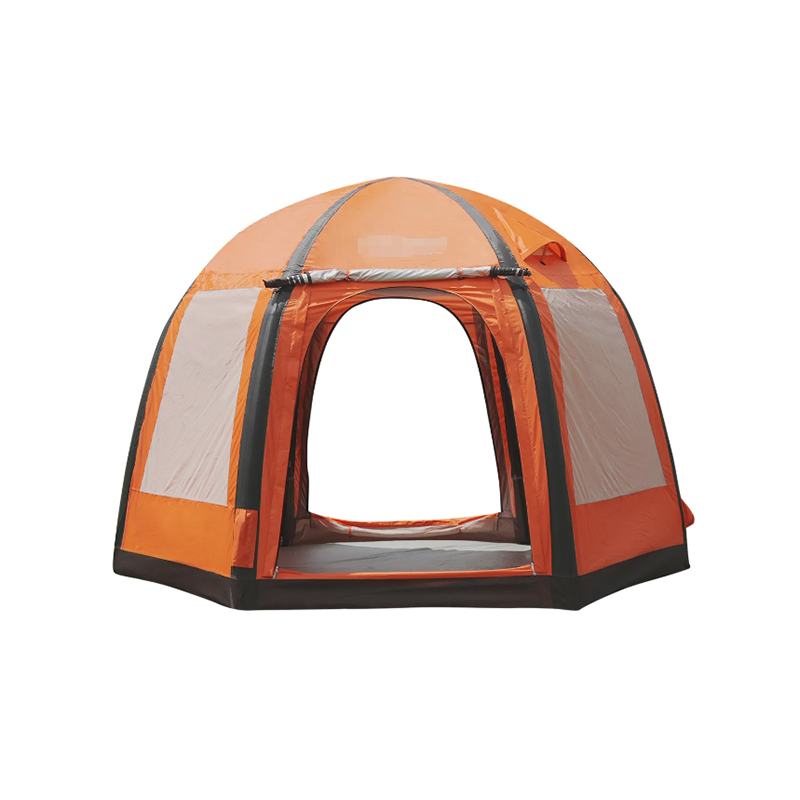
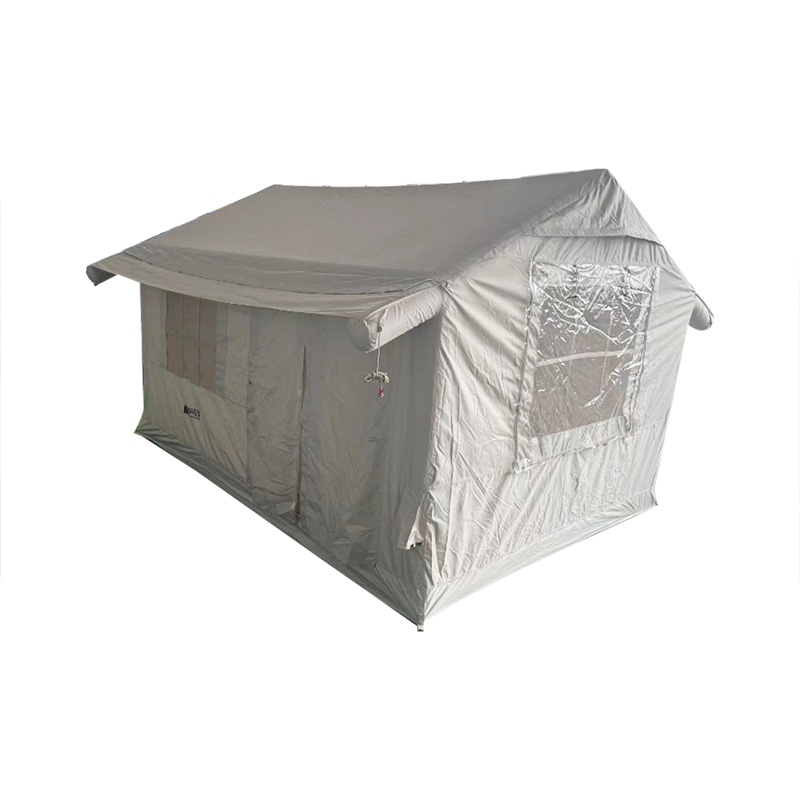
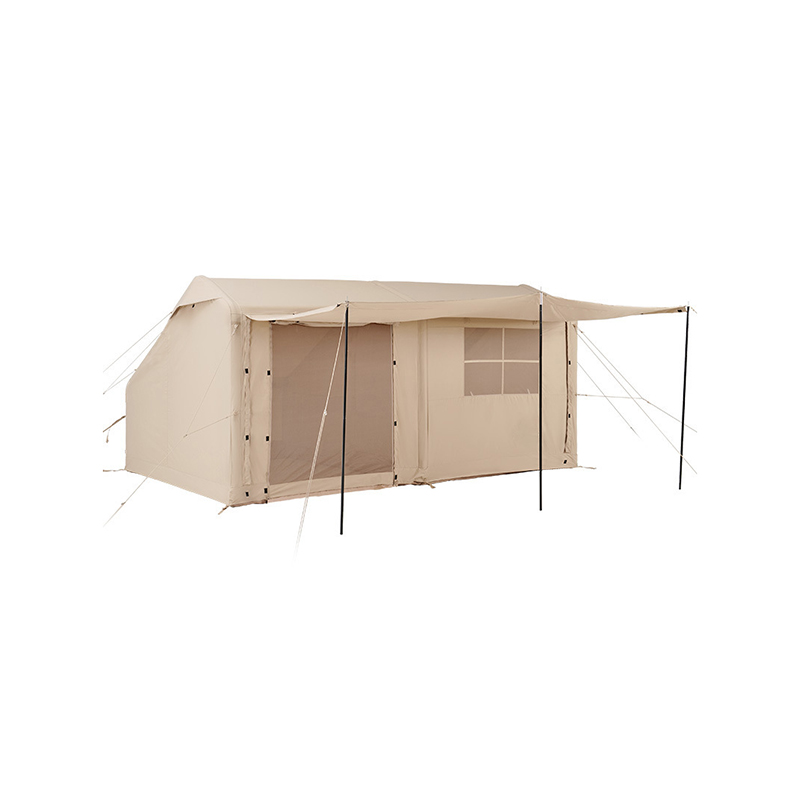
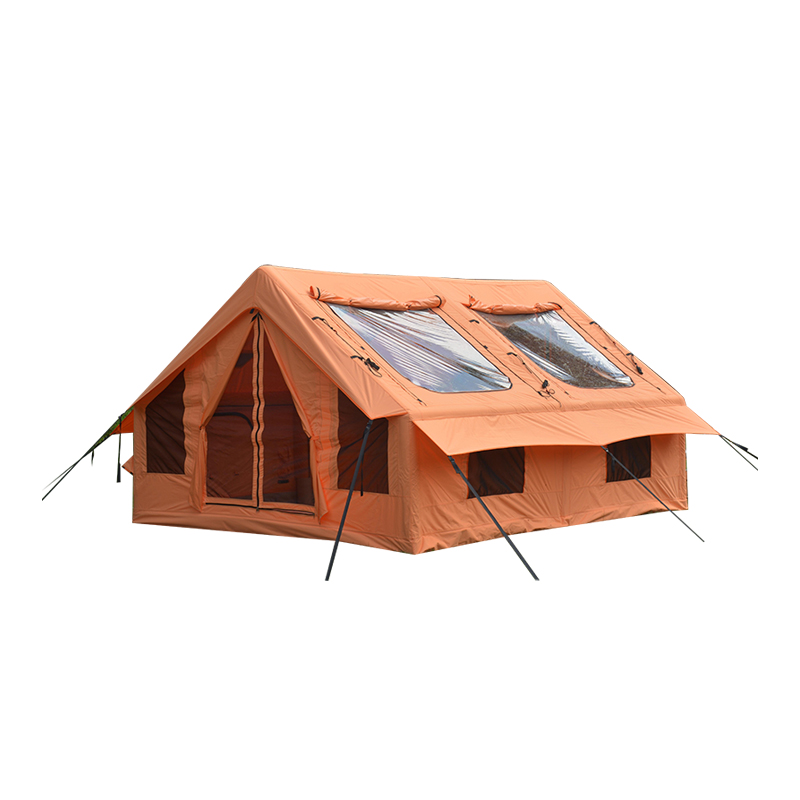
中文简体Hemispherical Inflatable Tent 2 Doors 4 Windows

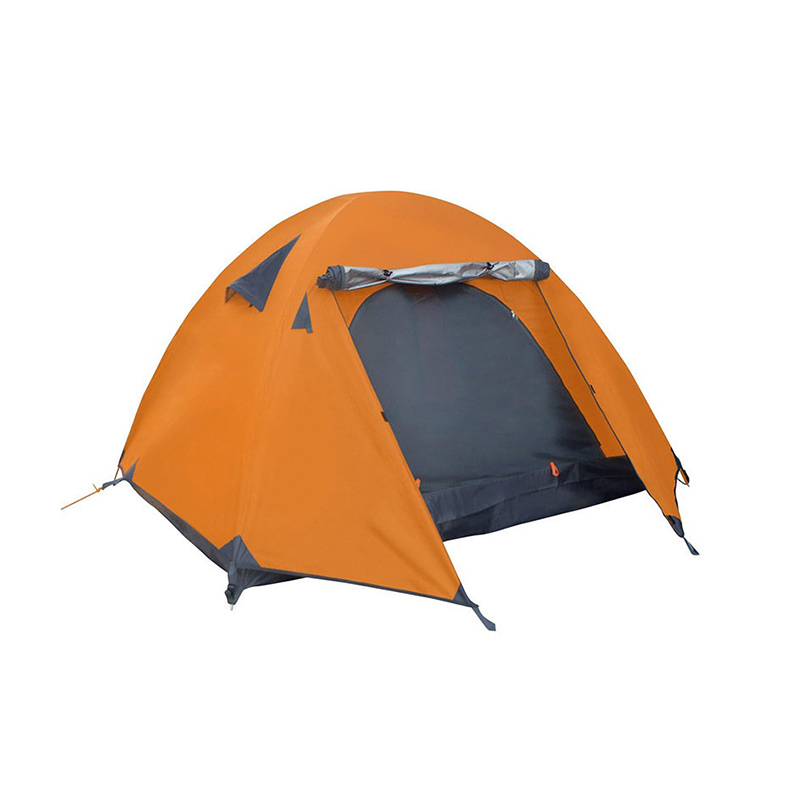
Aerodynamic Spherical Structure Design of the Quick-Open Outdoor Spherical Tent: The Quick-Open Outdoor Spherical Tent ensures structural stability in strong winds and extreme weather conditions primarily through its aerodynamic spherical or geodesic design, which minimizes wind resistance by allowing airflow to move smoothly around the structure rather than creating pressure points. Unlike traditional rectangular or peaked tents that experience concentrated wind loads on flat surfaces, the curved geometry of the Quick-Open Outdoor Spherical Tent distributes external forces evenly across the entire framework. This reduces the likelihood of structural deformation, tipping, or localized stress failure during high-wind events. The spherical configuration also enhances the tent’s ability to withstand multi-directional wind forces, making it highly suitable for unpredictable outdoor environments such as mountainous regions, coastal areas, or open fields. Additionally, the self-supporting design eliminates dependence on central poles, improving overall balance and structural integrity while maintaining reliable performance under severe environmental stress.
Reinforced Frame Construction and Load-Bearing Capacity of the Quick-Open Outdoor Spherical Tent: The Quick-Open Outdoor Spherical Tent achieves high structural stability through the use of reinforced structural frameworks designed to withstand significant mechanical loads and environmental pressures. The frame is typically constructed from high-strength materials such as aluminum alloy or galvanized steel, which provide excellent resistance to corrosion, fatigue, and deformation under extreme weather conditions. These materials offer a high strength-to-weight ratio, allowing the structure to remain lightweight for quick deployment while maintaining strong load-bearing capacity. The interconnected frame members create a rigid support system that effectively distributes wind loads, snow accumulation weight, and rainwater pressure throughout the structure. Additionally, reinforced joints and locking mechanisms ensure secure connections between structural components, preventing loosening or structural instability caused by vibration, wind movement, or repeated use, thereby supporting long-term operational reliability.
Advanced Anchoring and Ground Fixation Systems of the Quick-Open Outdoor Spherical Tent: The Quick-Open Outdoor Spherical Tent incorporates advanced anchoring systems to maintain stability and prevent displacement during extreme weather conditions such as strong winds or heavy storms. These anchoring mechanisms typically include high-strength ground stakes, weighted bases, tension cables, and reinforced tie-down points strategically positioned to secure the structure firmly to the ground. The anchoring system distributes tensile forces evenly and prevents lifting, shifting, or collapse under high wind pressure. In challenging terrains such as sand, snow, or rocky surfaces, specialized anchoring solutions may be used to enhance grip and stability. Additionally, the tent’s tensioning system ensures that the fabric covering remains tightly secured to the frame, reducing flapping or material stress that could compromise structural integrity. This comprehensive ground fixation strategy significantly enhances safety and reliability in harsh outdoor environments.
Waterproofing and Drainage Performance of the Quick-Open Outdoor Spherical Tent: The Quick-Open Outdoor Spherical Tent is designed with advanced waterproofing and drainage features to maintain structural stability and interior protection during heavy rain or prolonged exposure to moisture. The outer covering is typically constructed from high-density, waterproof materials such as PVC-coated polyester or specialized composite fabrics that prevent water penetration while maintaining flexibility and durability. The spherical shape naturally facilitates efficient water runoff, preventing rainwater from pooling on the surface and reducing the risk of structural stress caused by accumulated weight. Seam sealing technologies and reinforced stitching further enhance water resistance by eliminating potential leakage points. Integrated drainage channels and properly designed surface angles ensure rapid removal of water from the tent exterior, protecting both the structural framework and internal environment from moisture-related damage.
Weather-Resistant Material Technology of the Quick-Open Outdoor Spherical Tent: The Quick-Open Outdoor Spherical Tent ensures long-term resistance to extreme weather through the use of advanced material technologies specifically engineered for outdoor durability. The fabric enclosure features UV-resistant coatings that protect against prolonged solar exposure, preventing material degradation, discoloration, and loss of mechanical strength over time. Flame-retardant treatments and temperature-resistant properties allow the tent to maintain structural performance under both high heat and freezing conditions. The materials exhibit strong tear resistance and flexibility, enabling them to withstand repeated stress from wind movement or environmental changes without compromising structural stability. Corrosion-resistant coatings applied to metal components further protect the frame from humidity, rain, and environmental wear, ensuring consistent performance and long-term reliability even in harsh climates.
Integrated Tension Distribution and Structural Reinforcement of the Quick-Open Outdoor Spherical Tent: The Quick-Open Outdoor Spherical Tent enhances stability through carefully engineered tension distribution systems that maintain consistent structural balance across all components. The design incorporates evenly distributed stress points, reinforced connectors, and optimized structural angles that allow external forces to be absorbed and dispersed efficiently throughout the framework. This balanced tension system prevents localized overloading and reduces the risk of structural fatigue or component failure during extreme weather events. The tent’s flexible yet strong framework allows slight adaptive movement under external pressure, which helps absorb shock from wind gusts or environmental impact without causing permanent damage. This combination of rigidity and controlled flexibility ensures that the structure remains stable, secure, and operational even under demanding environmental conditions.