

 English
 中文简体
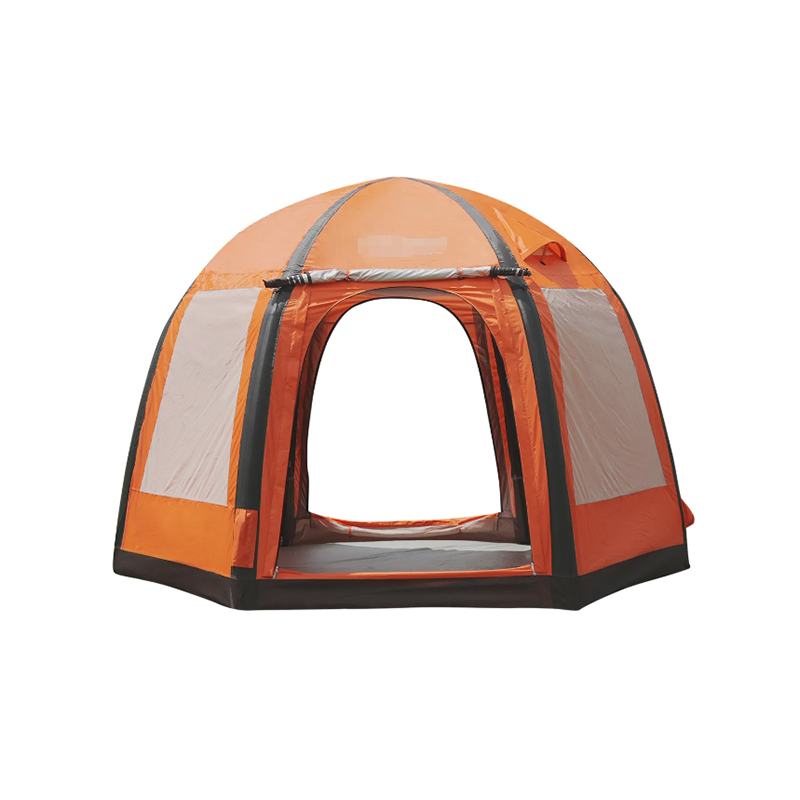
中文简体Hemispherical Inflatable Tent 2 Doors 4 Windows

The ventilation system in a Camping Tent is highly effective at preventing condensation when designed with multiple vents, mesh panels, and adjustable airflow paths. Proper ventilation can reduce interior moisture by up to 50-70% compared to tents with minimal airflow, ensuring a dry, comfortable camping experience even in humid or cold conditions.
Condensation forms inside a tent when warm, humid air from occupants' breath, sweat, or wet gear meets cooler surfaces, typically the tent walls or rainfly. This can lead to wet sleeping bags, damp clothing, and an uncomfortable camping experience. Recognizing the causes of condensation helps in evaluating the effectiveness of a tent’s ventilation system.
Common factors contributing to condensation include:
An effective Camping Tent ventilation system includes the following elements:
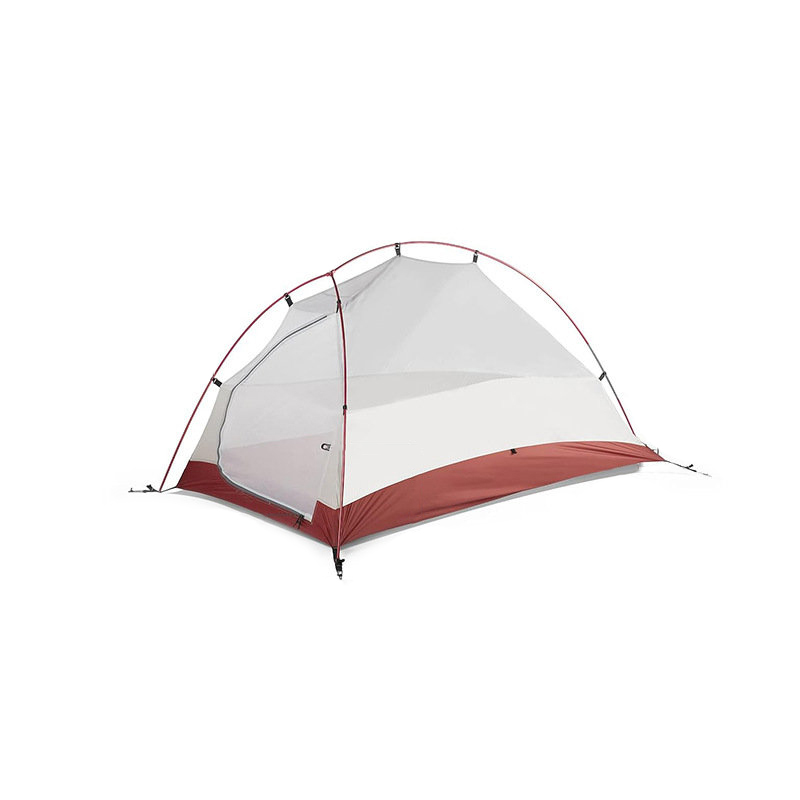
Mesh panels in the walls and doors allow air circulation while keeping insects out. High-quality tents often include full-mesh inner walls, which provide consistent airflow and reduce condensation significantly.
Top and bottom vents with adjustable flaps allow campers to control the airflow according to weather conditions. Proper placement of these vents creates a chimney effect, enabling warm air to escape from the top while cooler air enters from the bottom.
A well-designed rainfly extends beyond the tent body and creates space for airflow. Tents with rainfly gaps or elevated fly vents prevent moisture accumulation between the fly and tent walls, which is a common source of condensation.
Field tests conducted by camping gear reviewers demonstrate that tents with dual vents, full-mesh walls, and adjustable rainflies show dramatically lower condensation levels. For instance, a three-person tent with these features recorded 0.3 liters of water accumulation overnight in humid conditions, compared to 1.2 liters in a tent without adequate ventilation.
Additionally, backpacking tents with lightweight mesh roofs and adjustable vestibules show superior moisture control while remaining lightweight for mobility.
| Tent Type | Vents | Mesh Coverage | Condensation Level |
|---|---|---|---|
| Backpacking Tent | Dual adjustable vents | Full mesh inner walls | Low |
| 3-Person Family Tent | Top and side vents | Partial mesh | Medium |
| Budget Dome Tent | Single vent | Minimal mesh | High |
Proper ventilation in a Camping Tent is essential for comfort, safety, and overall tent performance. A tent with dual vents, mesh panels, and a well-designed rainfly minimizes condensation, ensures dry gear, and improves sleep quality. By understanding the features and using strategic airflow management, campers can reduce interior moisture significantly, even in challenging weather conditions.
Investing in a tent with a thoughtful ventilation system not only enhances comfort but also extends the lifespan of the tent materials by preventing mold and mildew caused by trapped moisture.