

 English
 中文简体
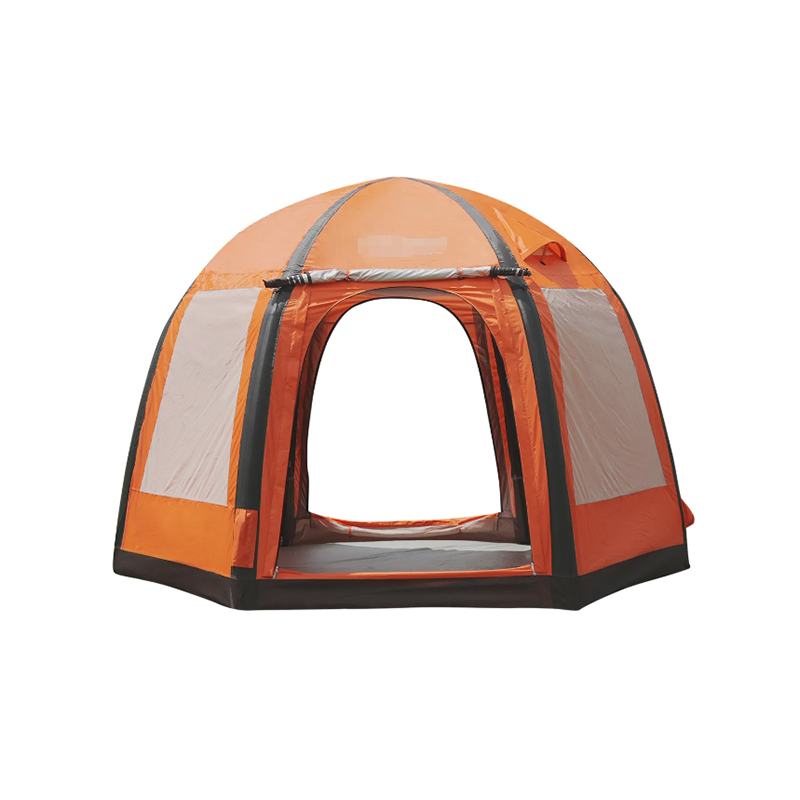
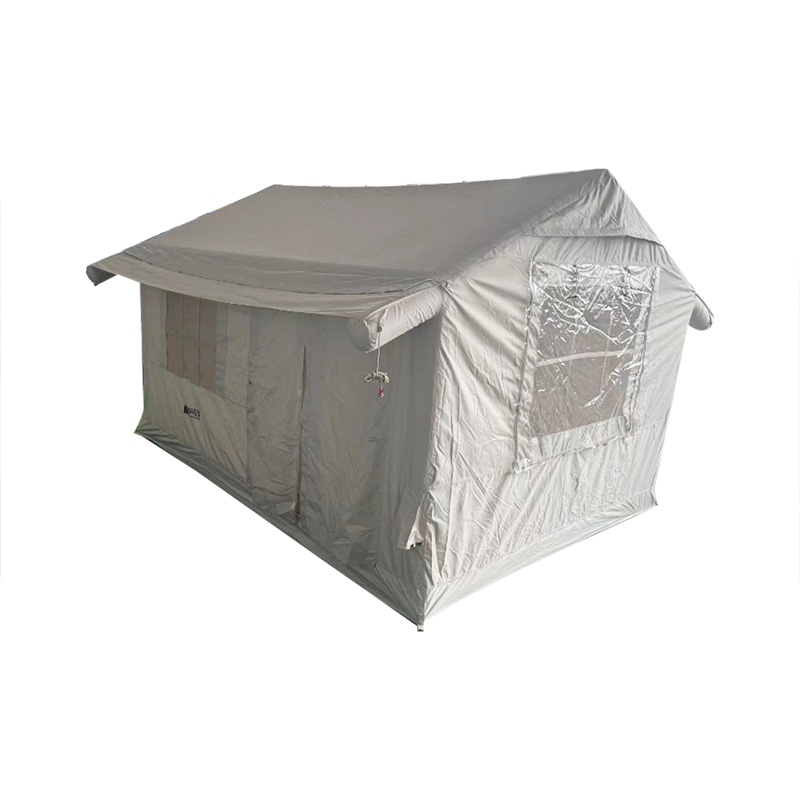
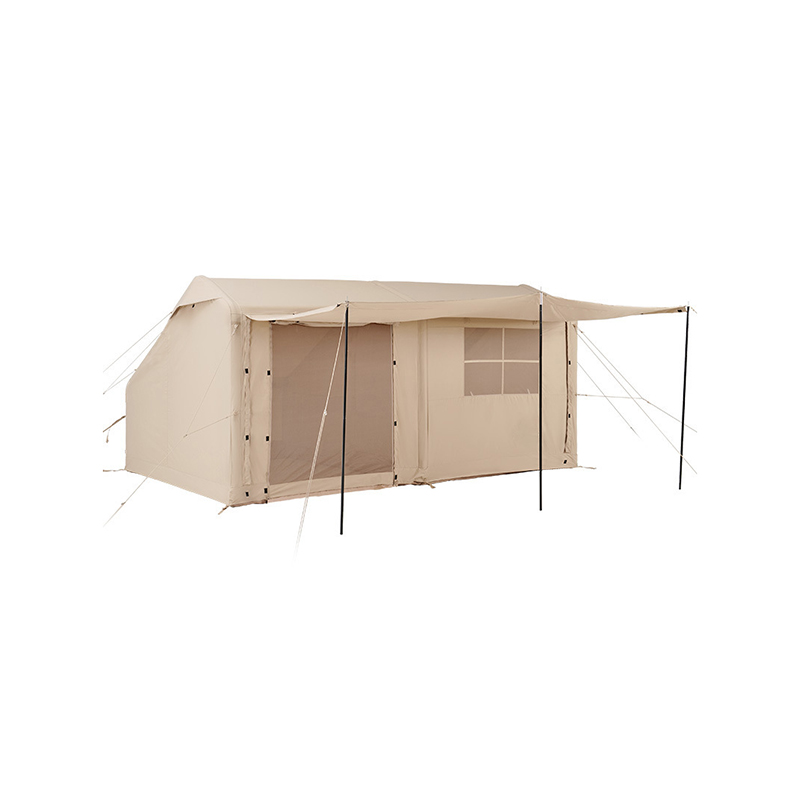
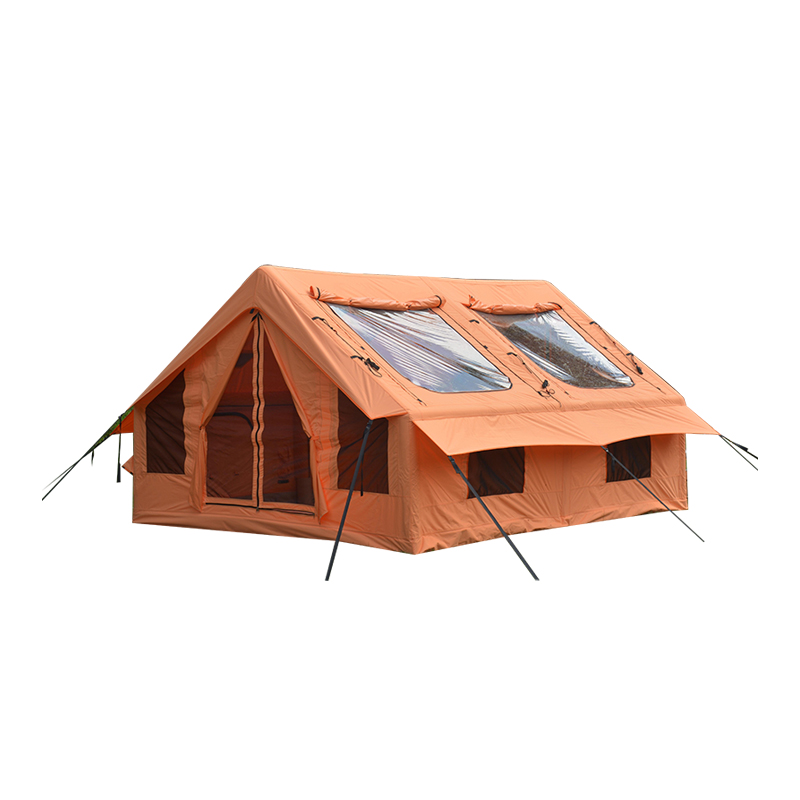
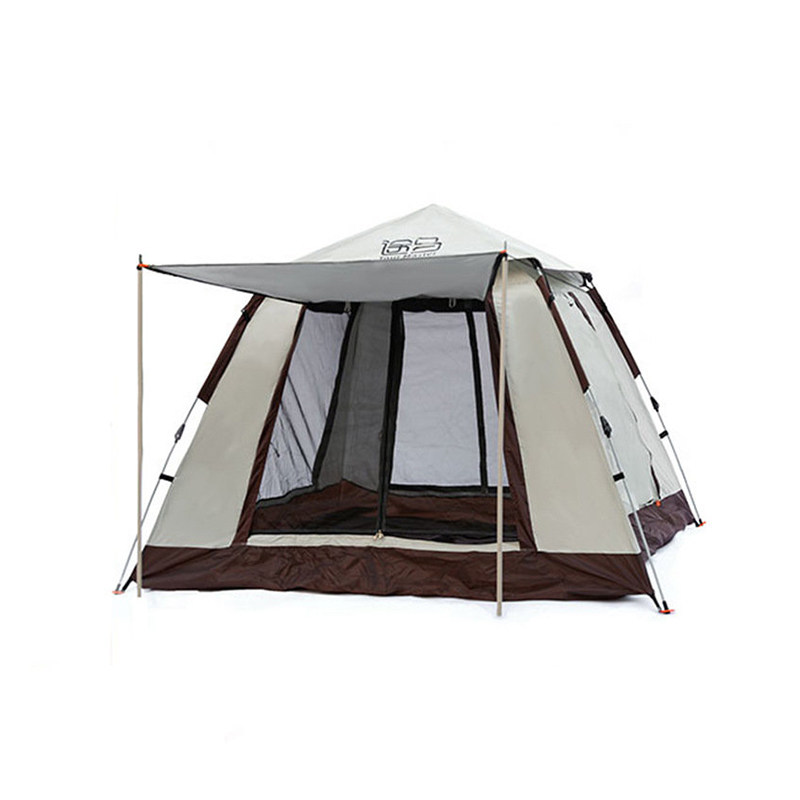
中文简体Hemispherical Inflatable Tent 2 Doors 4 Windows

Ventilation in the LIGHT ROOF TENT works through a combination of strategically placed mesh windows, adjustable vents, and breathable fabric materials that promote continuous airflow. The system is designed to reduce condensation, regulate internal temperature, and maintain fresh air circulation even when the tent is fully closed. This ensures a comfortable sleeping environment across a wide range of climates and conditions.
The LIGHT ROOF TENT uses passive ventilation principles rather than mechanical systems. This means airflow is achieved naturally through pressure differences and temperature gradients.
This design allows for continuous air exchange without requiring power, making it ideal for off-grid camping scenarios.
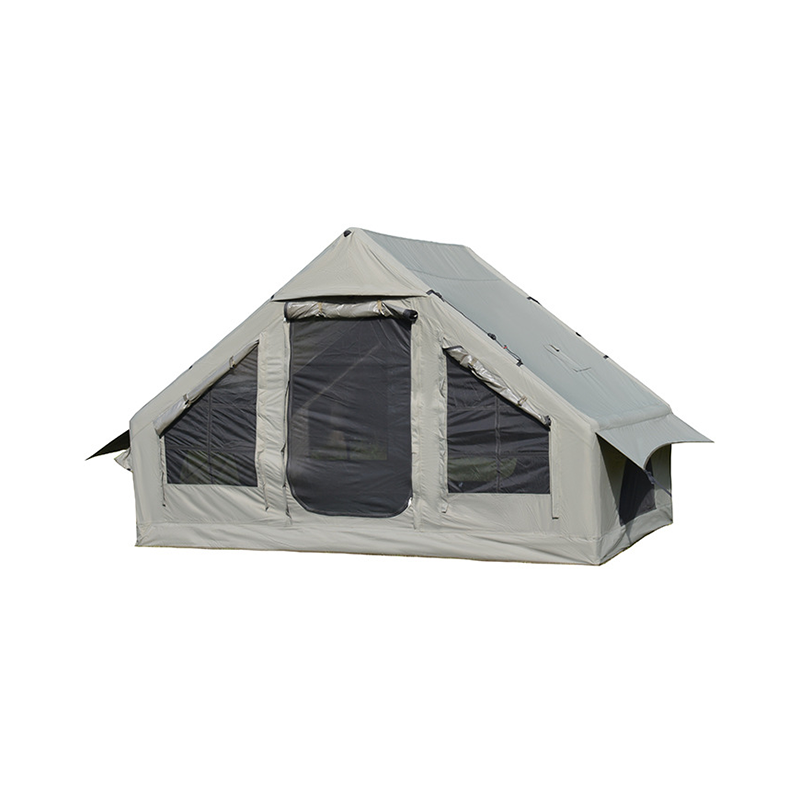
Mesh windows are a primary component of the LIGHT ROOF TENT ventilation system. These panels allow air to flow freely while keeping insects and debris out.
The mesh density is optimized to balance airflow and protection, ensuring usability in various environments.
Adjustable vents allow users to control airflow based on weather conditions. These vents are typically located at the top and sides of the tent.
Users can fine-tune ventilation levels depending on temperature, humidity, and wind conditions, improving overall comfort.
Condensation occurs when warm, moist air inside the tent meets cooler surfaces. The LIGHT ROOF TENT addresses this through effective airflow management.
| Condition | Condensation Level | Comfort Rating |
|---|---|---|
| Poor Ventilation | High | Low |
| Optimized Ventilation | Low | High |
Effective ventilation can reduce internal humidity by up to 40%, significantly improving sleep quality and preventing moisture buildup.
The materials used in the LIGHT ROOF TENT also contribute to ventilation performance. Breathable fabrics allow moisture vapor to escape while blocking water ingress.
Material selection directly affects both ventilation efficiency and long-term comfort.
In warm climates, maximum ventilation is achieved by opening all mesh panels and vents, allowing heat to escape efficiently.
In colder conditions, partial closure of vents helps retain warmth while still allowing minimal airflow to prevent condensation.
Rainflies and angled vent designs ensure that airflow continues even during precipitation without water intrusion.
To get the best performance from the LIGHT ROOF TENT ventilation system, users should follow practical strategies:
Proper usage can significantly enhance airflow efficiency and reduce discomfort.
Ventilation is a critical factor in the overall performance of the LIGHT ROOF TENT. Through a combination of mesh panels, adjustable vents, and breathable materials, the system ensures consistent airflow and moisture control.
A well-ventilated roof tent not only improves comfort but also extends the lifespan of the tent by preventing mold and material degradation. For users seeking reliable, all-weather camping solutions, understanding and utilizing the ventilation system is essential.