

 English
 中文简体
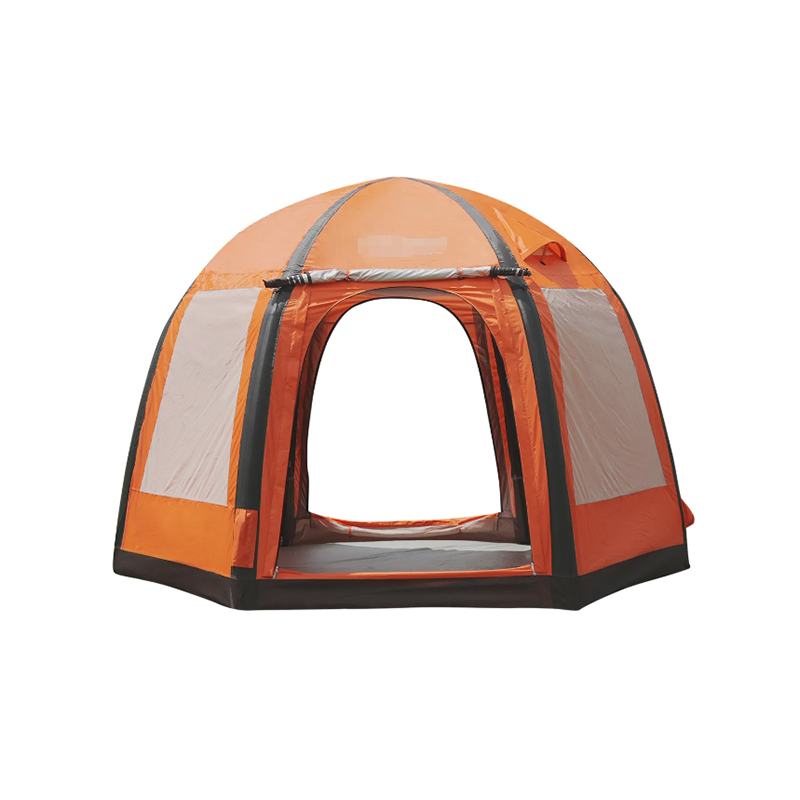
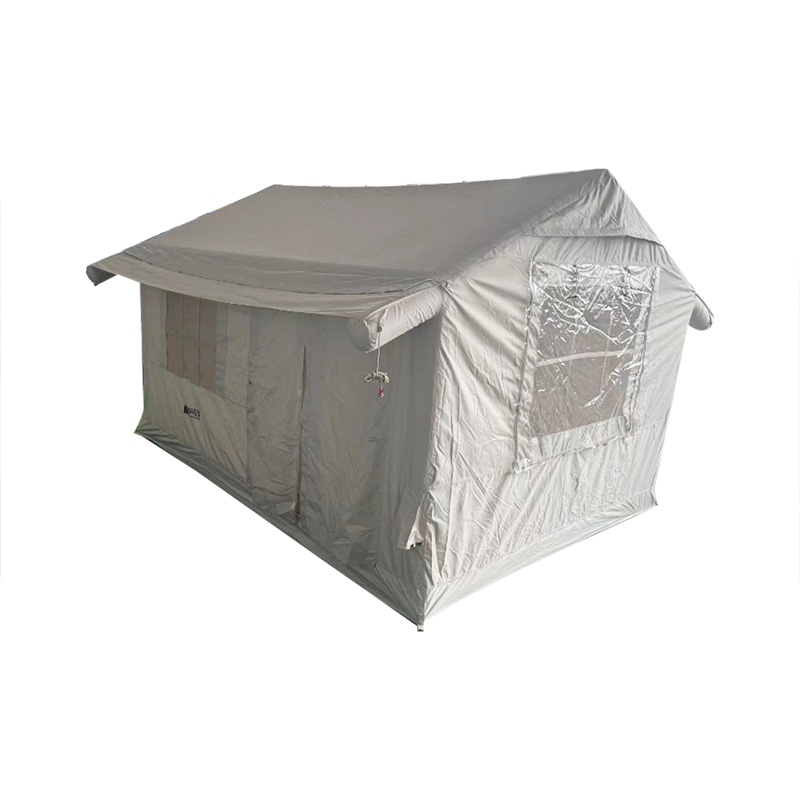
中文简体Hemispherical Inflatable Tent 2 Doors 4 Windows

On a frozen lake in early February, an inflatable tent with a stove jack kept four ice fishermen warm and dry for six nights while temperatures dropped to -22°C. The air columns held pressure, the fly sheet shed snow without sagging, and the interior stayed free of frost despite the stove cycling through the night. That outcome was not luck; it was the result of choosing an inflatable tent designed for winter, not merely for fair-weather camping. After years of building inflatable tents for export and testing how different materials behave in freezing conditions, the conclusion is straightforward: a correctly specified inflatable tent can outperform a pole tent of the same size in snow, wind, and sub-zero temperatures. But the margin for error is thinner than many buyers expect.
The design simplicity is exactly what makes an inflatable tent viable in winter. Instead of fiberglass or aluminum poles that lose flexibility in extreme cold and can snap at the joints under snow load, an inflatable tent relies on sealed air columns that maintain continuous structural tension. Pressure inside the columns does drop as temperatures fall, but a properly inflated PVC or TPU column retains enough rigidity to support snow and resist gusty wind.
These advantages matter most when you are not moving camp daily. A winter basecamp tent, set up and left in place for several days, benefits from air columns that keep even pressure across the full frame throughout the freeze-thaw cycle.
The air column material determines whether a tent survives its second winter. PVC air columns are the most common choice for larger winter tents because they combine tensile strength with low-temperature flexibility when formulated correctly. TPU columns offer a higher strength-to-weight ratio and better performance in extreme cold, which is why they appear in premium expedition tents. Both materials should be verified against their rated minimum operating temperature before purchase.
One fact that surprises first-time buyers is that air pressure decreases by roughly 0.1 bar for every 10°C drop in temperature. A tent inflated to 0.8 bar at 20°C will read closer to 0.5 bar at -30°C. That remains well within normal operating range for a quality inflatable tent and explains why PVC air columns contribute to structural integrity even in severe cold: they are designed to maintain stability across a wide pressure window rather than at one specific value.
What matters is not exact pressure but the column's rated low-temperature range and resistance to material fatigue over repeated cold inflation cycles. A column that stays flexible at -30°C absorbs wind gusts and shifting snow. One that stiffens will eventually crack. This is the most common point of failure among low-grade inflatable tents used in winter.
Cold air holds less moisture than warm air, yet condensation is the top complaint among winter campers. The cause is the temperature difference between the warm interior and the cold shell. When you breathe, cook, or run a wood stove, warm moist air reaches the cold fabric and releases moisture as frost or dripping water.
A single-layer inflatable tent will condense far more than a double-wall design. For winter camping, the tent needs a ventilation strategy, not just a vent flap. Look for adjustable vents positioned high on the walls, a stove jack that seals fully when the stove is not running, and a floor that prevents meltwater from seeping in through the entrance. The way inflatable camping tents handle condensation is one of the clearest indicators of whether a model was engineered for cold weather or simply marketed that way.
In practice, a well-vented inflatable tent with a stove jack stays drier than a pole tent with the same floor area. Sealed air columns also insulate better than bare aluminum poles, which conduct cold into the interior. That difference directly affects fuel consumption when you are trying to keep a tent warm overnight.
The table below compares how inflatable and traditional pole tents perform on the factors that matter most for winter camping.
| Factor | Inflatable Tent | Pole Tent |
|---|---|---|
| Setup in freezing weather | Inflation with pump; no pole assembly | Pole sleeves and clips stiffen in cold |
| Wind stability | Continuous air pressure distributes load | Good, but joints fatigue over time |
| Snow load handling | Rounded, taut surfaces shed snow | Flat panels can pond under wet snow |
| Typical cold failure | Slow pressure loss from a leak | Pole snapping at a joint |
| Field repair | Seal puncture or replace inner column | Splint or replacement pole section |
| Weight | Heavier for the same interior space | Generally lighter |
| Stove compatibility | Stove jack can be integrated into the shell | Stove jack possible with cutout |
Neither design is inherently better in every situation. The inflatable wins on setup speed, wind stability, and repair simplicity. The pole tent wins on weight for backpacking. For basecamp-style winter camping, where weight matters less than reliability, the inflatable structure has the edge.
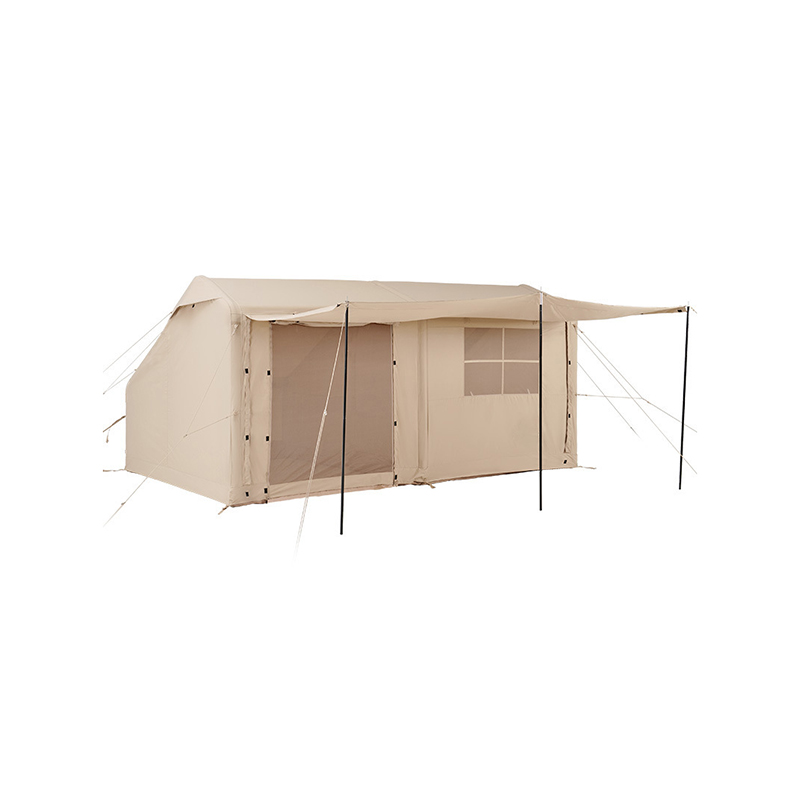
Winter camping demands interior volume because you need space for a stove, dry storage, and thick clothing layers. A large inflatable family tent with reinforced PVC air columns provides the sleeping and living space that a winter basecamp requires. Family-size inflatable tents in the 4-meter to 6-meter range offer standing headroom, which becomes important when you are dressed in multiple insulated layers.
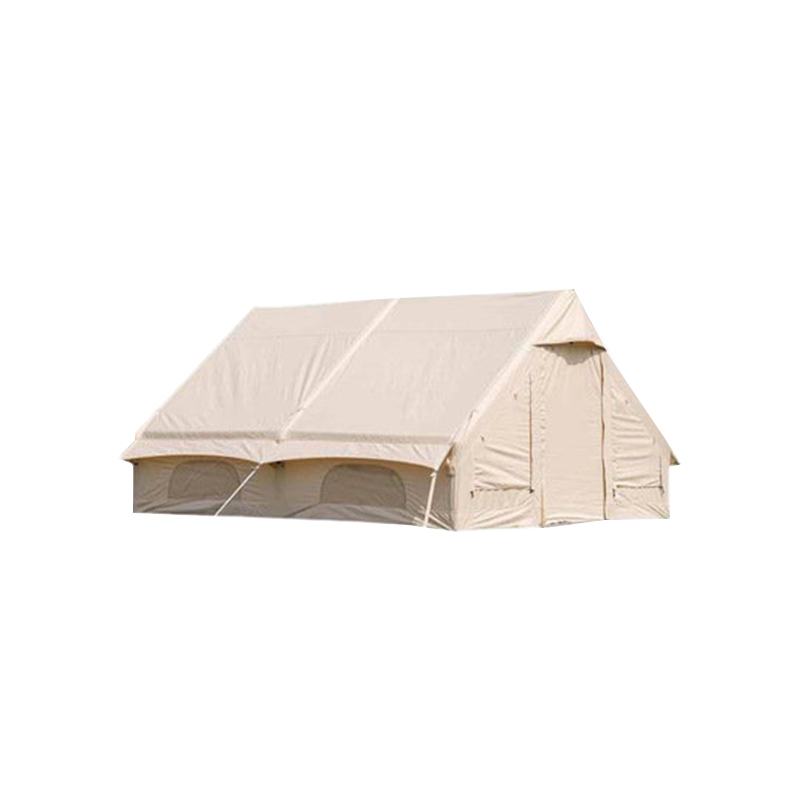
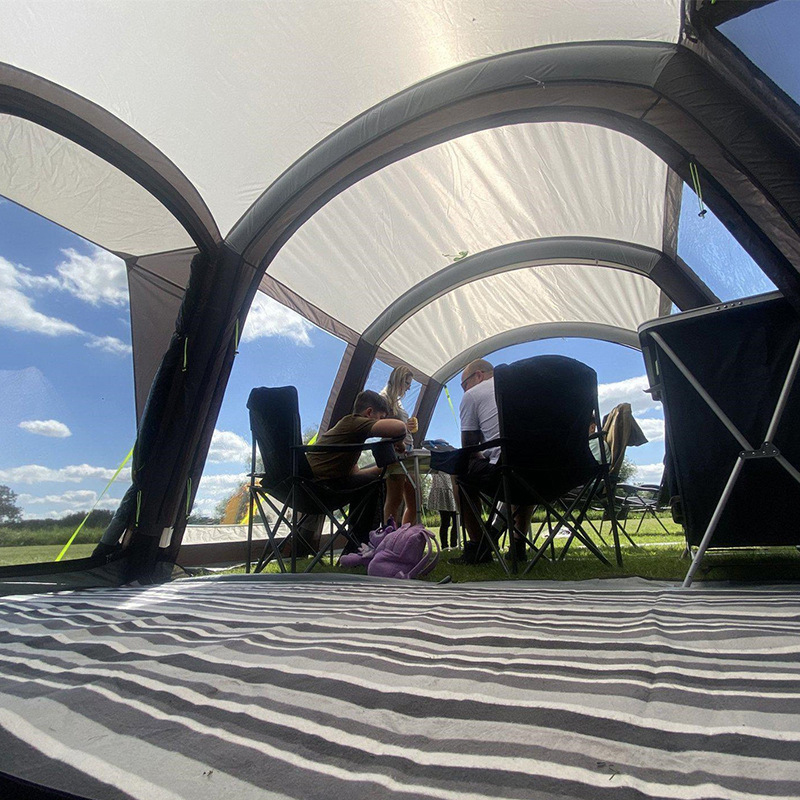 Wholesale Inflatable Family Tent Suppliers, Factory - Nordic Kamping Outdoor PrNordic Kamping Outdoor Products(Ningbo)Co., Ltd. is China wholesale Inflatable Family Tent factory and Inflatable Family Tent suppliers,...View Product →
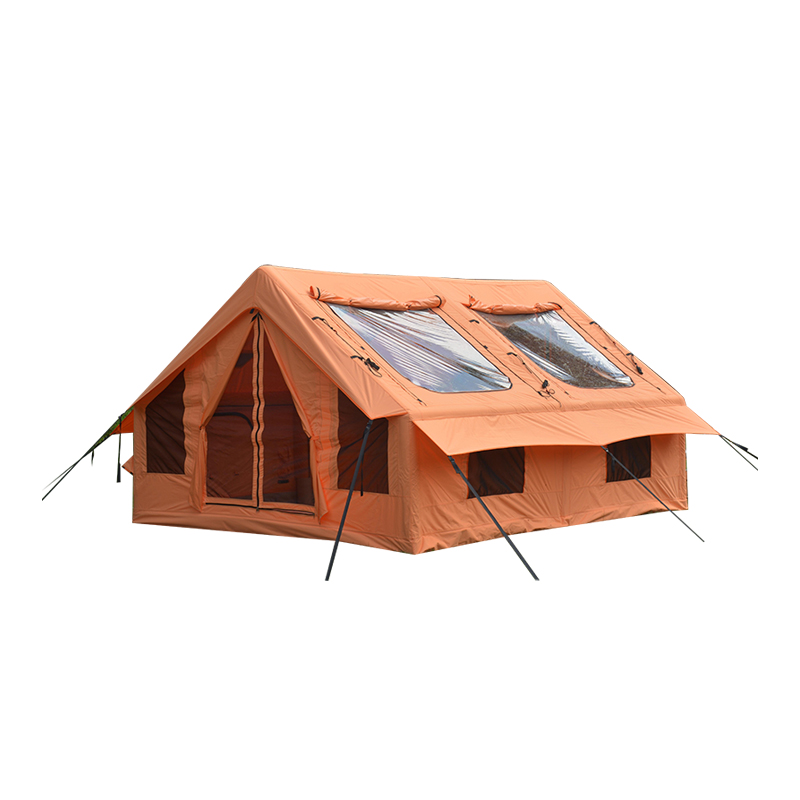
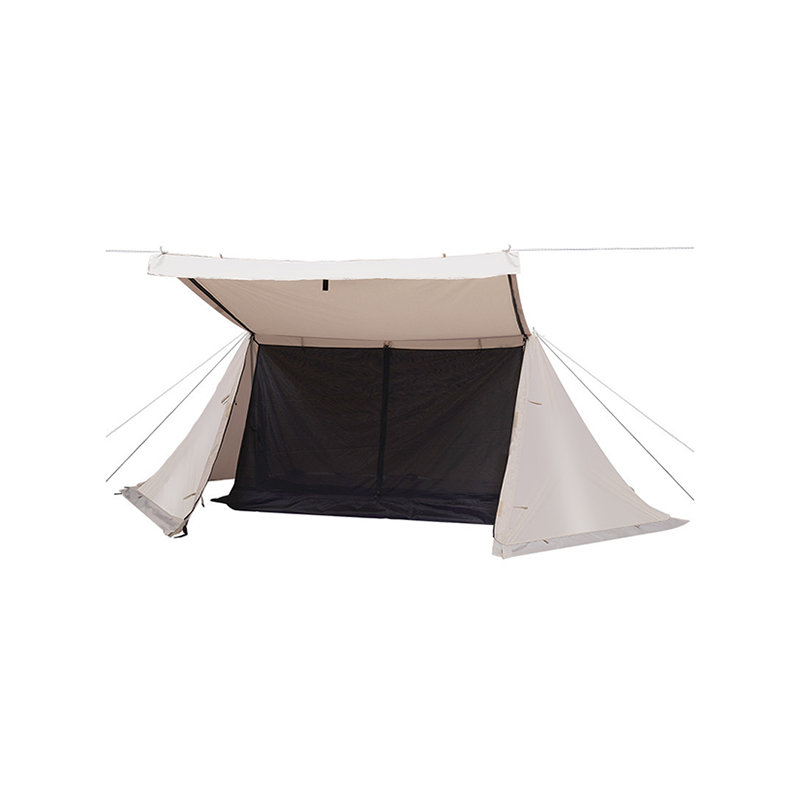
For exposed ridges or sustained winds, a tunnel-shaped inflatable tent with multiple air arches is harder to beat. The tunnel profile presents a narrow face to the prevailing wind, and the air arches create a frame that handles gusty conditions with less guying. If you prefer a proven all-round shape, a sturdy inflatable ground tent designed for all-season camping is a practical shortlist option for groups that rotate between summer and winter trips.
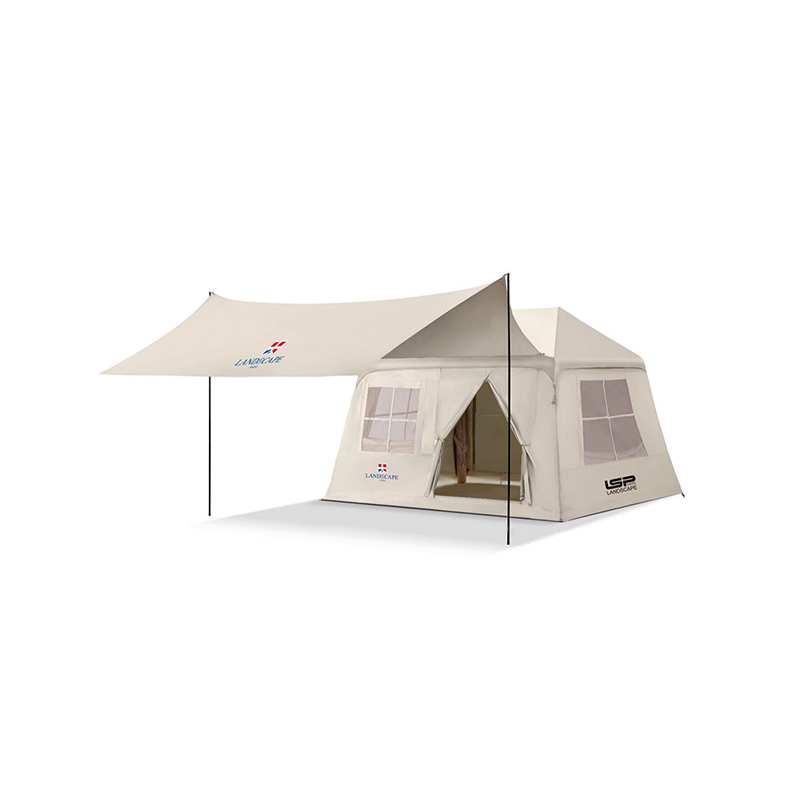
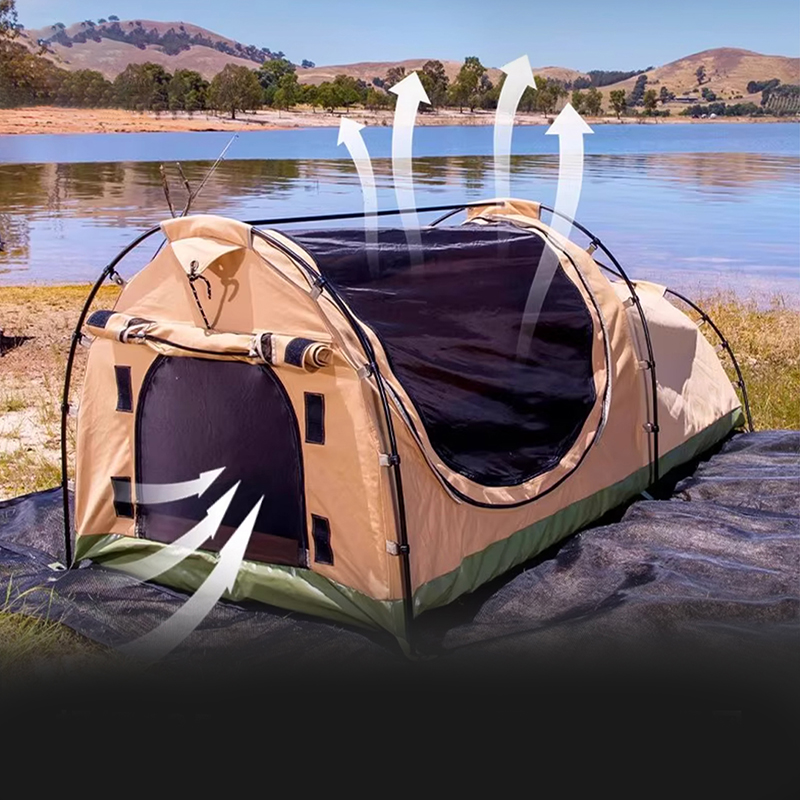 Wholesale Outdoor Camping Ground Tent Suppliers, Factory - Nordic Kamping OutdoNordic Kamping Outdoor Products(Ningbo)Co., Ltd. is China wholesale Outdoor Camping Ground Tent factory and Outdoor Camping Ground Tent ...View Product →
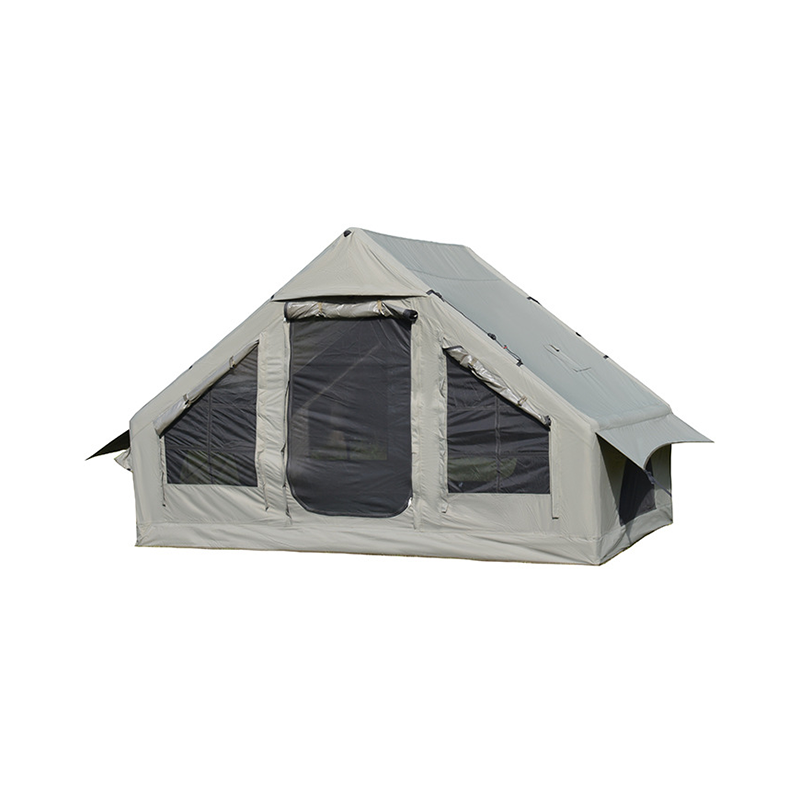
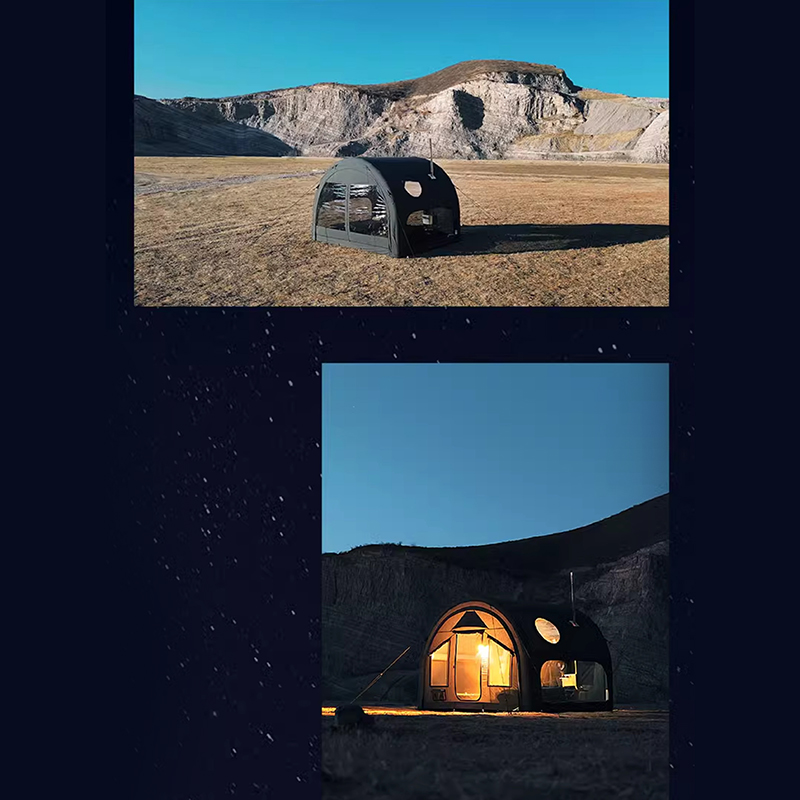 Wholesale PVC integrated air column structure Inflatable Tunnel Tent Suppliers, Nordic Kamping Outdoor Products(Ningbo)Co., Ltd. is China wholesale PVC integrated air column structure Inflatable Tunnel Tent factory an...View Product →
Buyers evaluating inflatable tents for winter use, whether as individual campers or as sourcing professionals, should confirm five things:
The gap between a winter-capable inflatable tent and a summer tent that looks similar is enormous. The difference lies in material selection, seam sealing, pressure testing, and quality control. A factory that regularly produces cold-weather inflatable tents will test air columns at -30°C, verify seam strength under load, and document pressure retention at low temperatures. Those are the details that only surface when you work directly with a manufacturer instead of relying on product descriptions alone.
For companies evaluating inflatable tents for winter camping as a product category, factory experience matters. A manufacturer that builds inflatable tents across multiple categories already knows how PVC and TPU behave in extreme cold and can recommend the right configuration for specific snow loads and wind zones. That expertise is what separates a reliable product line from one that generates warranty claims.
Inflatable tents have moved from novelty to legitimate choice in the winter camping market. They offer a stable, dry, and comfortable basecamp in sub-zero temperatures when the air columns, fabric, and venting are specified with winter in mind. Whether you are planning a stove-heated weekend camp or building a product assortment for cold-weather customers, the same rule applies: verify the cold-weather engineering before you trust the tent with your season.