

 English
 中文简体
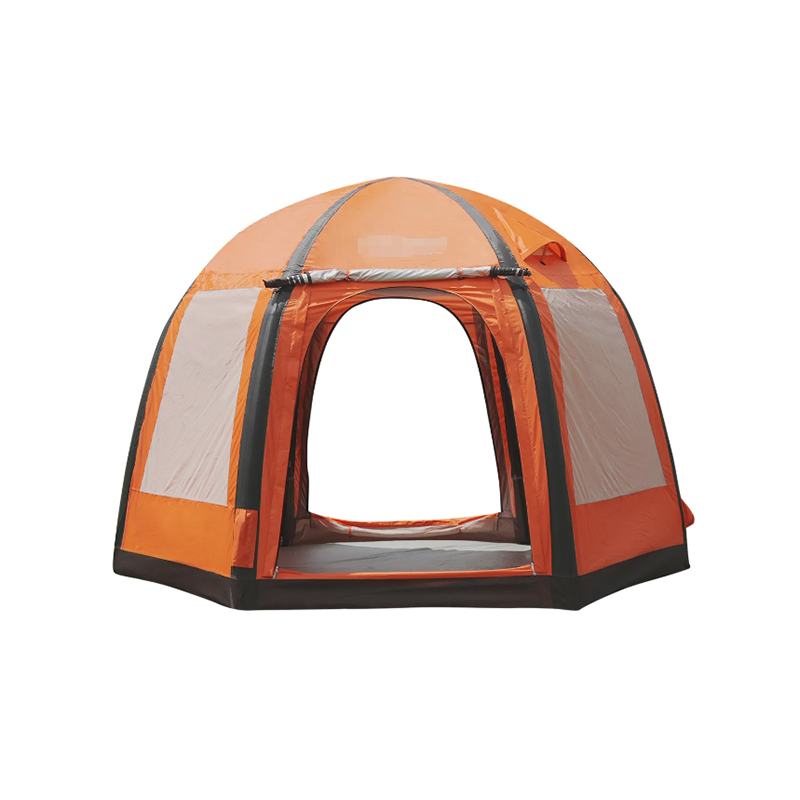
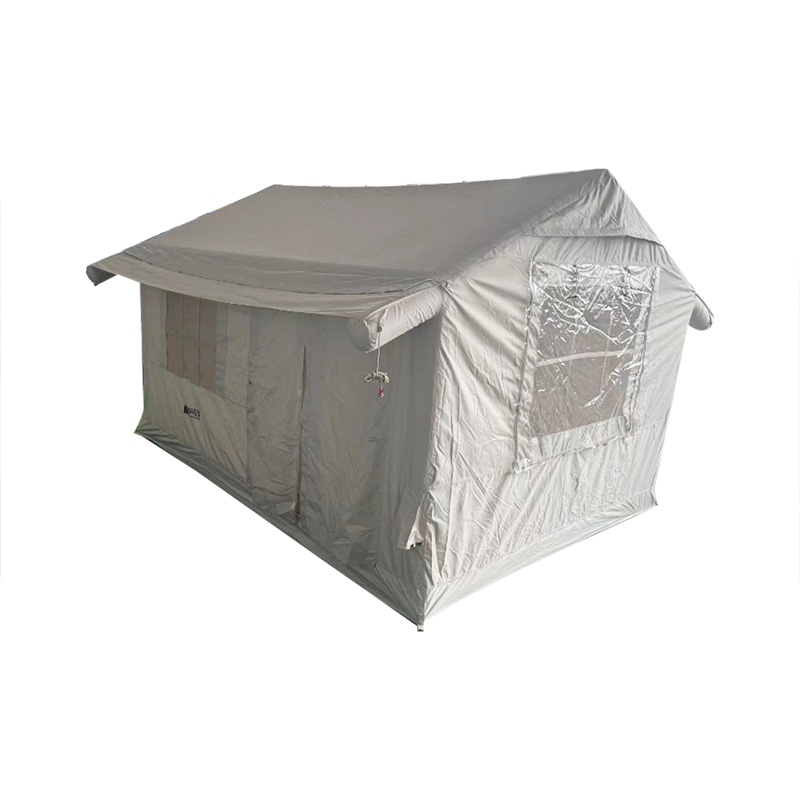
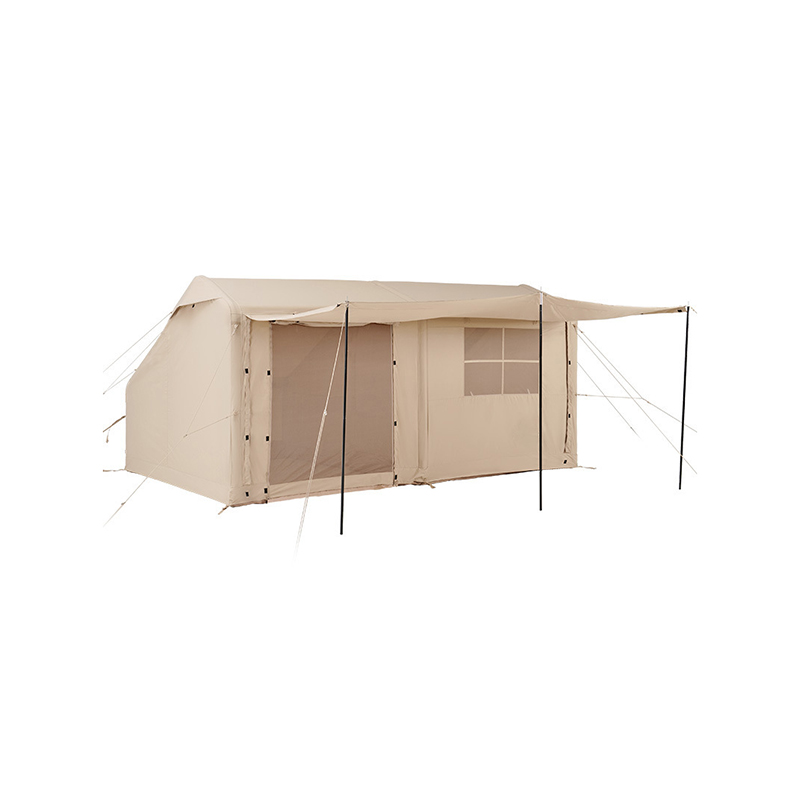
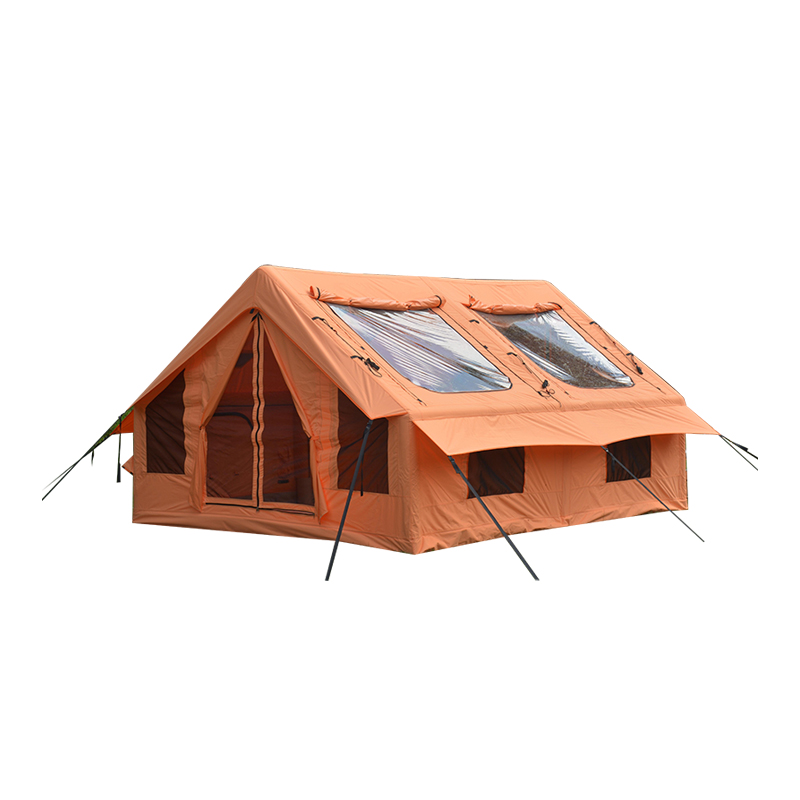
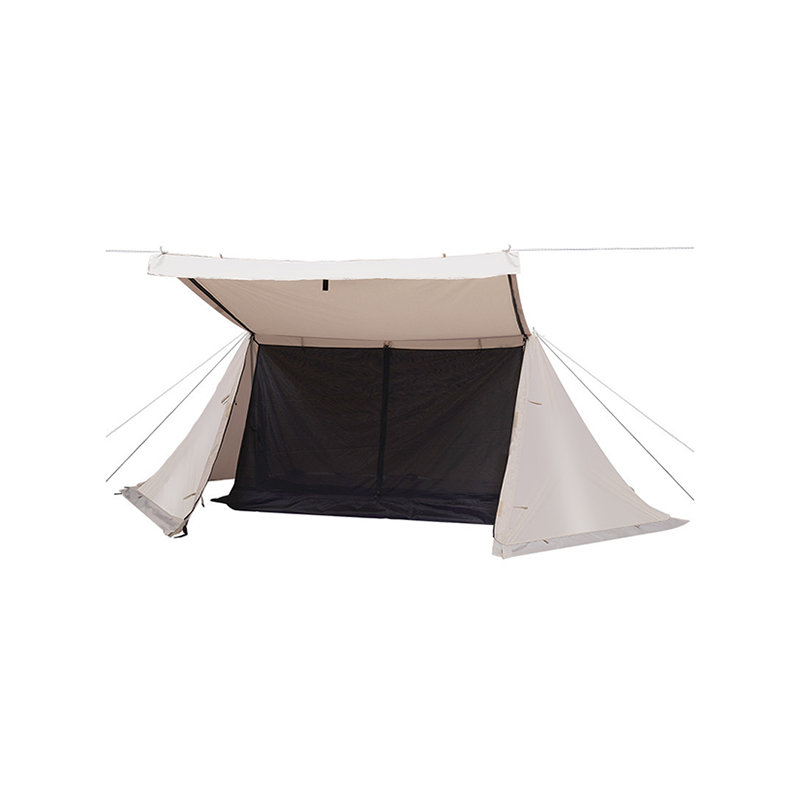
中文简体Hemispherical Inflatable Tent 2 Doors 4 Windows

Ten minutes after you arrive at camp, rain starts tapping on the fly. While your friends are still feeding poles through sleeves, your inflatable tent is already standing with sleeping pads laid out. That is the real appeal of an inflatable waterproof tent: you trade a few minutes of setup for shelter that handles wet weather. But not every inflatable tent is equally waterproof. The differences show up in air column material, seam sealing, floor construction, and ventilation. This guide explains which specs actually matter, why they matter, and how to match the tent to the way you camp.
The first thing to understand is that waterproof performance is not one number. It is a combination of decisions made during manufacturing.
Begin with hydrostatic head. A rating of 3,000 mm is a practical minimum for camping in steady rain; many serious family tents sit above that. The coating on the fly and the floor must handle standing water, especially if you pitch on grass or gravel. Taped or welded seams are just as important. A tent can have a great outer shell and still leak along stitch lines if the seams are not sealed.
Air columns themselves do not absorb water, but they carry the load. If the columns lose pressure, the whole canopy starts to sag and pooling water becomes a leak risk. That is why column quality and valve design count as waterproofing features, not just convenience. You can read more about how PVC air columns keep the structure stable in a high-wind or heavy-rain situation. The floor should also use a bathtub-style construction that raises the edge above ground level.
The air column is the backbone of any inflatable tent. PVC is the most common material in mainstream inflatable tents. It is stiff, abrasion-resistant, and relatively inexpensive. TPU is lighter and slightly more elastic, which can help with packing size and cold-weather flexibility, but it costs more. For most car camping and basecamp use, PVC is perfectly acceptable. For backpacking or trips where every kilogram matters, TPU earns the extra money.
| Attribute | PVC Air Column | TPU Air Column |
|---|---|---|
| Weight | Heavier | Lighter |
| Durability | Very durable against abrasion | Strong but more vulnerable to sharp objects |
| Cost | More budget-friendly | More expensive |
| Packed size | Larger when rolled | Compresses smaller |
| Repair | Simple patch kits | Similar repair, higher material cost |
When you see a price difference between two waterproof inflatable tents, air column material is usually the first reason. A family-sized tent with a large canopy is a good example of a product where PVC columns and a sewn-in floor make sense for long weekends. If that matches your setup, look for a model with a canopy that extends dry storage space beyond the sleeping area.
A "waterproof" rating alone is not enough. You need to evaluate the tent as a system. Focus on these points when comparing models:
Many campers overlook the pump. An integrated or separate pump that matches the valve and reaches rated pressure quickly will save you time and reduce frustration. Also check whether the tent comes with a repair kit and spare valve parts.
The best inflatable waterproof tent for you depends on how and where you camp. Here is a quick way to narrow the list.
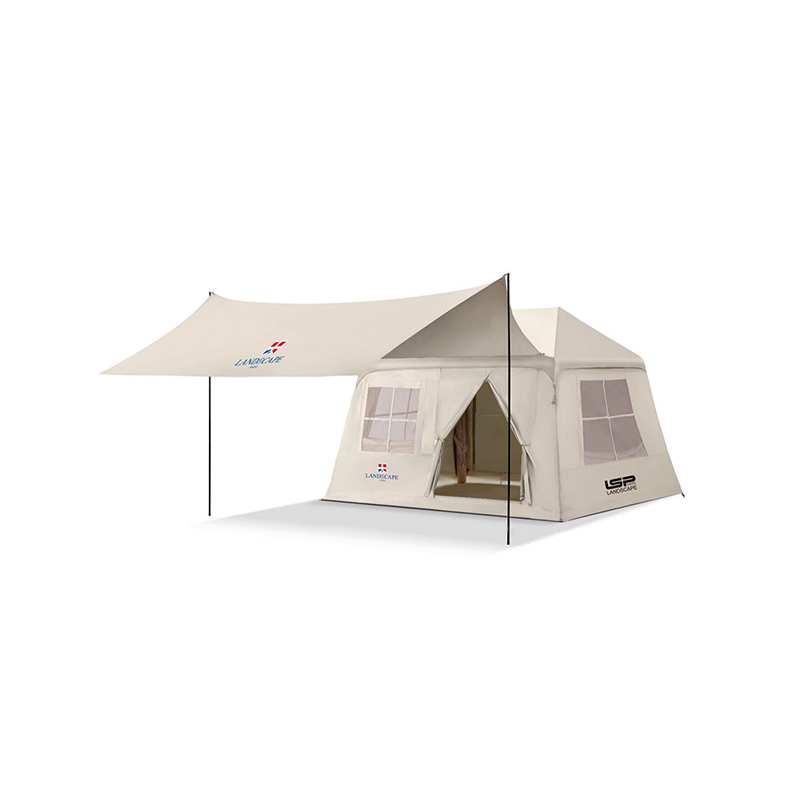
Family campsites are usually reached by car, so weight matters less than interior height, room dividers, and sheltered living space. A cabin-style or tunnel tent with a porch or canopy gives you a place to cook and store wet gear. The key is floor space plus a fly that extends past the door. A model like a 6.3-meter inflatable tent with a camping canopy can handle a family of four to six and keeps rainy-day clutter outside the sleeping area.
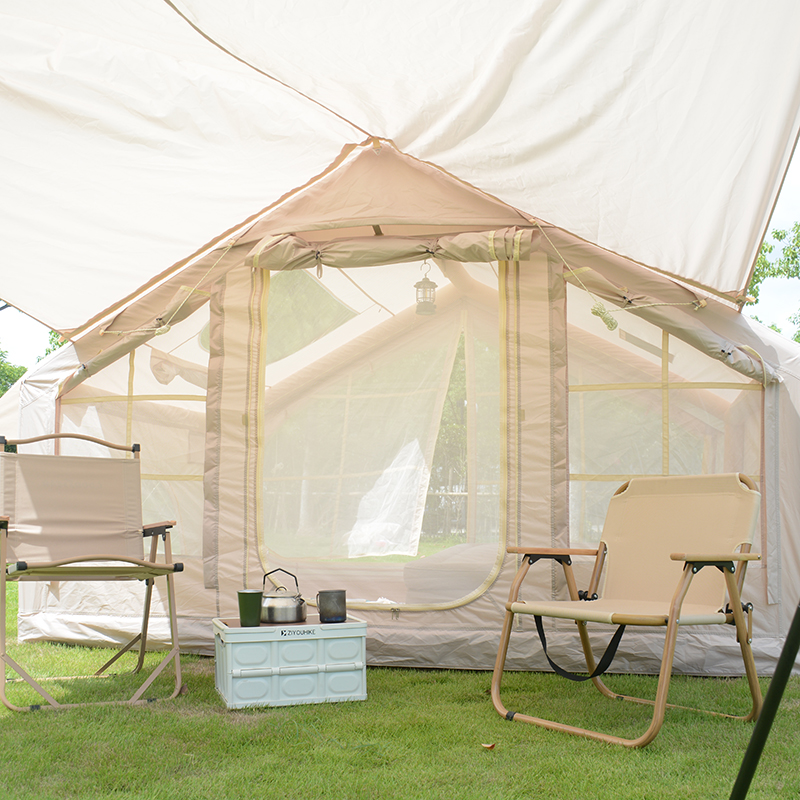 Wholesale 6.3m² Inflatable tent With camping canopy Suppliers, Factory - NordiNordic Kamping Outdoor Products(Ningbo)Co., Ltd. is China wholesale 6.3m² Inflatable tent With camping canopy factory and 6.3m² Inflata...View Product →
If you sleep inside or beside your vehicle, an inflatable tent that attaches to a tailgate or an SUV is worth considering. It turns the car into a changing room, a rain shelter, or extra bedroom space. Look for a design with a reinforced tunnel connection that seals around the vehicle and a floor that can be zipped out for cleaning. For this use, an SUV inflatable tent with a wide opening makes it easy to move gear in and out without stepping into puddles.
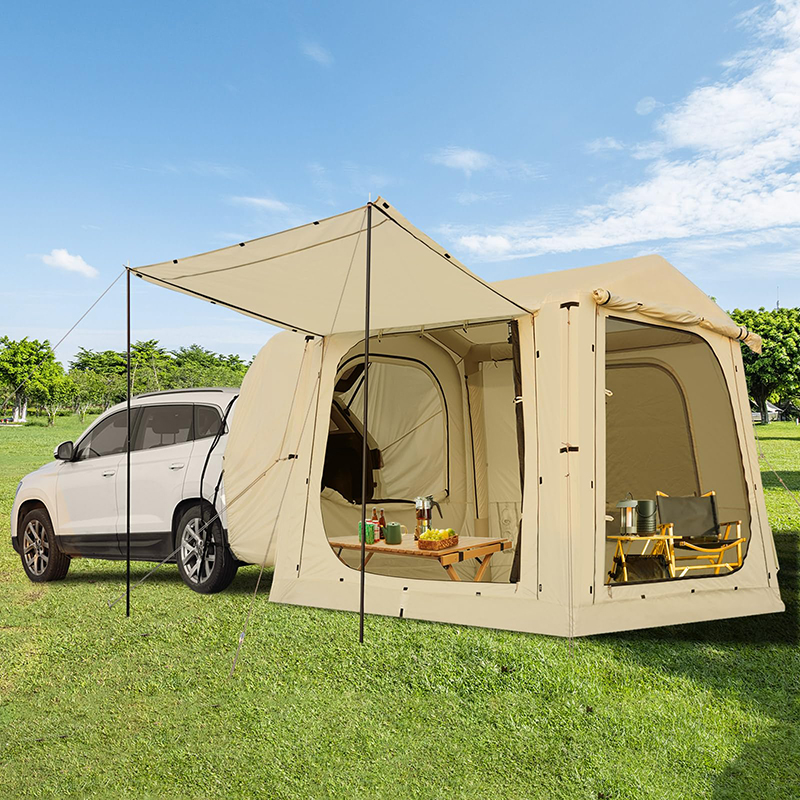 Wholesale SUV Inflatable Tent Suppliers, Factory - Nordic Kamping Outdoor ProduNordic Kamping Outdoor Products(Ningbo)Co., Ltd. is China wholesale SUV Inflatable Tent factory and SUV Inflatable Tent suppliers,1. Dua...View Product →
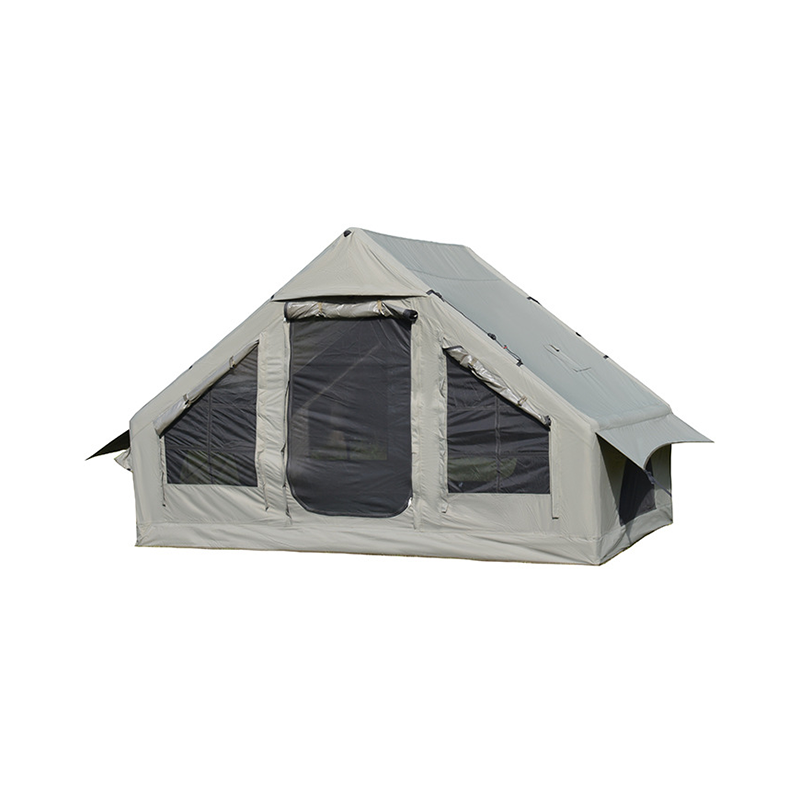
Weight and packed size drive the decision here. A tunnel-shaped inflatable tent with thin but well-constructed TPU columns can be carried in a pack and pitched faster than a pole tent. You will trade some interior space for portability, so keep the group size tight. A lightweight tunnel tent is a strong match for two-person trips where you want air-beam convenience without the bulk of a family basecamp.
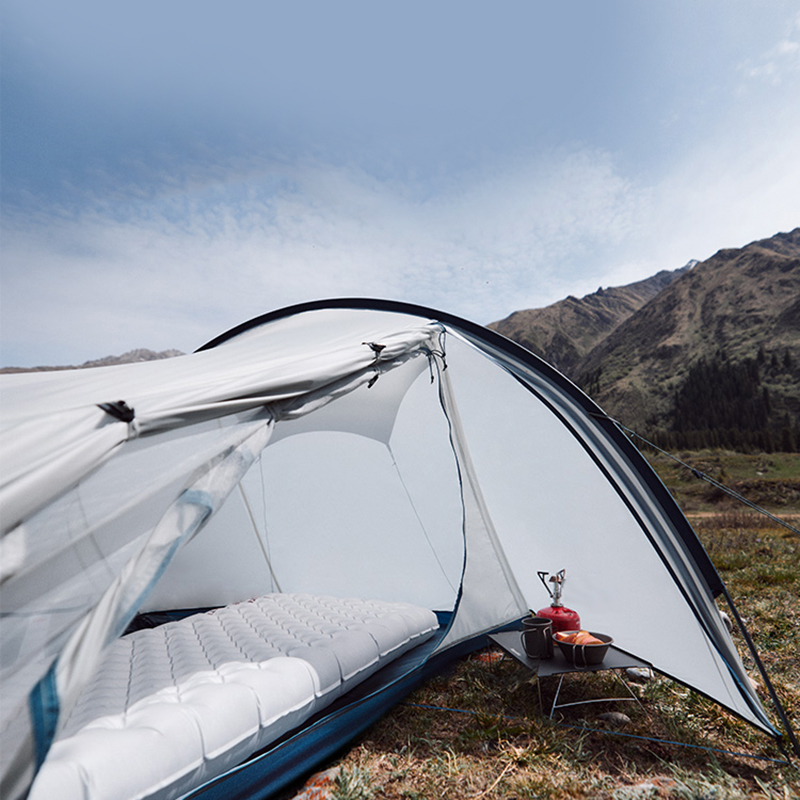 Wholesale Lightweight Tunnel Tent Suppliers, Factory - Nordic Kamping Outdoor PNordic Kamping Outdoor Products(Ningbo)Co., Ltd. is China wholesale Lightweight Tunnel Tent factory and Lightweight Tunnel Tent supplier...View Product →
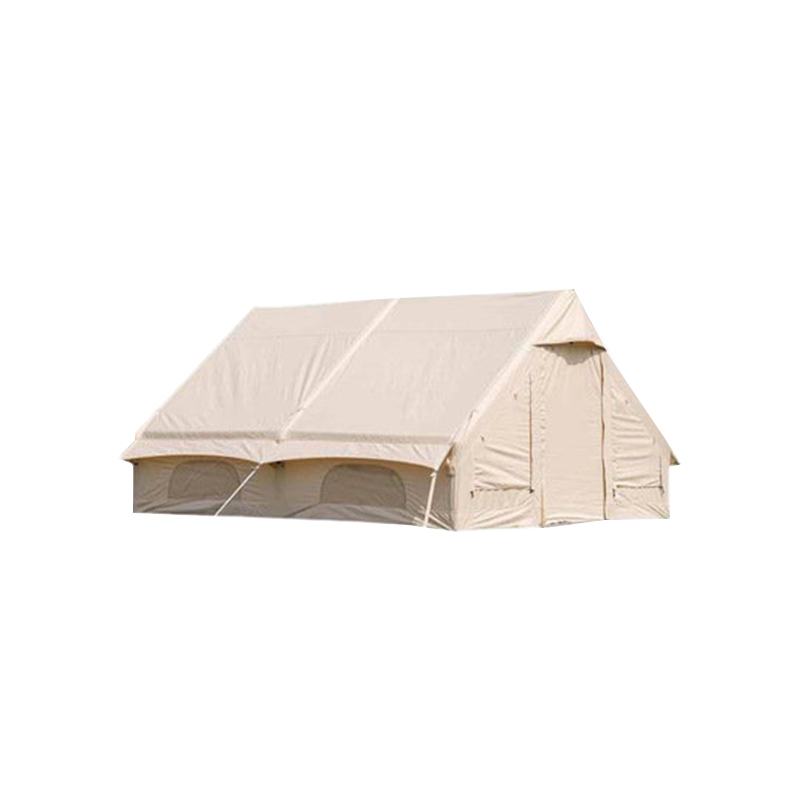
For group basecamps, consider large PVC air-column tents with multiple doors and high ceilings. They are heavier and slower to pack, but they provide a stable common room in rain. The same features that help a family tent also help a group shelter, so start with the waterproofing checks above and then compare floor area.
Inflatable tents set up quickly, but pack-down is the part people underestimate. You have to open all the valves, push or roll the air out, then fold the tent into its bag. Expect the takedown to take roughly as long as setup when you do it carefully. The weather also affects pressure: a tent inflated in cool morning air can feel slightly softer by afternoon. Pump up again if needed rather than letting the canopy flap in the wind.
Keep the pump in an easy-to-reach pocket. A leak-free valve is vital because you do not want to kneel on damp ground re-inflating at night. Even the best inflatable tents need occasional attention, but that small effort replaces the longer struggle of assembling poles in the rain.
Dirt and UV exposure are the two main enemies of waterproof coatings. After a wet trip, dry the tent completely before storage. Wipe off mud at the door and avoid storing a compressed tent in direct sunlight or a hot car. Inspect the seams and floor at the beginning of each season. Most small holes can be patched with the repair kit included with the tent. If the air column valve starts to leak air, replace the valve or column rather than waiting for it to fail in the field.
Do not machine wash the tent or use aggressive detergents. Warm water, a soft cloth, and a mild soap are enough. Reapplying a seam sealer can revive an older tent, but always test it on an inconspicuous area first.
Choose based on the waterproofing system first, not just the shape of the tent. Once the air columns, seams, and floor are solid, match the size to your group and vehicle. That combination is what turns a good inflatable camping tent into the best inflatable waterproof tent for your trips.