

 English
 中文简体
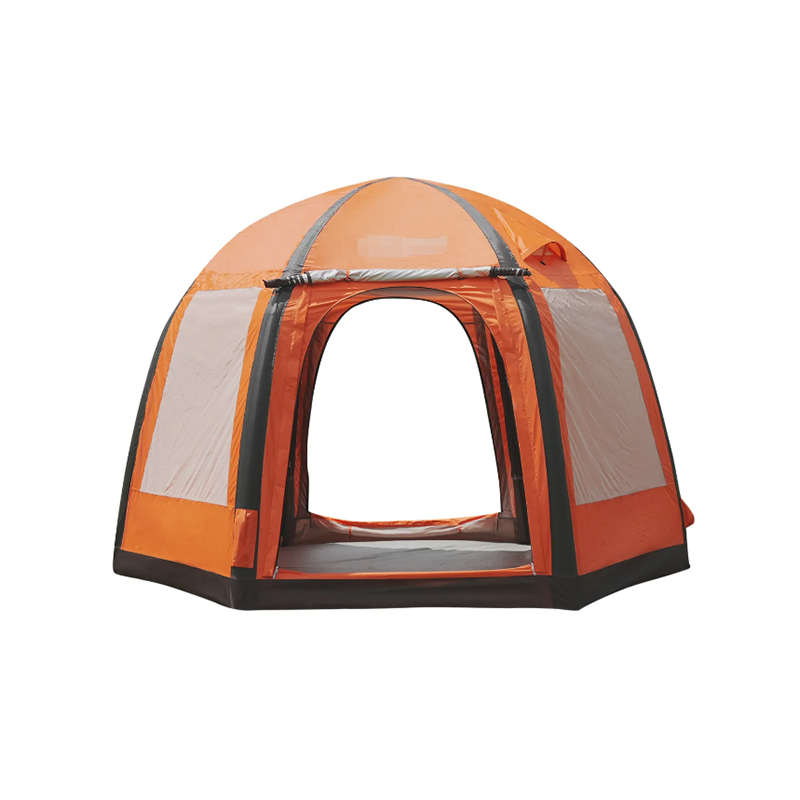
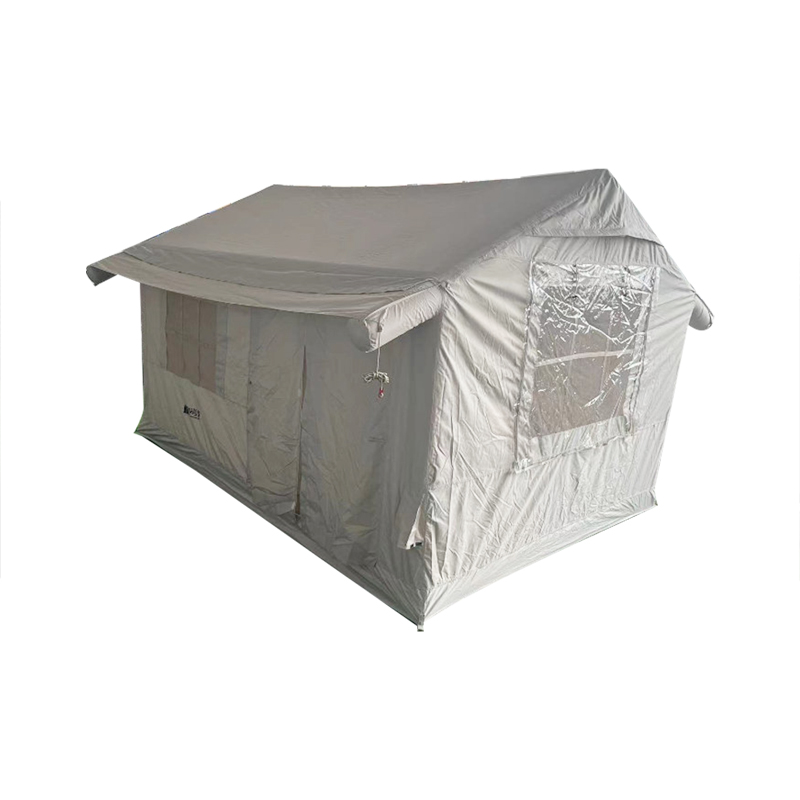
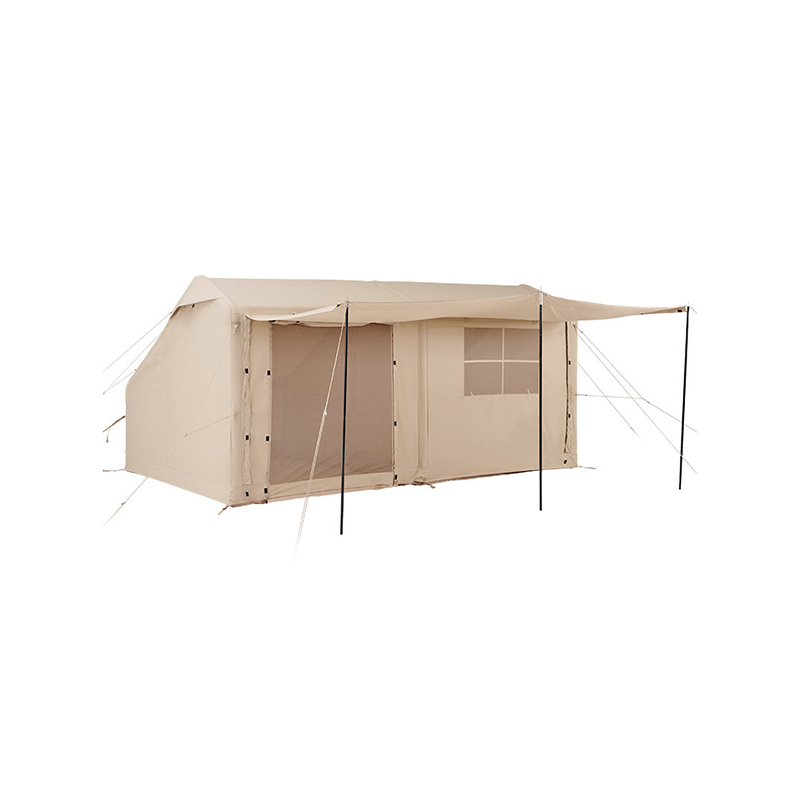
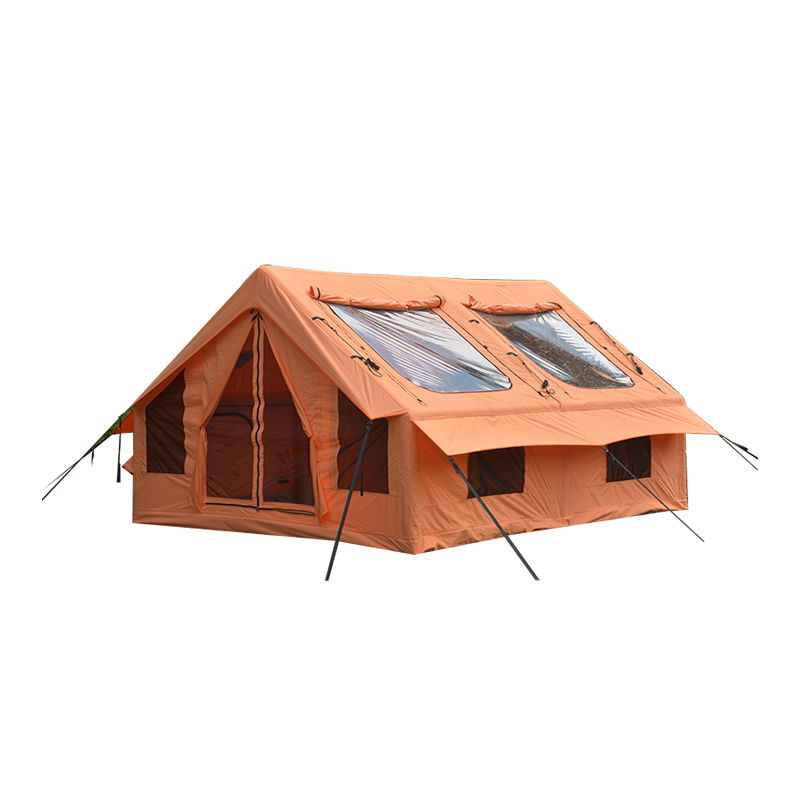
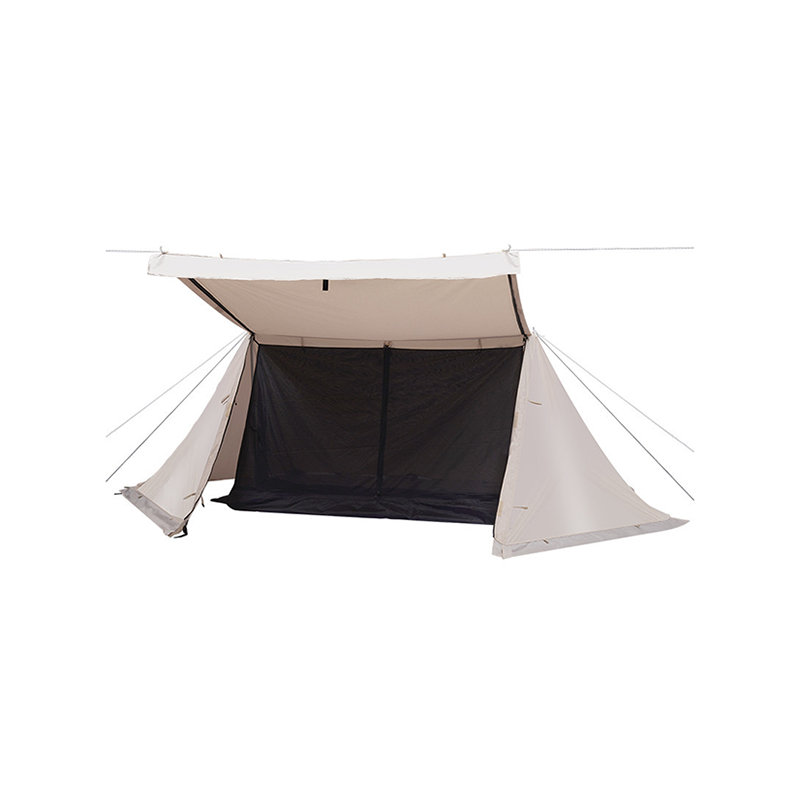
Hemispherical Inflatable Tent 2 Doors 4 Windows

The campground decides more of the trip than the tent does. A short drive, a level pitch with afternoon shade and a toilet block within walking distance will do more for a family's mood than any upgrade in the gear aisle.
Ask four questions before you book:
For a first trip, book two nights, not five. A short weekend that ends while everyone still likes each other is worth more than a week everyone merely endures.
Buy for one more person than your family count, and read every "sleeps six" label as a floor-area measurement rather than a comfort promise. Capacity figures assume sleeping mats laid edge to edge with nothing else inside, which is rarely how a family with bags, shoes and wet jackets actually packs. If you want the arithmetic behind those labels, it helps to know how capacity ratings are worked out.
Four features matter more than headcount: standing height around 1.8 m so an adult can dress without crawling, a dark inner for summer mornings, two doors so nobody climbs over a sleeping toddler, and vents you can close from the inside when the weather turns.
Setup time beats packed weight. You will arrive after dark at least once, and the gap between ten minutes and thirty is the gap between a calm bedtime and an argument in a headlamp beam.
| Shelter type | Family fit | Setup and takedown | Check before buying |
|---|---|---|---|
| Dome tent with manual poles | 2 to 4 people, weekend trips | 10 to 20 minutes with two adults | Pole count, guy-line points, packed length against the boot |
| Quick-set or pop-up | Short trips, one adult with children | 2 to 5 minutes up; folding back takes practice | Folded diameter, wind behaviour on open ground |
| Air-column inflatable family tent | 4 to 6 people, three nights or more | 10 to 15 minutes with a pump, no poles to lose | Pump included, valve quality, packed weight over 20 kg |
| Cabin or tunnel with living area | Families who want indoor space | 20 to 30 minutes on the first attempt | Footprint against the pitch, standing height, door layout |
| Screen house or add-on room | Bug-heavy or rainy regions | 5 to 10 minutes | Mesh grade, floor or no floor, zip quality |
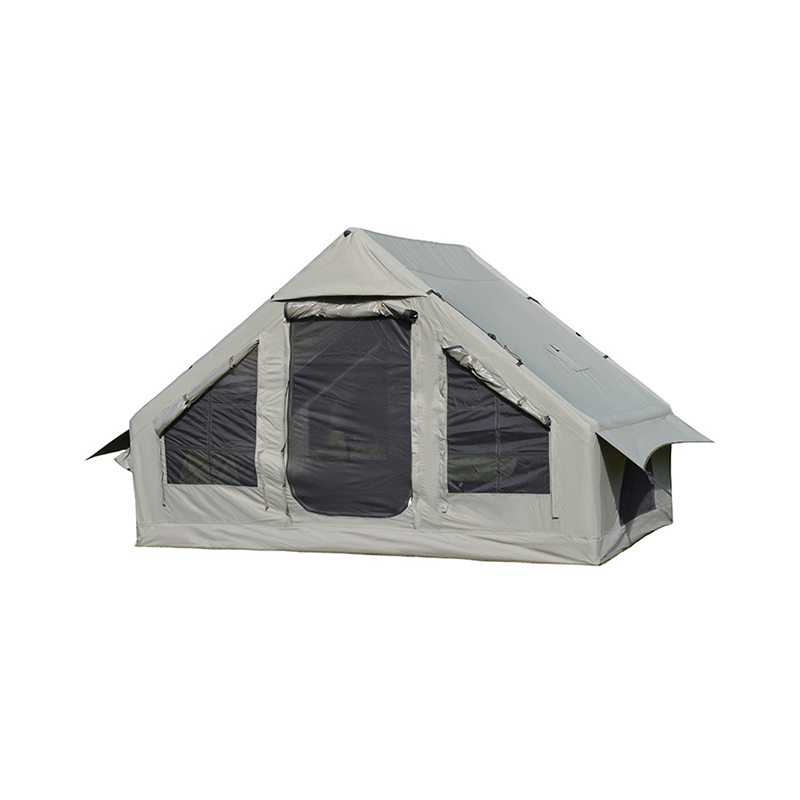
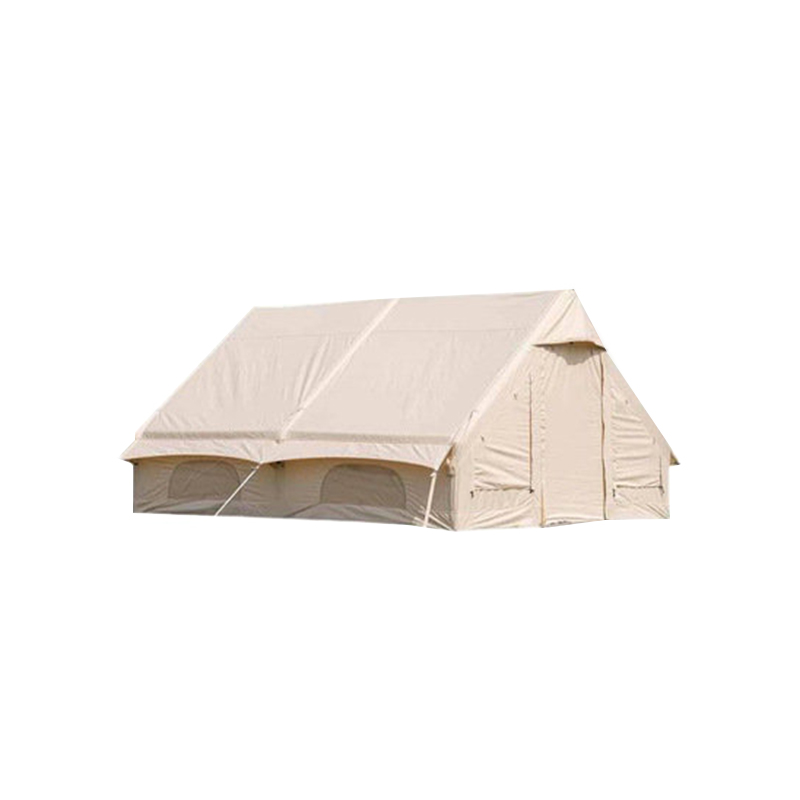
Quick-set models earn their place on short trips with one adult in charge, though it pays to test how they handle wind before you settle on the quick-set camping tent range. For stays of three nights or more, an air-column inflatable family tent removes the pole puzzle altogether: one pump, a handful of valves, and the shell is standing while the kettle goes on.
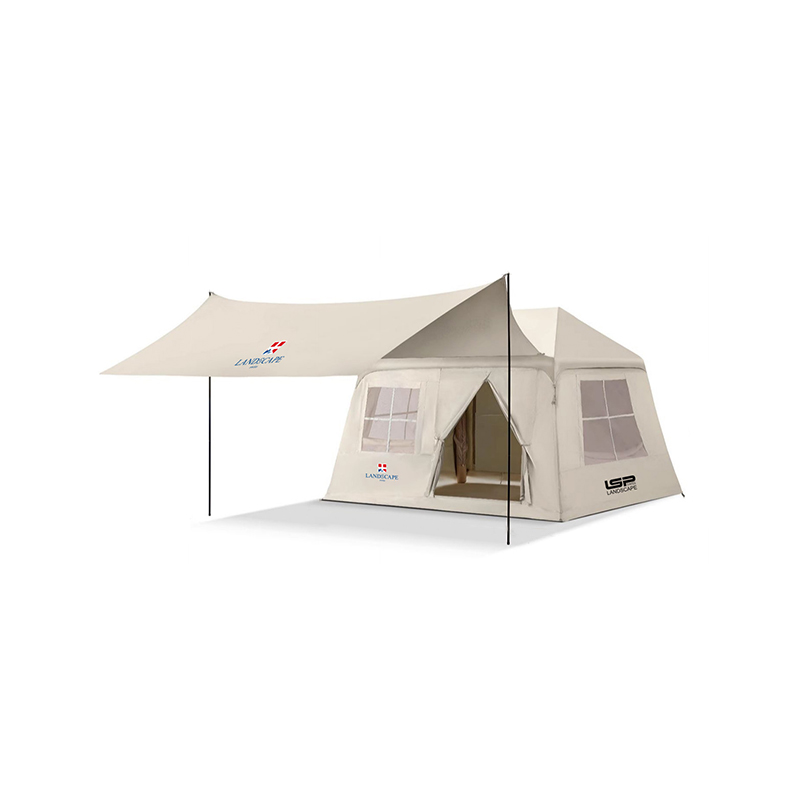
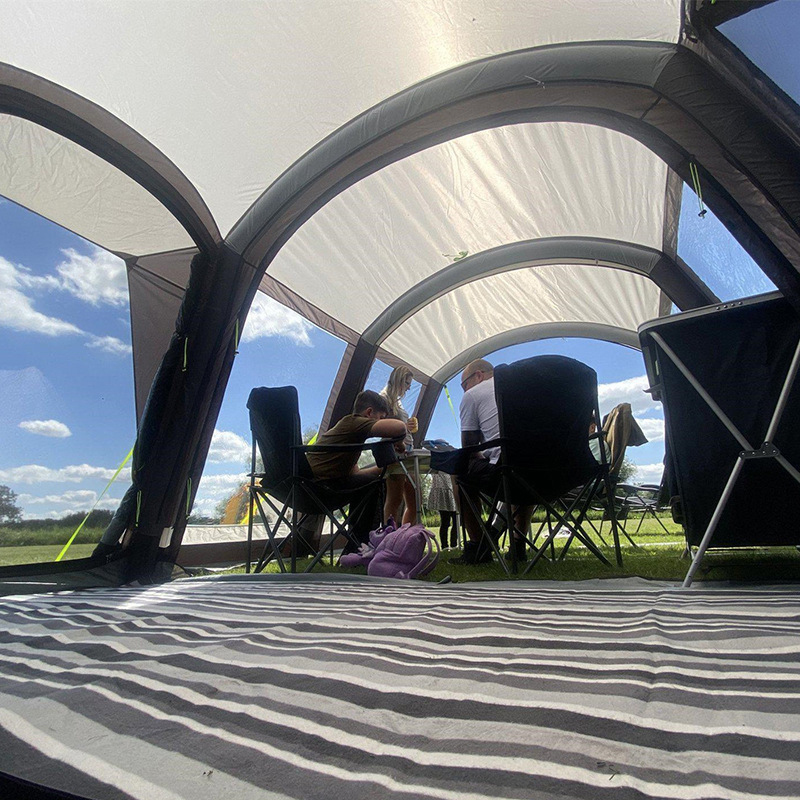 Inflatable Family Tent for Up to Six CampersA pump-up air-column family tent with flexible bedrooms and a front awning, suited to longer stays where pole-free setup matters.View Product →
Families with an estate car or SUV can turn the boot into a room. An inflatable SUV tent attaches to the vehicle and adds a covered space for changing, naps and keeping mud out of the sleeping area, which matters most on the trips where the weather refuses to cooperate.
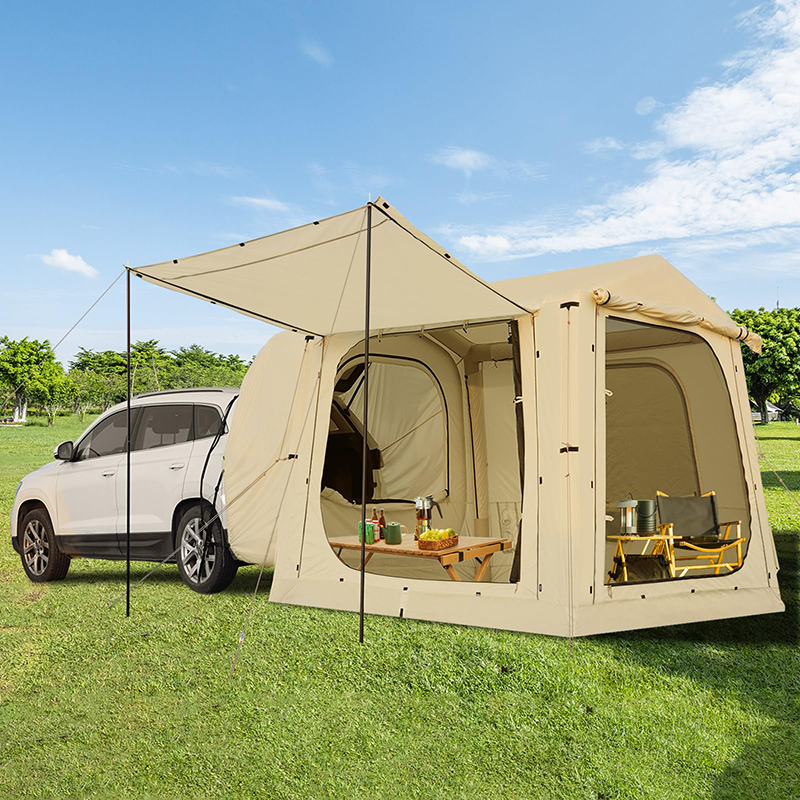 SUV Inflatable Tent for Vehicle or Standalone CampingConnects to an SUV or stands alone, giving four to six campers a quick-inflating covered base with double doors and an extendable foyer.View Product →
Most family camping happens in the space between the tent and the cooking area, and that space needs a roof and a floor far more than it needs furniture.
A screen house earns its weight in mosquito season: meals without flies, a dry corner for wet jackets, and a card game at four in the afternoon when the sun is too strong to sit in. Look for sealed mesh, taped seams and a floor that can be swept.
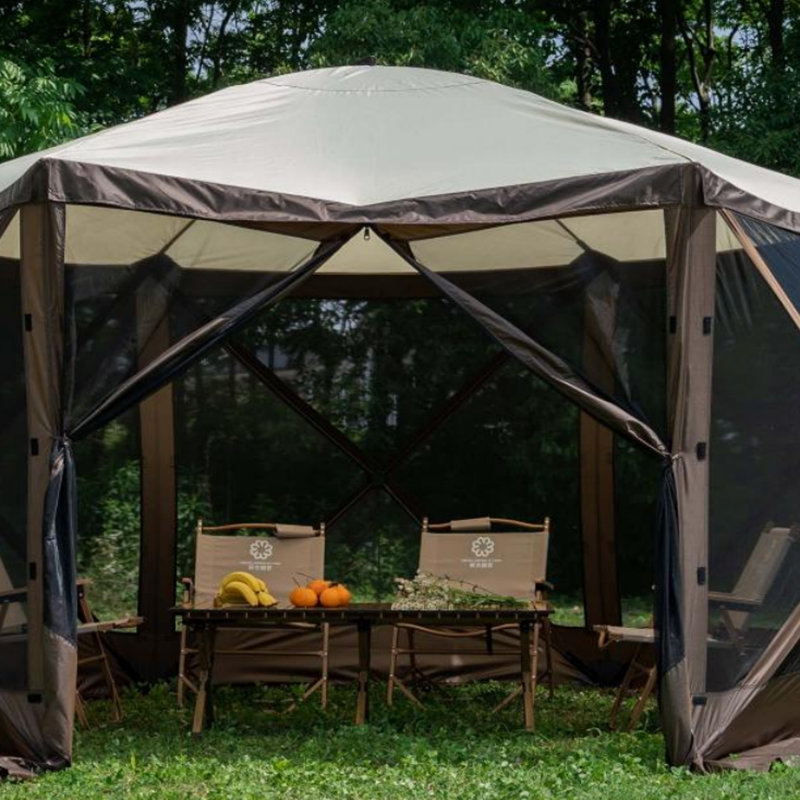 Hexagonal Mesh Screen House for Bug-Free CampingA six-sided mesh shelter with a waterproof roof and quick assembly, useful for meals and gatherings when insects or sun make open seating uncomfortable.View Product →
Add two inexpensive items: a tarp of at least 3 m × 3 m with two poles for shade over the cooking area, and a woven mat at the tent door so grit stays outside where it belongs.
Plan five one-pot meals and one that needs no cooking at all. Familiar food, cooked once, is the most reliable way to keep children eating at camp.
Wash-up is where good intentions die. One basin, a lidded bucket for scraps and a small bottle of biodegradable soap are enough for a two-night trip.
Children settle faster when they know what happens next, and they stay engaged when they own part of the trip.
Then set the rhythm: daylight means the tent is open, dusk means headlamps on, dark means quiet hour inside with books and cards. Keep the bedtime you use at home, even when the sun disagrees.
The families who sleep well at camp are rarely the ones with the biggest tent. They are the ones who kept the bedtime and stopped negotiating after dark.
Pack for 10 °C colder than the forecast, and assume one full set of clothes per child will be wet by the second day. Layering adapts from a cold morning to a warm afternoon far better than a single heavy jacket.
Two safety habits are worth teaching on the very first trip: the stove never goes inside the tent, and everyone knows where the car keys and the first-aid kit live.
Finally, plan the exit. Note the nearest hospital and a 24-hour shop before you leave, agree on a meeting point if someone gets separated, and decide in advance what weather would make you pack up early. Setting the limit beforehand removes the argument at two in the morning.
The family trips that get repeated are rarely the ambitious ones. They are the ones where the drive was short, the tent went up before dark, dinner came out of one pot and the children fell asleep at something close to their usual hour.
Start with two nights within an hour of home, borrow or rent gear before you buy, and write down what annoyed you. That list is a better shopping guide than any review, and it will tell you whether the next upgrade should be a bigger shelter, a better cooler or simply a campground with more shade.