

 English
 中文简体
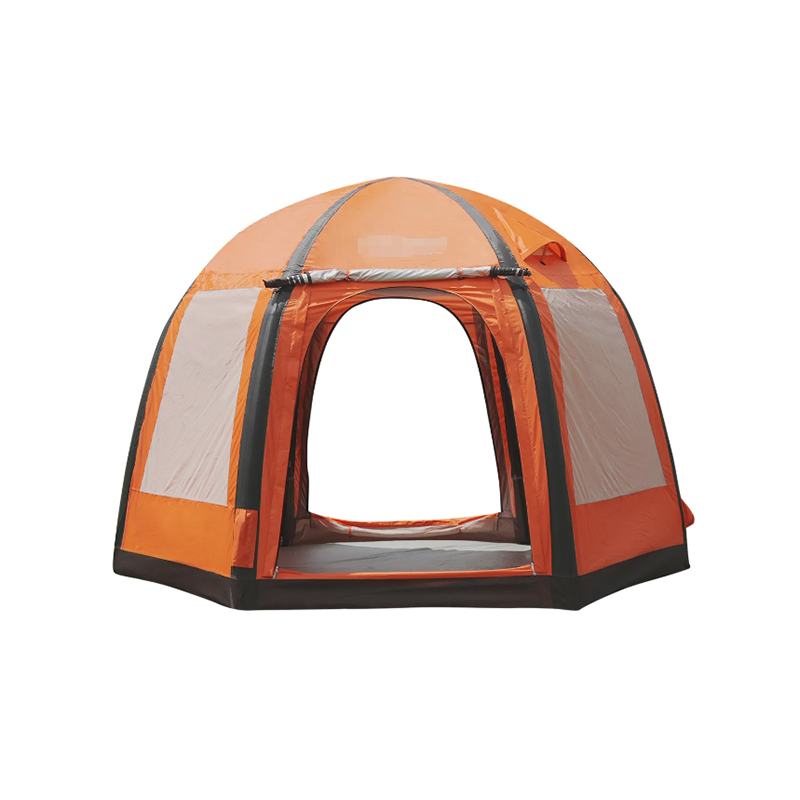
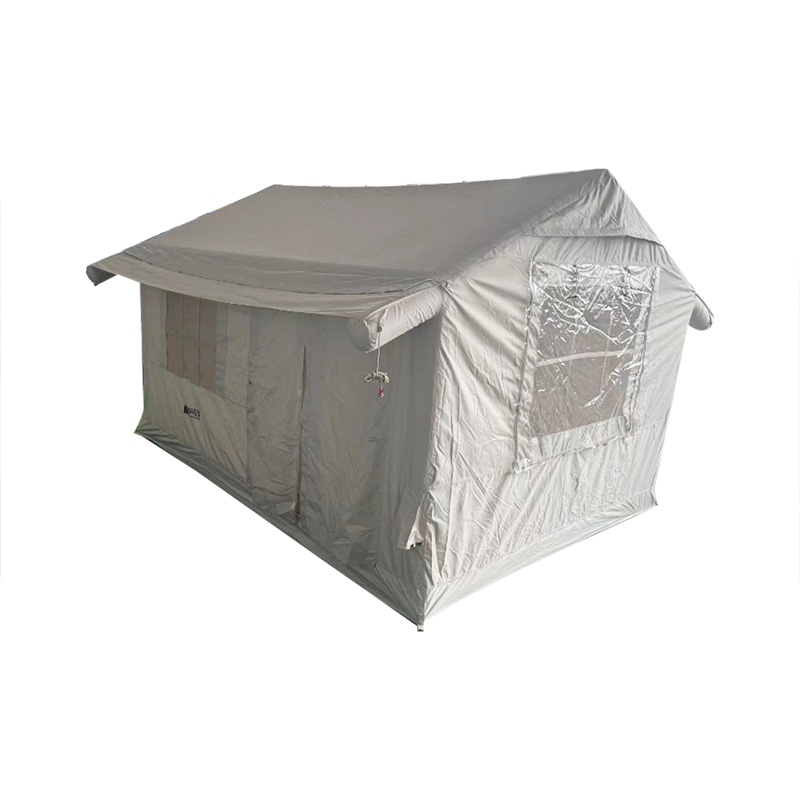
中文简体Hemispherical Inflatable Tent 2 Doors 4 Windows

Do You Need a Tarp Under Your Tent?
The ground below your shelter is harder, sharper and damper than it looks. A carefully placed tarp or footprint protects the tent floor, keeps moisture out, and decides how many seasons your tent will survive.
It is late afternoon at a highland meadow campsite. The grass is dry and the forecast shows no rain until Tuesday. At 2 a.m. a thin drizzle arrives; by breakfast the underside of the tent floor is slick with condensation, and a stone near a corner has pressed a pale scuff into the fabric. A simple tarp, tucked underneath and kept a few centimetres inside the tent's outline, would have avoided both.
So the direct answer is yes: for most camping trips, put a tarp or footprint under your tent. It must sit slightly smaller than the floor, lie flat, and stay free of wrinkles — or it can trap rain instead of blocking it. This guide covers the exact rules, the few exceptions, and how to match the ground cloth to your shelter.
Most campers look up before they look down, but the ground wears a tent out first. A tent floor is waterproof, yet "waterproof" is not "abrasion-proof." Beneath every shelter lies a group of things that slowly destroy the floor from underneath:
Once the coating wears through, leaks follow footsteps and the door — exactly where you want the tent driest. A ground cloth absorbs this abuse instead of the tent floor and costs far less to replace. The floor is your last line of defence against ground water; a tarp makes the floor the second line, not the first.
A correctly sized ground cloth can outlast three or four tent floors. Fold it clean and dry before storing, and both layers will greet you in good shape next season.
A generic tarp and a purpose-made tent footprint do the same job with different trade-offs. The right choice depends on how far you carry it, how precisely it fits, and how many other duties the sheet must handle.
| Aspect | Generic tarp | Tent footprint |
|---|---|---|
| Fit | Universal; fold or trim it to sit inside the tent's outline | Pre-shaped to the floor; matches the factory outline |
| Weight | Heavier in equivalent sizes, especially with reinforced hems | Lighter because it is cut precisely for one floor |
| Durability | Varies by material; a good tarp outlasts most tent floors | Engineered for abrasion at pegging points and floor seams |
| Versatility | Also a rain shield, cooking sheet or sun shade | Single-purpose; matched to one tent model |
| Cost | Low price, easy to replace | Higher relative to material; model-specific |
For car and family camping, a tarp is hard to beat: inexpensive, packs flat, and earns its place even when it is not under the tent. For backpacking, a footprint saves grams and fits so well that no corner folds out from under the floor.
The most common mistake is a tarp that is too large. When a tarp extends beyond the walls, rain runs off the fly, hits the exposed tarp, and collects between the tarp and the floor. You have turned a protective layer into a shallow bathtub.
Size the ground cloth a few centimetres smaller than the tent floor, and rain always sheds onto the ground instead of pooling between the layers.
Work through this sequence on every pitch:
An oversized tarp is worse than none. If the edges must stay exposed, keep the exposed margin under five centimetres so runoff never reaches the seam between the tarp and the tent wall.
These steps assume a sensible pitch; for slope, exposure and overhead hazards, see our guide to choosing the right campsite location before you lay anything down.
The honest answer to "do you need a tarp under your tent" is that you can skip it in a short list of situations:
Notice what is missing: "when the forecast is dry." Dry weather does not remove the stones, roots and stiff fibres that press into the floor whenever you move or sit. Our tent range covers everything from light hiking shelters to PVC air tents, and every one of them benefits from a layer between its floor and the ground.
Never put the tarp inside the tent. An internal ground sheet does not protect the floor from abrasion, and it traps condensation between tarp and floor, pushing moisture upward into the sleeping area. The protective layer belongs underneath, against the ground.
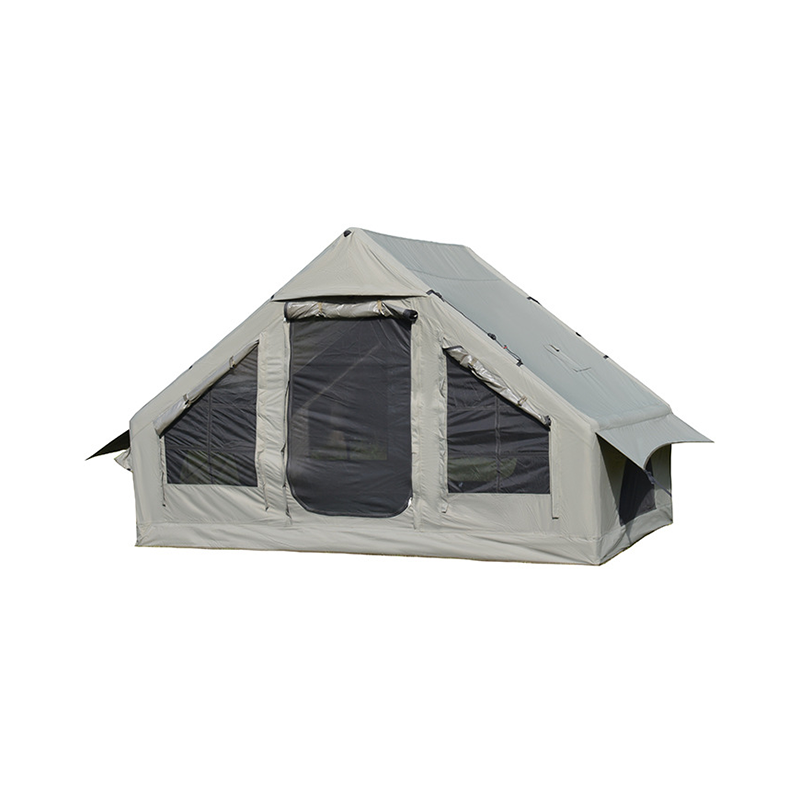
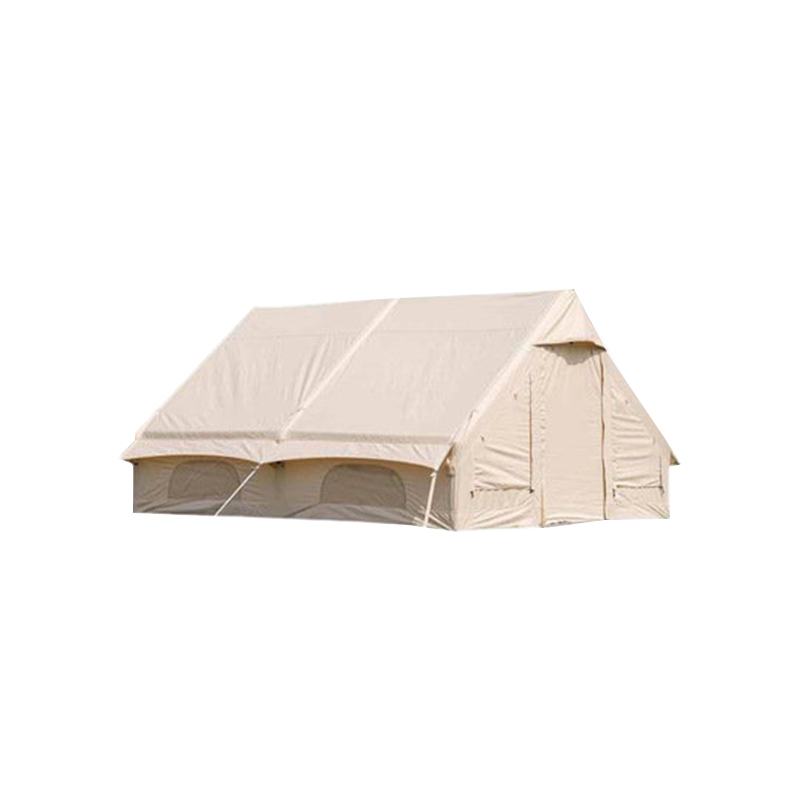
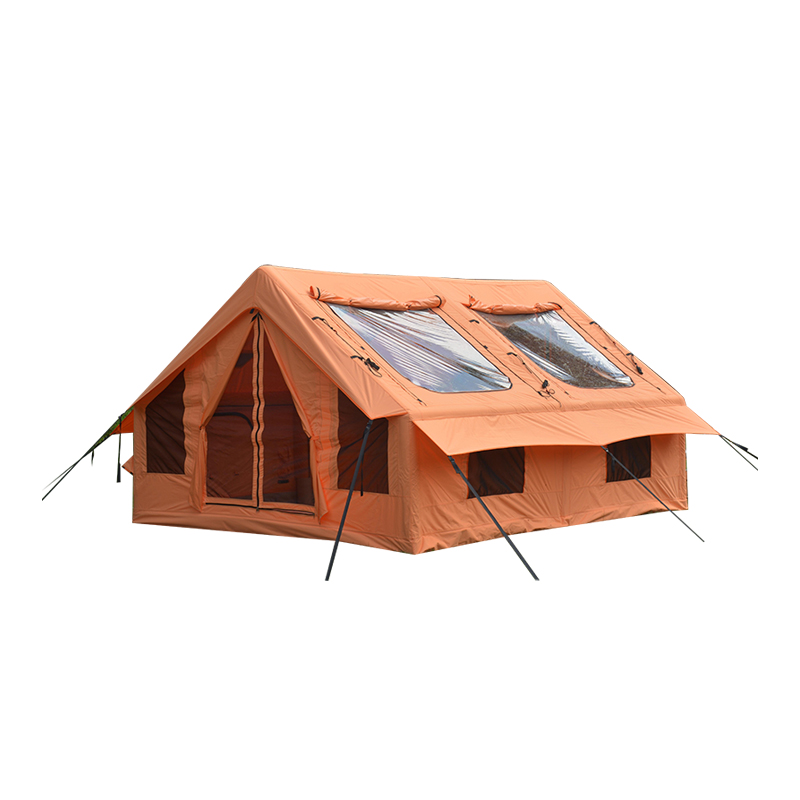
Large family tents spread a lot of floor across whatever the campsite offers. The more surface you lay down, the more contact points there are with pebbles, roots and worn turf, and the more people moving around multiply the abrasion. In an inflatable air-beam family tent the walls rise in minutes, but the floor still takes the same punishment as a conventional shelter.
A ground cloth sized just inside the footprint protects the corners, the door threshold and the seam line where the bathtub floor meets the walls. For a group shelter used many weekends, that sheet is the difference between a floor that looks new at season's end and one that leaks near the door.
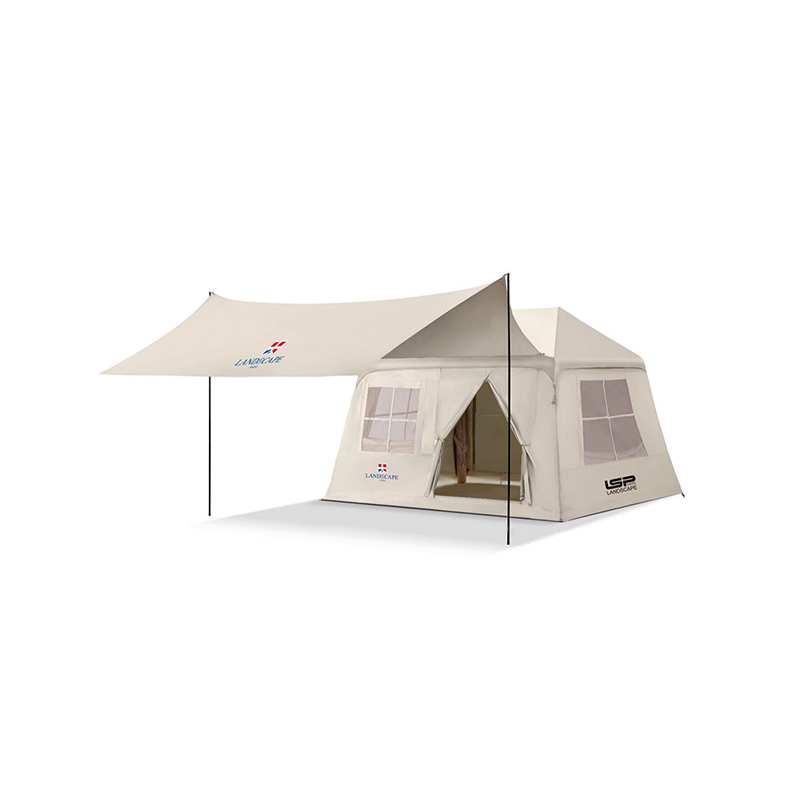
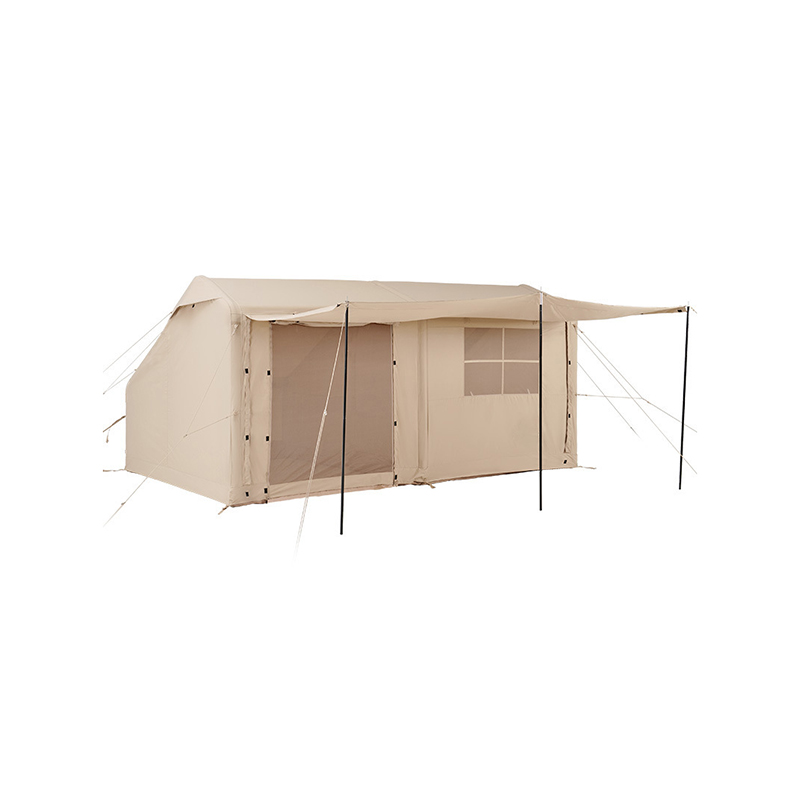
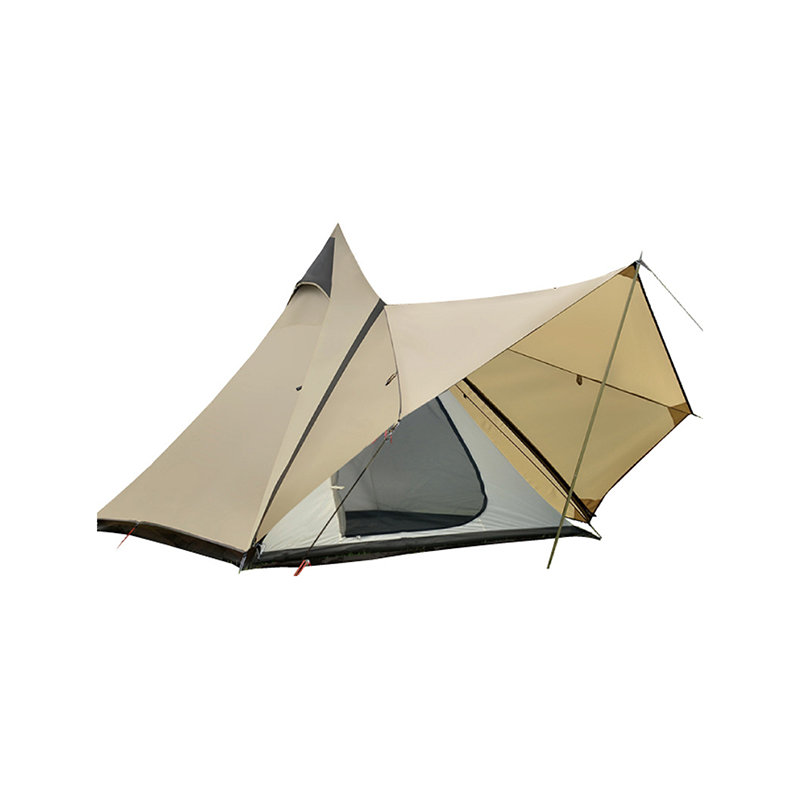
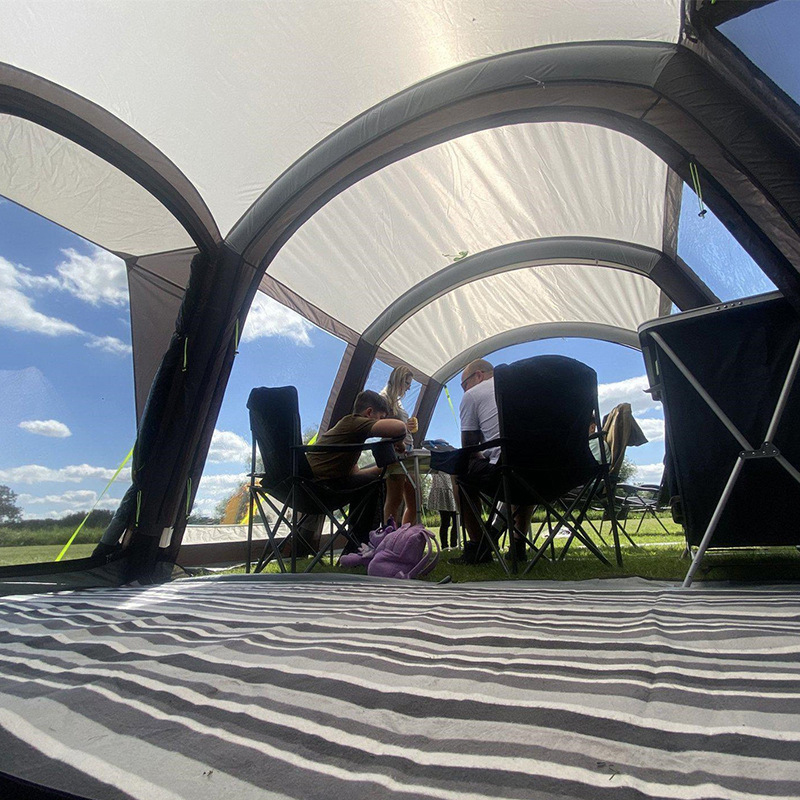 Inflatable Family Camping Tent with Flexible Bedroom Dividers and AwningThis multi-point air-column tent suits groups needing durable floor protection. Its sealed ground mat and rain-proof side door make it a sensible place to use a footprint, preserving the bathtub floor during frequent weekend use.View Product →
Ultralight hiking tents are built around grams, and their floors are correspondingly thin. A 10-denier floor can feel robust in a shop and still abrade on a granite slab in a single night. A purpose-cut footprint is therefore the most weight-efficient accessory you can carry: a few dozen grams of fabric protecting the most expensive part of the shelter.
If you prefer a generic tarp on a hiking trip, choose the thinnest coated ripstop or polyethylene film, fold it into a rectangle a hand's width inside the tent floor, and double-fold the edges so they shed moisture. The smaller-than-the-floor rule matters even more when the floor is thin.
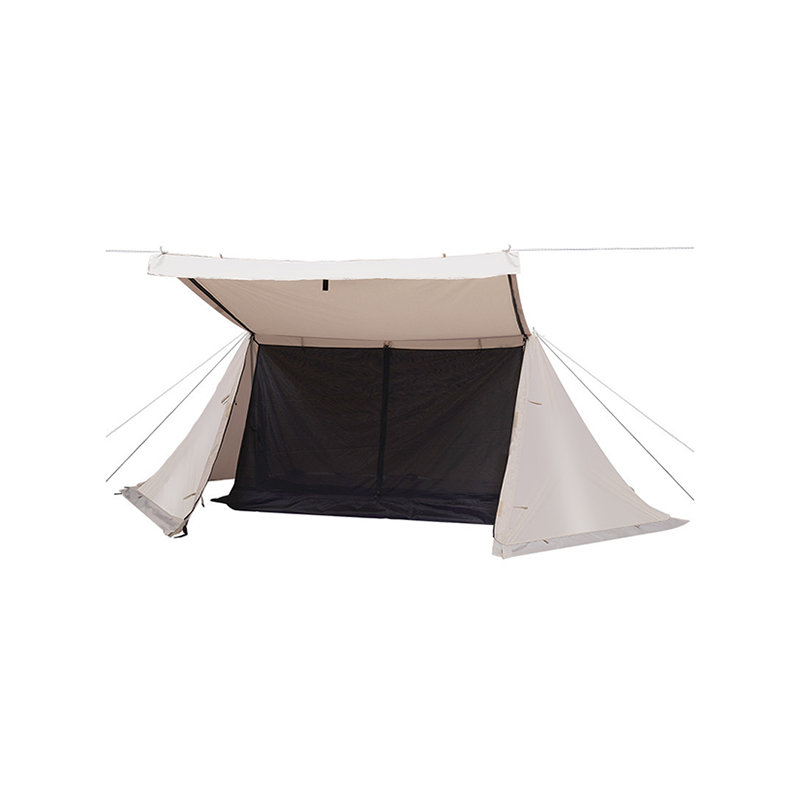
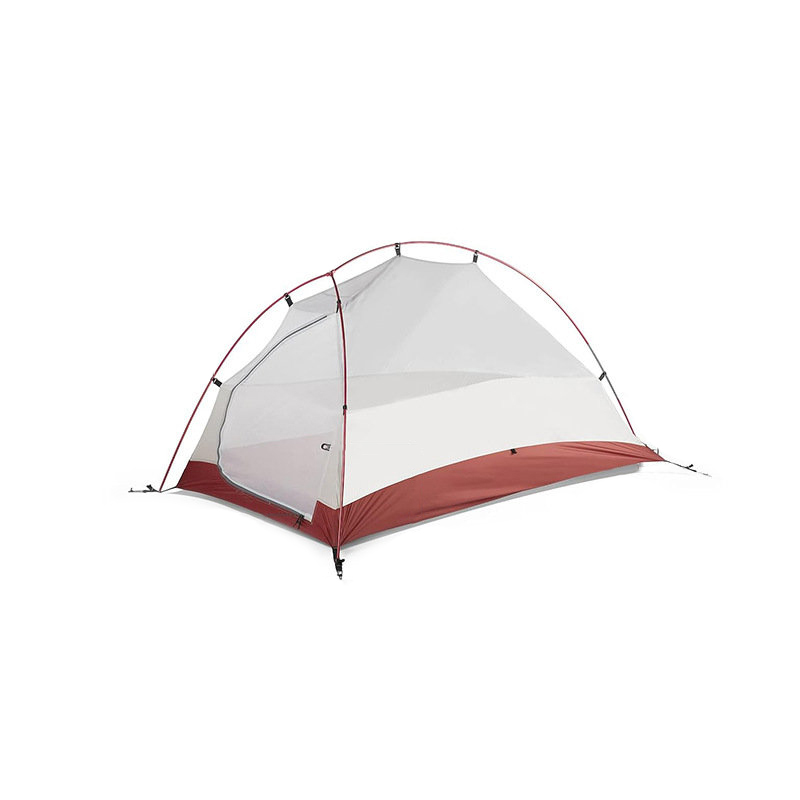
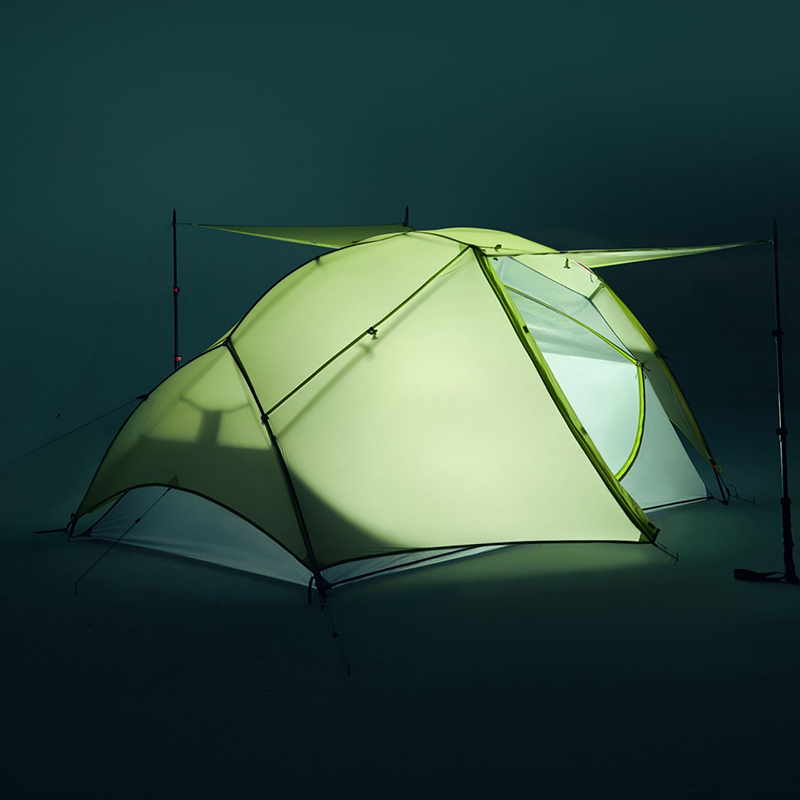 Ultralight Backpacking Tent with Dual Tarp and DAC PolesDesigned for long hikes, its thin 10D floor is exactly why a purpose-cut footprint matters here. The expandable tarp layout and stable structure are worth reviewing if you want minimal weight without sacrificing weather resistance.View Product →
Quick-set tents solve the most common camping complaint — tedious setup — but their folding frames create concentrated stress where the floor folds and where the frame pivots against the fabric. Those points wear fastest when pitched directly on grit or gravel.
A tarp underneath a quick-set tent also makes take-down simpler: the base stays cleaner, you can roll the tarp around the folded bundle, and you avoid dragging the floor through dirt during the final collapse. The tarp earns its place twice — once on the way up, once on the way down.
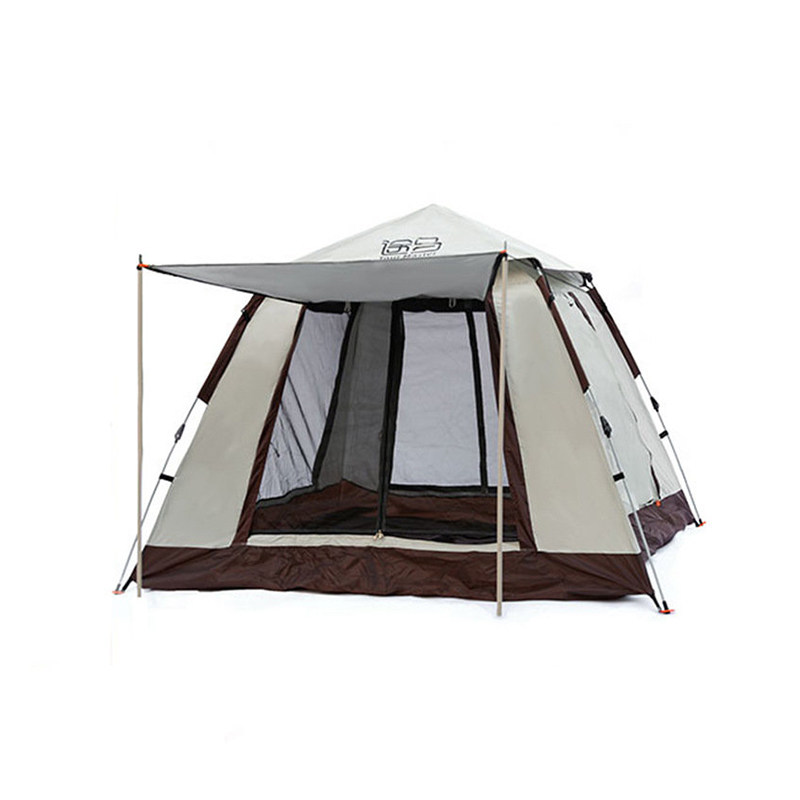
 Quick-Open Folding Camping Tent for Family and Novice CampersThis automatic tent emphasizes easy setup, but its folding frame and moderate floor durability can suffer on rough ground. A footprint underneath helps keep the base clean and simplifies takedown, making this pick practical for picnics and short trips.View Product →
The rule in one sentence: put a tarp or footprint under your tent, keep it two to five centimetres inside the tent's outline, lay it flat, and use it on the underside only. Do that, and the floor will stay dry, clean and intact for many seasons.
Waterproofing works only while the fabric underneath is intact. The tarp keeps water from ever challenging that layer and absorbs the abrasion that would otherwise end the tent's useful life. The small cost and two minutes of effort are the cheapest maintenance your tent will ever receive.
Check the campsite rules before you pitch: some grounds restrict groundsheets to certain materials, and some alpine and desert soils need protection from tent traffic rather than from tent floors. A tarp helps you respect both.