

 English
 中文简体
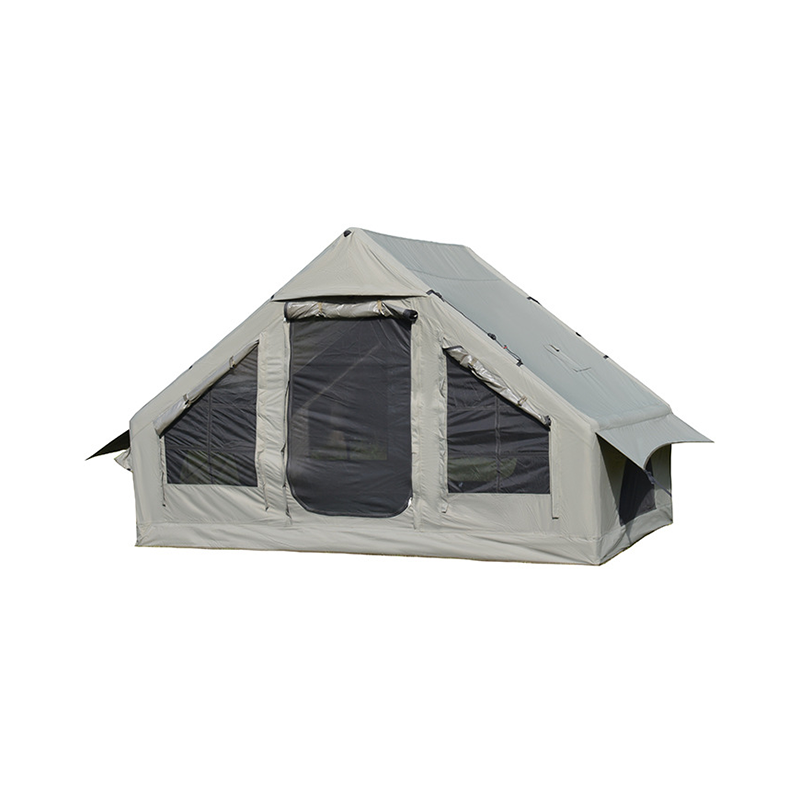
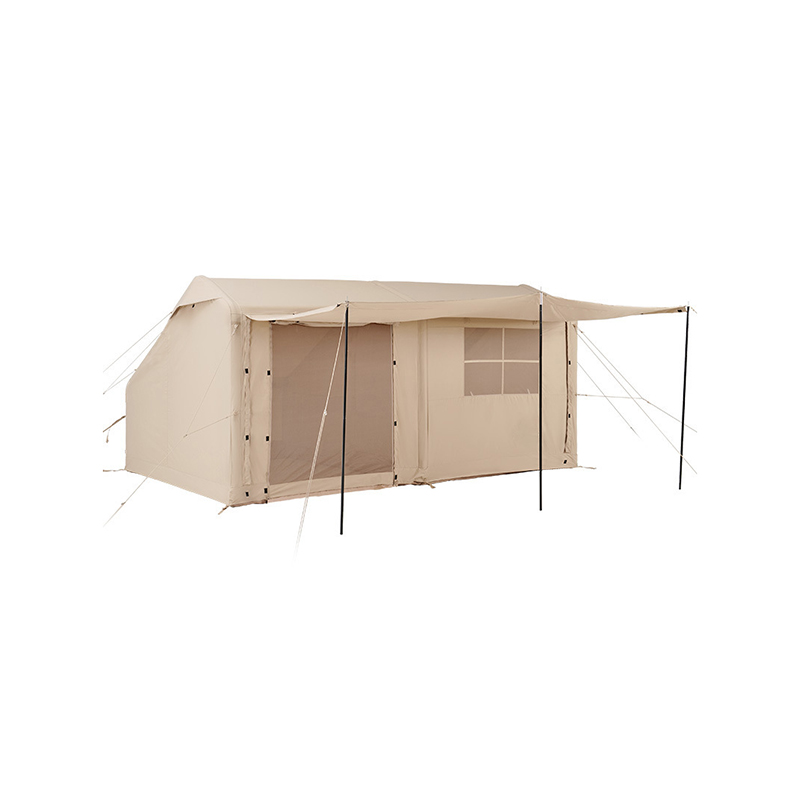
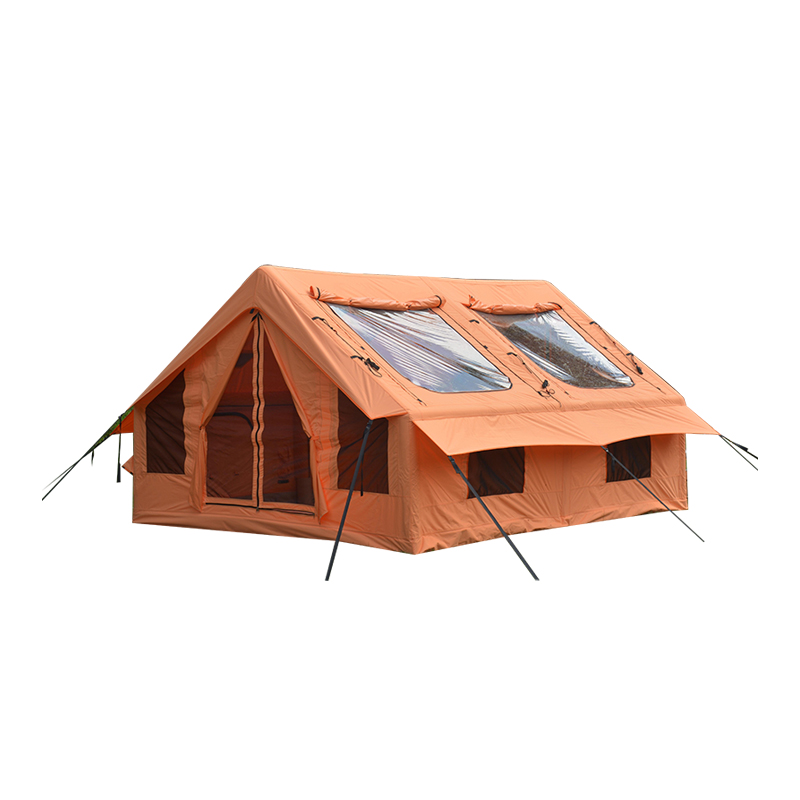
中文简体Hemispherical Inflatable Tent 2 Doors 4 Windows

Rain has been falling on the campsite for three hours, and your tent is starting to feel damp. Not visibly leaking, just damp — a cold, creeping wetness that makes you question the seller who insisted this tent was genuinely waterproof. The uncomfortable truth is that “waterproof” gets used far too loosely in the outdoor industry, and many tents that carry the label will leave you wet before morning.
Here is the direct answer: check the hydrostatic head rating, inspect every seam, verify the floor and bathtub construction, confirm the flysheet coverage and coating, then run a ten-minute hose test. Each check takes minutes, and each one closes a different route water can take.
Before you test anything, clear up the difference between two words advertisers blur on purpose. Water-resistant means the fabric has been treated so that water beads and rolls off. That works for light drizzle and morning dew, but it is not designed to handle sustained rain. Waterproof, in tent engineering, means the fabric, seams, and floor are built to stop liquid water under a defined amount of pressure. The distinction is not marketing nuance — it is the difference between a damp Saturday and a ruined night’s sleep.
Hydrostatic head, expressed as a millimetre value, is the clearest single indicator of fabric waterproofness. The test method is simple: a vertical tube is placed over the fabric and filled with water; when the underside starts to leak, the height of the water column is recorded. That number becomes the rating printed in the specifications.
The ratings translate to real-world expectations:
| Hydrostatic head | Real-world expectation |
|---|---|
| Below 1,000 mm | Shower-proof only; fair-weather camping |
| 1,000 – 1,500 mm | Light rain; summer use |
| 1,500 – 3,000 mm | Moderate rain; good three-season comfort |
| 3,000 mm | Sustained heavy rain; reliable for long storms |
| 5,000 mm and above | Severe, prolonged exposure; storm-ready |
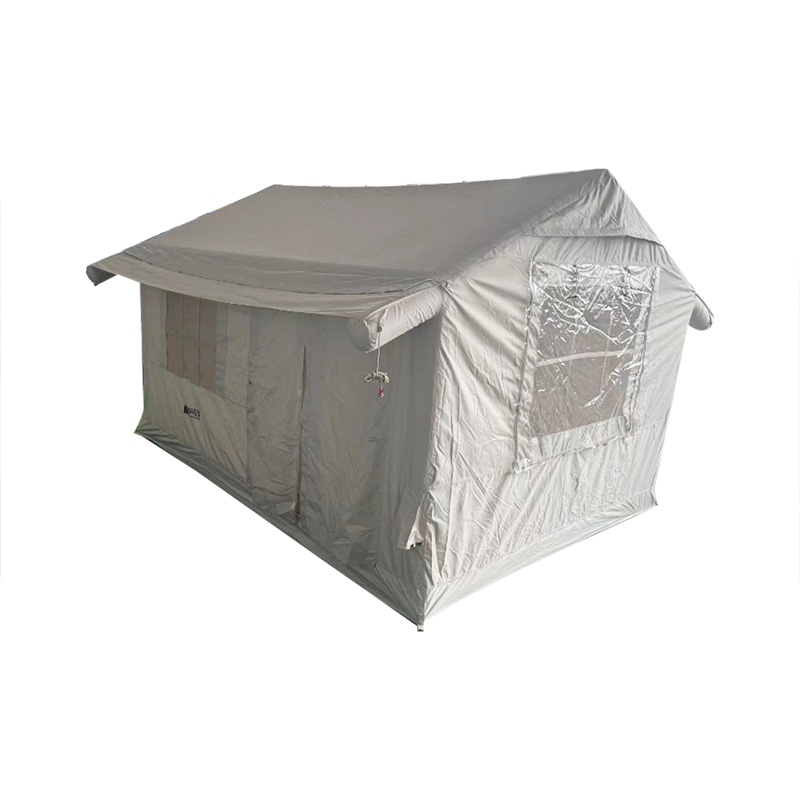
Find this number on the product tag or spec sheet. If you bought a tent secondhand and the tag is gone, check the floor and fly separately, because manufacturers often rate them differently. A tent rated 5,000 mm or higher is engineered for genuine storms. Inflatable shelters, which avoid the stress points created by rigid poles, are often built with high-rated waterproof fabric precisely for that reason.
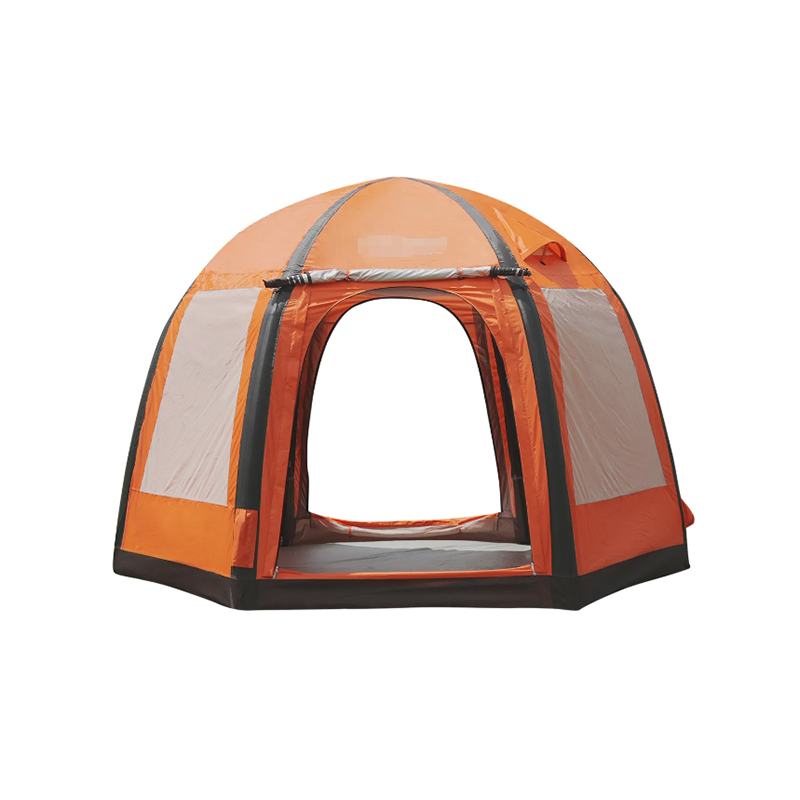 Inflatable Camping Tents with High-Waterproof Oxford FabricThese air-column tents use 210D to 600D Oxford cloth with waterproof ratings from 3000mm, making them a strong match for the storm-worthy seam sealing discussed above.View Product →
The most common leak path in a tent is not the fabric — it is the seams. Every needle hole is a micro-channel for water, and manufacturers close those channels with seam tape or sealant on the inside. Tape degrades, sealant dries out, and secondhand tents sometimes arrive with seams that were never sealed in the first place.
A tent is only as waterproof as its seams. If the tape is peeling or the stitching has gaps, water will find every hole you missed.
Run your finger along both sides of every inner seam. The tape should be bonded for its full length, with no bubbles, no lifted edges, and no visible cracks. On the flysheet, seams should carry a clean bead of sealant or tape on the underside. Hold the tent up to the light from inside; any pinpoints of light along a stitch line mark places where needle holes are unprotected.
Tents designed with reinforced, taped seams at every panel junction give you significantly fewer entry points for water. When you compare shelters, that seam treatment is one of the first details to check.
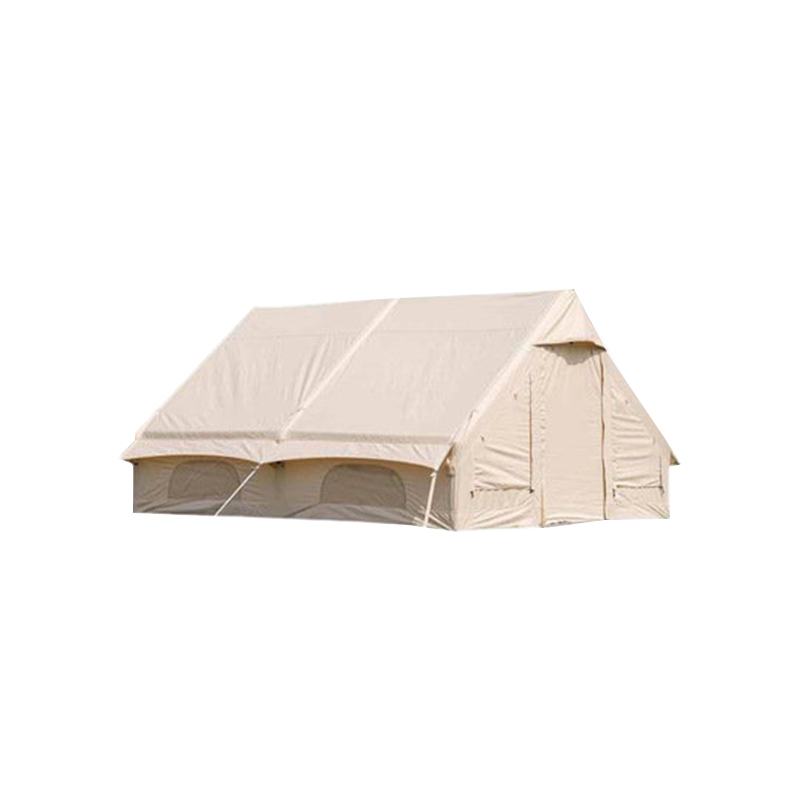
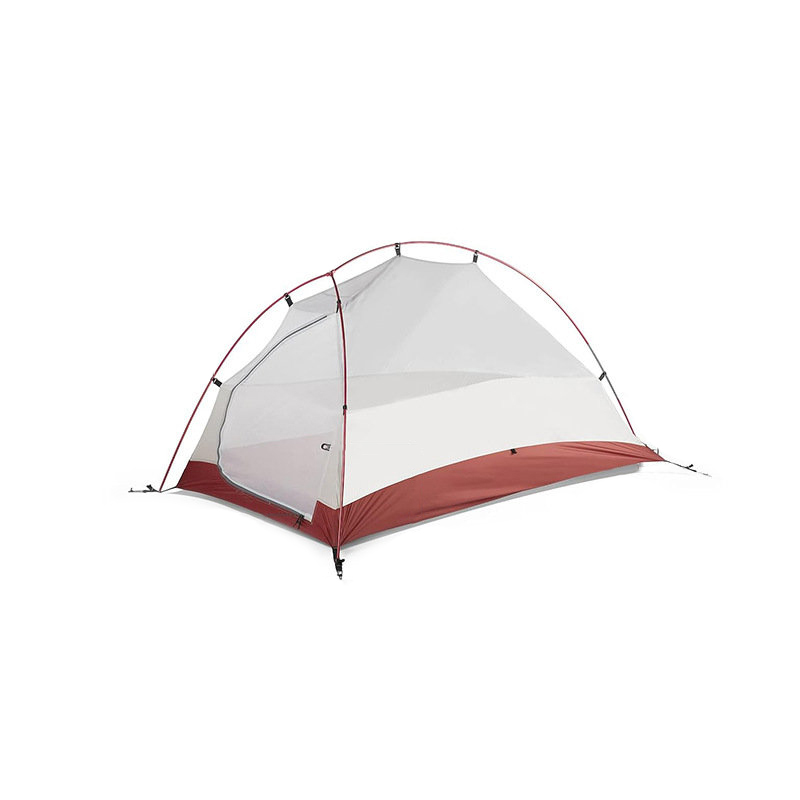
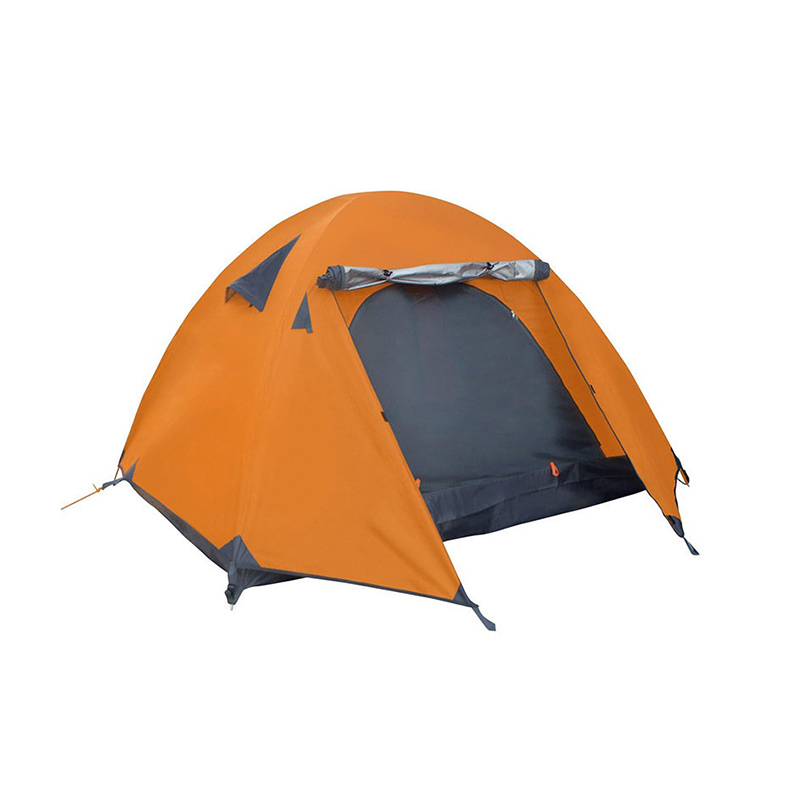
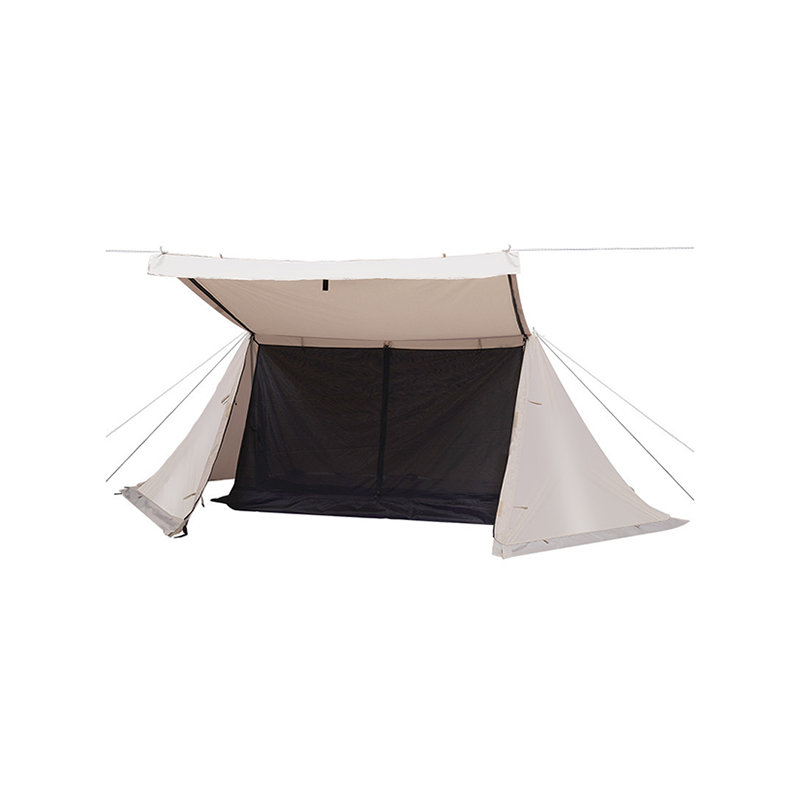 Manual Setup Camping Tents with Reinforced Seams and Bathtub FloorsWith PU-coated fabrics and taped seams, these tents address the leak-prone seam lines and vulnerable flat floors, offering dependable protection for wet ground conditions.View Product →
The floor sits on wet ground, so it carries the heaviest load. A bathtub floor — where the floor fabric extends up the walls by roughly 15 to 20 centimetres — lifts the seam line above the ground and keeps standing water outside. Flat-floor designs are far more vulnerable at the edges.
Check three things:
Flysheet coverage controls how much water reaches the tent body. A full-coverage fly reaches close to the ground, shielding the inner tent and creating a dry buffer zone. A half-coverage fly leaves the lower walls exposed, and wind-driven rain will soak them quickly.
Press the fly fabric between two fingers. A coated fly has a slightly tacky feel on the coated side — that is the polyurethane layer doing the waterproofing. Silicone-coated fabrics feel smoother and age better under UV but require different sealants. On an older tent, if the coating feels crumbly, looks dull, or flakes when scratched, the waterproofing is gone and no spray-on treatment will restore it. Tents built with robust coated fabrics, such as air-column inflatable models, are designed to withstand repeated exposure without the coating breaking down.
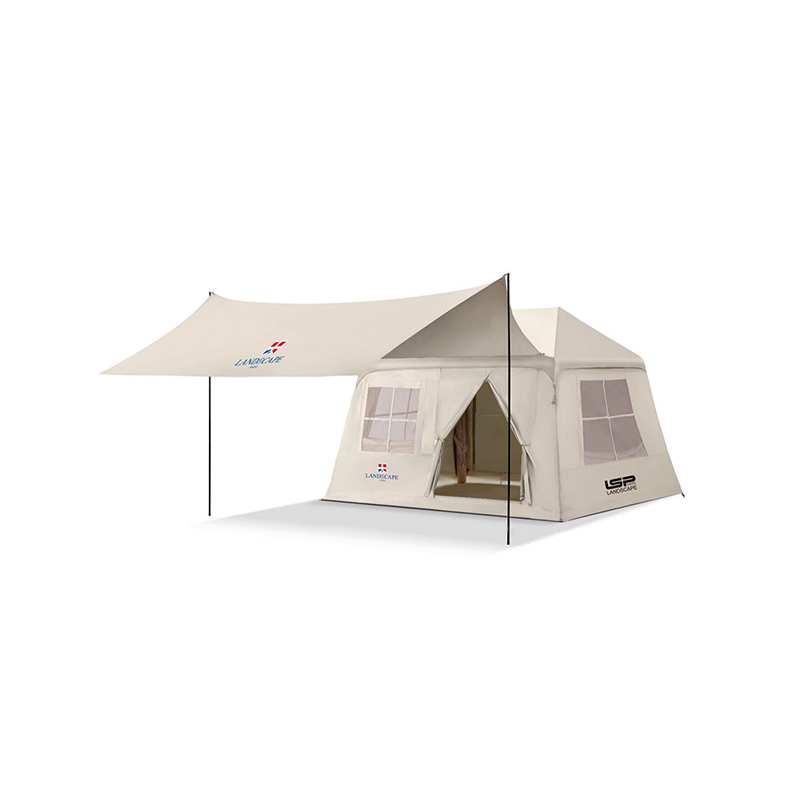
Air-Column Inflatable Tents with Durable CoatingsFeaturing TPU air columns and coated Oxford or cotton fabrics, these inflatable shelters resist coating breakdown, addressing the aging and flaking concerns noted in the guide.View Product →
Condensation is not a leak. Water droplets forming on the inside of the flysheet on a cold morning are normal. A leak is dripping water, pooled water on the inner floor, or a wet patch growing along a seam.
Ratings and inspections tell you a great deal, but direct testing builds real confidence. Set the tent up on a dry, warm day. Use a hose with a spray nozzle and soak every side for at least ten minutes, concentrating on ridgelines, corner seams, zips, and the tub floor edges. Bring the spray close enough to mimic wind-driven rain, because vertical water is rarely the real threat.
While the outside is being soaked, have someone wait inside with a torch. Watch the underside of the fly for droplets, follow the seam lines with your fingers, and check the inside corners of the floor. Test the door zips too, because a zip that lets water in is a flaw no rating will reveal.
Do not run this test on a damp day. The tent must dry completely afterwards; packing it away wet invites mildew that can destroy a coating within weeks.
If the tent stays dry through the hose test and dries fully afterwards, it is in solid shape for three-season camping and most heavy-rain trips.
If your tent leaks, identify the cause before replacing anything. Seams can be re-sealed with tent-specific seam sealant brushed along the underside. A worn DWR finish can be revived with a treatment formulated for tents — never a jacket treatment, because the chemistry differs and can damage a PU coating. Small pinholes in the floor are patchable with dedicated tent repair tape.
Never machine-wash a tent or tumble-dry it. The agitation destroys the coating, and heat melts the seam tape. A tent that has been through a washing machine is rarely worth saving.
Set a limit, though. If the coating is decomposing, the tub floor has worn through in several places, or the seam tape is lifting along every seam, the tent has reached the end of its service life. Replacement is the honest answer. When you choose the next one, the same five checks will settle the question in one evening.
A tent is waterproof as a system, not as a label. The rating establishes a baseline, the seams decide where water gets in, the floor handles what the ground throws at it, the fly determines how much water ever reaches the inner tent, and the hose test confirms the whole chain. Ten minutes with these checks will tell you exactly what to trust.
For more on how camping tents manage both water and wind in real conditions, see whether camping tents are effectively waterproof and windproof.