

 English
 中文简体
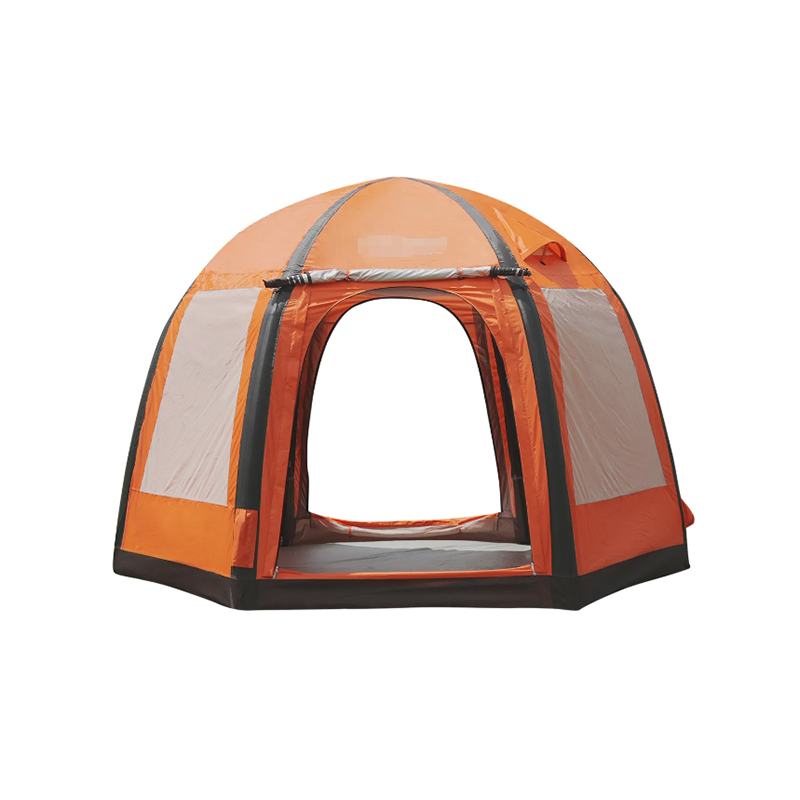
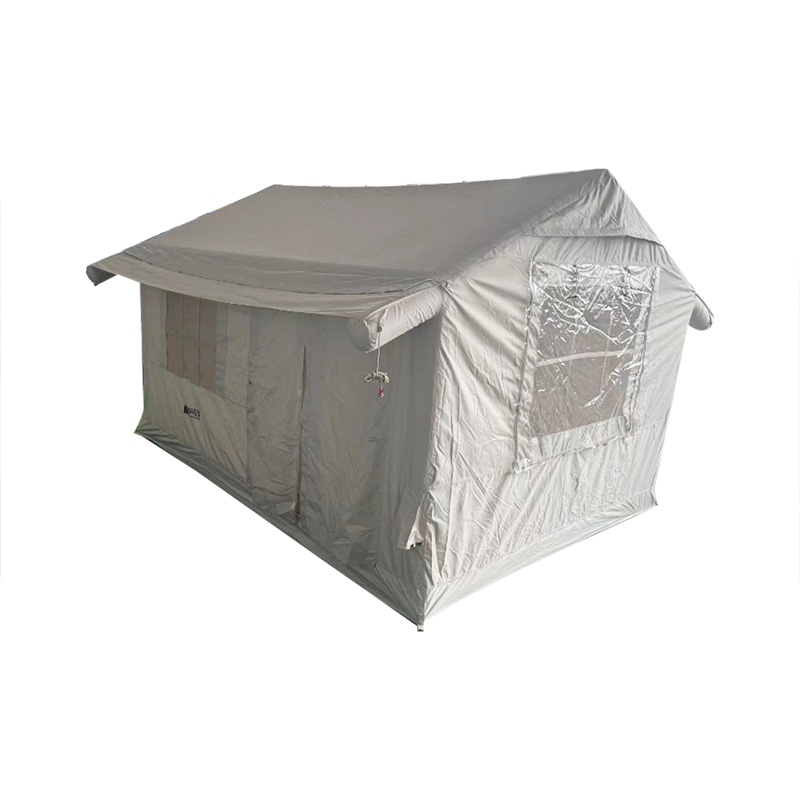
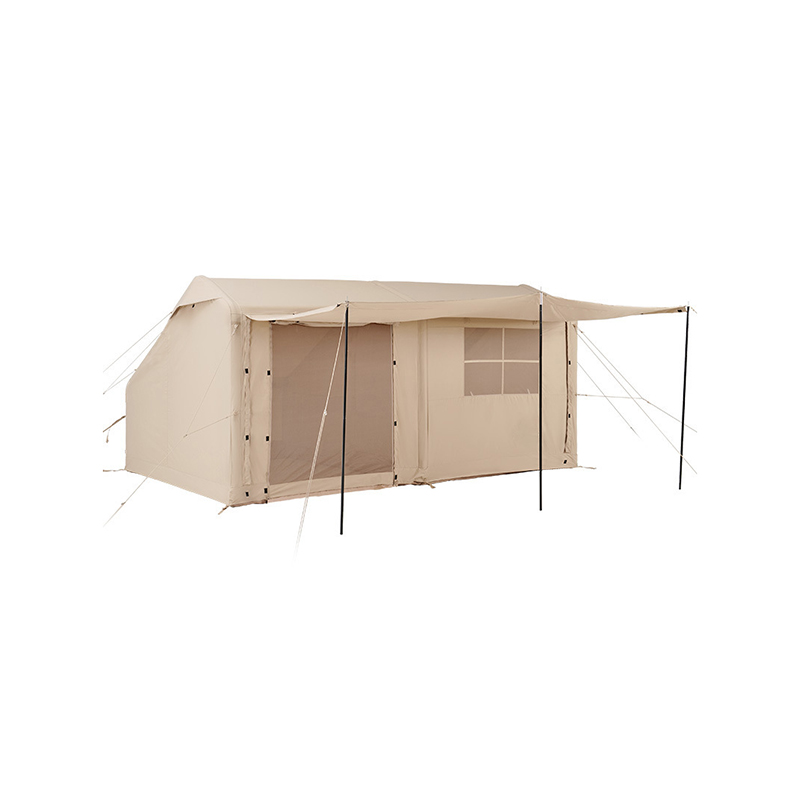
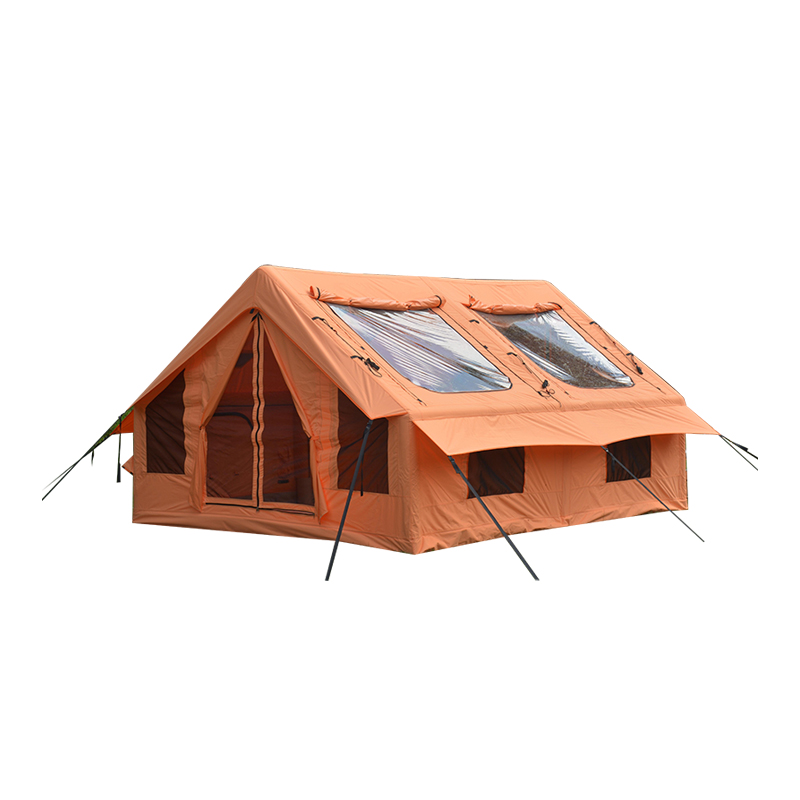
中文简体Hemispherical Inflatable Tent 2 Doors 4 Windows

Buyers compare fly fabrics, pole counts and packed weight. Ask anyone who has woken up in a puddle, though, and the comparison should start lower — with the tent base, the one surface that touches the ground all night.
The blunt conclusion first: tents are retired from the bottom up. The floor takes more abrasion, more point pressure and more moisture than any other part of the shelter, and once a base fails, a sound tent becomes a wet sleeping-bag holder within a single storm. The base — floor fabric, waterproof coating, bathtub walls and the ground beneath — is where purchase decisions and care habits pay back fastest.
What follows is the practical version: what the base is made of, why it fails, and how footprints, site choice and floor specs change the outcome.
Most floors are woven from polyester or nylon, and yarn weight — measured in denier — is the first toughness indicator. A 20D nylon floor saves grams but punctures on a hidden stick; 70D is the common all-round choice; 210D oxford and heavier woven PVC belong to car-camping and long-pitch tents. Denier alone proves nothing — weave density and coating quality matter just as much — but it is the first number to compare.
Waterproofing lives in the coating: polyurethane (PU) is standard on woven floors, while heavier family and event tents often use PVC films. Performance is rated by hydrostatic head — the water column a fabric resists before it leaks. Floors commonly spec between 1,500 and 5,000 mm, and around 2,000 mm or more handles sustained ground contact and body weight. Past a certain point, higher numbers are a figure on a label, not extra comfort.
The base is more than the panel you sleep on. Raised bathtub sidewalls — usually 10 to 15 cm of the same coated fabric — climb the perimeter and block runoff and splash, which is why tents without them lean heavily on the fly and on site selection. The seam where floor meets wall is the stress point, so taped or factory-sealed floor seams are worth confirming in any spec sheet.
The failure pattern is predictable. Abrasion comes first: grit pressed under the floor grinds the coating a little more every time someone shifts their weight. Puncture comes second: roots, stones and thorns concentrate the load of a sleeping body onto a few square millimetres. Hydrolysis comes last and slowest — PU coatings are moisture-sensitive and break down from the inside, especially when a tent is packed damp and stored warm. A fly can look years old and still be structurally sound; a floor with flaking coating is already leaking.
Water rarely beats a tent wall head-on. It gets in where fabric is pressed against stone, root and wet ground — which is why a base deserves the first look at purchase and the last look at pack-up.
A footprint is a sacrificial sheet of polyester, nylon or PU film laid between ground and base. It absorbs the grinding that would otherwise reach the tent floor, and replacing one costs a fraction of replacing a floor. One sizing rule decides whether it helps or quietly causes leaks.
Used correctly, one sheet does several jobs at once:
There is a free version, too: a foam mat or doormat inside the door, so boots stay off the floor panel. On long-pitch sites — glamping units, event tents, basecamps — a full groundsheet plus daily sweeping does more for floor life than any coating upgrade.
The best surface is firm, drained and free of point loads. Short grass over firm soil, packed sand and deep pine duff are the classics because they conform without staying wet; fine gravel works well with a footprint. The surface matters less than the micro-terrain — where the water will go at two in the morning.
Snow should be compressed before pitching: stamp out the platform with boots and give it 20-30 minutes to firm up, or the floor will punch through unevenly as body heat melts the surface. Wooden platforms are comfortable but usually exclude stakes, so plan on rocks or snow anchors. For the full sequence, from site selection to the last guyline, see our guide to the methods for setting up a camping tent.
Backpacking floors trade durability against carried weight, and the smartest combination is often a light floor plus a footprint — the system weighs less than a heavy floor, and the sacrificial layer is the replaceable part. Four-season and expedition tents reverse that logic: heavier denier and higher hydrostatic head are standard equipment, because rough ground, snow contact and long storms are assumed.
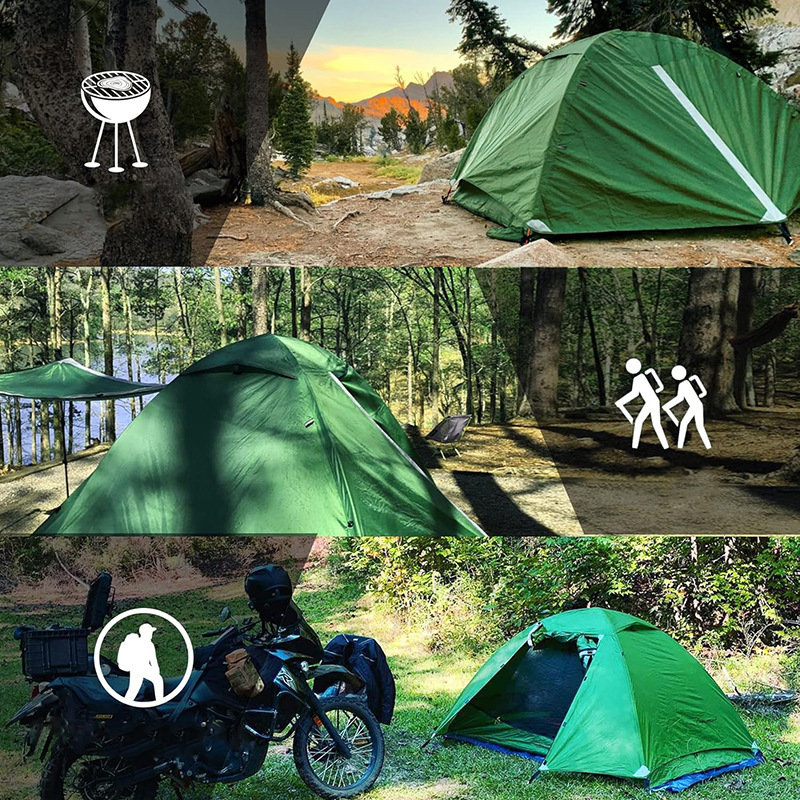 Four-Season Hiking Tent for All-Weather BackpackingA waterproof, windproof double-layer tent built for harsh mountain and blizzard conditions. With a moisture-resistant floor and quick setup, it suits long treks where a durable floor matters most.View Product →
Family and basecamp tents live on grass for days or weeks, so floor specification matters more than packed size. Heavier oxford weaves with PU or PVC coatings shrug off chairs, coolers and constant foot traffic, and a good bathtub wall handles sprinklers and storms. When a tent stays up for long, lift and dry the floor edge after heavy rain — grass trapped underneath stays wet and quietly feeds moisture into the coating.
On ice and snow the base changes jobs. It is no longer just a waterproof barrier but the main thermal break between a sleeper and a surface that can sit far below freezing. That is why dedicated ice-fishing shelters are built differently from three-season tents: fully waterproof polyester skins, floors shaped for snow contact and skirted edges that block wind under the fabric. Closed-cell foam mats inside the sleeping area complete the system, because insulation belongs on both sides of the floor.
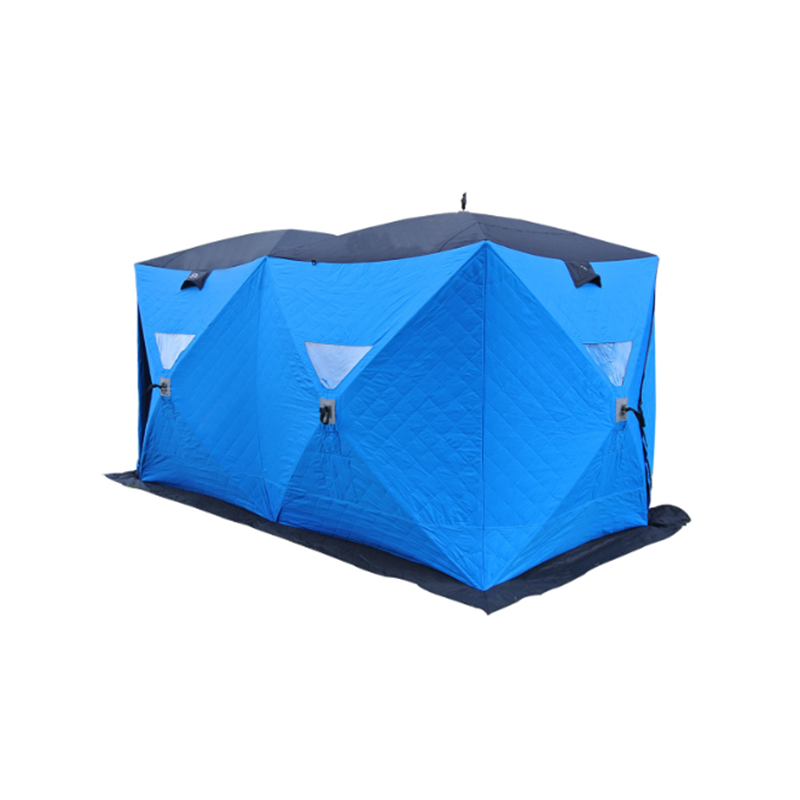 One-Piece Ice Fishing Tent for Extreme ColdThis insulated, one-piece ice fishing tent sets up quickly and features padded windproof materials, snow-friendly construction and transparent windows, making it a proper thermal barrier for fishing on frozen ground.View Product →
Whether you are comparing finished tents or briefing an OEM/ODM supplier, the base rewards close reading. Denier, coating type, hydrostatic head and taped floor seams tell most of the story:
| Floor fabric | Typical weight | Common hydrostatic head | Best suited to | Watch for |
|---|---|---|---|---|
| 190T polyester, PU coated | Light to mid | 1,500-3,000 mm | Budget family and festival tents | Coating ages quickly if stored damp |
| 70D nylon, PU coated | Light | 3,000-5,000 mm | Hiking and backpacking tents | Punctures more easily at low denier |
| 210D oxford, PU or PVC | Heavy | 3,000-5,000 mm | Car camping, basecamps, long stays | Adds real packed weight |
| Woven PE or PVC film | Heavy | Fully waterproof sheet | Event, glamping and inflatable tents | Stiff in cold; needs level ground |
One sourcing note: coating quality varies more between factories than fabric weight does. If you are ordering rather than shopping, ask how the coating is applied, how floor seams are sealed and what a sample actually tests at — not just what the label claims. Long-pitch family and event models are the clearest case for heavier construction: floors built for weeks of contact, as in our inflatable family tent range, hold up for seasons where weight-optimised fabrics do not.
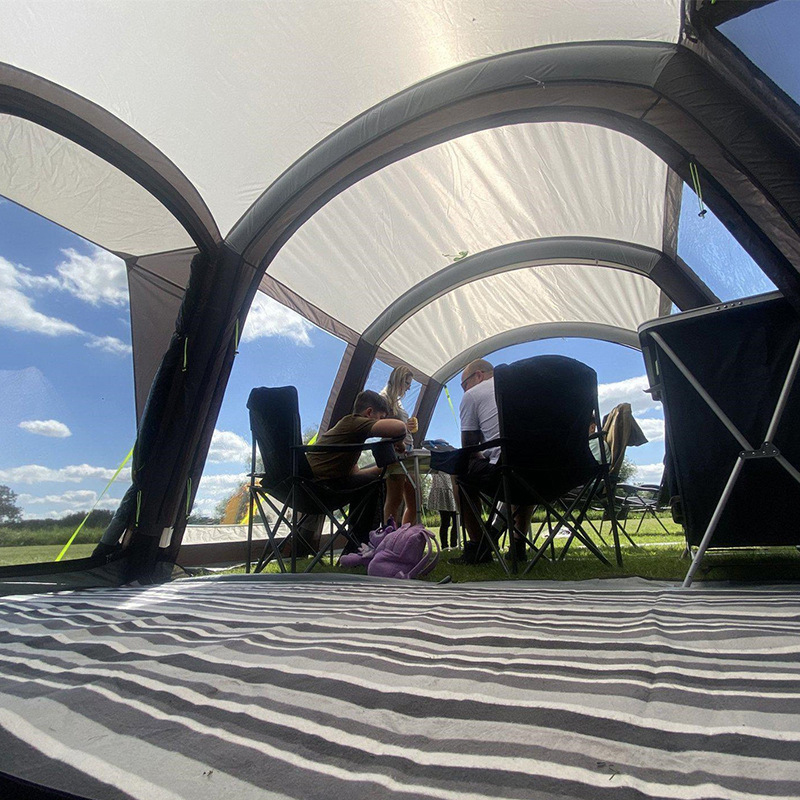 Inflatable Family Tent for Long Basecamp StaysSleeping up to six with flexible bedroom layouts, an inflatable air-column frame and sealed living-area flooring, this tent offers the heavy-duty floor construction that long family or event camping requires.View Product →
None of this needs workshop skills. Five habits cover nearly all of it:
Judge a tent from the ground up. Fabric and coating decide whether water stays where it belongs, footprint sizing and site choice decide how fast the base ages, and storage habits decide whether the coating survives the years between trips. Get those three layers right and the rest of the shelter rarely gets the chance to disappoint.
If you are specifying tents rather than buying one, raise the base early in the conversation. Floor construction is one of the easiest places for a factory to trim cost — and one of the hardest details for an end user to forgive.