

 English
 中文简体
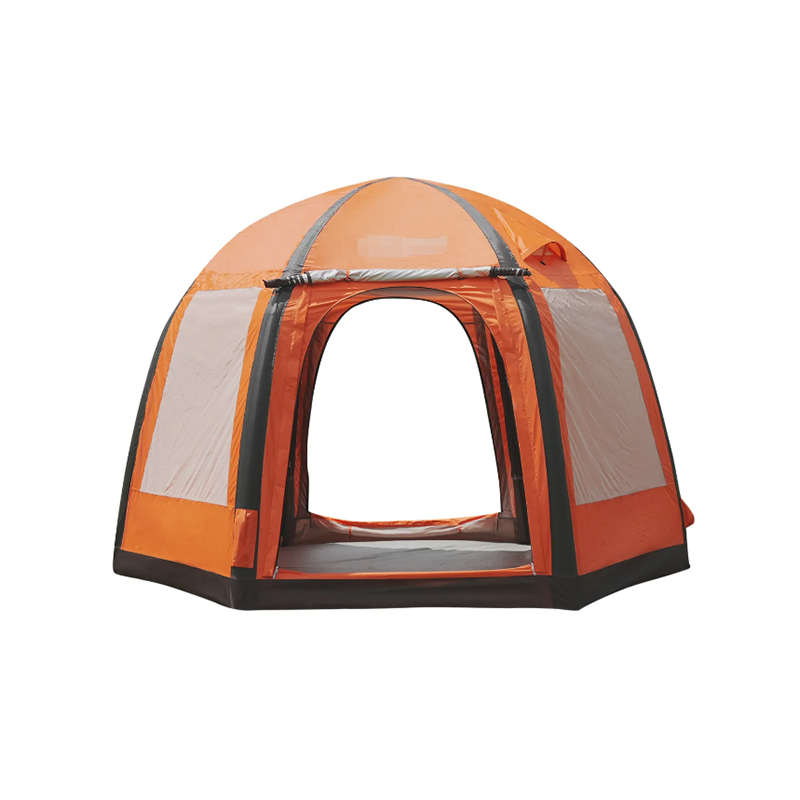
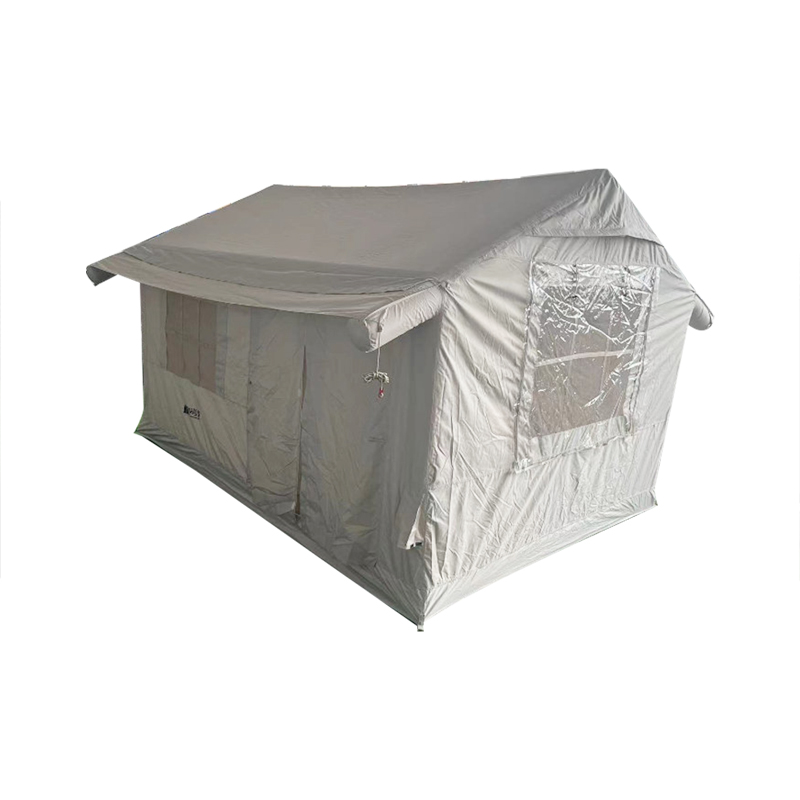
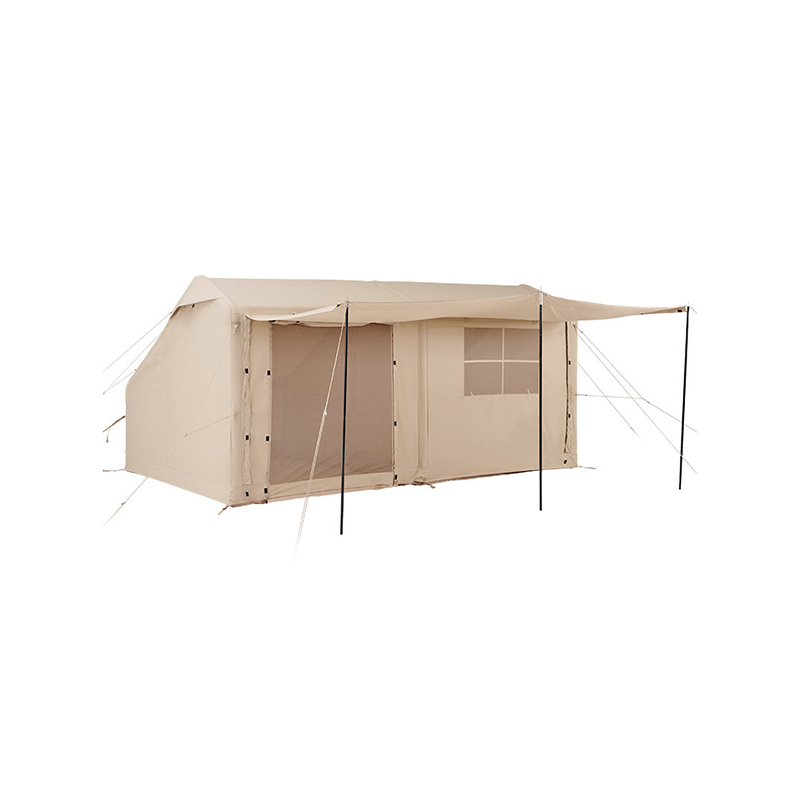
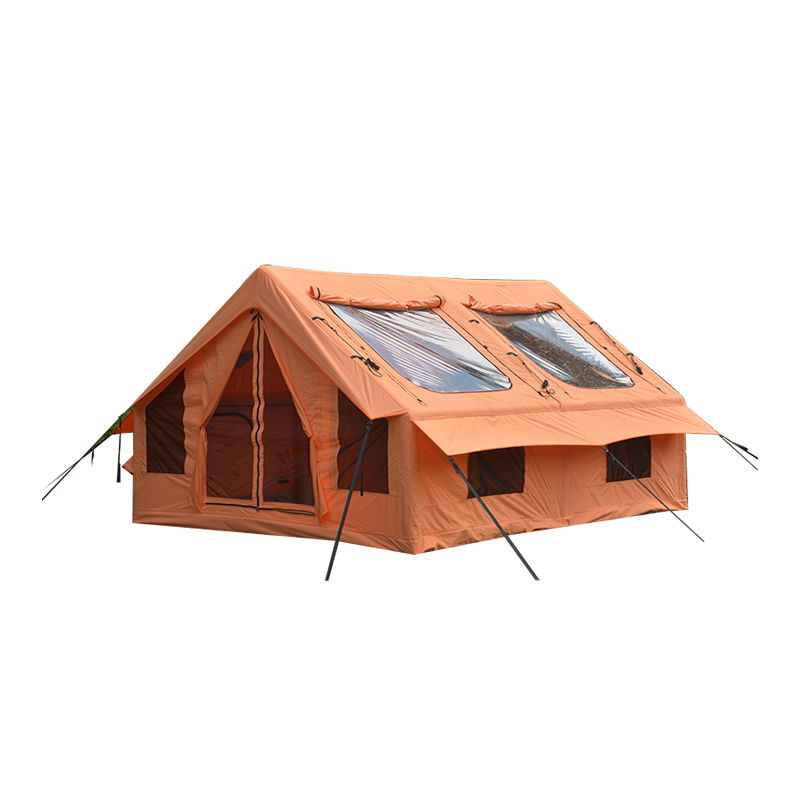
Hemispherical Inflatable Tent 2 Doors 4 Windows

A field-minded guide to shelter, sleep, food, shade and the practical checks that keep a dog comfortable without turning the campsite into a gear showroom.
The gear that works is not the longest list. It is the handful of items that keep a dog warm, dry, visible, fed and welcome inside the tent at 2 a.m. Start with shelter, sleep insulation and a reliable containment plan; toys and outfits can wait. The rest of this guide explains the trade-offs behind that order, with the buying checks that matter on real campsites.
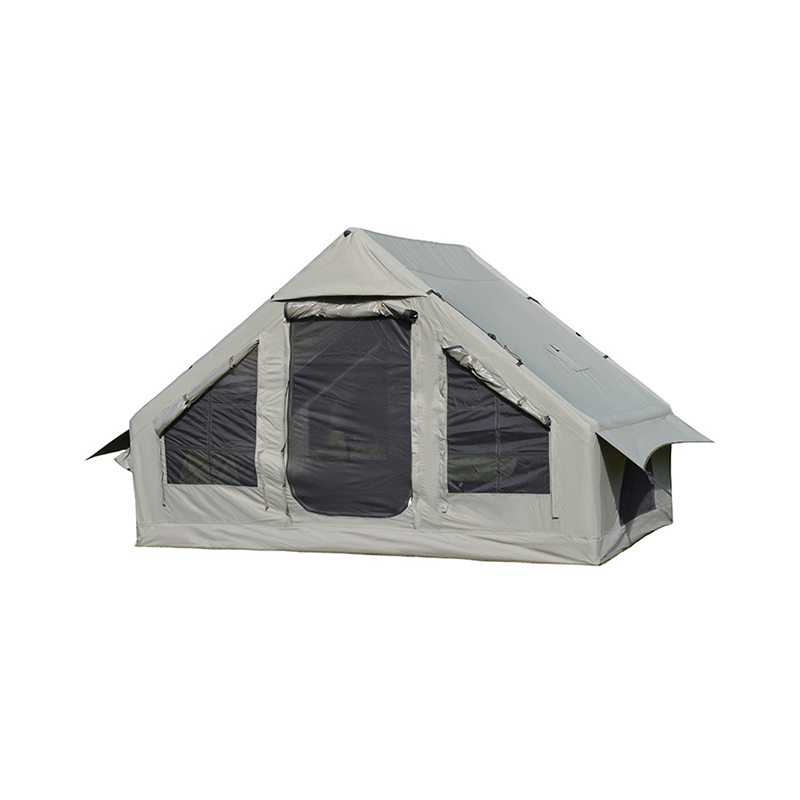
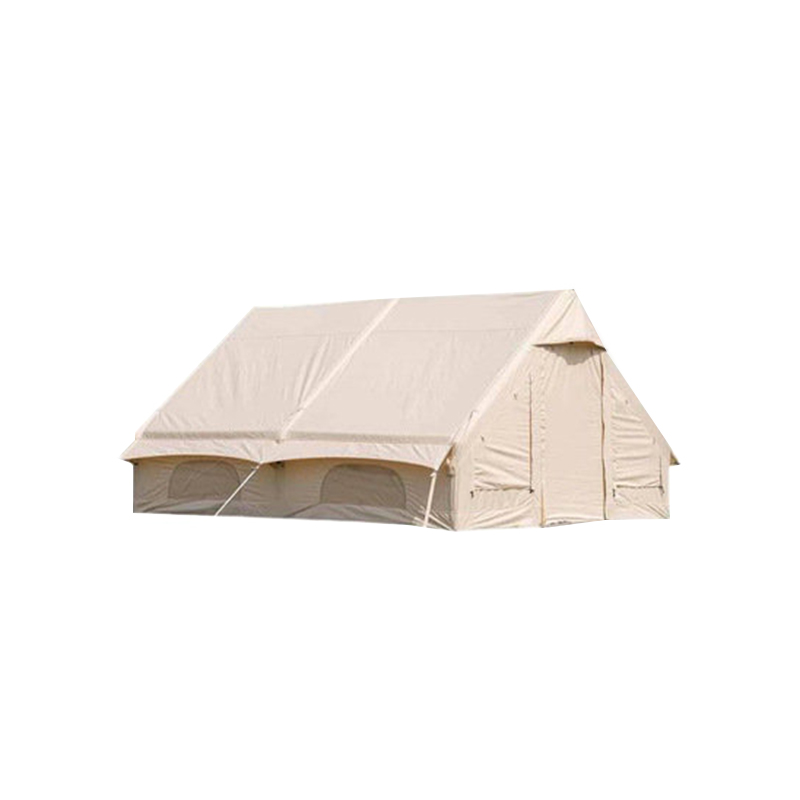
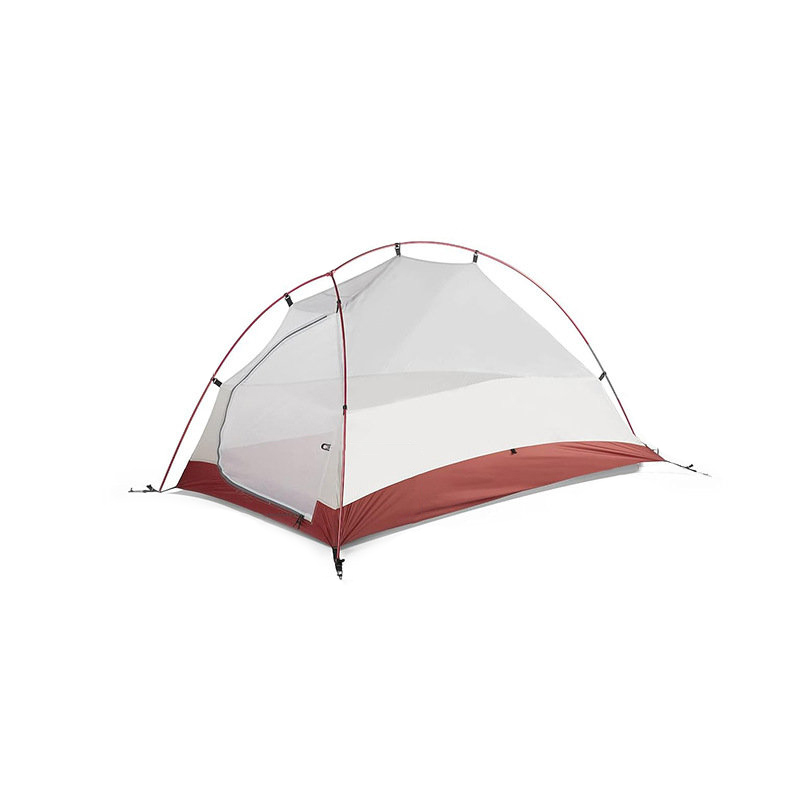
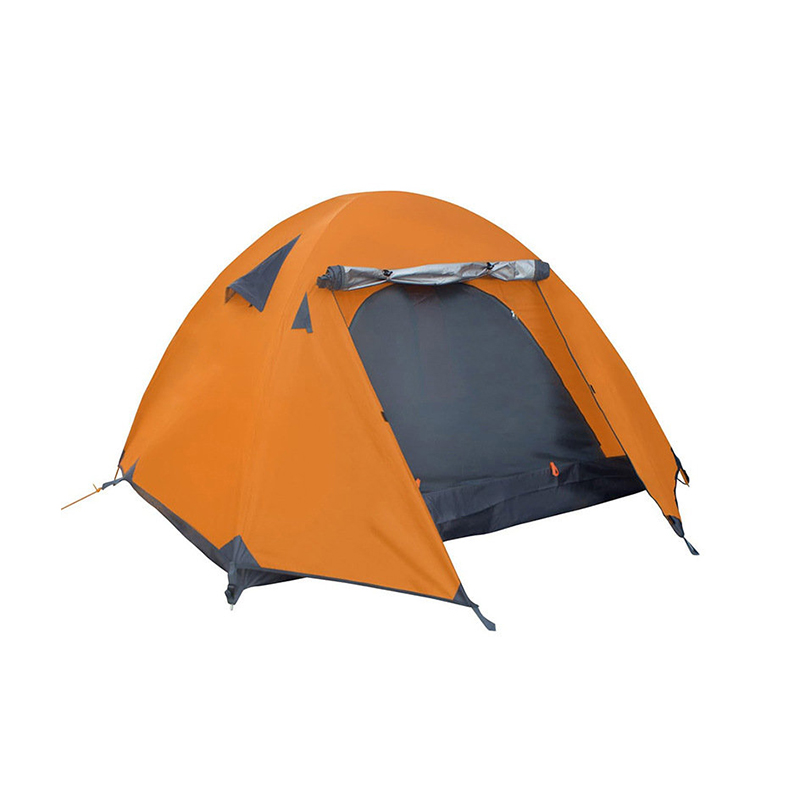
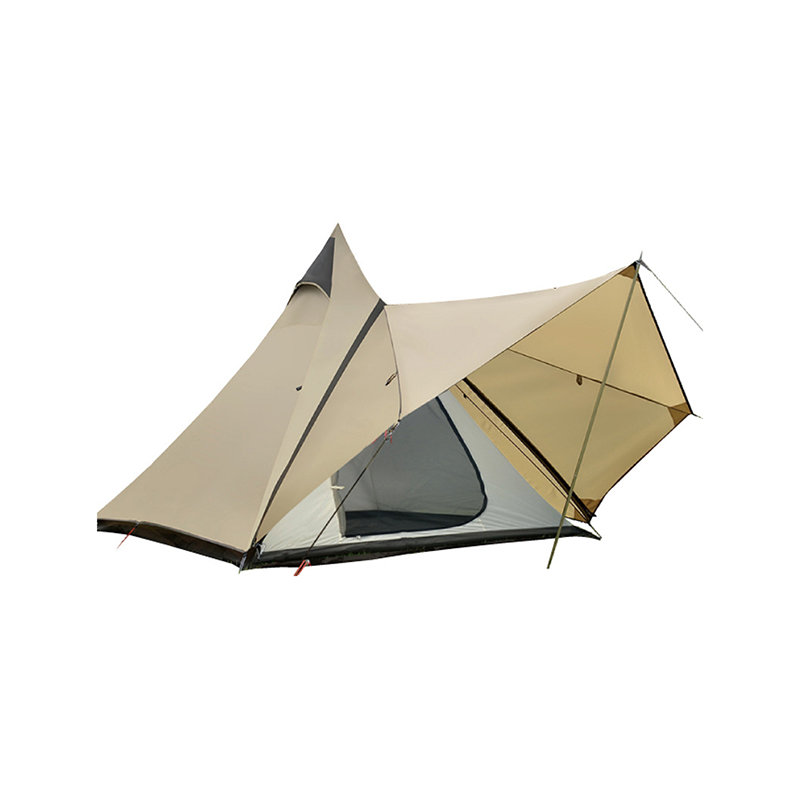
Tent choice matters more than most dog-specific accessories. A 20D ultralight floor is a poor match for a 35 kg dog with uncut nails; a 150D–300D Oxford floor, plus a footprint or small groundsheet, is a more realistic base. Look at door height, vestibule size, and how much floor area remains after sleeping pads and a dog bed are laid out. A wide low door helps older dogs; a vestibule gives you a place to wipe paws before the dog enters the sleeping area.
Ventilation is a dog issue as much as a weather issue. Dogs add body heat and moisture. In humid or cold conditions, closed tents condense; two adults plus a dog can turn a dry night damp by morning. Choose a tent with cross-ventilation and use it, even when the night is cool. For campers who want a short pitch after a long drive, quick-set models have a clear advantage, but the floor protection still matters. For backpacking or longer stays, the manual-setup range is more about weight and pack size than speed.
Open and close the door with one hand while wearing a headlamp. If the zip catches, the threshold is high, or the inner door needs two hands, it will be harder with a leash in one hand and a damp dog in the other. Buy for the routine you will repeat in the dark, not the pitch you see in a showroom.
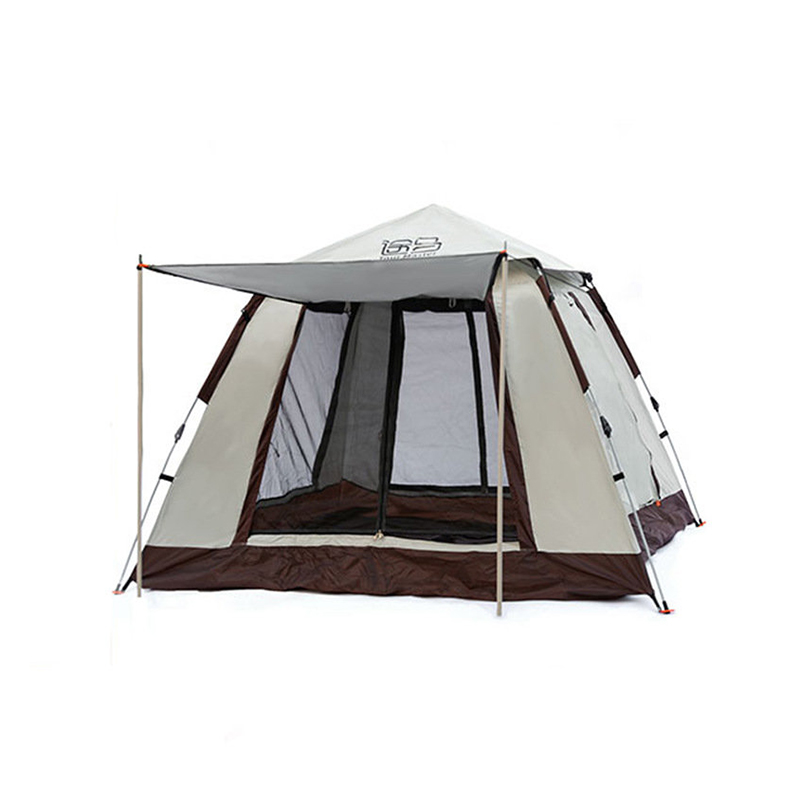 Quick-Set Camping Tents and Instant SheltersBrowse quick-open tent options for short trips and simpler pitching when you need fast setup with limited hands or fading light.View Product →
A dog does not need a miniature human sleeping bag; it needs insulation from the ground and a familiar surface. Cold ground drains heat faster than cool air. A closed-cell foam pad or a well-insulated inflatable mat, covered with a washable fleece, is often the most useful sleep item you can pack. Test it at home: if the dog slides off or chews the valve, you learn before the campsite.
A dog settles faster on a surface it recognizes than in a tent that merely looks spacious.
For colder trips, add a dog-specific blanket or a puffy layer that can be removed if the dog runs hot. Avoid overheating under a shared quilt. Senior dogs, thin-coated breeds and puppies need more insulation; heavy-coated breeds may prefer less. Keep the sleeping zone separate from food and water so a damp nose does not turn the tent floor into a feeding station.
Information: Pack one familiar blanket and one washable cover. Recognition does more for settling than a new toy, and the cover protects the pad from mud and hair.
Camping with dogs gear includes storage, not just bowls. Portion kibble at home into sealed bags or a scent-resistant container; keep it closed between meals and away from the sleeping area. A collapsible bowl is convenient, but it should be washed and dried rather than left out overnight. Carry more water than the route suggests, especially in heat, and offer it at every stop rather than waiting for camp.
Waste management is part of leave-no-trace camping. Carry it out where rules require, and keep a small supply of bags accessible. If the campsite has shared water points, use a dedicated bottle or bowl; do not let a dog drink from taps or still water that may carry parasites. The first-aid pouch belongs with the human kit, not in a separate bag that stays in the car.
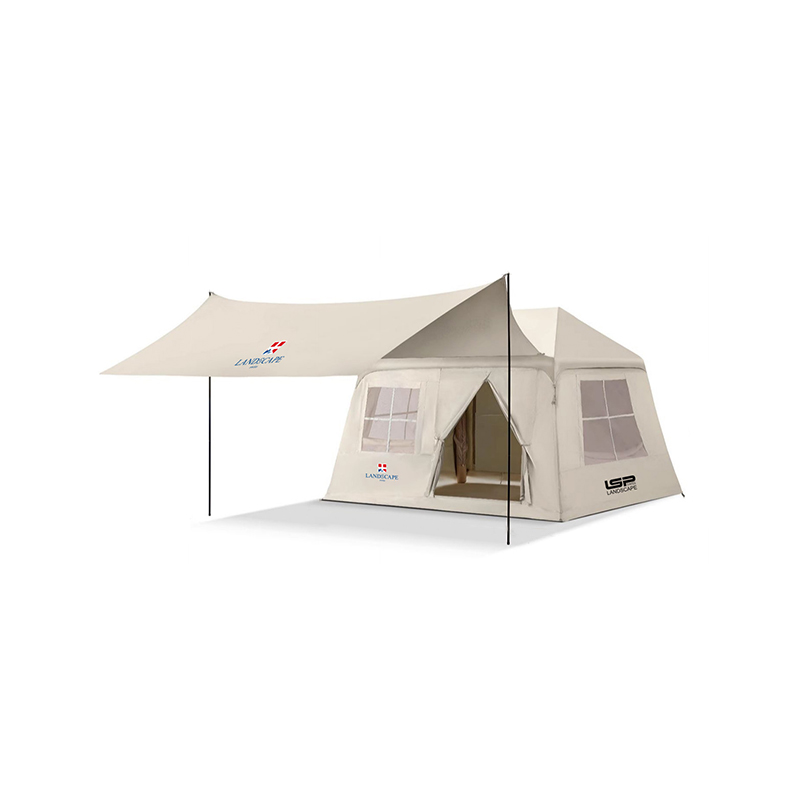
At camp, shade and a controlled tether line do more than a stack of toys. A screen house or shaded tarp gives a dog a place to lie out of the sun while the group cooks, reads or repairs gear. Use a swivel tie-out only under supervision; never leave a dog tied and unattended. The line should be short enough to prevent tangling but long enough to reach shade and water.
Choose a pitch with the dog in mind: quieter edges, some tree cover, no hot metal or exposed hook-ups, and access to a legal leash route. If you are new to a site, check the campsite selection notes before you commit to the first flat patch. Dogs often settle faster when they can see the group and when the tent is pitched before the light fades.
 Hexagonal Mesh Camping Screen HouseA roomy hexagonal mesh shelter that keeps airflow and views open while blocking mosquitoes, useful for group camping and daytime camp life.View Product →
A car-based trip adds heat, transport and containment decisions. A crate or seat cover protects the interior; a seat-belt tether keeps the dog from becoming a projectile; window shades and water breaks matter on long drives. At camp, a vehicle-adjacent tent can be convenient, but dogs should not be expected to climb a roof ladder. If the dog sleeps in the vehicle, leave ventilation and never leave it alone in a closed car.
An air rooftop tent can extend the vehicle base for the humans, while the dog’s sleep zone stays on the ground or in a secure annex. Plan the sequence: park, shade the car, walk the dog, pitch the tent, then set the dog bed. The order reduces jumping, tripping and the chance that a dog runs through a guy line.
 Inflatable 2-3 Person Air Rooftop Tent with AnnexA quick-inflating rooftop tent for two to three people, with an annex and ladder, suited to vehicle-based trips where setup time and space matter.View Product →
Use the table as a buying filter rather than a packing list. The goal is to identify the few items that solve a recurring problem for your dog and your style of camping, then test those items before a long trip.
| Item | Problem it solves | Buying check | Space or weight |
|---|---|---|---|
| Tent floor protection | Puncture, damp and muddy paws | 150D–300D Oxford floor or a separate footprint | Moderate |
| Dog sleep pad | Cold ground and slipping | Insulated, washable cover, no chewable valve | Moderate |
| Tie-out line | Supervision and tangling | Swivel line, short lead, never unattended | Low |
| Water system | Dehydration and shared water risks | Bottle plus bowl, refill points known | Low to moderate |
| Food storage | Scent, wildlife and damp food | Sealed, portioned, closed between meals | Low |
| Shade | Heat and waiting around camp | Screen house or tarp with airflow | Moderate to high |
| First aid | Cuts, ticks and minor issues | Vet wrap, antiseptic, tick tool, vet number | Low |
Test the sleep mat, new tent and tether line at home or on a short local trip. A dog that has never slept in a tent may pace, scratch or bark; a familiar blanket and a bedtime routine reduce that. Keep the first trip short, pitch in daylight, and feed the main meal before the light goes.
Use a double leash or spare line, an ID tag with current details, and a light for late walks. A tent is not a crate. Do not leave a dog inside a closed tent as a substitute for supervision. If the dog is wet, muddy or anxious, solve that first; the tent can wait.
Warning: Never tether a dog to the tent itself. Use a separate, supervised tie-out line away from guy lines, stoves and traffic, and bring the dog inside when it is wet, cold or distressed.
The right camping with dogs gear is not a catalogue of accessories. It is a system: a protected floor, insulated sleep, controlled food and water, supervised containment and a shelter that can be ventilated. When those five pieces work, the trip feels less like managing a dog around a campsite and more like sharing one.
Buy for the dog you have—its size, coat, age and habits—not the dog in an advert. That standard is harder to market, but it is easier to live with at 6 a.m. when the tent is damp, the water bowl is missing and the dog is ready to walk.
Takeaway: Solve warmth, water, waste and containment first. Every other purchase should earn its place after those basics are reliable.