

 English
 中文简体
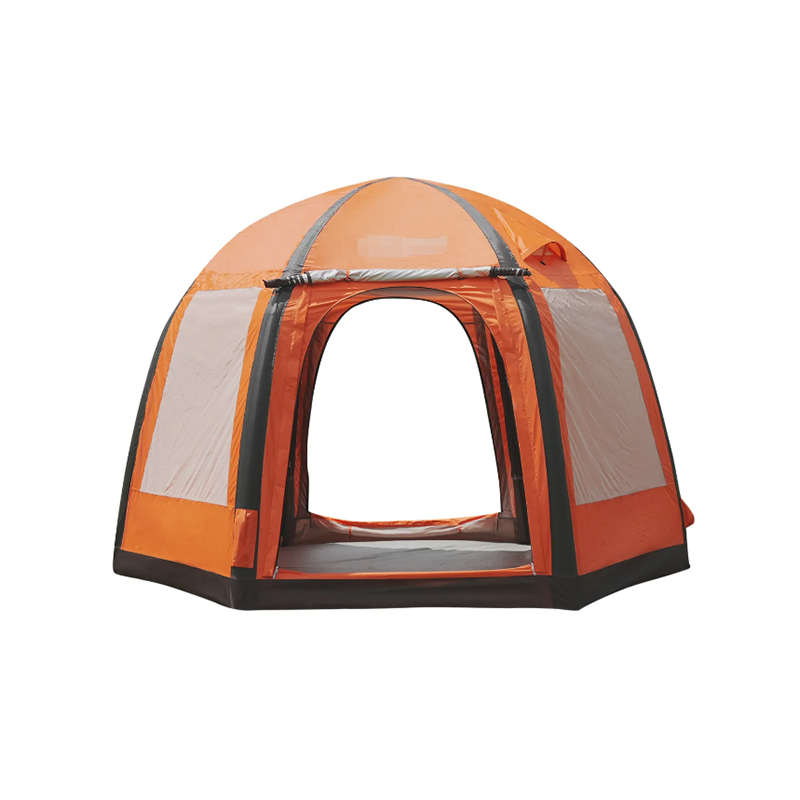
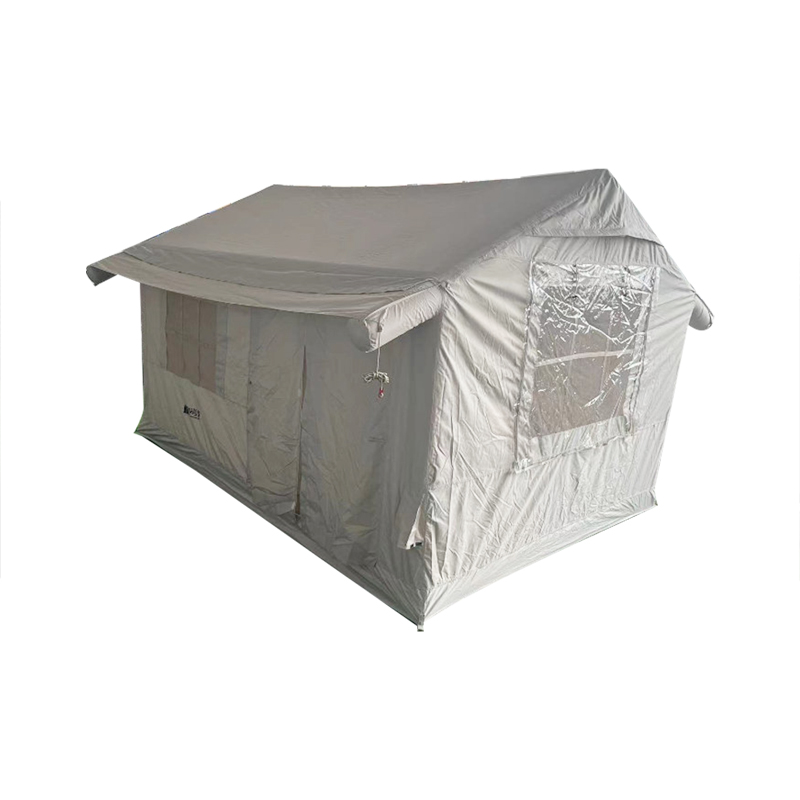
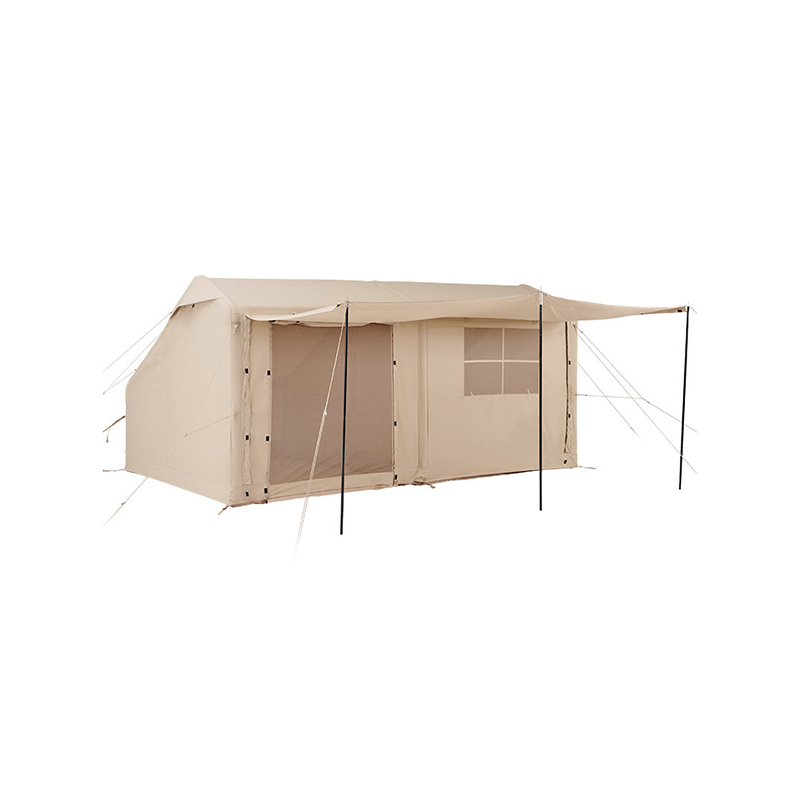
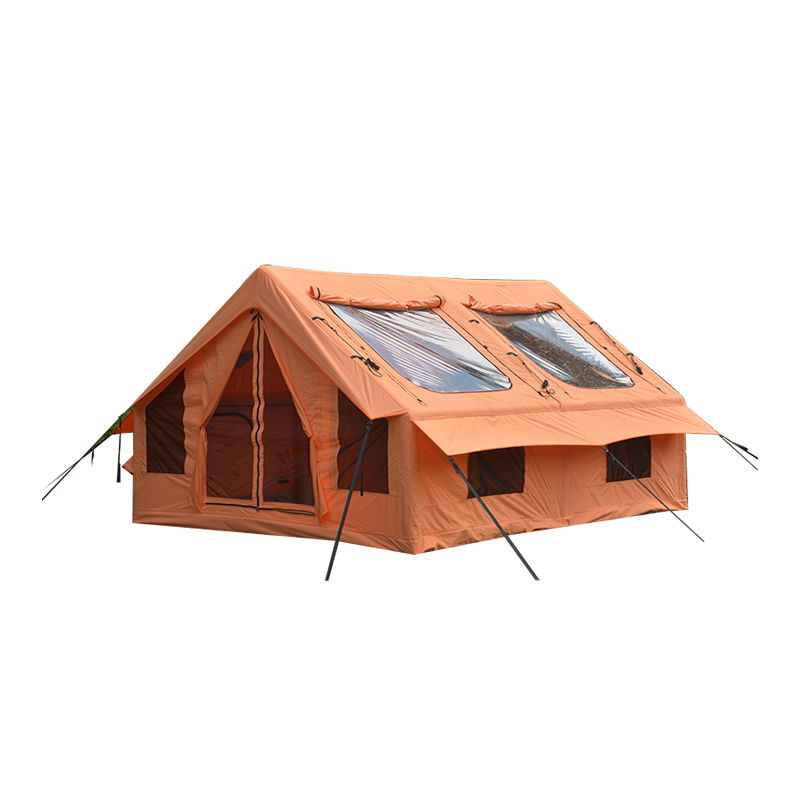
Hemispherical Inflatable Tent 2 Doors 4 Windows

Camping Inflatable Air Tent: The Four Numbers That Decide Performance
Setup measured in minutes, stiffness measured in PSI, and a frame that either holds its shape in a gust or quietly folds in on itself.
Unzip the bag, attach the pump, and most mid-size camping inflatable air tents are standing in six to twelve minutes. Leave that same tent on a cold ridge overnight at three PSI and the roof dips far enough to hold water. Neither outcome is a defect. Both come from the numbers printed on the beam sleeve, and those numbers matter far more than the shape in a brochure photograph.
An air tent replaces poles with inflatable tubes, usually a PVC or TPU bladder inside a woven sleeve. The trade-offs are predictable: fewer loose parts, a flatter learning curve for occasional campers, and a hard dependency on pumps, valves and airtight welds. Work through four specifications before anything else: working pressure, beam diameter, fabric weight, and the number of independent air chambers holding the frame up.
The short version: choose air tents for repeatable pitch times and generous interior volume, and accept only models with a printed pressure rating and chambers that inflate separately.
Beam diameter, not pressure, sets how much load a tube carries before it bows. Most camping air tents use beams between 100 mm and 200 mm across, and a 200 mm beam at five PSI resists bending far better than a 120 mm beam at the same reading. Pressure fine-tunes stiffness inside that geometry; over-inflating a thin beam to chase stiffness simply loads the seams.
Chamber layout is the quieter specification. A single connected frame inflates quickly but fails as a unit, so one puncture at a corner drops the whole tent. Three or four independent chambers mean a failure leaves something ugly but still standing, and for family or rental use that difference outweighs an extra minute of pumping.
Pressure is not a score to maximise. Every extra PSI pushes against the same welds, and a tent inflated drum-tight on a hot afternoon is over-pressure by evening. Set the working pressure from the sleeve, then re-check it after the tent has stood for an hour rather than thirty seconds after the pump stops.
| Specification | Typical range | Why it matters | Symptom when it is wrong |
|---|---|---|---|
| Working pressure | 3 to 8 PSI | Beam stiffness and wind resistance | Flutter in gusts, sagging roof after a cold night |
| Beam diameter | 100 to 200 mm | Load carried per tube | Bowing roof, water pooling on the canopy |
| Fabric weight | 150D to 600D | Puncture, abrasion and UV life | Chalky coating and cracking within a season |
| Valve type | Pinch, Boston, twist-lock | Inflation speed and pressure retention | Slow overnight leak, incomplete deflation |
| Chamber layout | Single frame or independent | Failure isolation and repair | One puncture collapses the entire tent |
Cold and altitude pull pressure down; heat pushes it up. A roof tent inflated to six PSI in a warm valley reads higher once the sun is on it, while a mountain morning at the same nominal pressure leaves beams noticeably softer.
Altitude and heat change the pressure inside a sealed beam. Bleed a little air before driving a roof tent over a pass, and re-check pressure at dawn rather than at midday, when solar heating peaks.
Capacity labels count sleeping bodies on mats. They ignore duffels, coolers, wet dogs and the chair you want indoors when it rains. Treat the printed figure as an optimistic maximum and step up one size if the tent will be a basecamp rather than a single-night shelter.
Check where the height sits, too. A tunnel profile may offer two metres at the centre and 1.2 m at the foot end, which decides whether you can dress standing up at both ends. Weigh the packed bag before committing: a large air tent with its pump runs 25 to 40 kg, reasonable in a car and unreasonable on foot.
In wind, an air frame bends where a pole would break, and that flexibility is genuine. The cost is movement: a beam that flexes also rubs, and abrasion at the guy points is what ends most air tents. Use every line, keep tension even, and re-tension once the first evening wind settles. Frame geometry in gusts is covered in more detail in this guide to how inflatable tents perform in high winds, including why tall tunnels take crosswind exposure hardest.
A tent that still holds five PSI after twelve hours is worth more than one that reaches eight PSI in nine minutes.
Rain performance comes down to coating, seam treatment and drainage. Confirm a hydrostatic head on the flysheet, check that seams are taped rather than only stitched, and make sure the canopy slopes instead of forming a basin. A dip in the roof of an under-inflated tent is the usual reason water appears inside during an ordinary storm.
Condensation forms on any single-skin surface. Leave low and high vents open overnight, keep wet gear out of the sleeping area, and never seal the tent completely to stay warm. A damp inner wall is usually ventilation, not leakage.
Rooftop air tents add a load rating to the checklist. A rack must carry the tent plus occupants when parked, but only the tent and its own weight while driving; those figures differ, and the dynamic one is much lower. Confirm both before mounting anything.
Tailgate and truck-bed versions seal against the vehicle rather than standing alone, so fit and exhaust position matter as much as beam pressure. The mounting surface needs to be clean and flat, and the ladder should reach the ground without loading a body panel.
Never run a vehicle engine, generator or fuel-burning heater under or beside an attached tent. Carbon monoxide builds quickly in enclosed and semi-enclosed shelters and gives no reliable warning before it becomes dangerous.
A two-stage pump does two jobs in one barrel: high volume at low pressure to fill the beams quickly, then higher pressure to finish them. A single-stage pump gets there eventually, with more effort. Match the pump to the volume of the tent rather than borrowing whatever is in the car — the pump guide for four-season use sets out the volume and pressure figures worth checking.
Valves decide how the tent behaves on day two. Pinch valves are quick but leak slowly; Boston and twist-lock valves hold pressure better and accept most aftermarket pumps. Ask what a replacement beam costs before buying — a tent with no spare parts turns a 20 mm puncture into a total write-off.
A short checklist shortens the second conversation with any supplier, retail or wholesale.
Volume buyers should request that pressure-hold test on a production sample rather than a show model, and agree the tolerance in advance. Manufacturers with their own cutting and sewing lines, such as Nordic Kamping in Ningbo, can usually supply beam pressure testing and spare beam parts alongside OEM and ODM programmes, which reduces the risk of a design that cannot be repaired in the field.
A camping inflatable air tent earns its place through consistency. It pitches the same way on the fortieth trip as on the first, and pressure, diameter, fabric and chamber count either support that consistency or quietly work against it. Settle those four numbers before you look at colour, and most of the remaining decisions fall into place.