

 English
 中文简体
中文简体Gear & Performance Report
A close look at how air-beam architecture withstands sustained gusts, sudden squalls, and everything in between — measured against the traditional pole tent it aims to replace.
Direct Answer: Inflatable Tents Can Match or Beat Pole Tents in Wind, But Only When Properly Designed and Anchored
A well-built blow up air tent can withstand winds in the 40-50 mph range when its air beams are properly pressurized and the structure is staked and guyed correctly. This performance is comparable to, and in some cases better than, mid-range aluminum pole tents. The reason comes down to physics: air beams flex and absorb gusts rather than snapping under sudden lateral stress, which is a common failure point for rigid poles. However, this advantage only holds true when the tent is inflated to the manufacturer's recommended PSI and when guy lines are used exactly as intended. An underinflated or poorly staked inflatable tent will underperform a quality pole tent every time. So the honest answer is not a blanket "yes" or "no" — it depends heavily on build quality, inflation maintenance, and setup discipline.
Why Air Beams Behave Differently Than Rigid Poles in Gusty Conditions
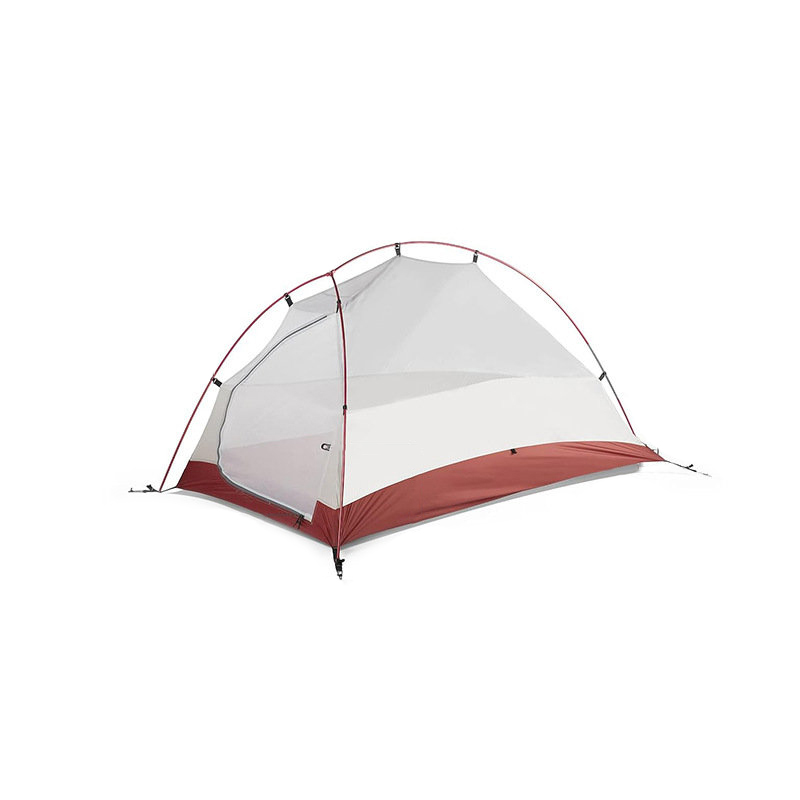
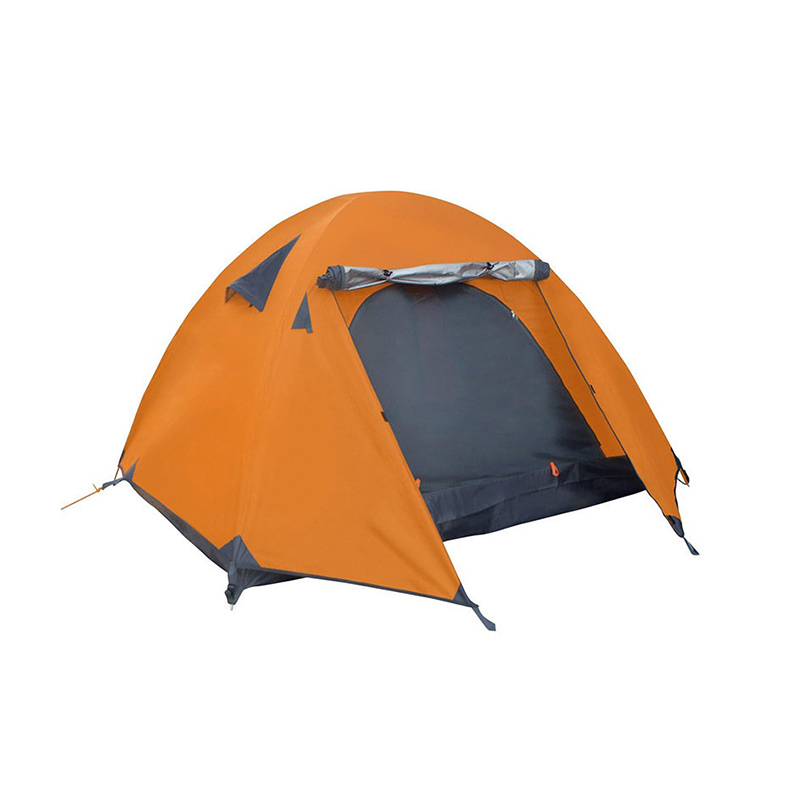
Traditional pole tents rely on fiberglass or aluminum rods that hold a fixed shape. When a strong gust hits, the pole either bends within its elastic limit and springs back, or it exceeds that limit and snaps or bows permanently. This is a binary failure mode — the pole works until it doesn't.
Inflatable tent beams work on a different principle. Air inside a reinforced TPU or PVC bladder acts like a shock absorber. Instead of resisting a gust with rigid stiffness, the beam compresses slightly and redistributes the load across the entire tube, then returns to shape once the gust passes. This is similar to how a car tire absorbs a pothole impact rather than transmitting the full shock to the wheel rim. In practical terms, this means a blow up camp tent tends to "give" a little in wind rather than resisting rigidly, which reduces the concentrated stress that typically causes pole fractures.
Air beams don't fight the wind — they negotiate with it, one gust at a time.
The Role of Beam Diameter and Pressure
Beam diameter matters more than most buyers realize. Thicker beams (75mm-100mm) maintain structural rigidity under wind loads far better than thinner 50mm beams commonly found in budget models. Most quality inflatable tents recommend operating pressure between 7 and 10 PSI. Below that range, beams sag and lose their wind-shedding shape; above it, the fabric and seams face unnecessary stress that can shorten lifespan.
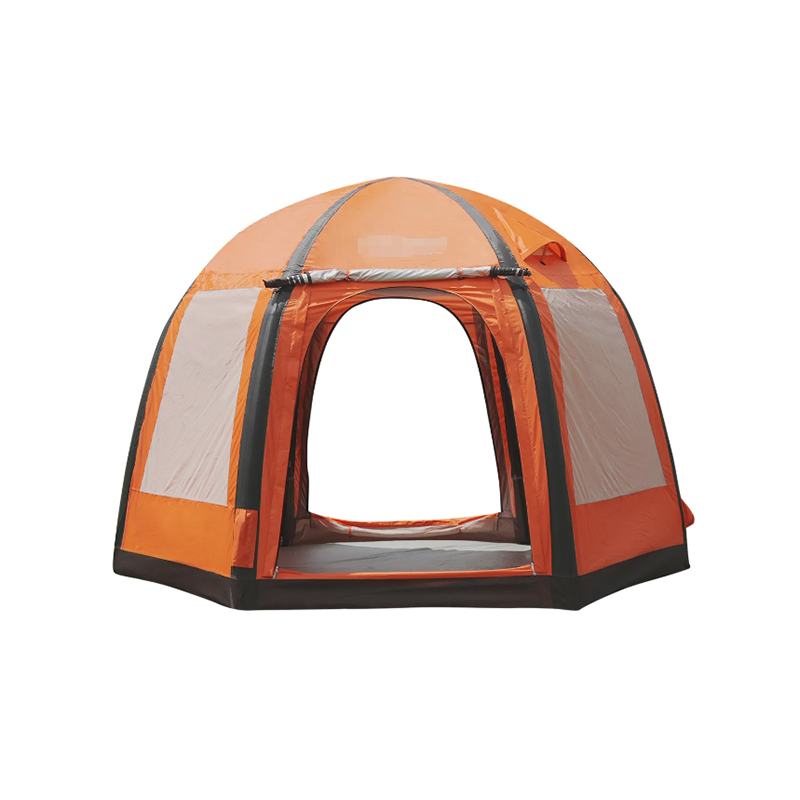
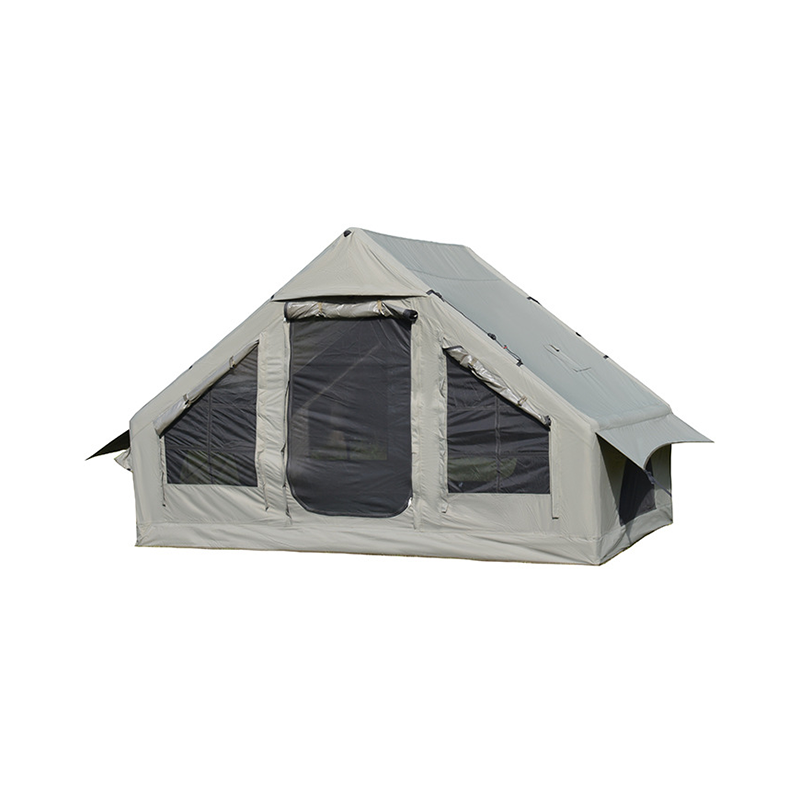
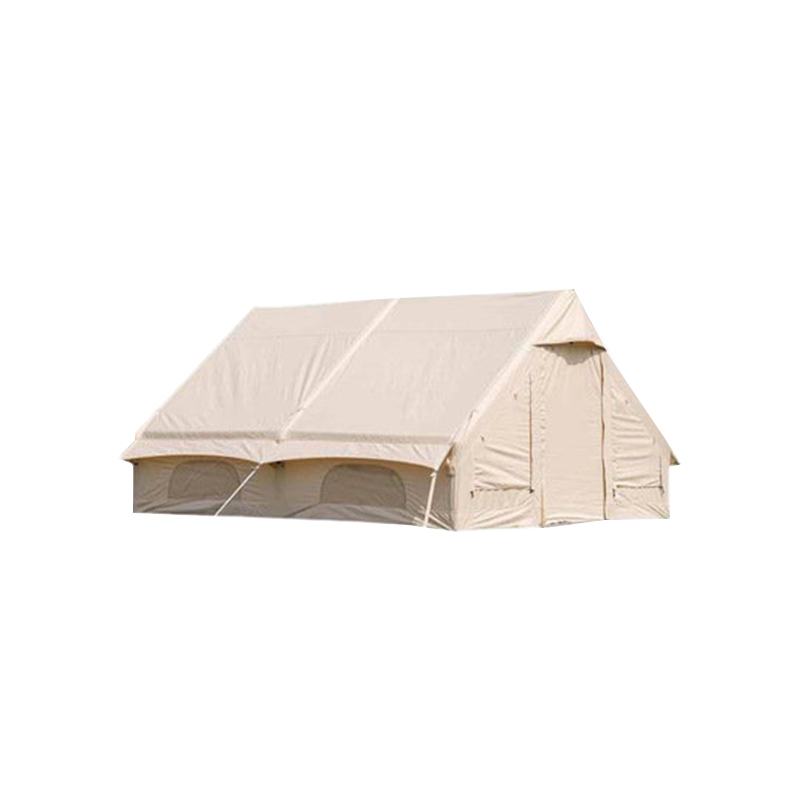
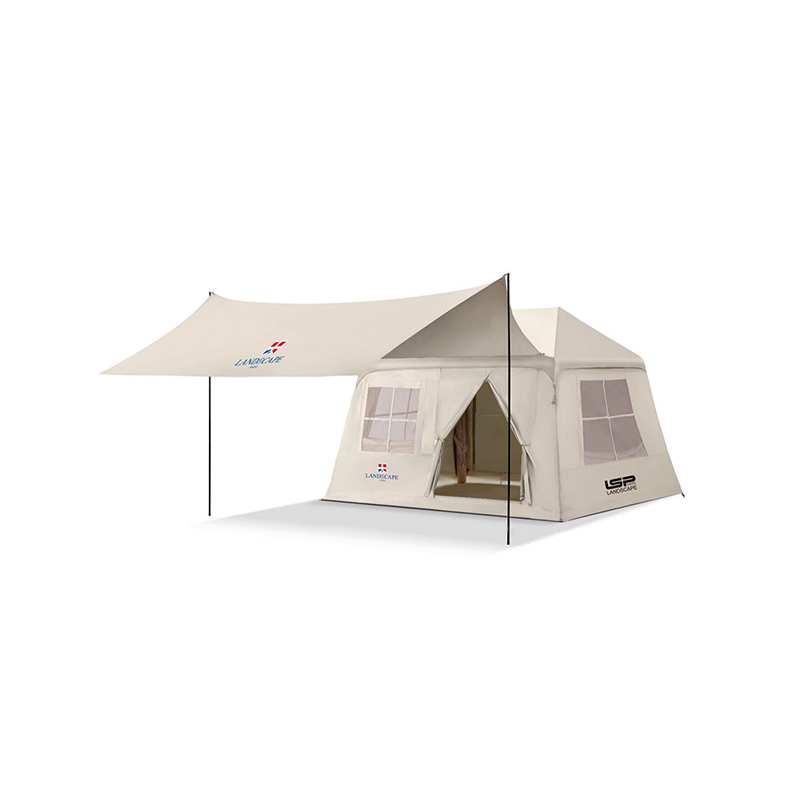
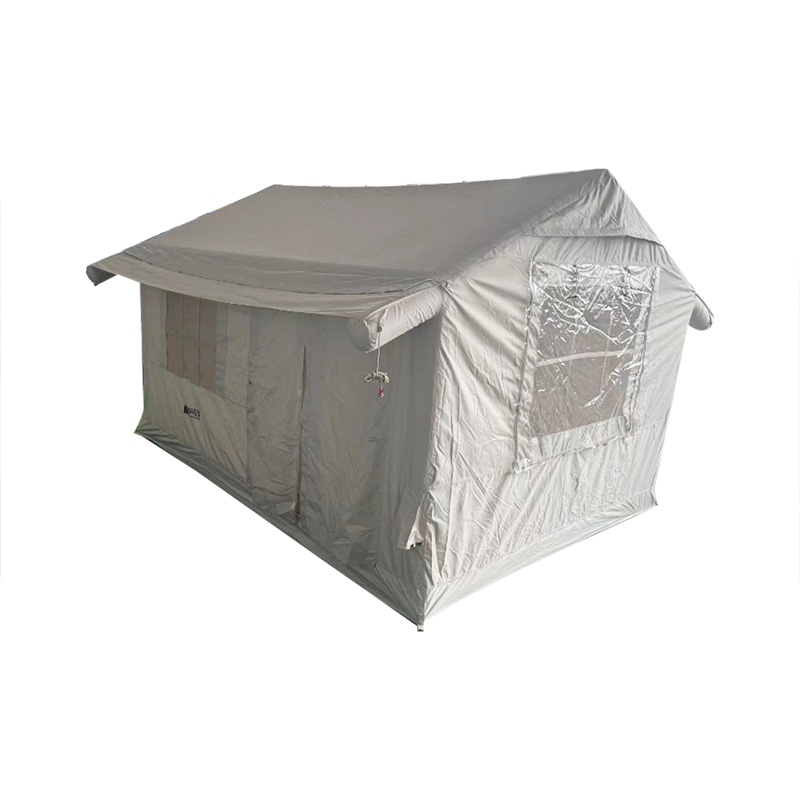
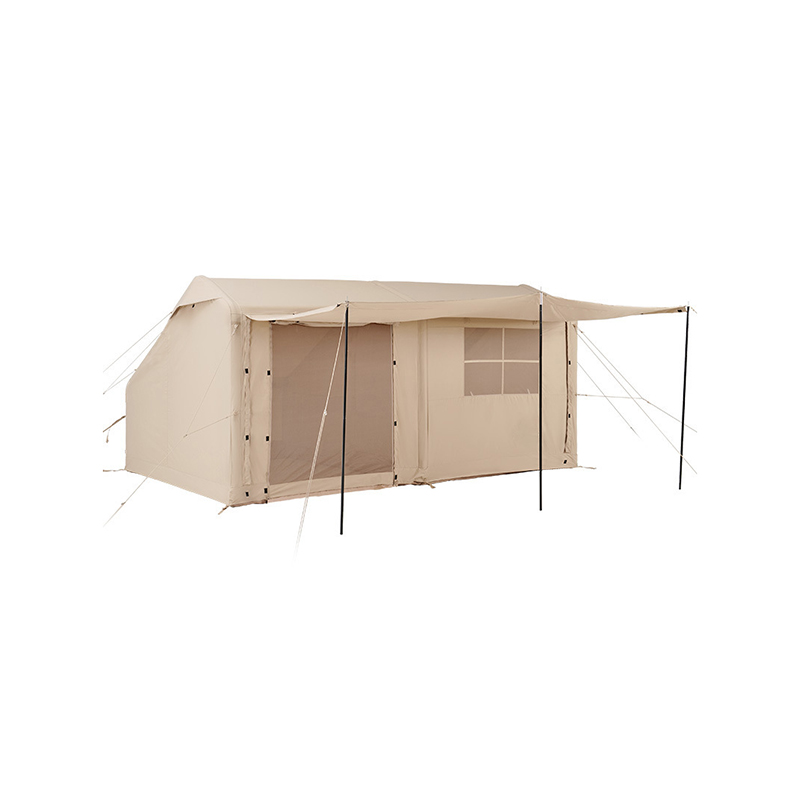
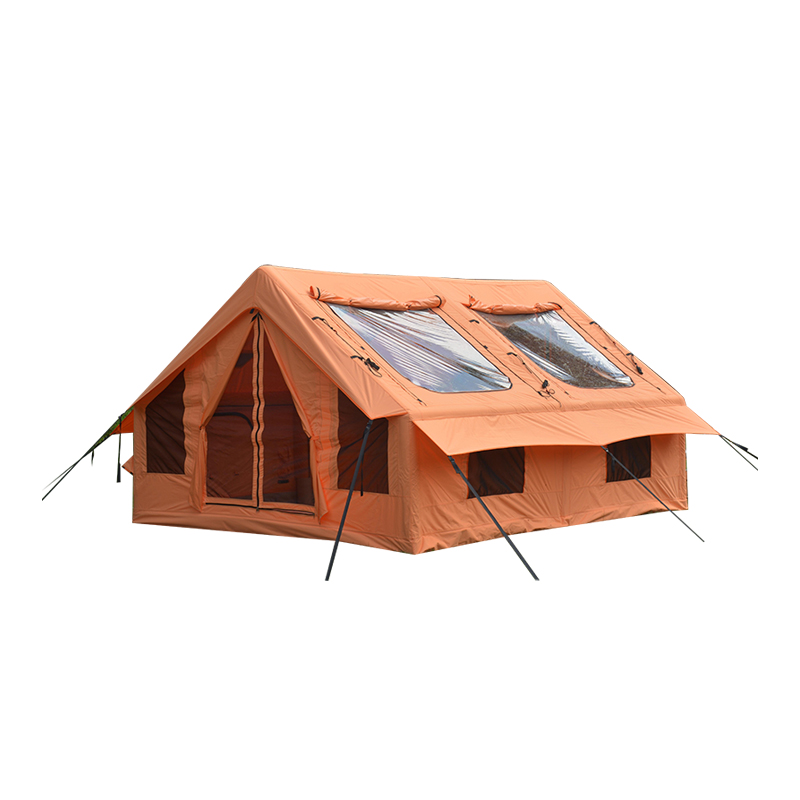
blow up air tent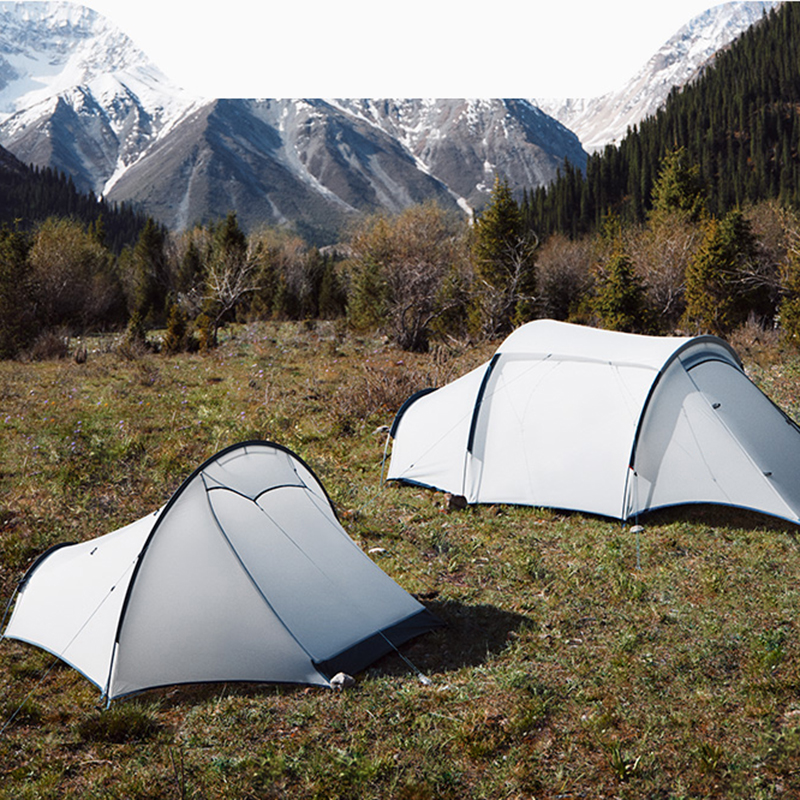
Side-by-Side Wind Performance Comparison
The table below summarizes how the two tent types generally compare across wind-related performance factors, based on manufacturer specifications and field reports from festival and family camping use.
| Factor | Pole Tent | Inflatable Tent |
|---|---|---|
| Typical Wind Rating | 30-45 mph | 35-50 mph |
| Failure Mode Under Stress | Pole snap or bend | Gradual air loss |
| Repair Complexity in the Field | Requires spare pole section | Patch kit and re-inflation |
| Setup Speed in Windy Conditions | Slower, more hands needed | Faster with pump |
| Shape Recovery After Gust | Immediate if undamaged | Immediate, beams flex and rebound |
Note that a 35-50 mph rating for inflatable tents applies specifically to models with reinforced beams and multiple anchor points. Entry-level inflatable tents without those features often rate closer to 25-30 mph, roughly on par with budget pole tents.
Real-World Examples from Festival and Family Camping
Music festivals provide some of the harshest real-world testing grounds for tents, since campgrounds are often open fields with little windbreak. Reports from UK festival campsites, where gusts regularly exceed 30 mph overnight, show a consistent pattern: pole tent failures cluster around snapped or bent poles at joint connections, while inflatable tent failures more often involve a slowly deflating beam rather than a catastrophic structural collapse. This matters practically — a gradually softening beam gives occupants time to notice and react, whereas a snapped pole can cause the tent to collapse suddenly onto sleeping occupants.
Field Note
Family campers using a blow up camp tent at coastal sites, where steady onshore winds are common, also report that the rounded, aerodynamic profile of inflatable tents sheds wind more efficiently than the angular silhouettes of many dome pole tents. Less flat surface area facing the wind translates to less overall load on the structure.
Where Pole Tents Still Have the Edge
Despite the strengths above, pole tents are not obsolete in windy environments. There are specific scenarios where they remain the safer or more practical choice.
- High-altitude mountaineering, where extreme cold can affect air pressure inside beams and where geodesic pole designs offer proven multi-directional strength.
- Situations without access to a working pump, since a punctured beam with no way to re-inflate leaves the tent unusable, while a snapped pole can sometimes be splinted with a repair sleeve.
- Ultra-lightweight backpacking, where minimizing pump weight is a priority over wind performance gains.
- Budget-conscious buyers, since low-cost pole tents with quality fiberglass poles can outperform poorly made entry-level inflatable models.
Caution
Extreme cold can quietly lower internal beam pressure over the course of a night. A tent that felt firm at setup may feel noticeably softer by early morning — check and top up pressure if conditions drop sharply.
Design Features That Make an Inflatable Tent Wind-Ready
Not all inflatable tents are built equally for wind resistance. Buyers looking specifically for wind performance should check for the following features before purchasing a blow up air tent.
- Multiple independent air chambers, so a single puncture does not collapse the entire structure.
- Reinforced beam intersections where tubes cross, since these joints face concentrated stress in gusty conditions.
- A low-profile, curved silhouette rather than tall vertical walls, which reduces wind-catching surface area.
- A high density of guy-out points along the base and roofline, typically eight or more on wind-rated models.
- A built-in pressure gauge, allowing users to check and top up PSI without guesswork.
Setup Practices That Improve Wind Performance
Even the best-engineered inflatable tent underperforms if it is not set up correctly. The following practices make a measurable difference in how a tent handles wind overnight.
Inflate to the Manufacturer's Recommended PSI, Not Beyond It
Overinflating does not add wind resistance; it increases the risk of seam stress and premature failure. Stick to the printed range, usually marked directly on the pump gauge or valve.
Use All Available Guy Lines, Not Just the Corners
Many campers skip mid-panel guy points to save time, but these lines are what prevent fabric flapping and beam torque during sustained gusts. On exposed sites, using every anchor point can be the difference between a stable structure and a tent that shifts overnight.
Orient the Tent's Lowest Profile Toward the Prevailing Wind
Positioning the tent so its rounded, sloped end faces incoming wind reduces direct impact compared to presenting a flat door panel or broad side wall to the gusts.
Best Practice
Combine correct PSI, full guy-line deployment, and smart orientation together — each one alone offers modest improvement, but the three in combination are what separate a tent that survives a storm from one that doesn't.
Final Takeaway
Inflatable tents are a legitimate, and in many cases superior, choice for windy camping conditions when they are well-built, properly pressurized, and fully staked out. A quality blow up camp tent with thick, multi-chamber beams and a low aerodynamic profile can rival or exceed the wind resistance of a traditional pole tent, while offering the added benefit of a gentler failure mode if pressure is lost. That said, buyers should not assume every inflatable model performs this way by default — cheaper, thin-beamed versions can underperform in the same conditions. The safest approach is to check the manufacturer's wind rating, confirm the beam diameter and chamber design, and commit to using every guy point during setup. Done right, a blow up air tent is not just a convenience upgrade over poles — it can be a genuine wind-performance upgrade as well.