

 English
 中文简体
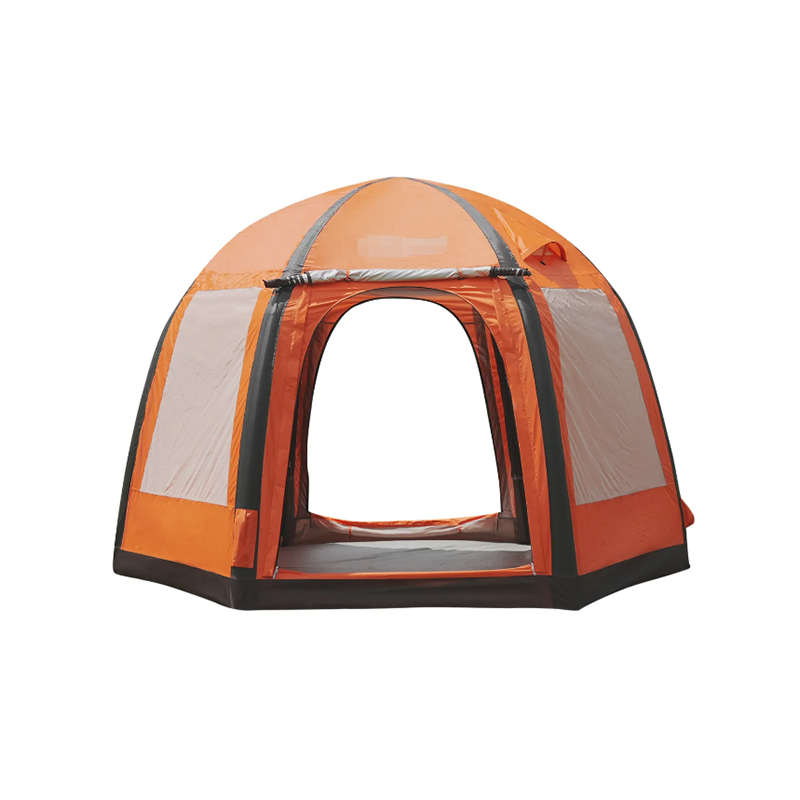
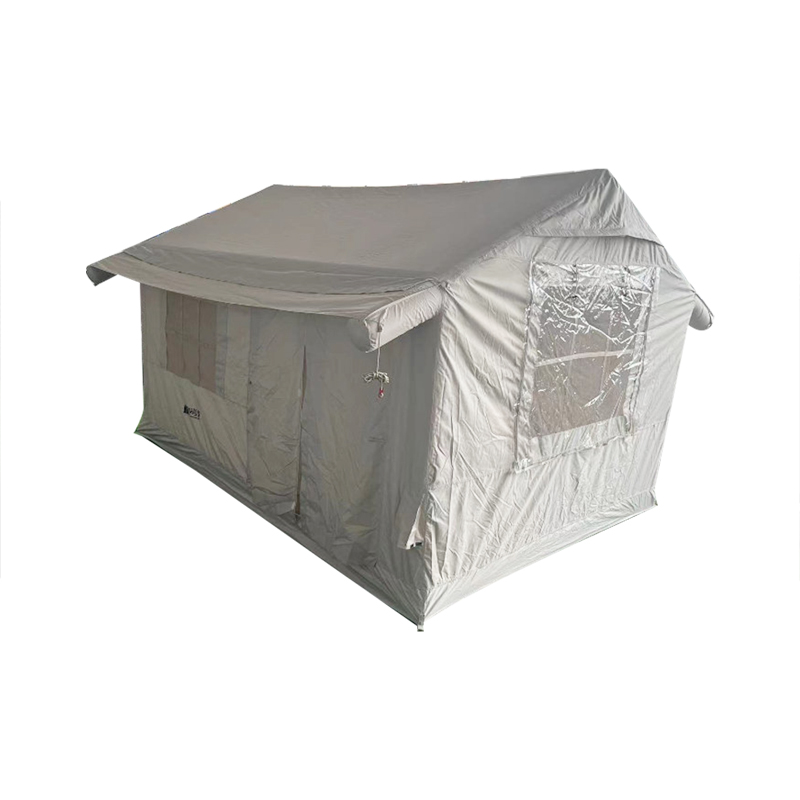
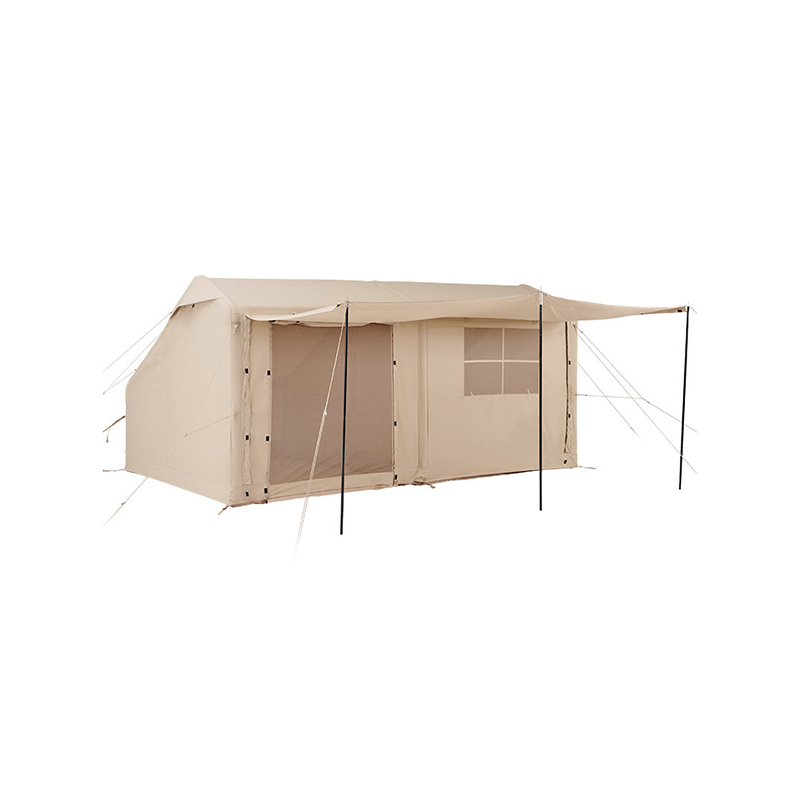
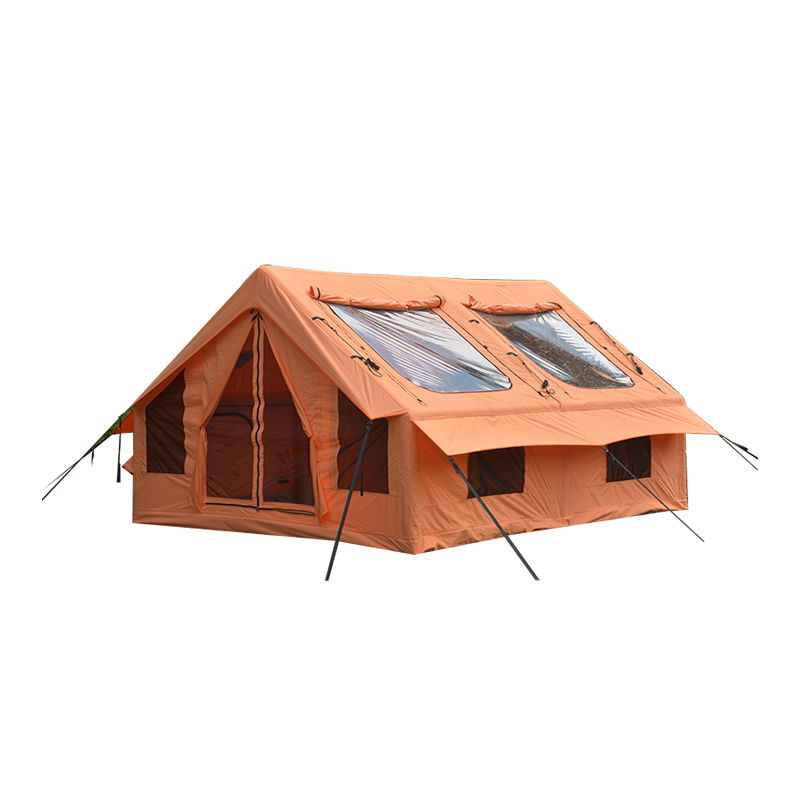
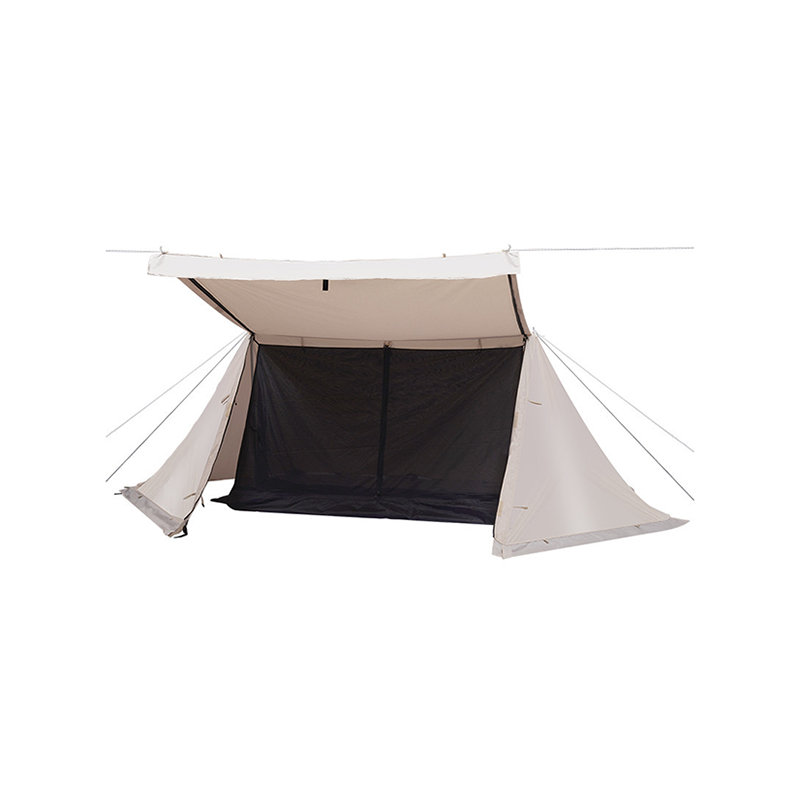
Hemispherical Inflatable Tent 2 Doors 4 Windows

Festival camps are governed by rules that have little to do with wilderness camping. Some sites allow cars beside pitches; others park you in a separate field and expect you to carry coolers and bedding through a gate. Pitch sizes may be marked, or they may be enforced only when the field gets crowded. Some organisers restrict long pegs because cables run under the grass, and many ban open fires, glass, and gas canisters.
Those details change the equipment list more than any gear review will. A large cabin tent is a poor choice if you must carry it 400 metres from a car park. A low backpacking tent is miserable if you plan to sit out a rain shower with three friends. Before buying or borrowing, check the site's pitch dimensions, vehicle access, peg restrictions, quiet hours, and whether gazebos or canopies are allowed.
If the site is unfamiliar, use a campsite selection checklist that covers slope, drainage, wind exposure, and distance from paths. A flat pitch beside a walkway feels convenient until the 2 a.m. traffic starts.
Walk-in camping rewards a light, compact tent with a simple pole set or an inflatable frame that packs small. Car camping rewards volume: a taller tent, a generous porch, and a way to keep muddy shoes out of the sleeping area. The mistake is buying for the photograph rather than the arrival. A quick-set dome that takes two minutes to open is useful when you reach the field after dark; a large tunnel tent is better when you have a vehicle, a trolley, and a group willing to share the work.
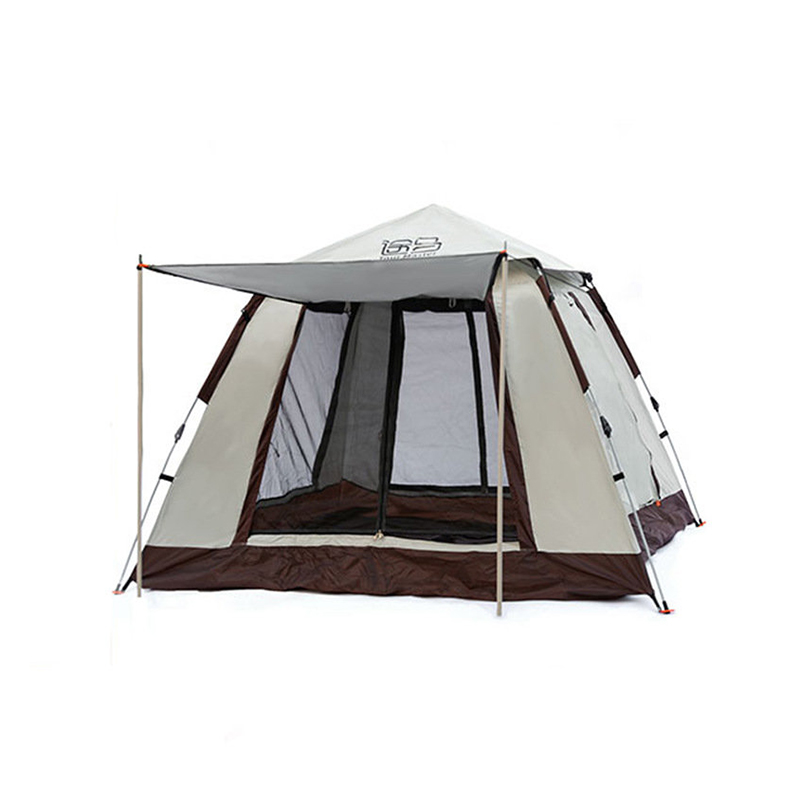 Quick-Set Camping Tents for Short TripsQuick-open camping tents with spring or integrated frames, positioned for short trips, family camping and newcomers who need fast, stable setup.View Product →
Quick-set tents are not automatically flimsy. Look at the pole or air-beam diameter, the number of guy-out points, and whether the fly reaches the ground. On a festival field, wind arrives in gusts between rows of tents, so a low profile and a full set of pegs matter more than a fancy colourway.
For car campers, the vehicle can become part of the camp. A tailgate or SUV tent adds a dry vestibule, a place to sit, and a buffer against dust. It also keeps coolers and cooking gear out of the sleeping zone, which makes the whole pitch feel less cramped.
Festival tents are often sold by person count, but person count is a rough guide. A four-person tent that feels spacious on a dealer floor can become tight when it holds two adults, two air mats, a duffel, and a cooler. For a weekend, allow roughly 2 to 2.5 square metres of sleeping area per adult, plus a porch or storage zone of 1 to 2 square metres. Standing height is a separate comfort decision: it helps for changing clothes, but it also catches wind.
| Format | Typical setup | Best for | Main trade-off |
|---|---|---|---|
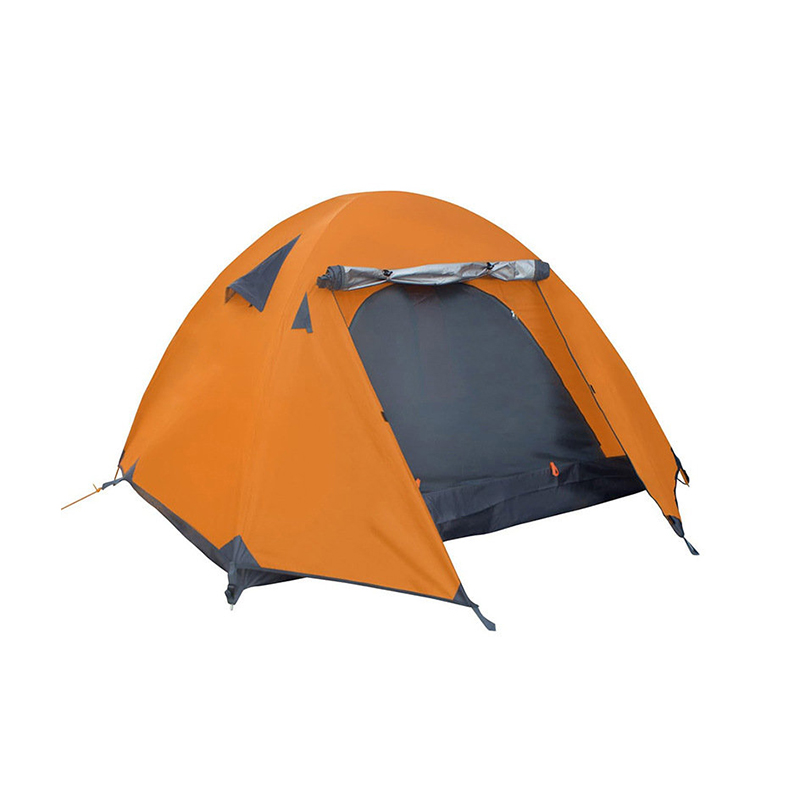
| Quick-set dome | 2 to 10 minutes | Solo or pair, late arrival | Limited headroom and storage |
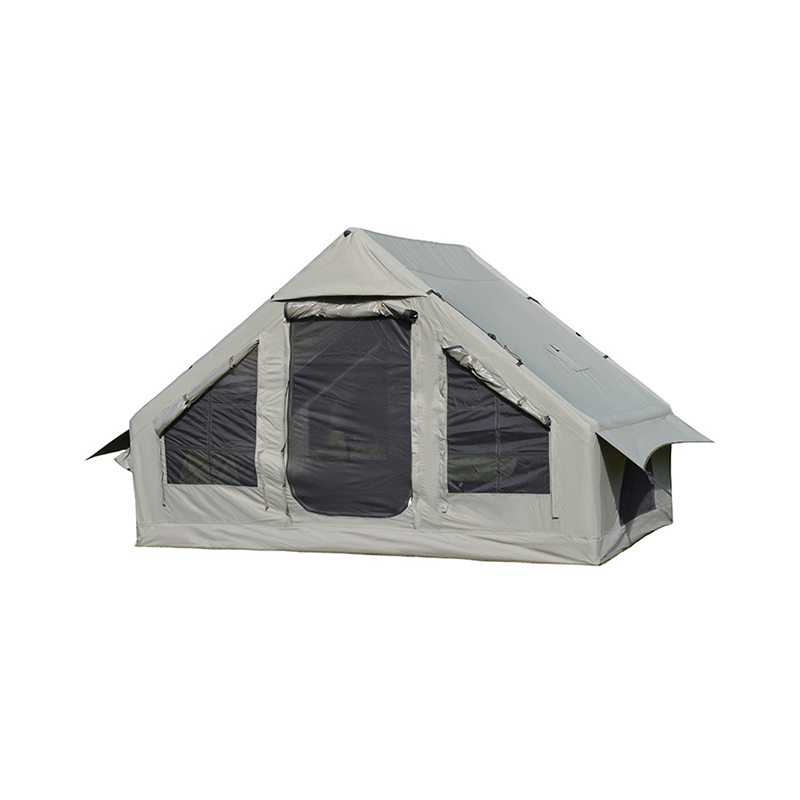
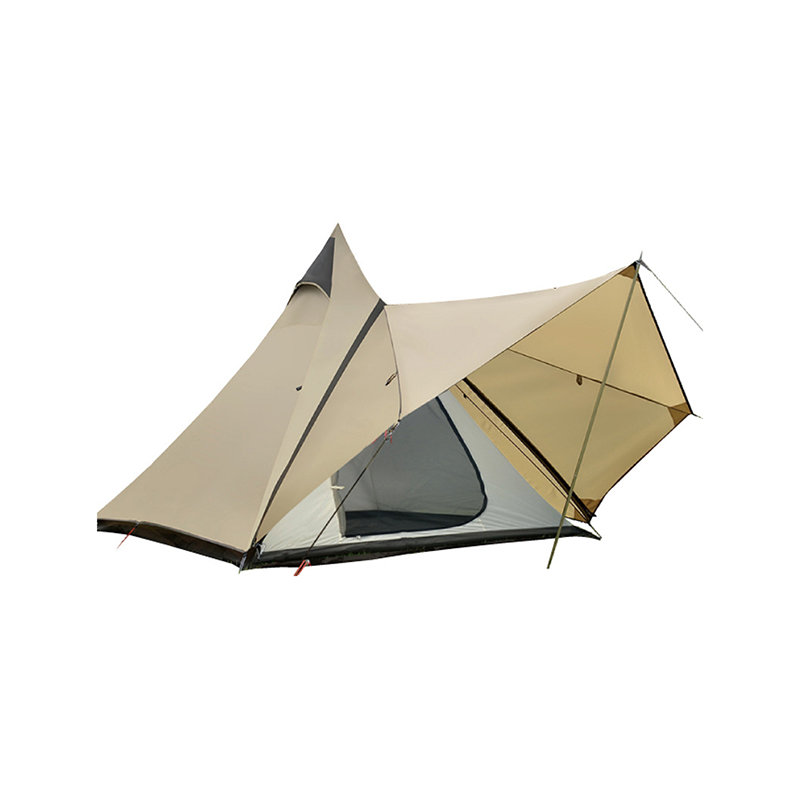
| Inflatable family or tunnel | 10 to 25 minutes with pump | Groups, longer stays, shared space | Bulk and pump dependency |
| Tailgate or car-tail tent | 10 to 20 minutes | Car campers, gear-heavy pitches | Needs vehicle alignment and flat ground |
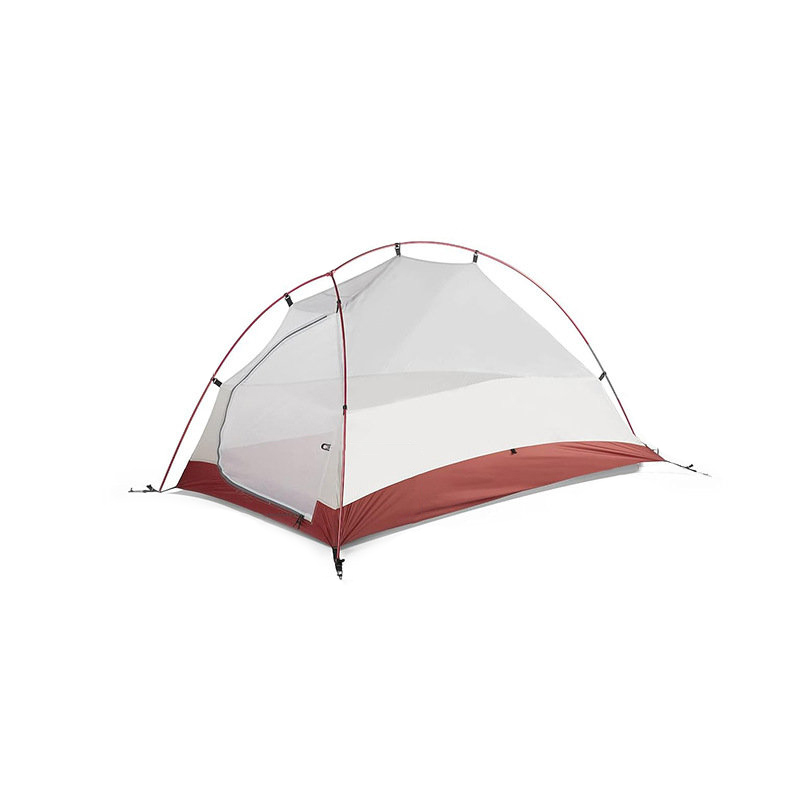
| Lightweight hiking tent | 5 to 15 minutes | Walk-in campers, minimal gear | Low space, fewer home comforts |
Shade and airflow are the difference between a tent you use and a tent you avoid at midday. A fly that can be opened at both ends creates cross-ventilation. A dark coating reduces morning light but can raise afternoon heat if ventilation is poor. If the forecast is hot, prioritise mesh panels and a pitch that catches a breeze; if it is wet, prioritise a bathtub floor and a fly that can be tensioned away from the inner.
Before you buy a canopy or tarp, check whether the festival allows it. Many sites permit small canopies only if they are not staked beyond the pitch line.
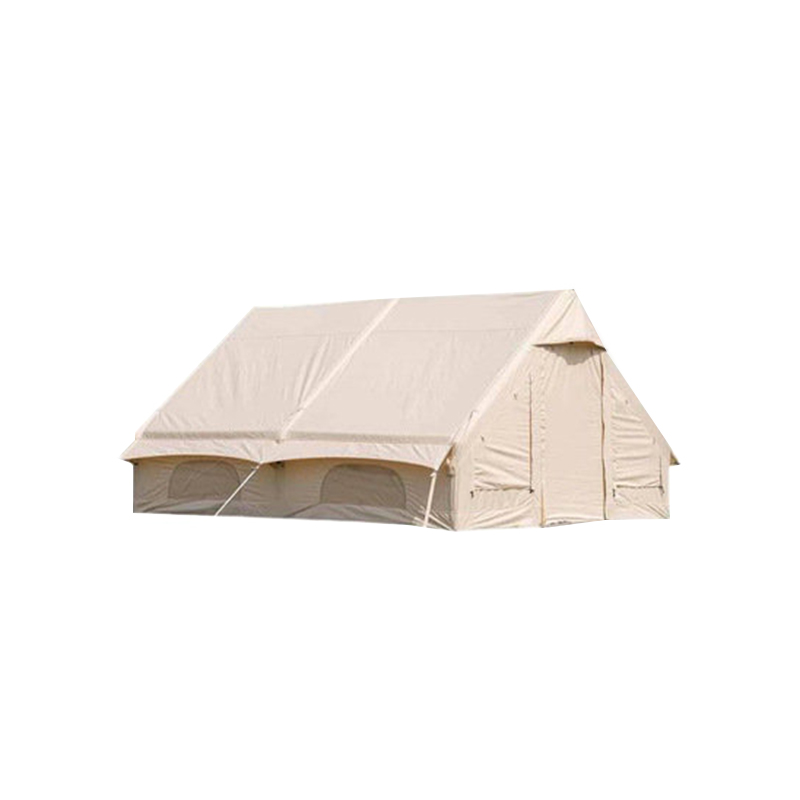
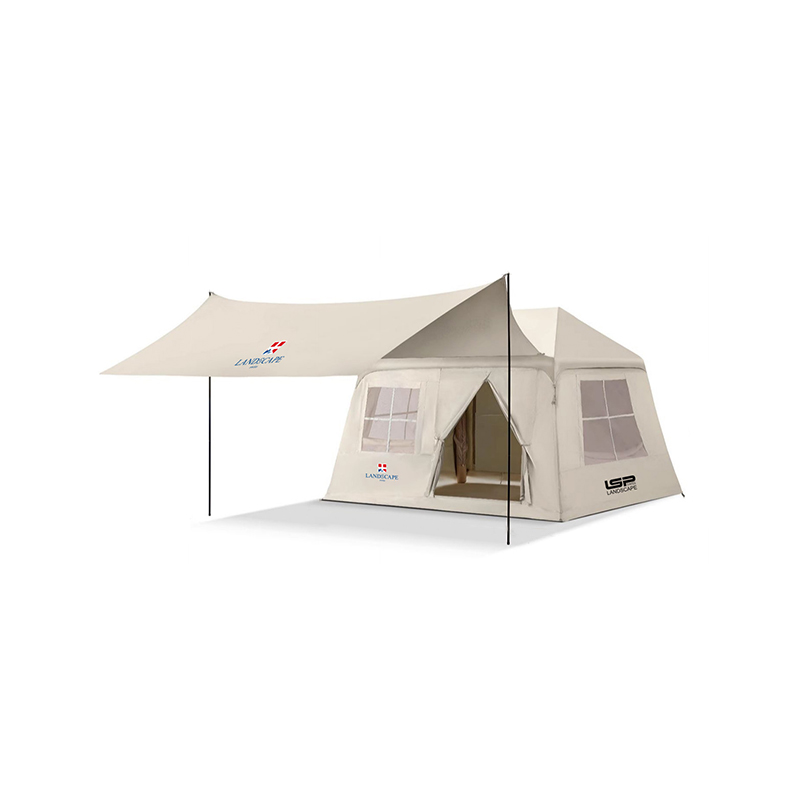
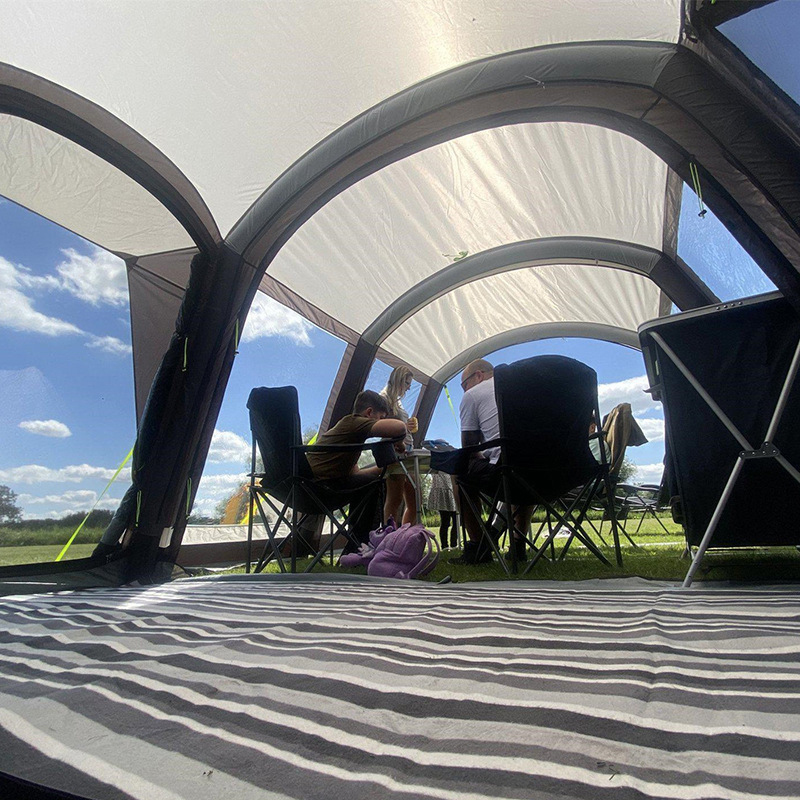 Inflatable Family Tent for Up to Six PeopleSleeps up to six with divisible bedrooms, built-in awning and air-column frame; useful for group camps needing a standing-height living area and included pump.View Product →
For group camps, an inflatable family tent with a standing-height living area can replace a separate canopy for some meals, but only if the pitch is large enough and the pump is reliable. The trade-off is weight and pack size; split the load between cars and people before you leave.
A festival tent is not a wilderness shelter. It is a room with a zip, and it has to work in a crowd.
That crowd factor is why orientation matters. Face the lowest door away from the prevailing wind, keep guy lines inside your pitch where possible, and leave a narrow channel for water to run past rather than through your groundsheet.
Festival weather rarely stays in one mode. A hot afternoon can turn into a cold, damp night, and a dry pitch can become a puddle after an hour of rain. Pack in layers and keep the sleeping zone separate from the dirty zone. A simple three-bag system works: one bag for clothes, one for sleep, one for food and utensils. Duffle bags are easier to live out of than a suitcase, and a small headlamp beats a phone torch when you are trying not to wake neighbours.
A small folding stool and a mesh laundry bag add almost no weight but make the tent feel like a room rather than a sack. The bag also keeps damp clothes away from the sleeping mat.
Noise is a gear problem as much as a sleep problem. Earplugs, a soft eye mask, and a tent with two doors reduce the number of times you climb over a sleeping companion. If you are sensitive to light, choose a darker inner or bring a blackout eye mask rather than relying on the fly alone.
Pitch the tent before you need it. A dry run in the garden or a local park reveals missing pegs, a stuck zip, or a pump that does not fit the valve. At the festival, clear the ground of stones and glass, lay the footprint if you have one, and follow a sequence rather than guessing in the dark.
Do not leave a tent unattended in a gusty field without its guy lines. A large inflatable tent can catch wind like a sail; use every anchor point, keep the valves closed, and lower the structure if a storm is forecast.
Rain management is mostly about drainage. Dig a shallow trench only where the site allows it, or choose a pitch with a slight slope and no obvious low point. Keep bags off the floor with a bench or a spare mat. If the forecast is wet, pack a dry bag for the sleeping bag and a microfibre cloth for condensation.
Car campers can gain a useful buffer by adding a tailgate tent to the back of the vehicle. It keeps the boot organised, gives you a place to sit out a shower, and separates cooking gear from bedding. The key is to park on level ground and align the tent before you unpack the rest of the car.
Do not use a gas stove, charcoal grill, or any fuel-burning heater inside a tent or tailgate enclosure. Carbon monoxide is invisible and can build up even with a vent open. Cook outside, away from fabric and guy lines.
Festival demand exposes the weaknesses that seasonal camping can hide. Tents are opened in the dark, packed wet, dragged across gravel, and left in the sun for three days. The features that matter are simple: a clear setup sequence, labelled poles or air beams, a fly that can be tensioned without guesswork, and a bag that is generous enough to repack in a hurry.
For brands and buyers, that translates into a product range organised by arrival style rather than by season alone. Quick-set domes serve late arrivals and small pitches. Inflatable tunnels and family tents serve groups who want volume and standing room. Tailgate and car-tail designs serve the growing overlap between vehicle travel and festival camping. The inflatable tent range is a useful example of how one structural idea can be scaled across sizes, door layouts, and canopy options without turning every model into a separate engineering project.
There is also a procurement lesson. A tent that is easy to demonstrate in a showroom is not always easy to pitch in a field. Ask for setup time with the actual pump or pole set, packed dimensions, and a clear list of what is included. Those details decide whether a customer remembers the tent fondly or leaves it behind.
The short version: check the site rules before you fall in love with a tent, choose a format that matches how you arrive, and plan for heat, rain, and noise with the same seriousness you plan for the line-up. A good festival camp is not the most elaborate one on the field. It is the one that is still tidy, dry, and easy to sleep in by Sunday morning.
If you get those basics right, the campsite stops being a compromise between music and sleep. It becomes the place where the weekend actually works.