

 English
 中文简体
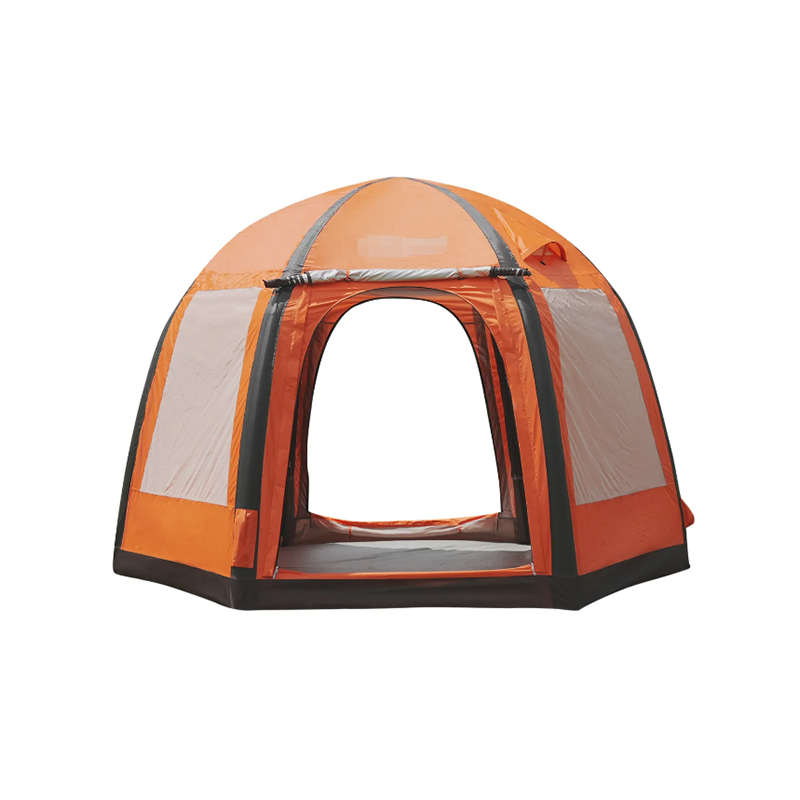
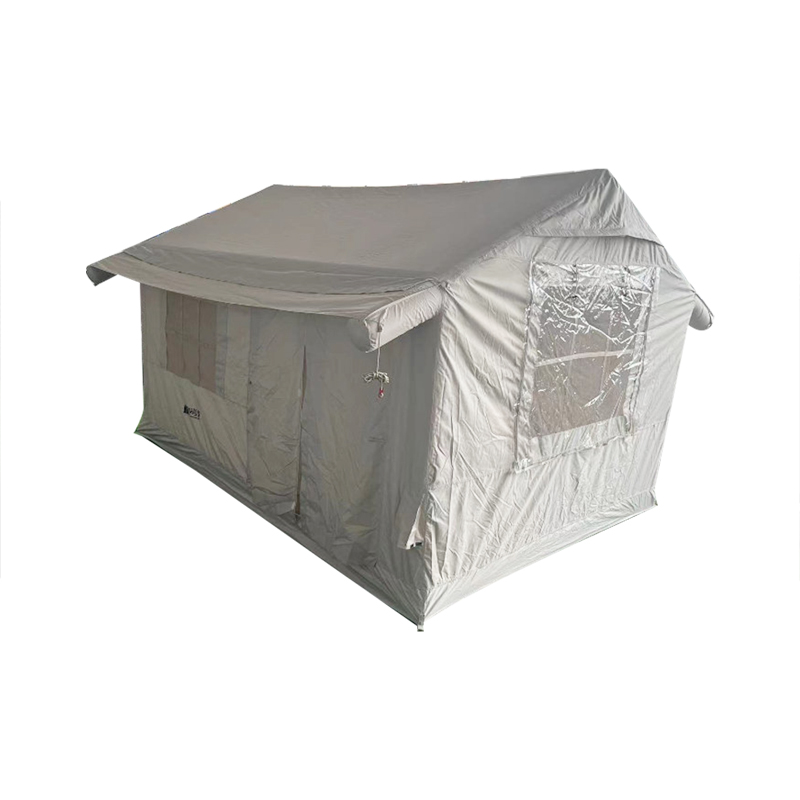
Hemispherical Inflatable Tent 2 Doors 4 Windows

Field Guide — Shelter
Canvas Camping Tents: The Honest Tradeoffs Every Buyer Should Weigh
A cotton canvas shelter gives you quieter nights, warmer mornings, and a lifespan that synthetic tents rarely reach — in exchange for serious weight, slower setup, and a drying discipline that never ends.
It is 7:10 a.m. beside a slow river. The overnight temperature slipped below 12°C, and by dawn a heavy dew soaked into the cotton roof of a canvas wall tent. Inside, sleepers stay comfortable because the fabric breathes and releases body heat gently. Outside, the owner faces a quiet dilemma: wait two hours for the canvas to dry, or fold it wet and gamble on mildew. Repeat that choice across a season, and a campsite begins to feel like a small job.
That ritual is the real price of canvas tent camping. Done carefully, it buys a shelter that stays stable in wind, absorbs heavy rain with a soft rumble instead of a rattle, and ages for decades. Done carelessly, it buys mold, stains, and a fabric that never quite recovers. The verdict comes first: canvas rewards methodical campers, and it punishes everyone else.
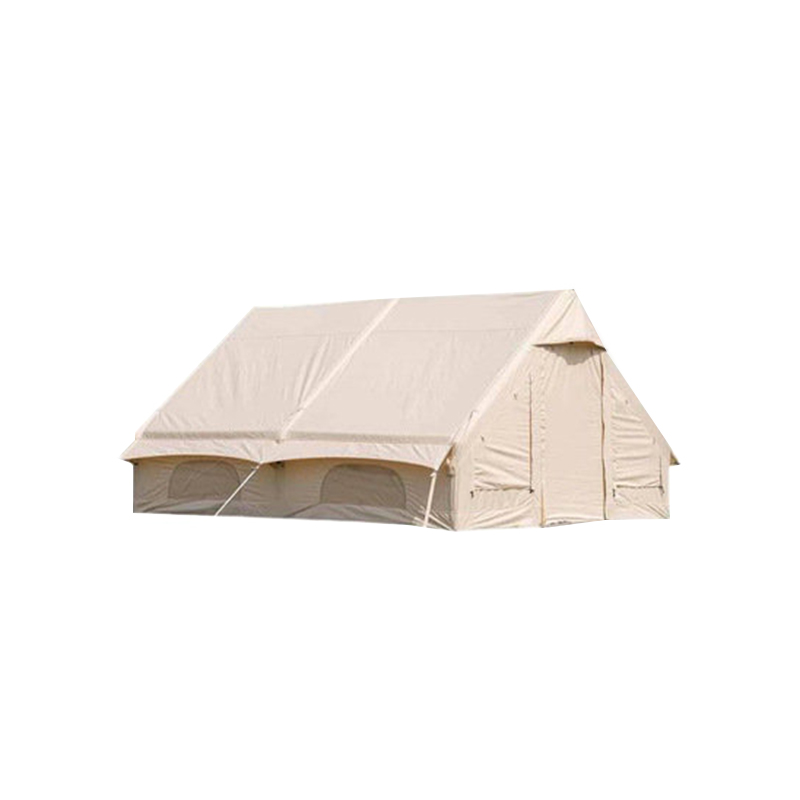
Canvas tents use tightly woven cotton duck — commonly 10 to 15 ounces per square yard — instead of coated nylon or polyester. The difference is not only nostalgia: cotton fibers trap air, breathe visibly, and react to humidity in ways coated fabrics cannot copy.
Canvas does not try to be the lightest shelter on the trail. It tries to be the most livable one when you stop.
The tradeoff is measured in kilos, minutes, and a damp carry bag. For a typical 4–6 person campsite, the comparison looks like this:
| Factor | Cotton canvas | Polyester cabin | Air-beam inflatable |
|---|---|---|---|
| Weight | 20–32 kg | 7–14 kg | 12–22 kg |
| Pitch time (two people) | 15–30 min | 10–15 min | 5–10 min with pump |
| Rain noise | Muted rumble | Loud drumming | Intermediate hum |
| Condensation tendency | Low when vented | High in humidity | Medium, vent-dependent |
| Lifespan with care | 10–20+ years | 3–6 years | 5–10 years |
| Packed size | Very large, rigid | Compact | Long cylindrical bag |
The pattern is clear: the more camp-like the shelter feels, the heavier it becomes. That is not a flaw in canvas; it is the reason canvas remains a strong choice for static camps and base camps. It also explains why many families keep one cotton tent for long stays and one modern quick-pitch tent for moving nights.
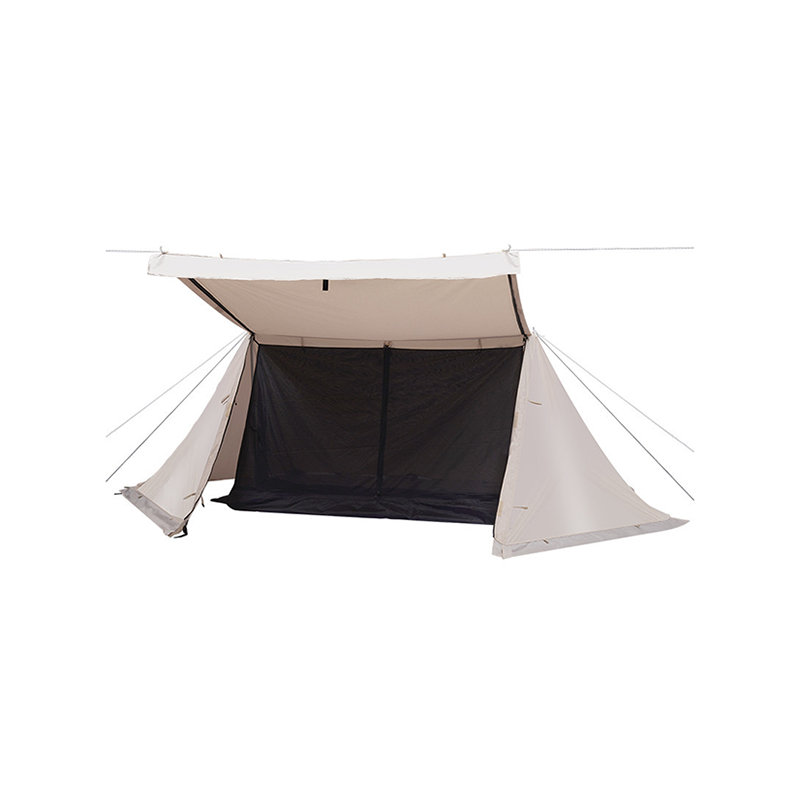
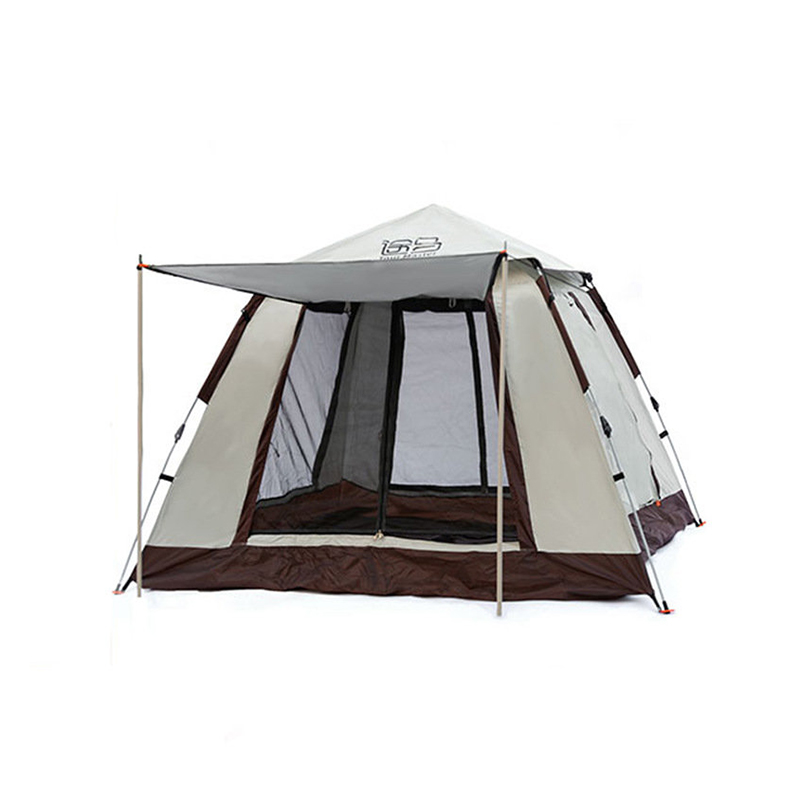
 Quick-Pitch Folding Tent for Lightweight Family UseThis automatic tent balances portability with basic weather protection, making it a sensible alternative when canvas weight becomes impractical for moving camps or short trips.View Product →
Canvas purchases sit in a different price league, so the usual spec-sheet skim is not enough. Work through these points before you commit to a model:
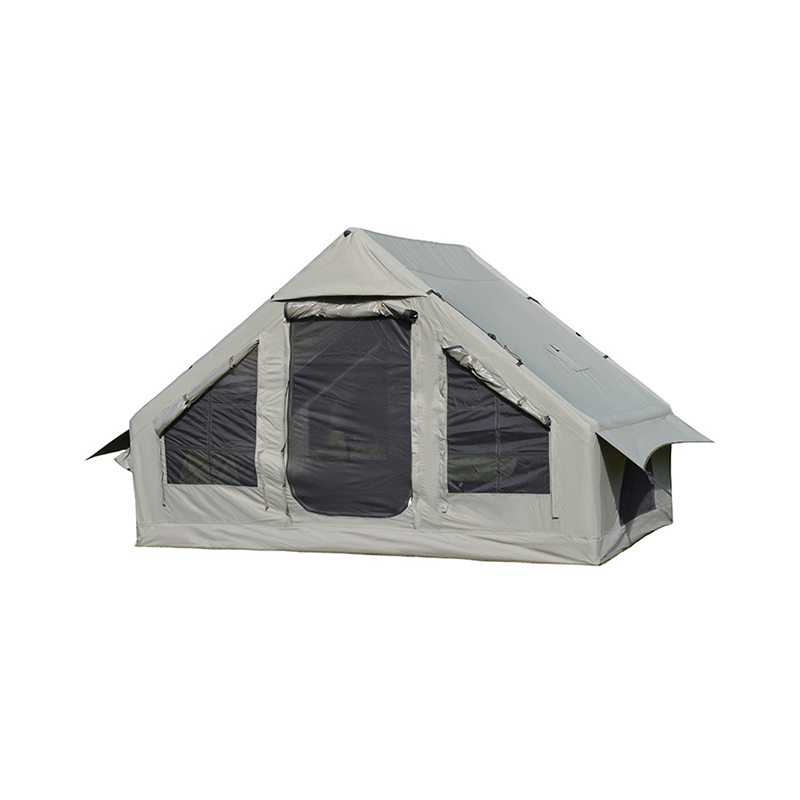
If the canvas maintenance ritual feels too heavy for your trip style, air-beam and quick-pitch shelters answer many of the same comfort needs without a cotton hangover. An air-column tent uses sealed PVC or TPU chambers inflated to working pressure; it holds its shape in wind, creates near-vertical walls for interior volume, and goes from bag to standing structure in the time it takes to brew a coffee.
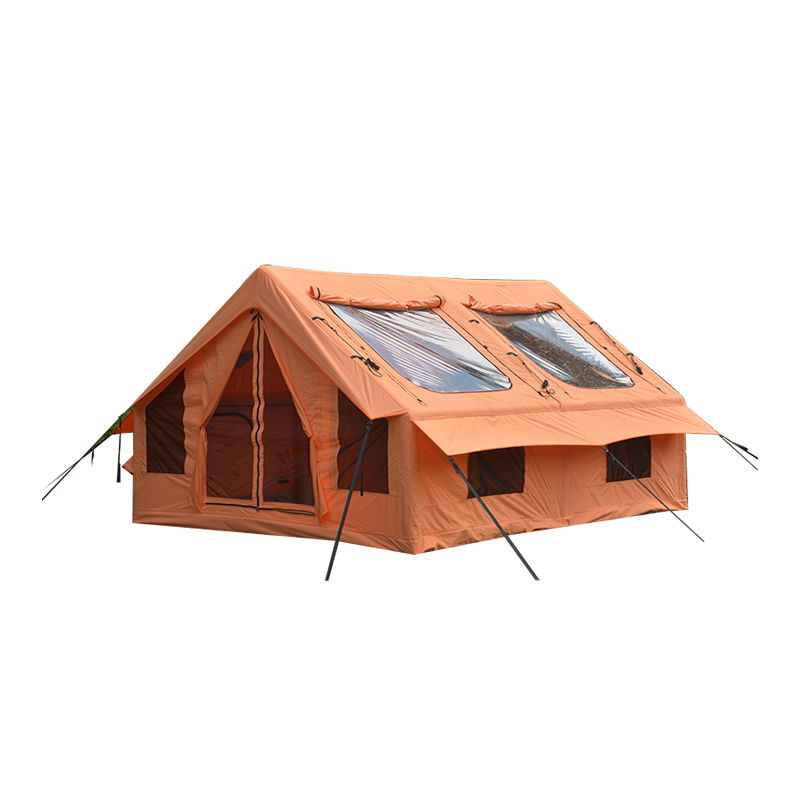
For family camping, a cabin-style air tent behaves like a compact canvas wall tent — tall walls, stable rooms, easy entrance — but does not demand two hours of drying the next morning. A cold-weather inflatable buying guide helps you judge how far into the season those air chambers will take you.
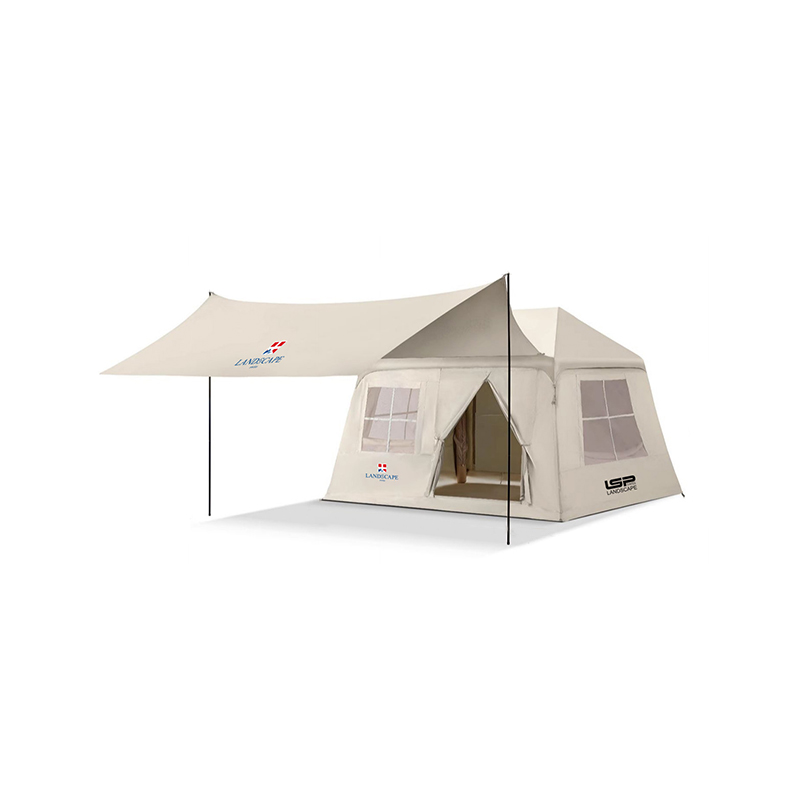
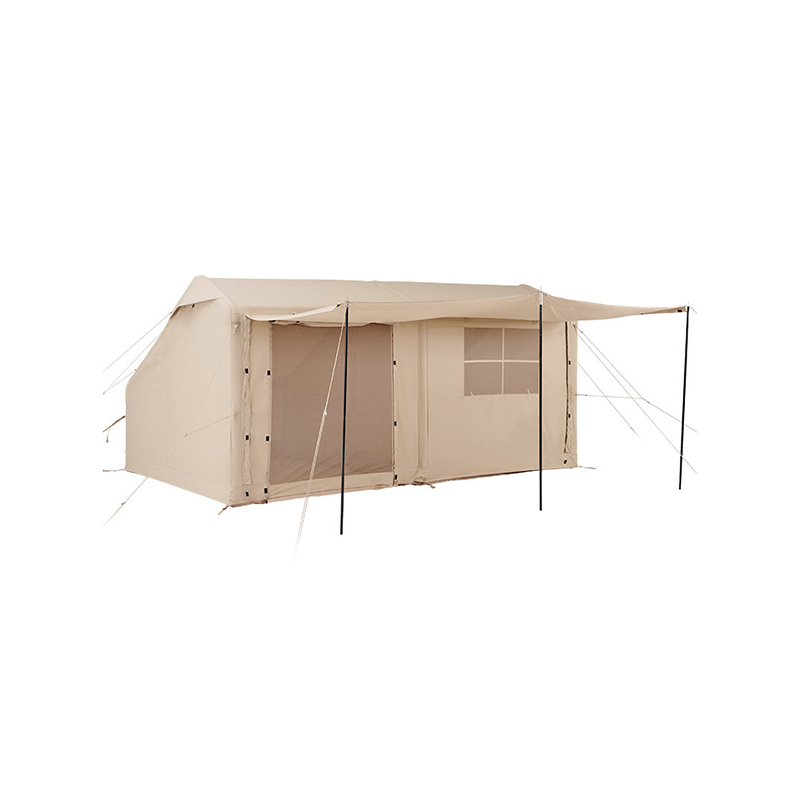
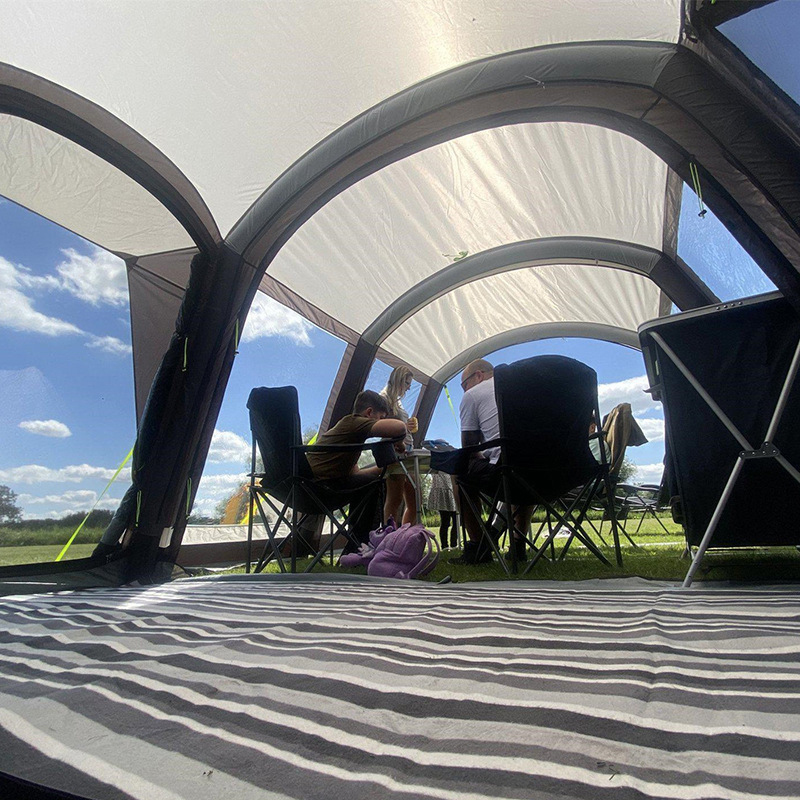 Spacious Inflatable Family Tent with Flexible Room DividersFor campsites where quick setup and cabin-like comfort matter, this air-beam tent offers tall walls, modular sleeping areas, and a sheltered awning without pole assembly.View Product →
When arrival time matters more than cabin atmosphere, quick-pitch automatic tents compress the whole setup sequence into a few minutes. A folding automatic tent is the pragmatic pick for festivals, late arrivals, and campsites where every minute of daylight counts.
For road trips, vehicle-integrated shelters take the weight question out of the hiking equation entirely. An SUV inflatable tent that connects to the tailgate or a rooftop air tent turns the car itself into a stable sleeping platform, with none of the pole confusion that older vehicle tents brought. Manufacturers such as Nordic Kamping, a camping tent manufacturer with a wide catalog of air-beam and quick-set models, publish dimension and fabric specs directly, so you can compare weight and pitch time before sending an inquiry.
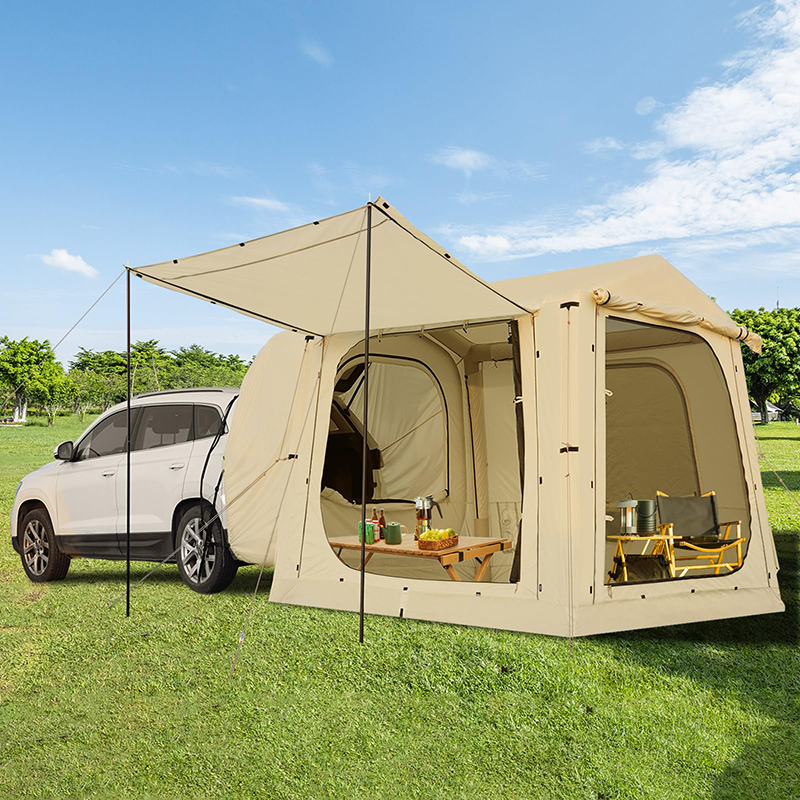 SUV-Connected Inflatable Tent for Vehicle CampingWhen road trips prioritize speed and stability, this tailgate-compatible air tent turns your car into a base camp, bypassing the weight and maintenance concerns of canvas.View Product →
A canvas tent is a maintenance asset rather than a throwaway purchase. These five routines separate owners who get decades from owners who get one season:
Canvas tent camping is not a nostalgia trip; it is a deliberate choice of priorities. If your season is a rolling tour — new spot every night, early departures, limited car space — cotton will frustrate you. If your season is a settled base camp, a winter camp with a stove, or a family glamping week where comfort matters more than packed size, canvas remains one of the best shelter investments you can make.
The honest position is that canvas is better at some jobs, not better at everything. Know your fabric weight, respect the drying ritual, check the frame and zippers before buying, and keep ventilation open while parked. And when a trip calls for speed rather than tradition, a well-built modern alternative — air beam, quick-pitch, or vehicle-mounted — reaches the same comfort level in a fraction of the setup time. Pick the shelter that matches the trip, not the one that looks best in a product photo.