

 English
 中文简体
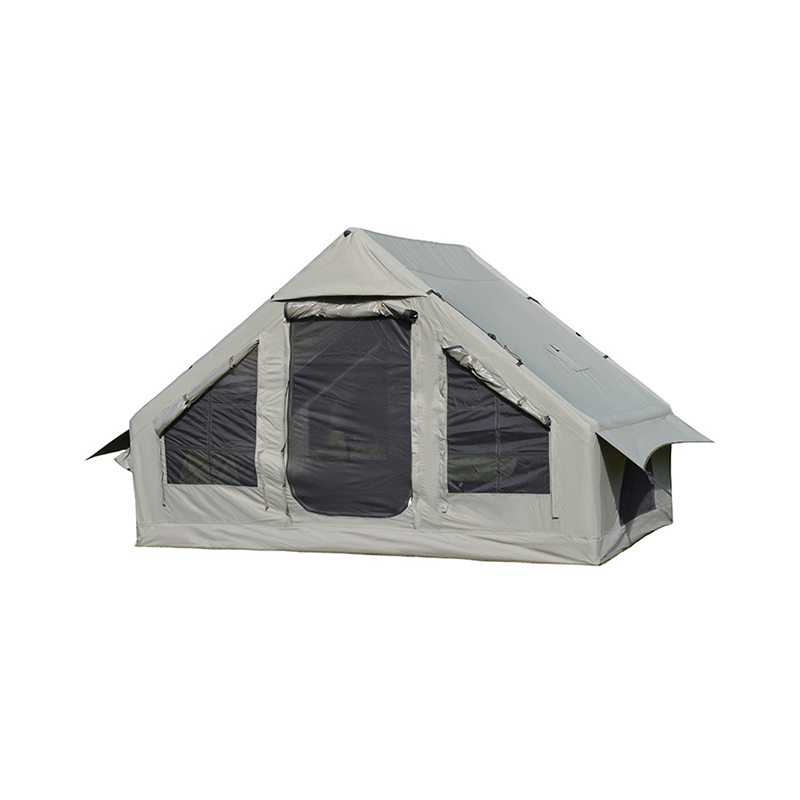
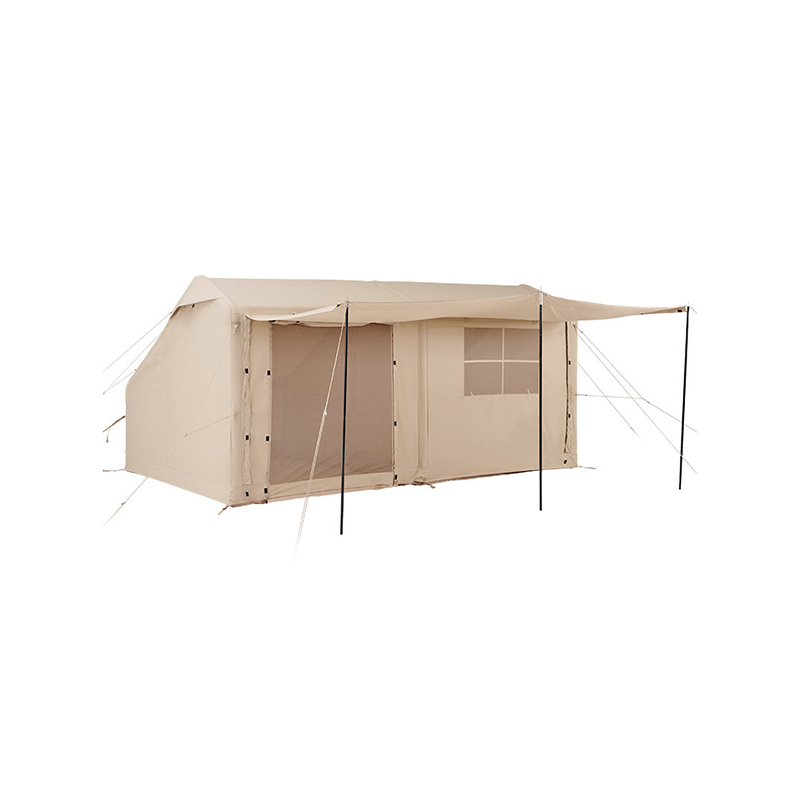
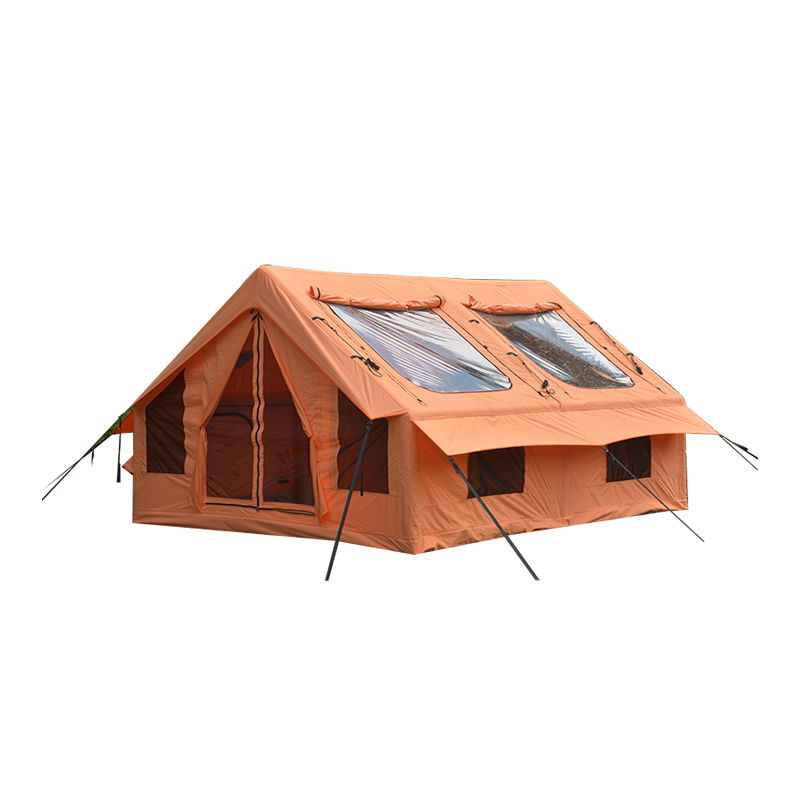
Hemispherical Inflatable Tent 2 Doors 4 Windows

Field Guide — Group Shelter
A large inflatable tent sets up in minutes and turns a blank campsite into covered group space. Size claims, air column materials, and pressure habits decide whether that convenience survives weather. This is the longer view.
By four in the afternoon the site is windy and the light is going. Eleven people, four cars, and one big tent to put up before dinner. The inflatable version is standing by five past; a pole crew of the same size is still aligning a six-pole frame. The difference is not magic; it is structural.
The short answer: a big inflatable camping tent is the fastest way to create a large, livable space, provided you treat the air columns as a genuine structural system. Choose the right column material, inflate to rated pressure, and re-check when temperatures swing.
Capacity labels are the least reliable number on a tent box. An eight-person rating usually means eight sleeping pads side by side, with no room left for gear. For big inflatable tents, what matters is floor area and center height.
| Configuration | Approx. Floor Area | Center Height | Realistic Use |
|---|---|---|---|
| 4 m dome | 12–14 m² | About 2.4 m | Sleeping with gear and a kitchen corner |
| 6.3 m with side canopy | 25–31 m² | 3.0–3.2 m | Family basecamp, dining space, sheltered shade |
| 8–9 m tunnel or dome | 40–55 m² | 3.2–3.5 m | Group camp, equipment storage, meeting space |
| 12 m double-door hall | 80–110 m² | About 4 m | Events, glamping rooms, temporary workspace |
In practice, a six-meter-class inflatable tent is the first size that feels genuinely big for a family or small group. Everything above that is event or basecamp territory.
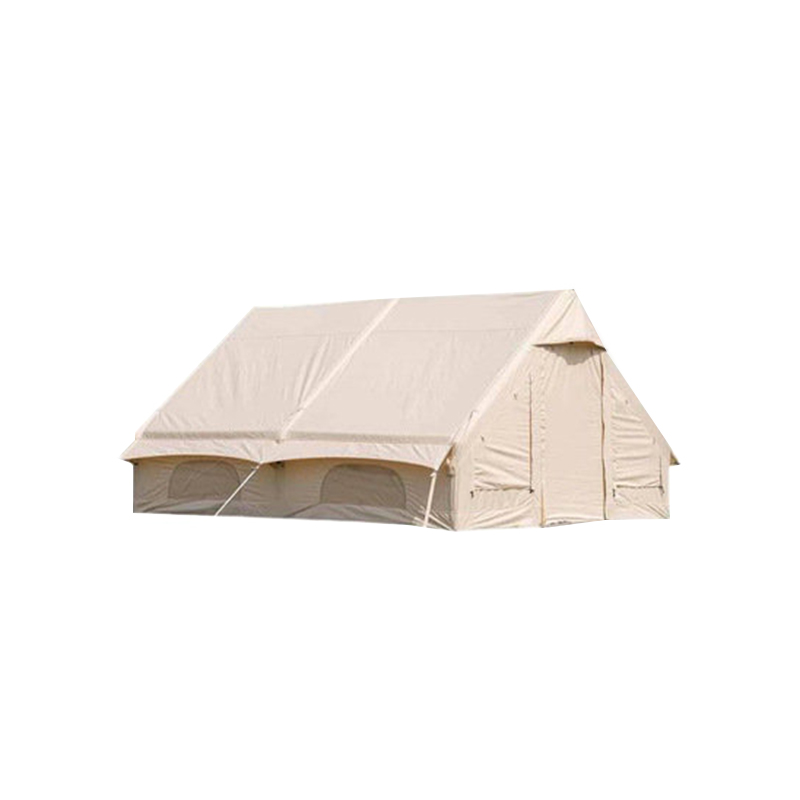
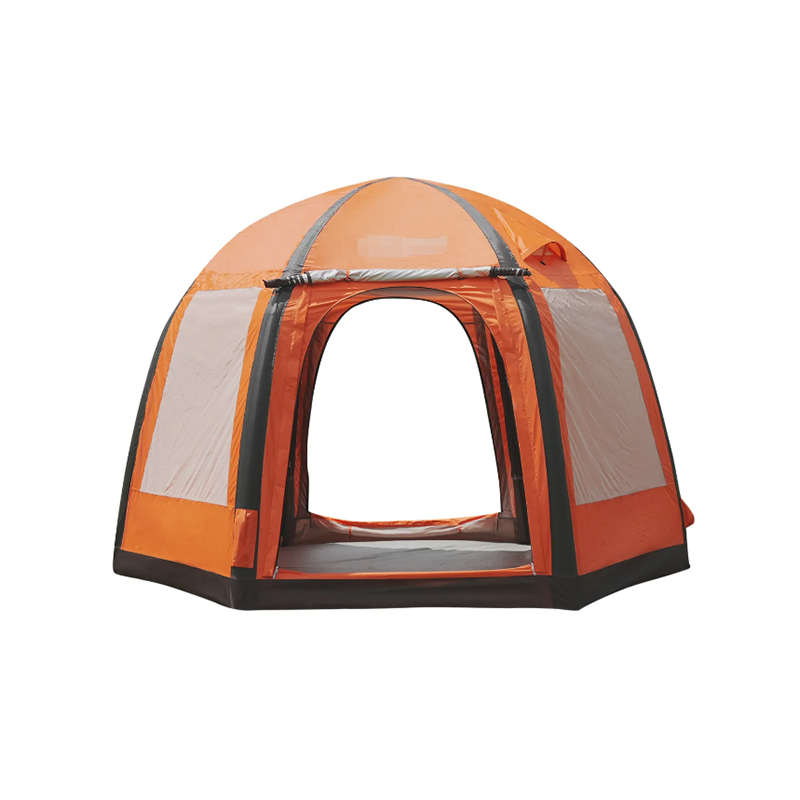 充气帐篷全系列型号概览该页面汇集多款充气帐篷,涵盖半球、隧道、球形等结构,适用于露营、活动及应急场景,便于对比材质与功能。View Product →
The air column is the frame. Most large inflatable tents use PVC or TPU bladders in a fabric sleeve. Differences show up in cold weather, setup frequency, and the warranty claims department.
| Property | PVC Air Column | TPU Air Column |
|---|---|---|
| Weight | Heavier | Lighter |
| Cold behavior | Stiffens, fragile at folds | Flexible to lower temperatures |
| Price | More economical | Premium |
| Best fit | Static events | Frequent packing, four-season use |
Neither material fails instantly when misused. Both survive repeated inflation when stored dry and not over-pressurized. But a tent packed wet or stored on a truck bed wears faster, with damage appearing first at the valve, corner seams, and zippers.
Treat the column like a tire, not a pole. Check pressure before use, account for temperature, and never exceed the rated value just because the tent looks slack at sunset.
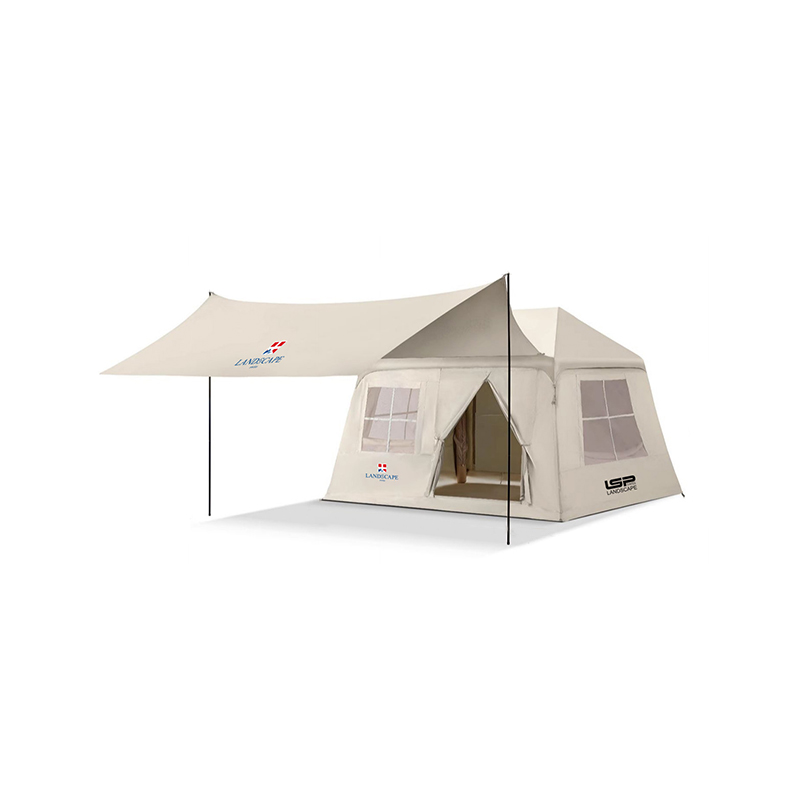
充气露营帐篷品类与性能优势此分类展示多种充气露营帐篷,突出PVC气柱的轻便、耐用与抗风特性,配合快速搭建设计,适合户外过夜使用。View Product →Two adults with a dual-action pump can raise a six-meter inflatable tent in eight to twelve minutes, including anchoring. The same floor area with poles takes three times as long. Takedown is faster too: open the valves, let the columns exhale, and fold along the crease lines.
These habits matter more on big tents because the forces are larger. A twenty-knot gust hits a thirty-square-meter wall with real energy; a properly tensioned tent spreads it through the frame and into the ground. A slack one lets the fabric slap and the columns pump.
An inflatable frame does not bend like a fiberglass pole, and it does not snap like an aluminum one. It flexes and returns, which is better for gusts — until the tent is over-pressurized, under-anchored, or both. The usual failure is an unseated valve, a pulled corner stake, or a seam that was wet when packed.
Wind performance is where inflatable tents earn or lose their reputation. The staged comparison between inflatable models and pole tents is covered in this analysis of how inflatable tents handle high winds.
Rain behaves differently on large roofs. Water flows to the lowest spot, no matter how premium the fabric. Look for a pitched center or ridgeline, taped seams at every join, and a floor that rises at least fifteen centimeters at the edges.
Condensation is the second quiet killer. Ten people in a sealed hall produce liters of moisture overnight. High vents and low side openings create throughflow; without them, a large tent becomes a rain cloud by morning.
If you are a brand, importer, or campground operator, the retail story ends where procurement begins. A tent that looks good in a product photo can ship with weak valves, mismatched seams, or a floor that leaks at the factory fold line.
Factories that build tents for their own catalog usually have the tooling, which is where an OEM conversation gets interesting. You adapt an existing line to your colors, canopy size, and packaging instead of developing a structure from scratch. Start by reviewing the manufacturer's full product range.
Ask for the pressure rating and the floor's seam strength. On large inflatable tents, those two numbers separate a structure from a toy.
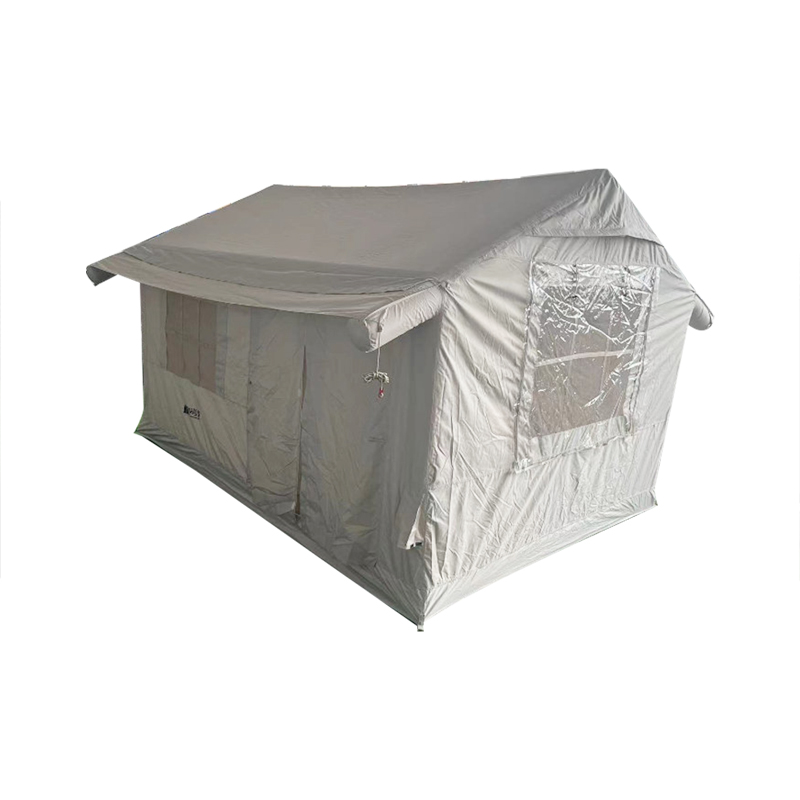
 12平方米双门双窗充气帐篷这款帐篷适合4-6人家庭使用,配备TPU星空窗、双门通风系统及集成气柱,快速搭建且防雨防晒,营造移动客厅体验。View Product →
The best argument for a big inflatable camping tent is not that it is easier. It is that the tent produces usable space quickly and predictably — for a family that wants standing room, a glamping operator who needs identical units before guests arrive, or an event team with two hours until the first ceremony.
A correctly specified large inflatable tent is heavier than a backpacking shelter and more of a system than a tent. But when the job is to shelter a group, the flex-and-hold physics of air columns, the ten-minute setup, and the honest floor area win where every minute matters.
Choose the size by floor plan, choose PVC or TPU by climate and frequency, treat the pressure gauge as part of the kit, and the big tent stops being a big project. It becomes the part of camp nobody has to argue with.