

 English
 中文简体
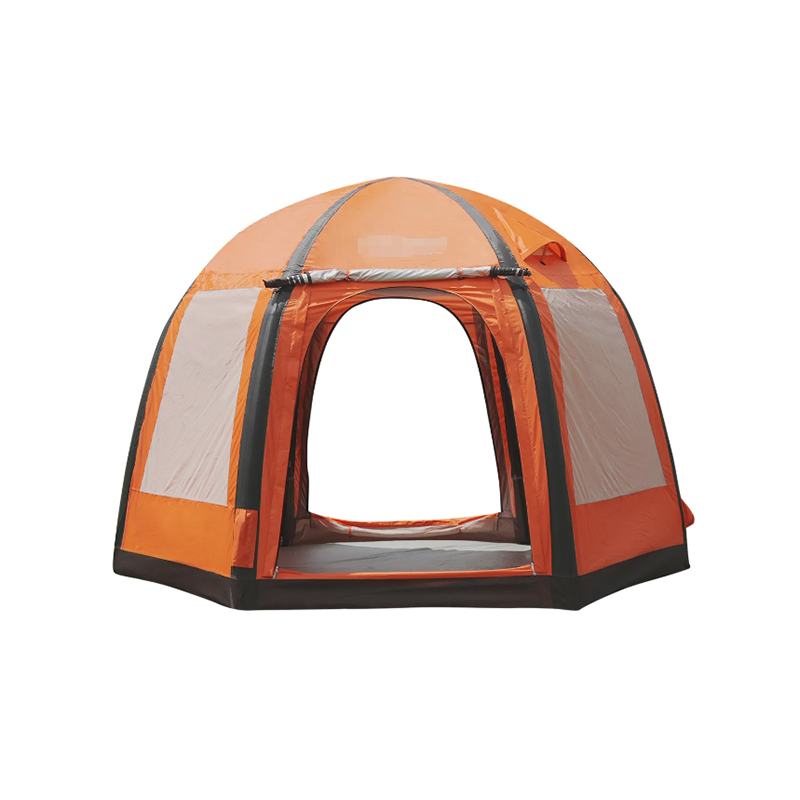
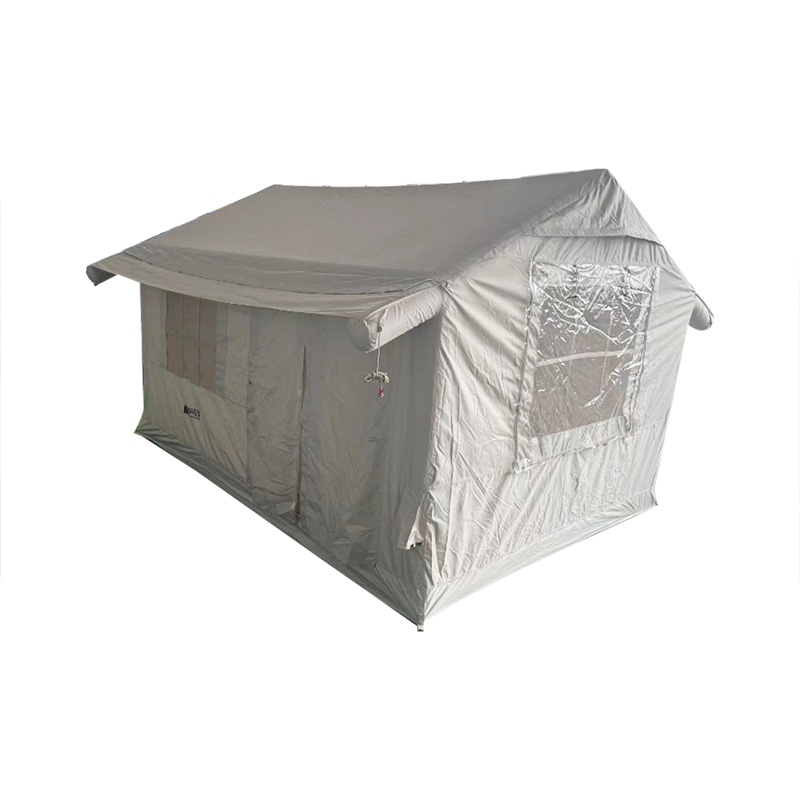
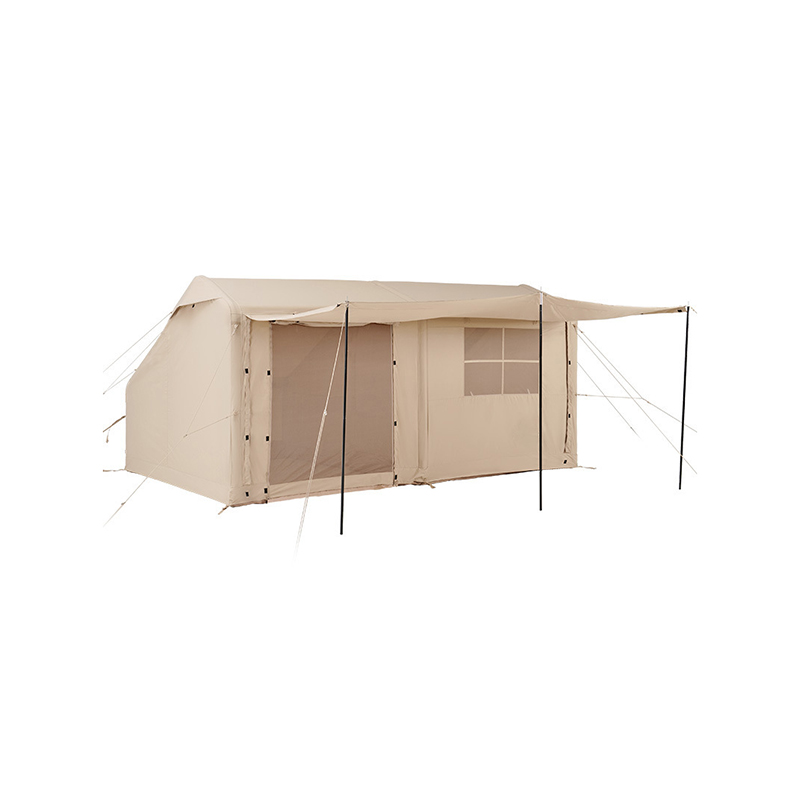
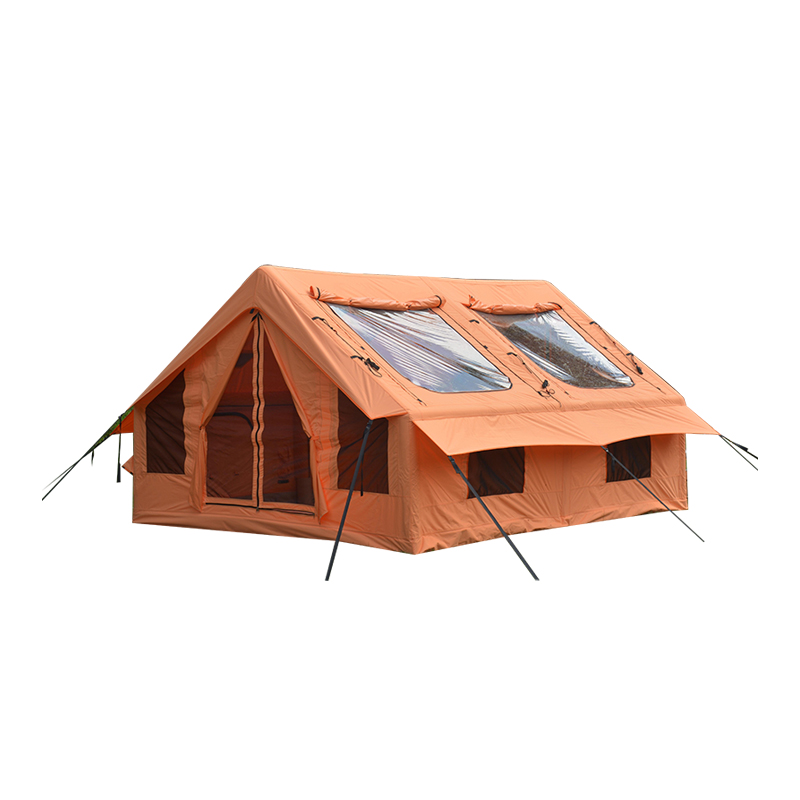
中文简体Hemispherical Inflatable Tent 2 Doors 4 Windows

The Quick-Set Camping Tent performs reliably in high-humidity and rainy environments when used correctly — but its success depends on understanding its waterproofing specifications, ventilation design, and proper setup technique. In short, the tent's rainfly system, sealed seams, and mesh paneling work together to keep occupants dry in moderate to heavy rain, while its ventilation architecture actively combats condensation buildup in humid conditions. For campers who frequently set up in wet forests, coastal zones, or rainy mountain regions, knowing exactly how each of these features functions is essential to getting the most out of this shelter.
The primary metric for evaluating any tent's rain resistance is its hydrostatic head (HH) rating, measured in millimeters. This figure indicates how much water pressure the fabric can withstand before it begins to leak. The Quick-Set Camping Tent's rainfly typically carries a rating of 1,500mm to 2,000mm HH, while the floor material is rated higher — often at 3,000mm or above — since it faces direct ground moisture and pooling water.
To put this in perspective:
The rainfly on the Quick-Set Camping Tent is also coated with a Durable Water Repellent (DWR) finish, which causes water to bead up and roll off the surface rather than saturate the fabric. Over time and with heavy use, DWR coating degrades and should be refreshed using a spray-on or wash-in product approximately every 20–30 nights of use, or whenever water stops beading.
Even the most waterproof fabric will leak at the needle holes created during stitching unless those seams are properly sealed. The Quick-Set Camping Tent uses either critically taped seams (sealing only the highest-stress points) or fully taped seams depending on the specific model variant. Fully taped seams provide the highest level of protection and are preferable for prolonged rain exposure.
Campers setting up in consistently wet climates should verify which seam type their specific Quick-Set model includes. If only critically taped, applying a seam sealer to the remaining stitched areas before the first camping trip is a strongly recommended precaution — a single pass with a seam sealer like McNett Seam Grip takes roughly 30 minutes and can prevent leaks that would otherwise ruin an overnight trip.
One of the most overlooked challenges in wet and humid camping environments is not external rain penetration — it is interior condensation. When warm, moist air from occupants' breath and body heat contacts the cooler inner tent walls, it condenses into water droplets. In a poorly ventilated tent, this can leave sleeping bags and gear just as wet as if the tent had leaked.
The Quick-Set Camping Tent addresses this through a double-wall construction — a breathable mesh or fabric inner tent separated from the waterproof rainfly by an air gap. This gap allows warm, humid air to escape upward and outward before condensing on a surface that would drip onto occupants.
Key ventilation features include:
In practice, even partially opening the apex vent during rain can reduce interior condensation by up to 40% compared to a fully closed configuration, based on field testing data from gear review publications such as OutdoorGearLab.
The geometric relationship between the rainfly and the tent body is critical in wet conditions. A rainfly that extends close to the ground — ideally within 2 to 4 inches of the tent's base — significantly reduces the risk of wind-driven rain sneaking under the fly and wetting the inner tent walls or vestibule areas.
The Quick-Set Camping Tent's full-coverage rainfly design wraps far enough down the sides to provide reliable protection during lateral rain and gusts. The vestibule extensions at each door are particularly useful in sustained downpours, providing a covered transition zone where wet gear, footwear, and clothing can be removed before entering the dry inner tent.
| Rainfly Coverage Type | Wind-Driven Rain Protection | Ventilation Trade-Off | Best Use Case |
|---|---|---|---|
| Partial (high-cut) fly | Low | Excellent airflow | Warm, dry climates |
| Full (low-cut) fly | High | Reduced — vent management needed | Rainy, humid, or windy conditions |
| Quick-Set Camping Tent fly | High | Balanced via apex vents | Three-season mixed conditions |
Even the best waterproofing technology is undermined by poor pitching technique. To get maximum wet-weather performance from the Quick-Set Camping Tent, follow these field-tested setup guidelines:
Repeated exposure to high humidity accelerates the degradation of several key components in the Quick-Set Camping Tent. Understanding this helps campers plan proactive maintenance that significantly extends the tent's usable life.
The DWR finish typically begins to lose effectiveness after 15 to 30 uses in wet conditions. Signs of failure include water "wetting out" — spreading across the fabric surface rather than beading — which adds weight and reduces breathability. Re-applying DWR spray after washing the tent restores this performance layer.
The waterproof PU coating on the underside of the rainfly and the tent floor can begin to flake or delaminate after 5 to 7 years of regular use, especially if the tent is stored while damp. Always dry the Quick-Set Camping Tent completely before packing it away — even 24 hours of trapped moisture can promote mold, mildew, and accelerated PU breakdown.
Metal zipper components on the Quick-Set Camping Tent are susceptible to corrosion and stiffening in high-humidity coastal environments. Treating zippers with a silicone-based lubricant like McNett Zip Care every few trips keeps them operating smoothly and prevents the kind of catastrophic zipper failure that can leave a tent door unsealed in the middle of a storm.
For three-season camping in temperate, subtropical, or coastal environments with regular rainfall, the Quick-Set Camping Tent is a capable and practical choice. Its combination of a high-HH-rated rainfly, low-cut coverage, double-wall construction, and apex ventilation system addresses the two core challenges of wet camping — external water intrusion and internal condensation — more effectively than many shelters at its price point.
However, campers planning extended trips in torrential tropical rain, monsoon conditions, or persistent all-day downpours should augment the tent's built-in protection with a seam sealer application, a properly sized footprint, and a tarp pitched above the setup for an additional layer of weather coverage. With these precautions in place, the Quick-Set Camping Tent transitions from a solid fair-weather performer to a genuinely all-conditions shelter for three-season adventurers.