

 English
 中文简体
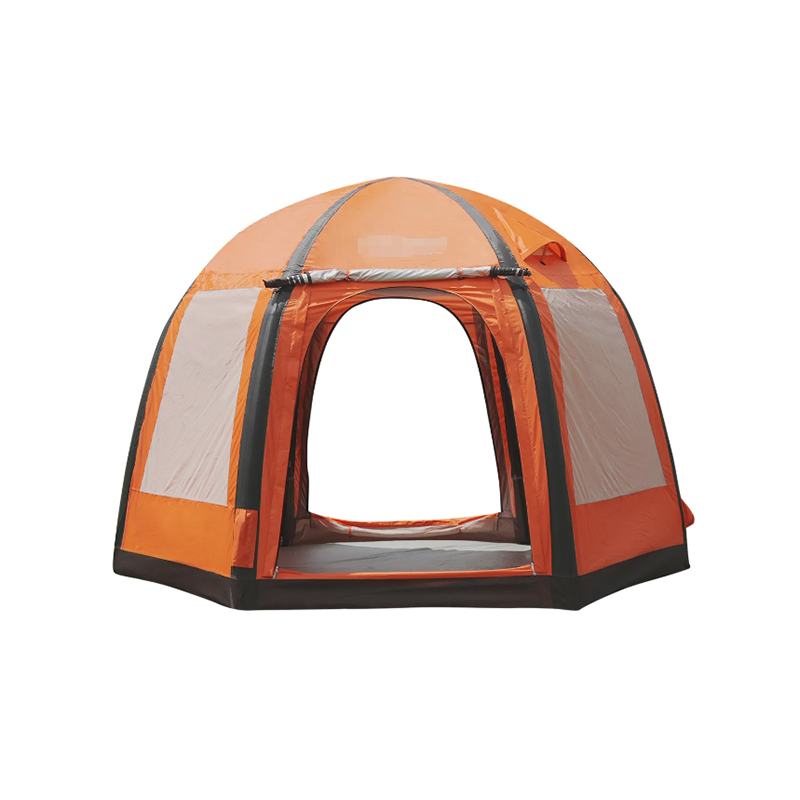
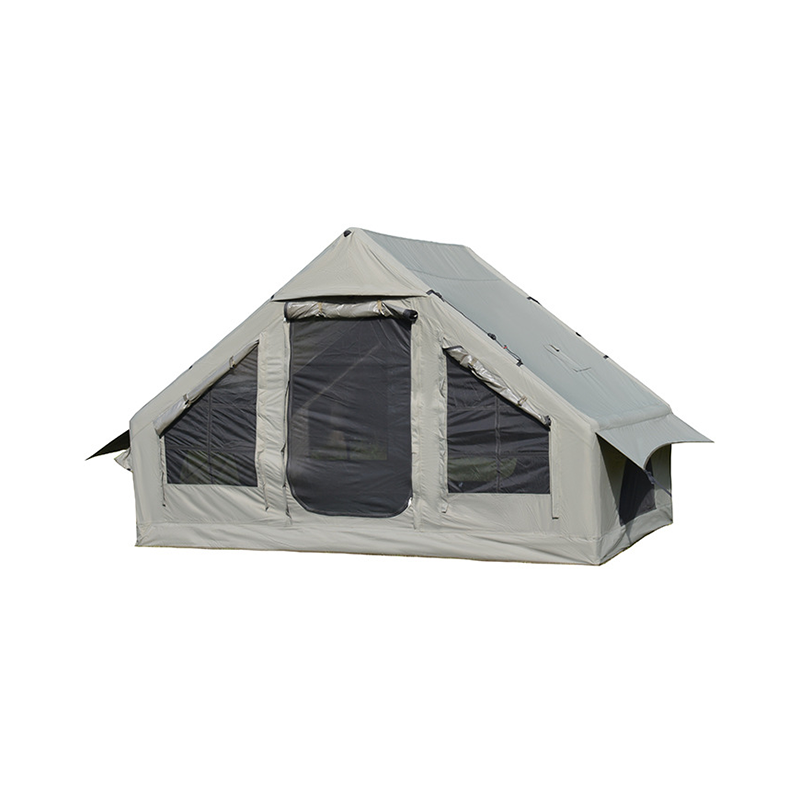
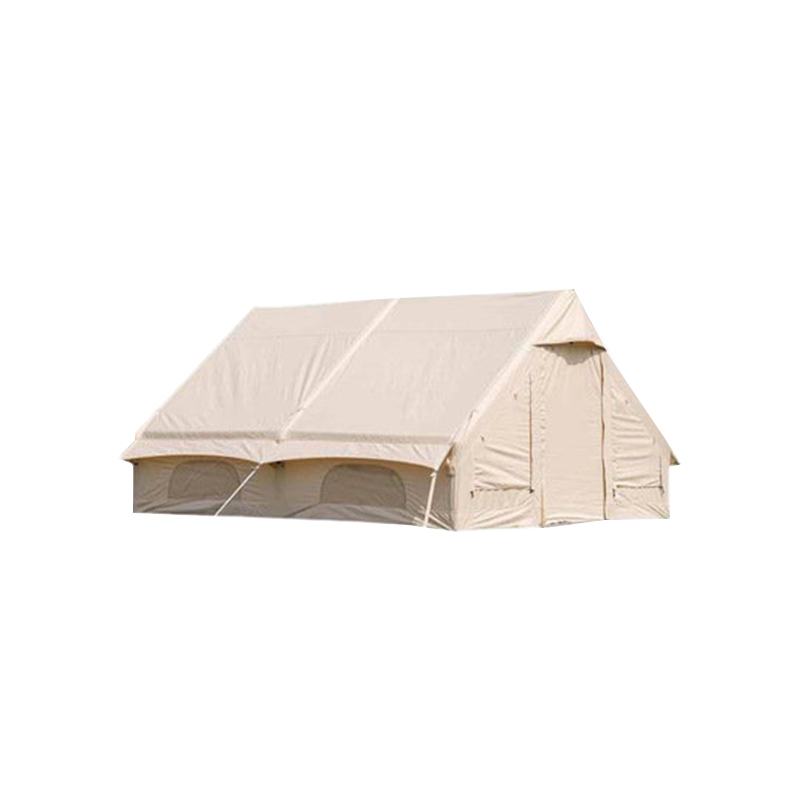
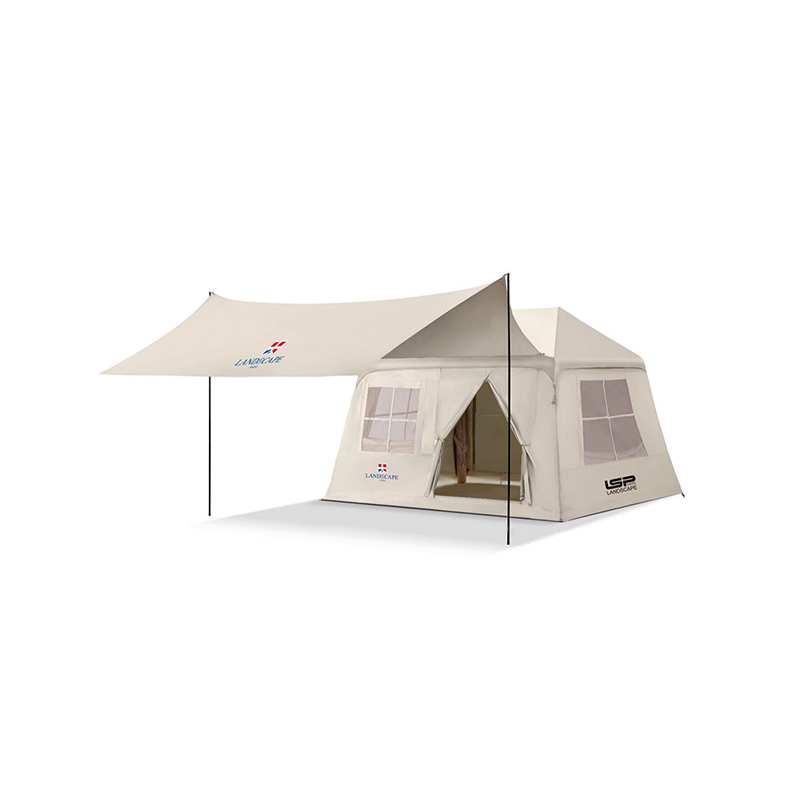
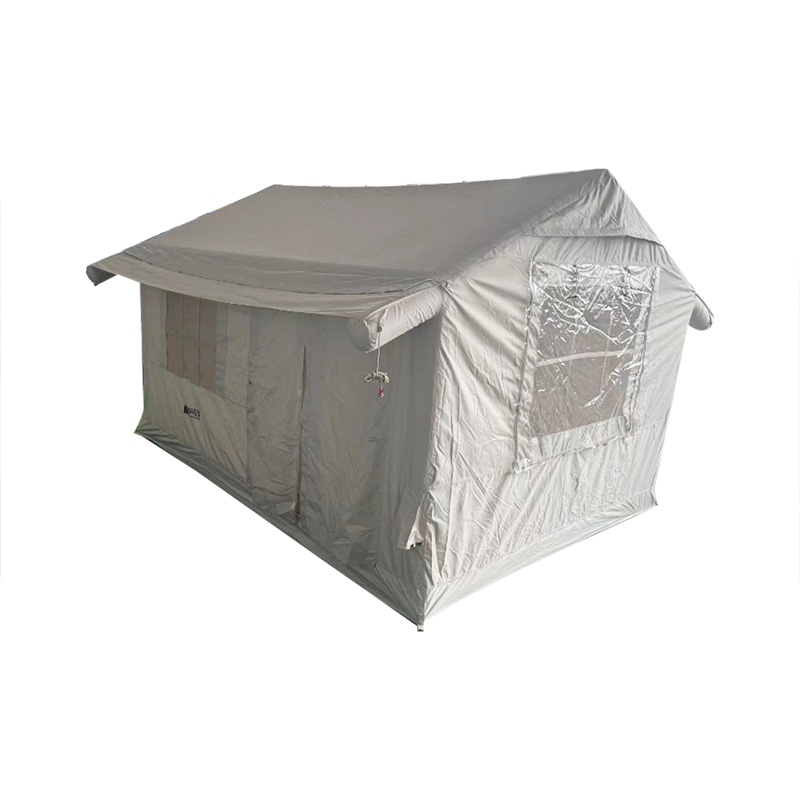
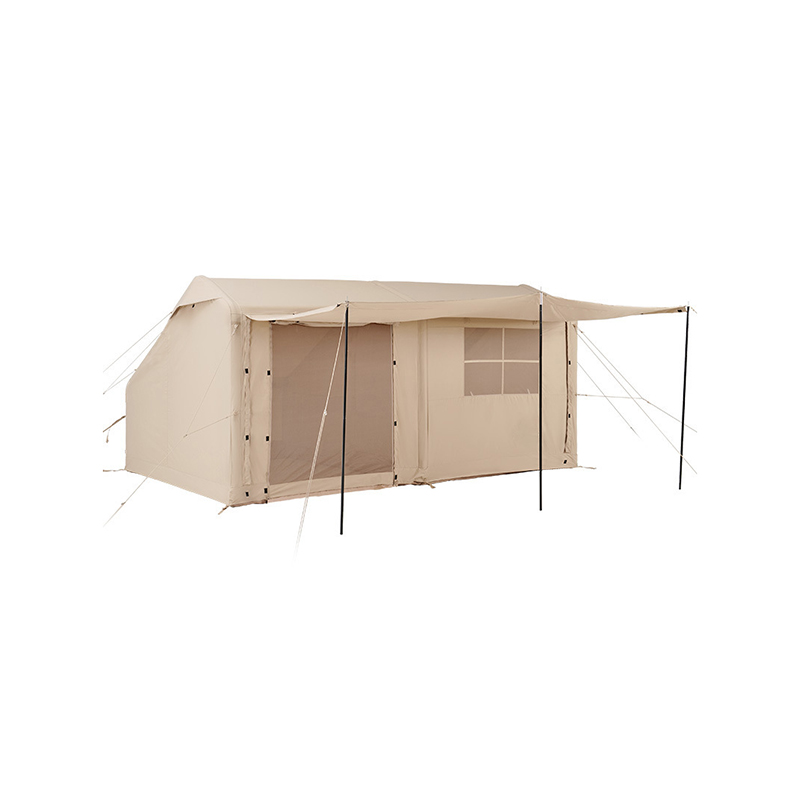
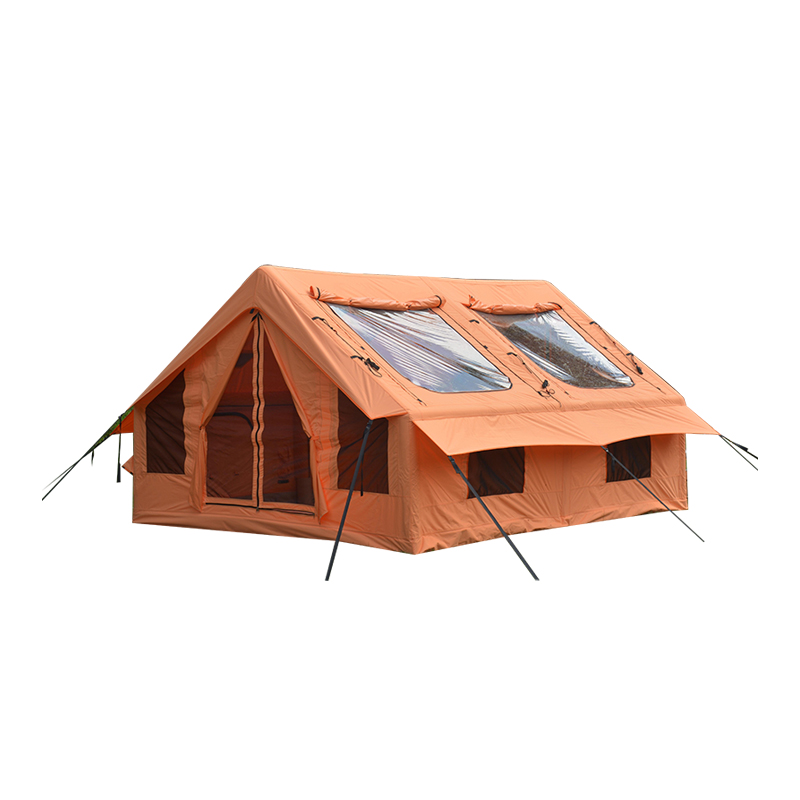
中文简体Hemispherical Inflatable Tent 2 Doors 4 Windows

Modern inflatable camping tent air beams — particularly those made from TPU (thermoplastic polyurethane) — can withstand wind loads comparable to fiberglass poles in most recreational camping scenarios, and in some designs, even rival lower-grade aluminum poles. However, performance depends heavily on material quality, inflation pressure, tent geometry, and wind conditions. This article breaks down the science and real-world data behind that comparison.
Unlike traditional pole tents that rely on rigid materials to resist bending forces, an inflatable camping tent uses pressurized air tubes — called air beams — to create structural support. These beams work on the principle of tensioned membrane structures: the pressurized air inside the tube creates rigidity by placing the outer fabric wall under tension.
Most quality inflatable camping tent models inflate their beams to between 6 and 10 PSI (0.4–0.7 bar). At these pressures, a well-designed TPU beam with a diameter of 80–100mm can support significant lateral wind force without collapsing.
The two most common air beam materials are:
The choice of air beam material directly impacts how the inflatable camping tent responds under high wind load, especially in cold conditions where PVC loses significant flexibility.
To make a fair comparison, it helps to look at how each pole type behaves under measurable wind pressure. Wind load on a tent is typically expressed in kilometers per hour (km/h) or Beaufort scale ratings.
| Pole Type | Typical Wind Resistance | Failure Mode | Cold Weather Performance |
|---|---|---|---|
| TPU Air Beam | 50–80 km/h | Deflects and bends, slow deflation | Excellent (down to -30°C) |
| PVC Air Beam | 40–65 km/h | Sudden puncture or seam split | Poor below -10°C |
| Fiberglass Pole | 45–70 km/h | Snaps or shatters under overload | Good, but brittle at extremes |
| Aluminum Pole (7000-series) | 70–100+ km/h | Bends permanently (ductile failure) | Excellent across all temperatures |
As the data shows, a quality TPU-based inflatable camping tent performs on par with — and sometimes better than — fiberglass poles in moderate wind conditions. High-end aluminum poles (7000-series alloy) remain the superior choice for extreme wind environments above 80 km/h.
One area where the inflatable camping tent genuinely outperforms rigid-pole tents is in its failure behavior. When a fiberglass pole snaps under wind load, the failure is immediate, often catastrophic, and can damage the tent fabric. When aluminum poles bend past their yield point, they are permanently deformed and unusable without replacement.
In contrast, an inflatable camping tent's air beams flex and absorb dynamic wind energy rather than resisting it rigidly. This means:
This resilience makes the inflatable camping tent particularly well-suited for coastal camping, festival use, and family camping where setup speed and safety matter more than extreme-weather performance.
Not all inflatable camping tents are built equal. Several design and material variables significantly affect how much wind load the structure can bear.
Under-inflating is one of the most common user errors. An inflatable camping tent beam inflated to only 4 PSI instead of the recommended 8 PSI loses approximately 30–40% of its structural stiffness, making it far more susceptible to wind deformation. Always use the included pressure gauge and follow the manufacturer's PSI specification.
Wider beams (100mm+) distribute force more effectively than narrow ones (60mm). Tunnel-style inflatable camping tents with continuous curved beam arches tend to perform better in wind than dome-style configurations due to their aerodynamic profile.
No tent pole system — inflatable, fiberglass, or aluminum — performs at its rated wind resistance without proper guying. An inflatable camping tent with all guy lines staked at 45° angles can increase effective wind resistance by up to 50% compared to an unguyed setup. This is true across all pole types and is non-negotiable in exposed locations.
The outer fabric of the inflatable camping tent plays a co-structural role. A tightly tensioned 68D ripstop polyester fly distributes wind pressure more evenly across the air beams than a loose, heavier canvas outer. Look for fabrics rated at 3000mm HH or above with factory-taped seams for best structural and waterproof performance in windy, wet conditions.
Based on the structural comparison, here is a practical guide to help you decide when an inflatable camping tent is the right choice:
A well-designed inflatable camping tent with TPU air beams can absolutely withstand wind loads comparable to fiberglass poles, and in terms of failure safety and ease of field repair, it can even be considered superior. It falls short only when compared to premium 7000-series aluminum poles in truly extreme wind conditions. For the vast majority of campers — weekend trips, family outings, festivals, and 3-season adventures — the inflatable camping tent provides more than adequate wind resistance, combined with the key advantages of fast setup, no broken poles, and a safer failure mode when limits are exceeded.
The key is to invest in a model that uses TPU rather than PVC beams, inflate to the correct PSI every time, and never skip the guy lines — regardless of how calm conditions appear at the start of your trip.