

 English
 中文简体
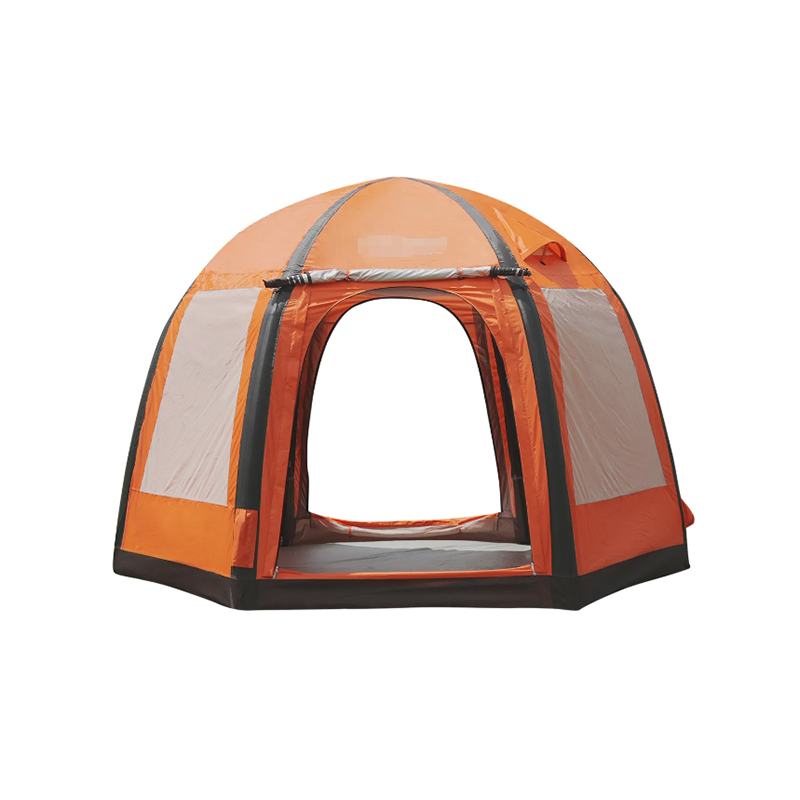
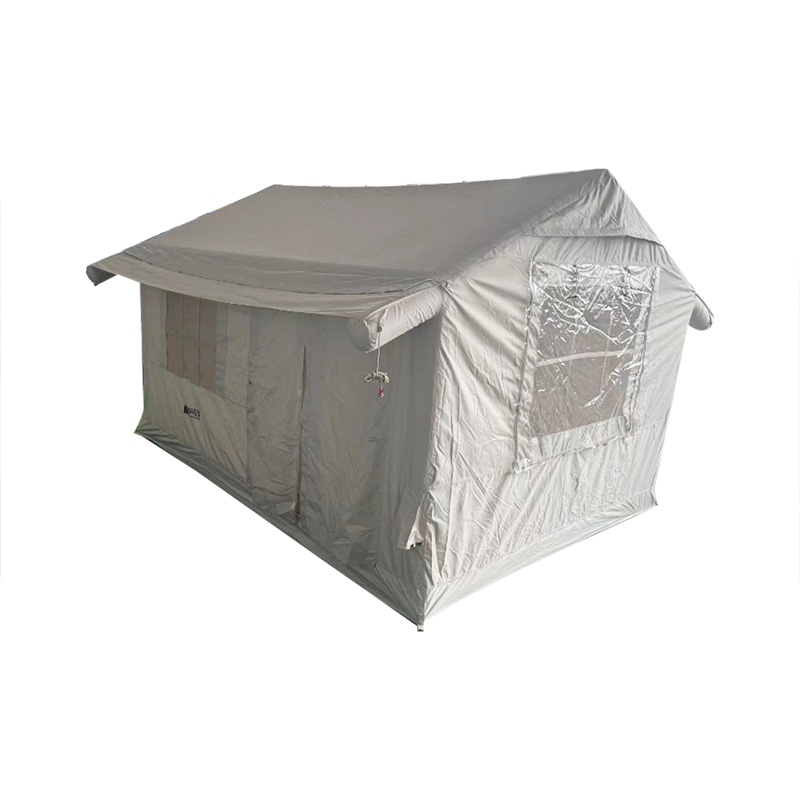
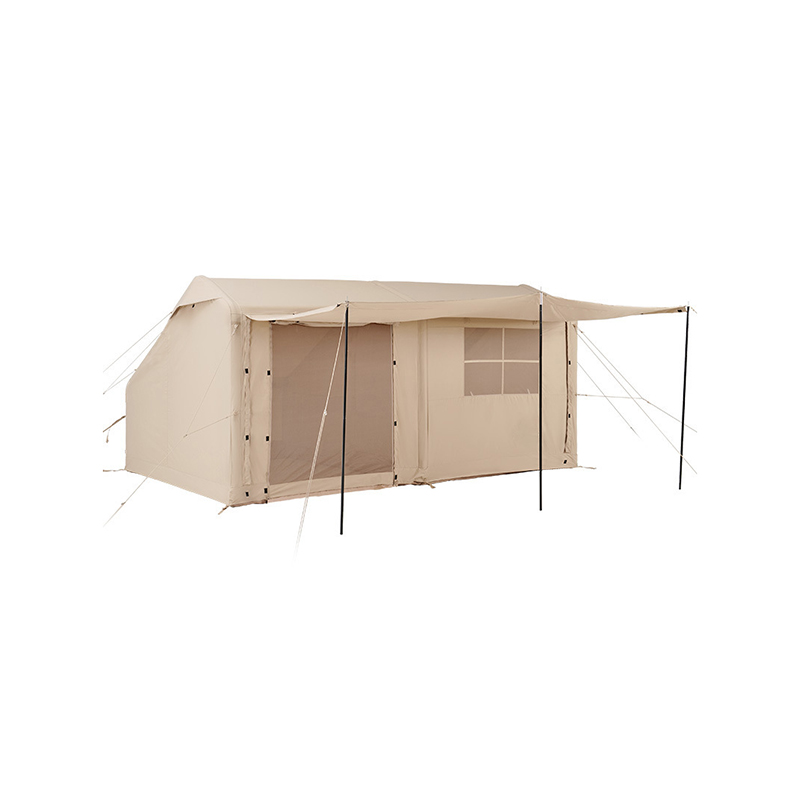
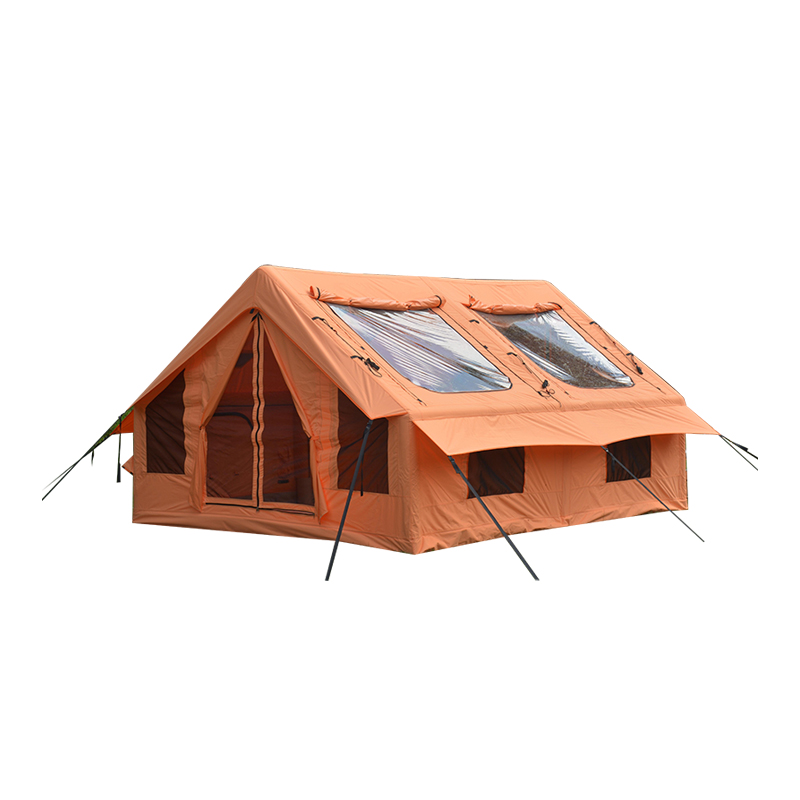
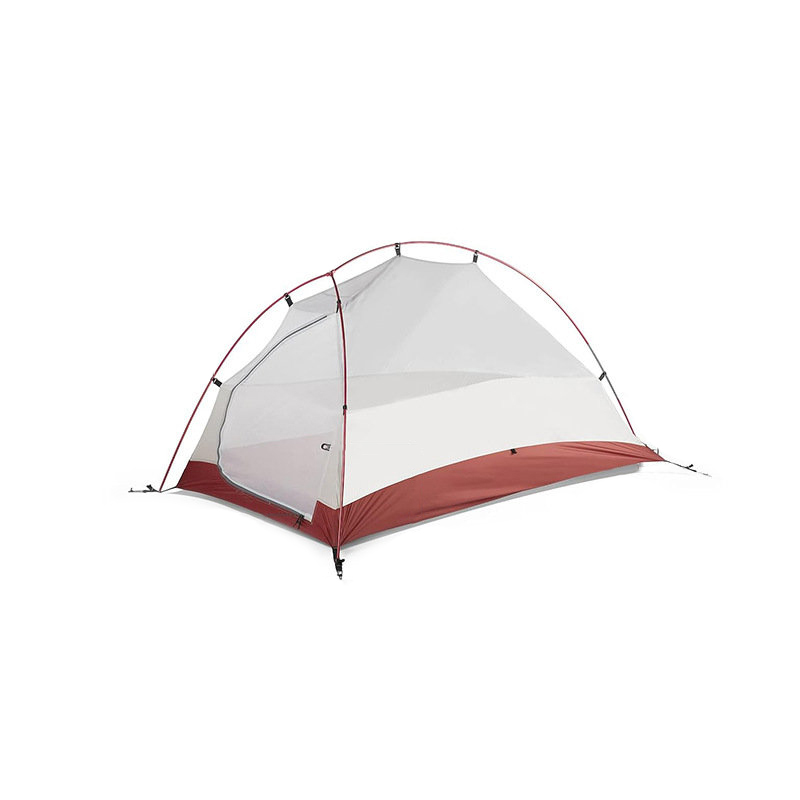
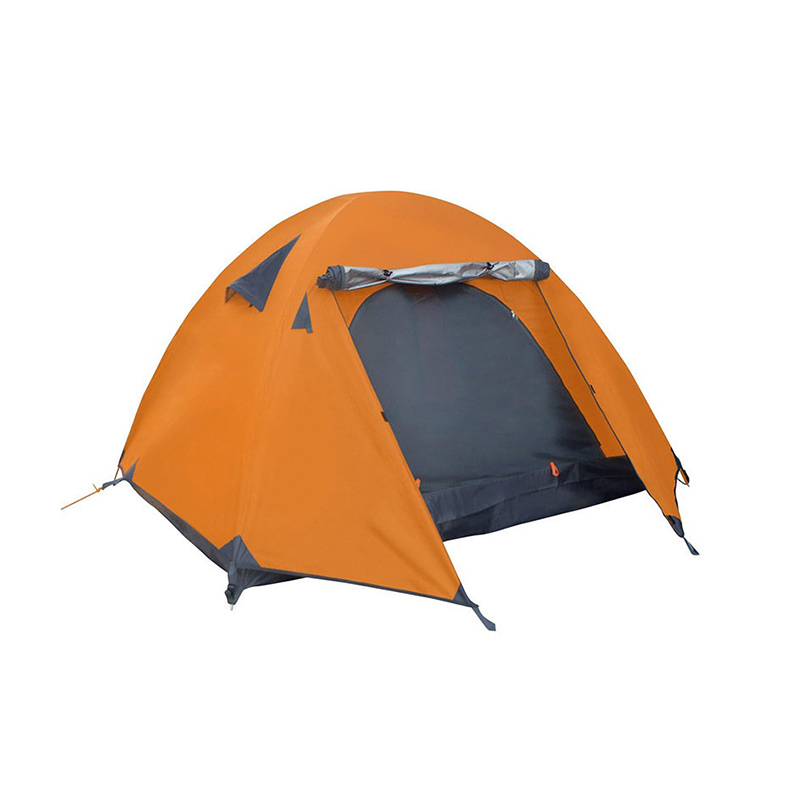
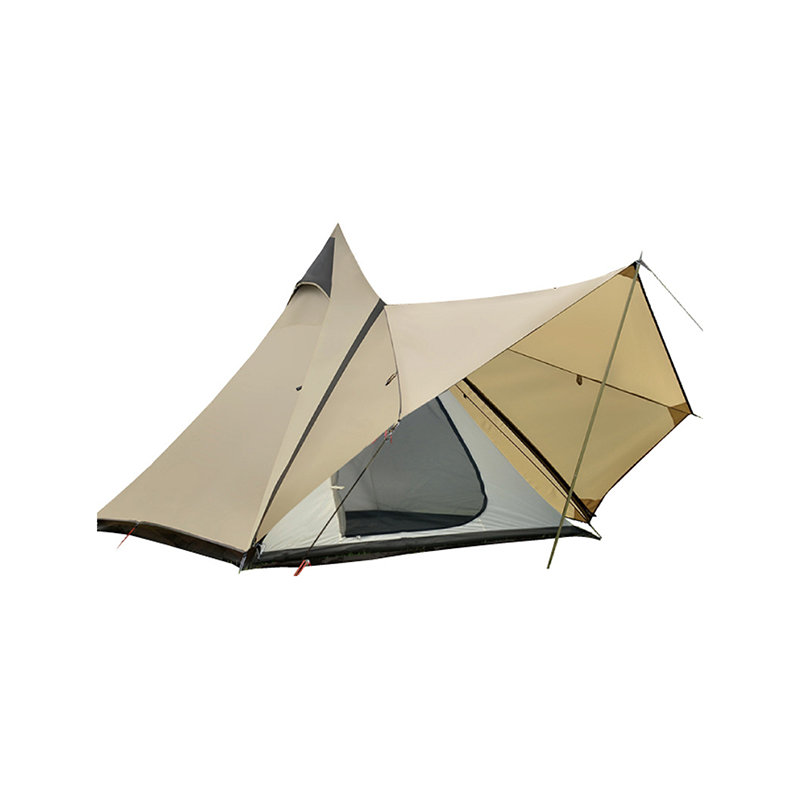
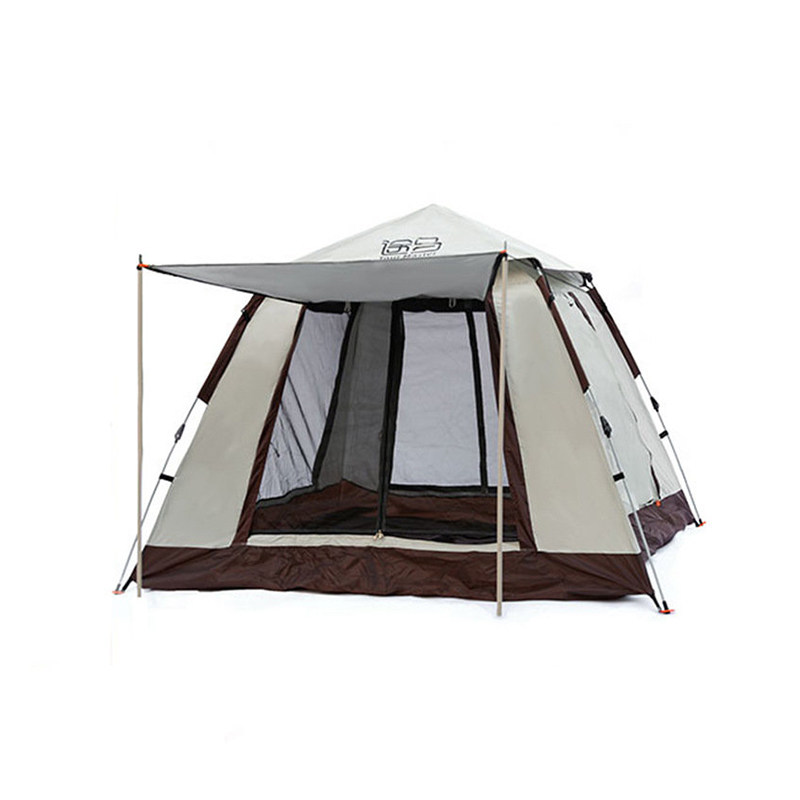
中文简体Hemispherical Inflatable Tent 2 Doors 4 Windows

The well-designed inflatable camping tent can provide adequate ventilation to significantly reduce condensation buildup, but the effectiveness depends heavily on the tent's specific ventilation architecture, the materials used, and how the camper manages airflow. Not all inflatable camping tents are created equal in this regard, and understanding what separates a well-ventilated model from a poorly designed one can make the difference between a dry, comfortable night and waking up soaked by interior moisture.
Condensation forms inside any tent when warm, moist air from occupants' breath and body heat contacts the cooler inner surface of the tent fabric. In a typical overnight camping scenario, a single adult exhales approximately 0.3 to 0.5 liters of water vapor per hour. In a two-person inflatable camping tent over an eight-hour night, that equates to nearly a liter of moisture that must be managed — either vented out or absorbed and released by the fabric. Without proper ventilation design, that moisture accumulates as droplets on the inner walls, soaking sleeping bags, gear, and clothing.
Modern inflatable camping tents use a combination of passive and active ventilation strategies to control interior humidity. The most effective designs incorporate multiple low-level and high-level vents to create a chimney effect — cool fresh air enters near the ground, warms up, absorbs moisture, and exits through elevated roof vents. This convective airflow is the most reliable way to keep condensation at bay without relying on the camper to manually open doors or windows.
Key ventilation features to look for in a quality inflatable camping tent include:
A well-specified inflatable camping tent with dual-layer construction and opposing mesh vents can reduce interior relative humidity by up to 30–40% compared to a single-skin tent of equivalent floor area, according to independent outdoor gear testing reports.
The most important structural factor determining how well an inflatable camping tent handles condensation is whether it uses a single-skin or double-wall design. The table below summarizes the key differences:
| Feature | Single-Skin Inflatable Tent | Double-Wall Inflatable Tent |
|---|---|---|
| Condensation Risk | High | Low to Moderate |
| Weight | Lighter | Heavier |
| Setup Time | Faster | Slightly Longer |
| Insulation Performance | Poor | Good |
| Best Use Case | Warm, dry climates | Cold, wet, or mixed conditions |
| Typical Ventilation Options | Door mesh only | Roof vents + mesh + door panels |
For three-season or four-season camping, a double-wall inflatable camping tent is strongly recommended due to its superior moisture management and thermal performance.
Even a high-quality inflatable camping tent with excellent ventilation will struggle under certain environmental conditions. Understanding these factors helps campers proactively reduce moisture accumulation:
When outdoor relative humidity exceeds 80–90%, which is common near lakes, rivers, or coastal areas, ventilation alone cannot sufficiently dry the interior air. In these scenarios, even fully opened vents allow moist exterior air to enter, paradoxically worsening the inside humidity. Campers should position the inflatable camping tent to maximize natural wind flow through the structure.
Condensation forms most aggressively when the temperature difference between the tent interior and the exterior shell exceeds 10°C (18°F). This is common on early spring or autumn nights where daytime warmth gives way to cold nights. A double-wall inflatable camping tent minimizes this thermal gradient due to the insulating dead-air space between fabric layers.
Filling an inflatable camping tent to its maximum stated capacity significantly increases interior moisture load. For example, a 4-person inflatable camping tent used by four adults generates roughly 2.4 liters of water vapor per 8-hour night. Using the same tent with two people halves the vapor load and makes ventilation far more effective.
Regardless of how advanced your inflatable camping tent's ventilation system is, user behavior plays a critical role in managing condensation. The following practical measures are consistently effective:
When evaluating an inflatable camping tent purchase specifically for ventilation capability, prioritize the following specifications and features:
Brands such as Vango, Outwell, and Coleman have released inflatable camping tent models with independently tested ventilation performance data. Seeking out such verified specifications, rather than relying solely on marketing claims, gives buyers a much more reliable picture of real-world condensation management.
A well-engineered inflatable camping tent with double-wall construction, multiple adjustable vents, and mesh inner panels provides ventilation performance that is comparable to — and in some cases superior to — traditional pole tents in the same price bracket. The air beam structure of an inflatable camping tent actually offers a unique advantage: because the beams form smooth, curved profiles, there are fewer internal obstructions that could trap stagnant moist air compared to traditional pole configurations.
However, no inflatable camping tent — regardless of price or design sophistication — can completely eliminate condensation under all conditions. Condensation management is always a combination of tent design and camper behavior. By choosing a tent with verified ventilation specifications and following practical moisture-management habits at camp, users can keep the interior of their inflatable camping tent dry, comfortable, and free from the mold and fabric damage that chronic condensation inevitably causes over time.