

 English
 中文简体
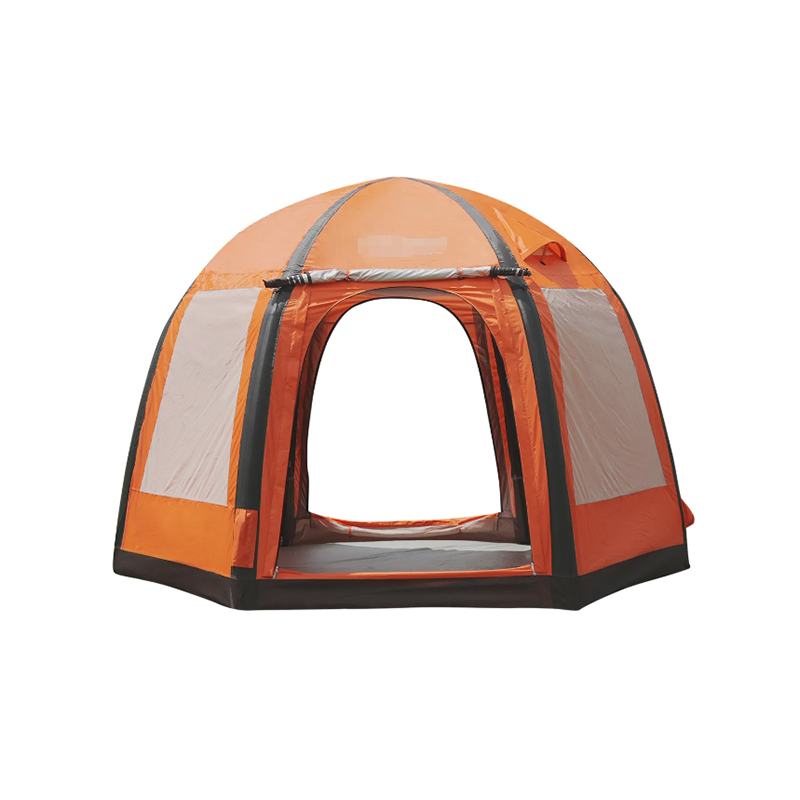
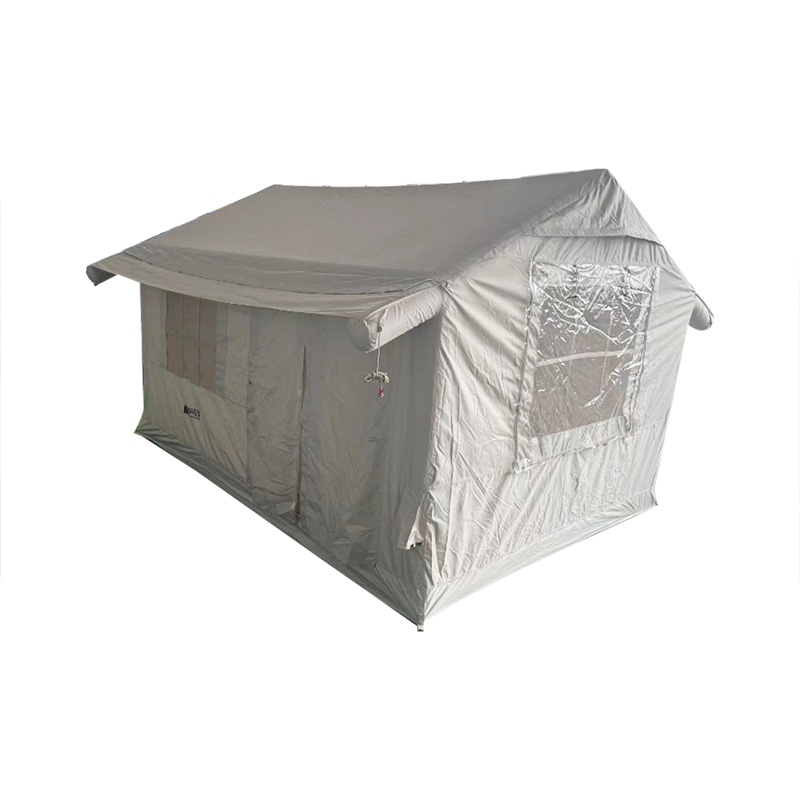
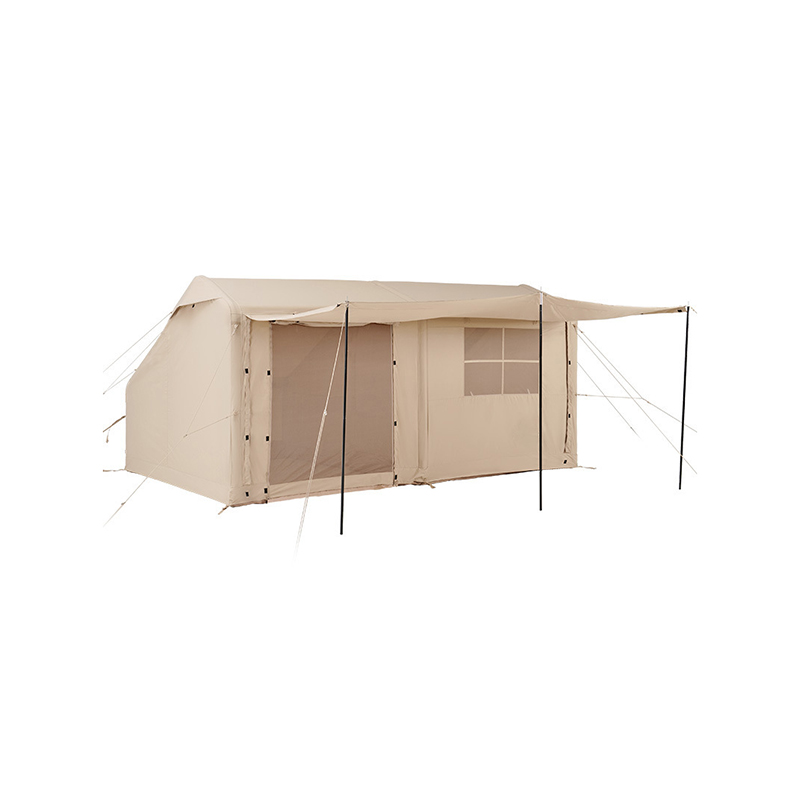
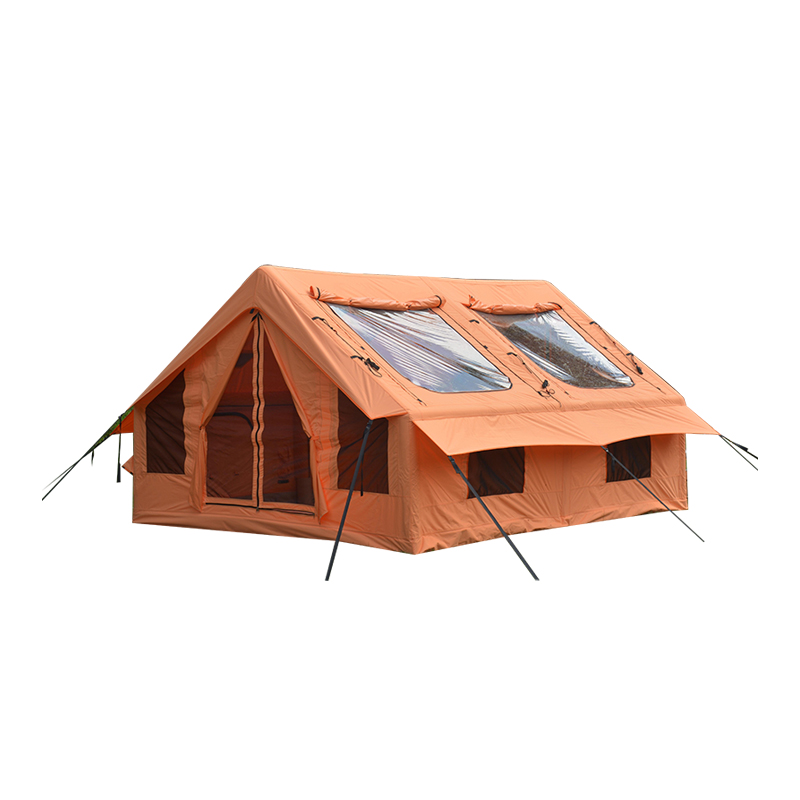
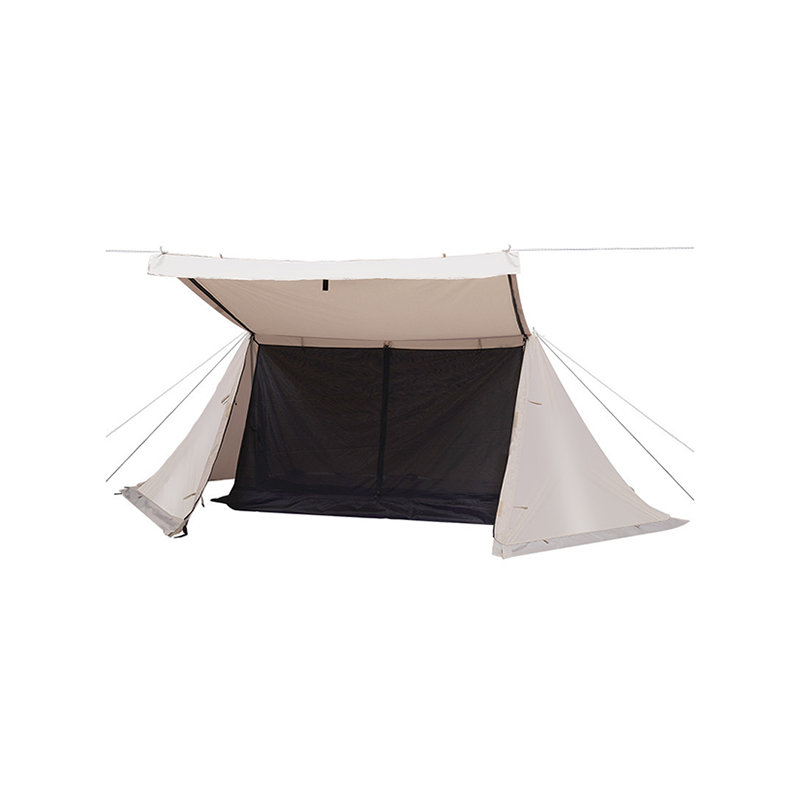
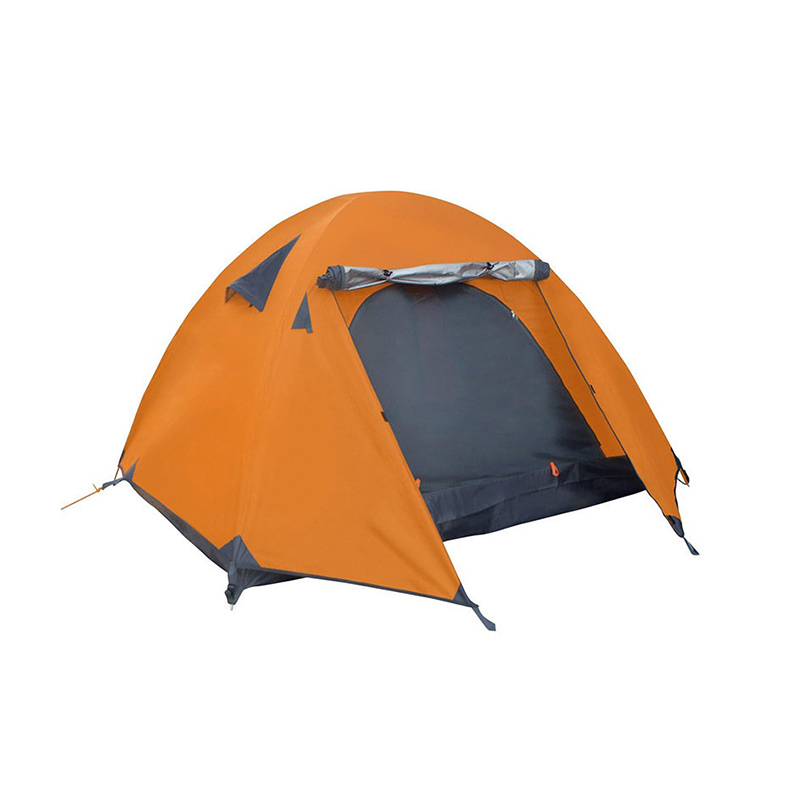
中文简体Hemispherical Inflatable Tent 2 Doors 4 Windows

The Manual Set-Up Camping Tent retains internal heat during cold nights largely through the use of specialized fabric materials and layered construction. High-density polyester or nylon fabrics, often treated with thermal coatings, help minimize heat exchange between the inside and outside environment. These fabrics have relatively low thermal conductivity, meaning they slow down the escape of warm air generated by campers. Many tents use a dual-wall design consisting of an inner breathable tent and an outer rainfly. The air gap created between these two layers acts as a natural insulator, reducing heat loss through convection and radiation. This layered design also helps block wind, which is one of the main causes of rapid heat loss in cold-weather camping environments.
Although insulation is crucial, a Manual Set-Up Camping Tent must still allow controlled ventilation to prevent moisture buildup. Human respiration releases warm, humid air, which can condense on cold tent surfaces and create discomfort, freezing hazards, and structural weakening of the fabric. The tent’s ventilation systems—often adjustable roof vents, side vents, or partially closable mesh panels—are engineered to allow moisture-laden air to exit without allowing large volumes of cold external air to infiltrate. This balancing act helps retain warmth while preventing damp conditions that can decrease body temperature. Proper ventilation keeps the internal microclimate stable and dry, which is just as important as heat retention for nighttime comfort and safety.
Vent placement plays a critical role in ensuring that a Manual Set-Up Camping Tent retains heat without compromising user safety. Vents are generally positioned near the upper portion of the tent, where warm, humid air naturally rises. This placement allows the tent to expel moisture efficiently while keeping lower-level airflow minimal, reducing cold drafts that can cool occupants. By relying on passive airflow rather than large openings, the tent maintains safe oxygen levels without allowing excessive heat loss. This design also prevents the buildup of carbon dioxide, ensuring that occupants breathe comfortably throughout the night without needing to open large, heat-draining windows.
Mesh panels are essential for airflow but can be detrimental in cold weather if not properly managed. Manual Set-Up Camping Tents typically include mesh windows or doors that can be fully closed or partially covered with fabric panels to regulate airflow. During cold nights, campers can close these mesh areas to keep warm air inside while still relying on dedicated small vents to prevent condensation. The ability to control or seal mesh sections helps the tent maintain thermal efficiency without restricting the minimal ventilation required for safe breathing. This design ensures warmth preservation while still maintaining a healthy internal atmosphere.
Wind exposure is one of the most significant contributors to heat loss in tents. A Manual Set-Up Camping Tent often includes aerodynamic shaping, low-profile structures, and tensioned rainflies to reduce the effects of cold wind penetrating the tent body. The tent poles and rainfly create a stable architecture that prevents fabric flapping, which can cause micro-drafts and compromise heat retention. Reinforced seams and strategically placed tie-down points improve the tent’s stability, ensuring that the insulation layer remains intact even during strong nighttime winds. These structural choices help maintain a warm and stable interior environment without requiring any additional heating devices.
The key safety consideration is that a Manual Set-Up Camping Tent must retain heat without allowing conditions that encourage the use of unsafe heating methods such as open flames, candles, or fuel-powered heaters inside the tent. The tent’s design ensures that natural body heat and insulation are typically sufficient to maintain a habitable temperature without creating conditions of poor airflow that could lead to suffocation risks. By allowing slow, controlled ventilation while retaining most warm air, the tent maintains safety standards without promoting dangerous user behaviors. The balance between insulation and ventilation is engineered to ensure that the tent remains warm enough for comfort yet breathable enough for long-term occupancy.