

 English
 中文简体
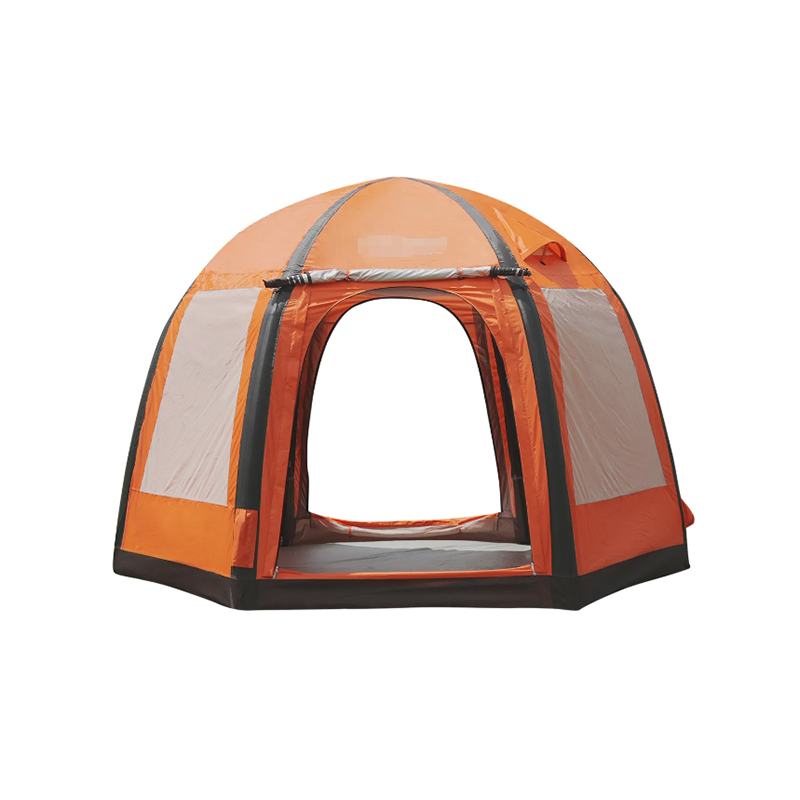
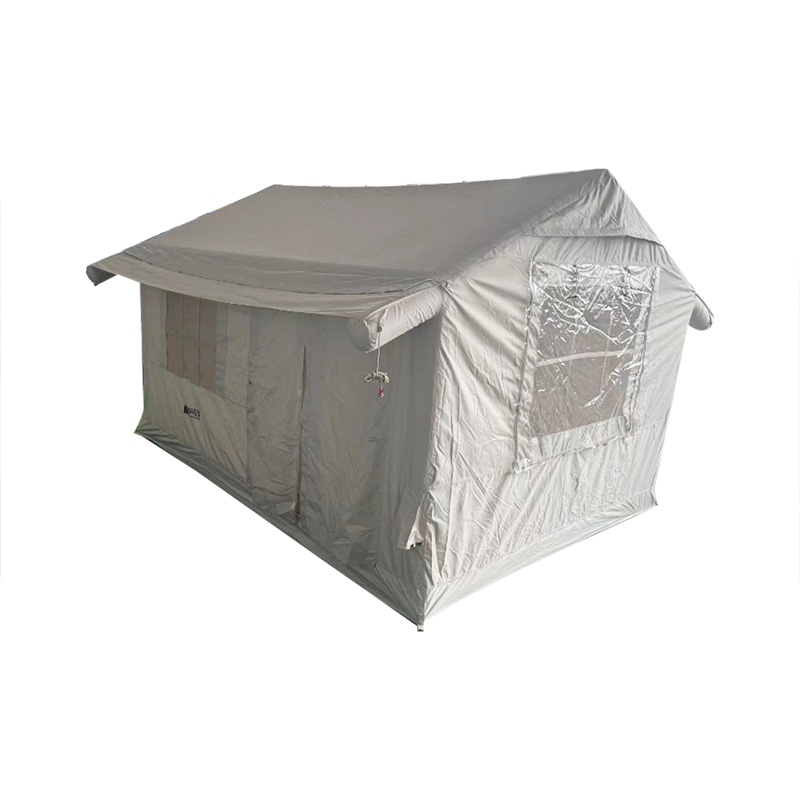
中文简体Hemispherical Inflatable Tent 2 Doors 4 Windows

When it comes to interior noise levels during critical hunting moments, fabric hunting blinds are significantly louder than hard-sided hunting blinds when drawing a bow or repositioning. The soft walls of a fabric blind flex, rustle, and amplify subtle movements, while a hard-sided blind's rigid panels absorb and contain sound more effectively. However, the difference is manageable with the right preparation — and understanding the mechanics behind the noise can help you choose the right blind for your hunting style.
The core issue with fabric hunting blinds is material flexibility. Most fabric blinds are constructed from polyester or nylon-based materials stretched over a collapsible hub frame. When a hunter shifts their weight, rotates to reposition, or raises a bow arm, the fabric walls respond by flexing — producing a distinctive swishing or crinkling sound that can travel up to 20–30 feet in calm conditions.
Additionally, the hub frames of pop-up fabric blinds are under constant tension. When a hunter bumps the frame during repositioning, the poles can produce a subtle but sharp metallic ping. In field tests comparing multiple blind types, hunters inside fabric blinds generated an average noise level of 42–55 decibels (dB) during a standard bow draw and pivot sequence — roughly equivalent to a quiet conversation at close range.
Wind is another amplifying factor. Even a light 5–10 mph breeze causes a fabric hunting blind's walls to ripple and slap against the frame, adding ambient noise that can mask or compound hunter-generated sounds at unpredictable intervals.
Hard-sided hunting blinds — typically constructed from plywood, fiberglass, or molded composite panels — offer a fundamentally different acoustic environment. Rigid walls do not flex under movement, eliminating the primary source of fabric noise. When a hunter draws a bow or turns to reposition inside a hard-sided blind, the surrounding structure remains stationary and silent.
In comparable field tests, bow draw and repositioning noise inside a well-built hard-sided hunting blind registered between 28–38 dB — roughly the ambient noise level of a quiet rural environment. That is a measurable reduction of approximately 15–20 dB compared to fabric alternatives, which is significant given that deer can detect sound frequencies humans cannot and are sensitive to directional noise at close range.
Hard-sided blinds also provide superior wind buffering, meaning external environmental noise does not penetrate or interact with hunter movement sounds in the same way. This creates a more acoustically predictable and controlled hunting environment.
The table below summarizes the key noise-related differences between fabric and hard-sided hunting blinds across the most common hunting scenarios.
| Scenario | Fabric Hunting Blind | Hard-Sided Hunting Blind |
|---|---|---|
| Bow Draw & Pivot | 42–55 dB | 28–38 dB |
| Weight Shift / Repositioning | Moderate rustling | Minimal to none |
| Wind Noise Interaction | High (wall flex & slap) | Very low |
| Frame Contact Sound | Metallic ping possible | Rare / dampened |
| Overall Acoustic Control | Moderate | Excellent |
If portability is your priority and you prefer a fabric hunting blind over a permanent hard-sided structure, there are proven strategies to meaningfully reduce interior noise during critical moments:
Hard-sided hunting blinds are heavier and less portable than fabric options — a standard tower hard-sided blind can weigh 200–600 lbs and require vehicle transport and installation tools. However, for hunters with a fixed stand location who hunt the same spot repeatedly throughout a season, the acoustic advantage is substantial and directly translates to more successful shots.
Bowhunters in particular benefit most from the noise reduction of a hard-sided hunting blind. Drawing a compound bow or crossbow involves a sustained motion lasting 2–4 seconds — more than enough time for a nearby deer to detect subtle rustling from a fabric blind. In a hard-sided blind, that same draw happens in near silence.
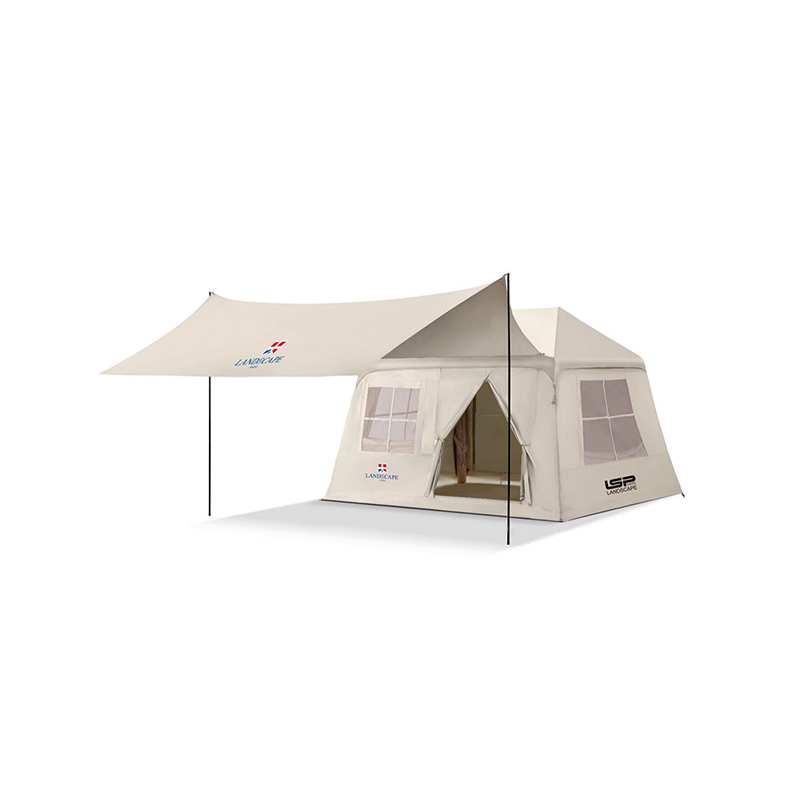
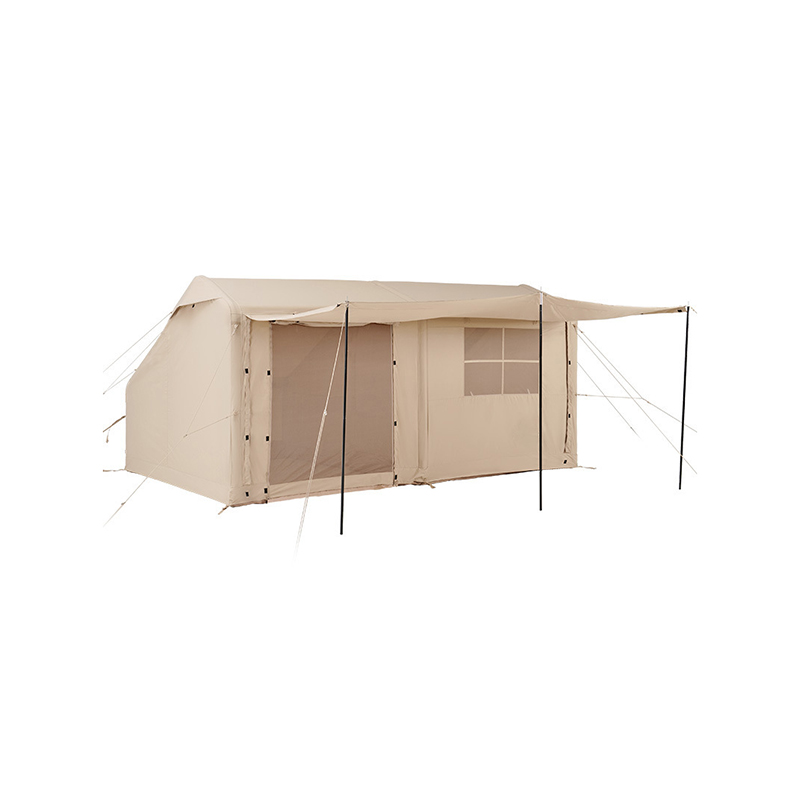
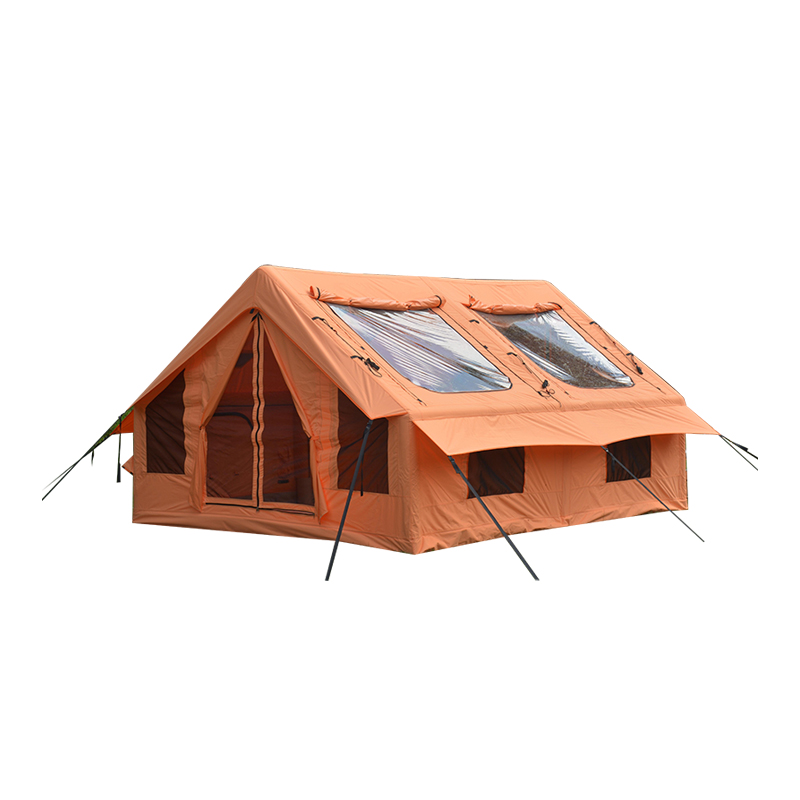
Hunters operating in open field environments sometimes explore alternative shelter concepts for multi-purpose use. While products like an Air tent or an Integrated inflatable tent offer impressive setup speed and weather protection for base camp applications, they are not designed for the acoustic concealment demands of close-range hunting. Similarly, an Inflatable Tent With Canopy may serve well as a field camp or gear staging shelter, but the material flexibility inherent to inflatable structures introduces the same noise disadvantages found in standard fabric hunting blinds — making them unsuitable as primary hunting concealment.
The right choice depends on how you weigh portability against acoustic performance. Use this quick guide:
No hunting blind eliminates all noise entirely, but the structural differences between fabric and hard-sided designs create a consistent and meaningful gap in acoustic performance. For bowhunters where every decibel matters, a hard-sided hunting blind is the clear winner. For mobile hunters prioritizing versatility, a well-prepared fabric hunting blind with proper noise-reduction accessories remains a highly effective and practical choice.