

 English
 中文简体
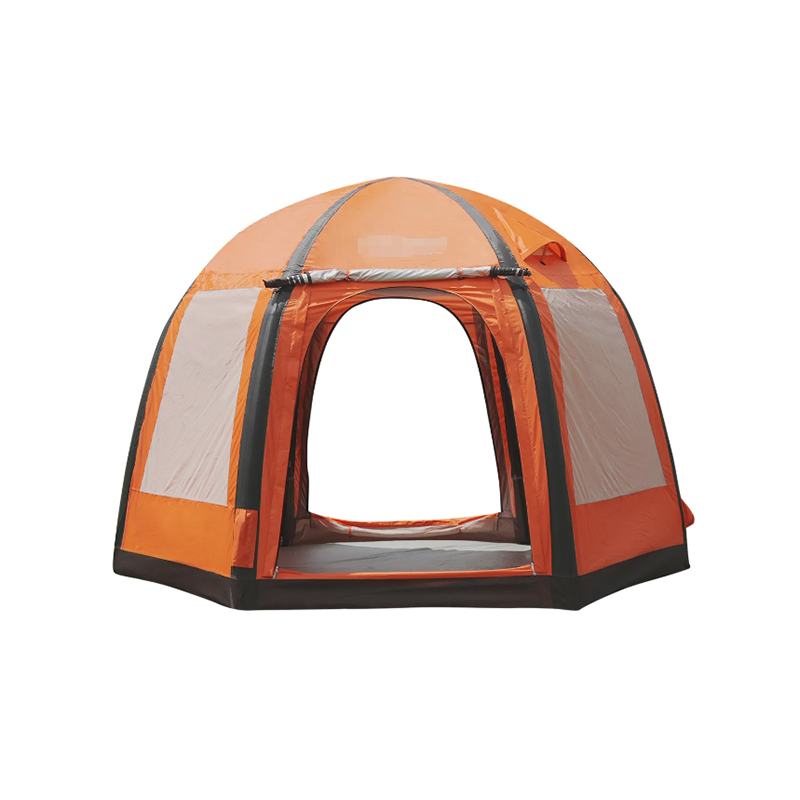
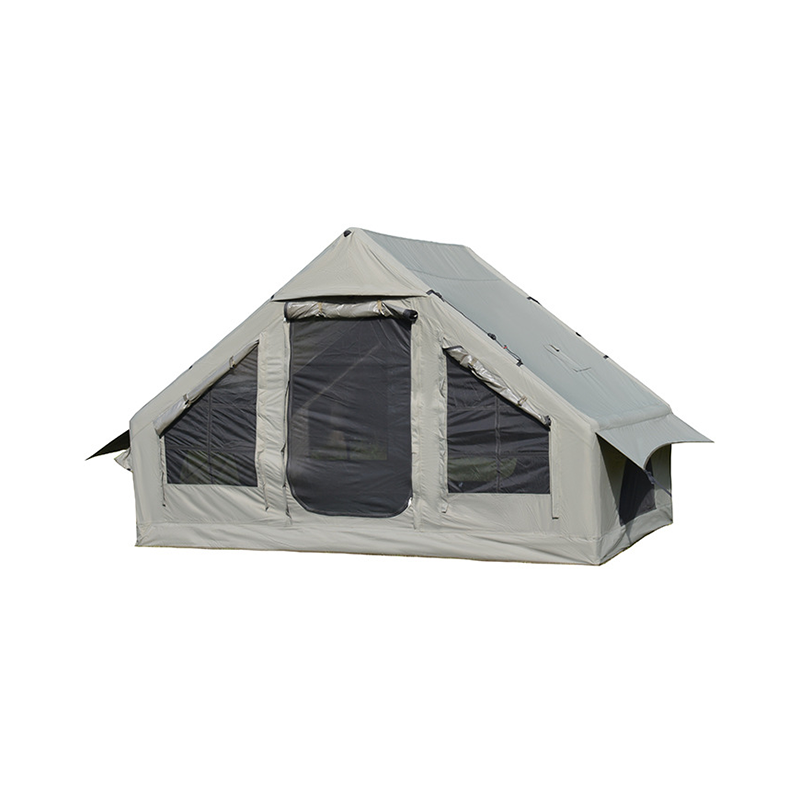
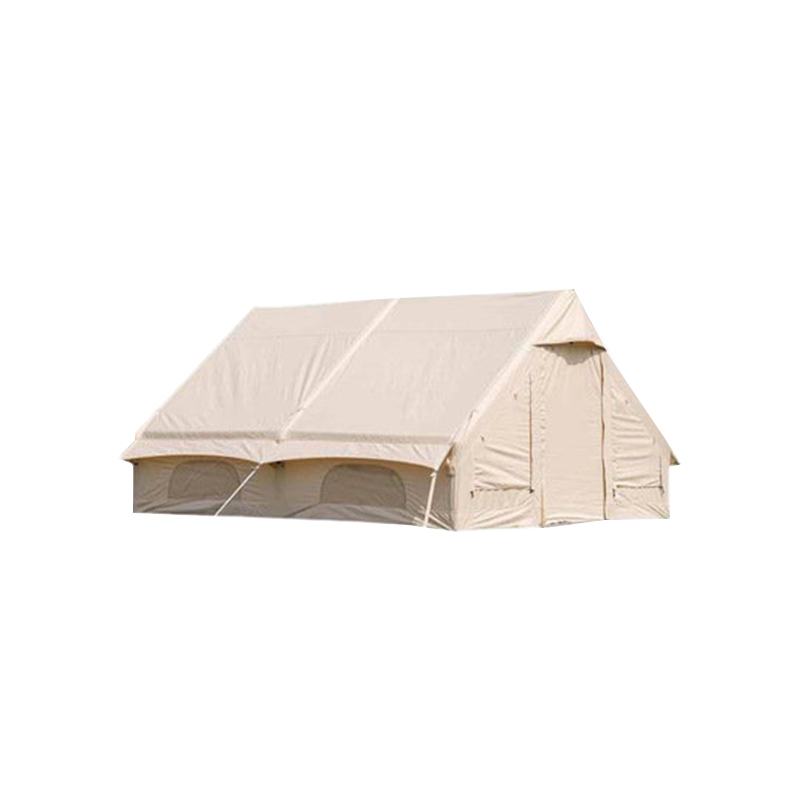
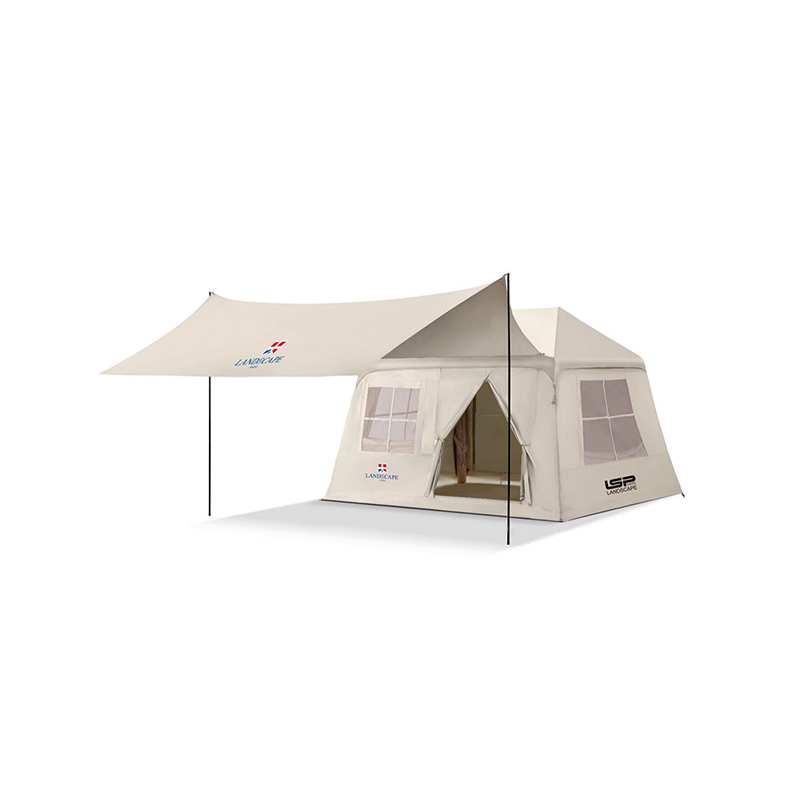
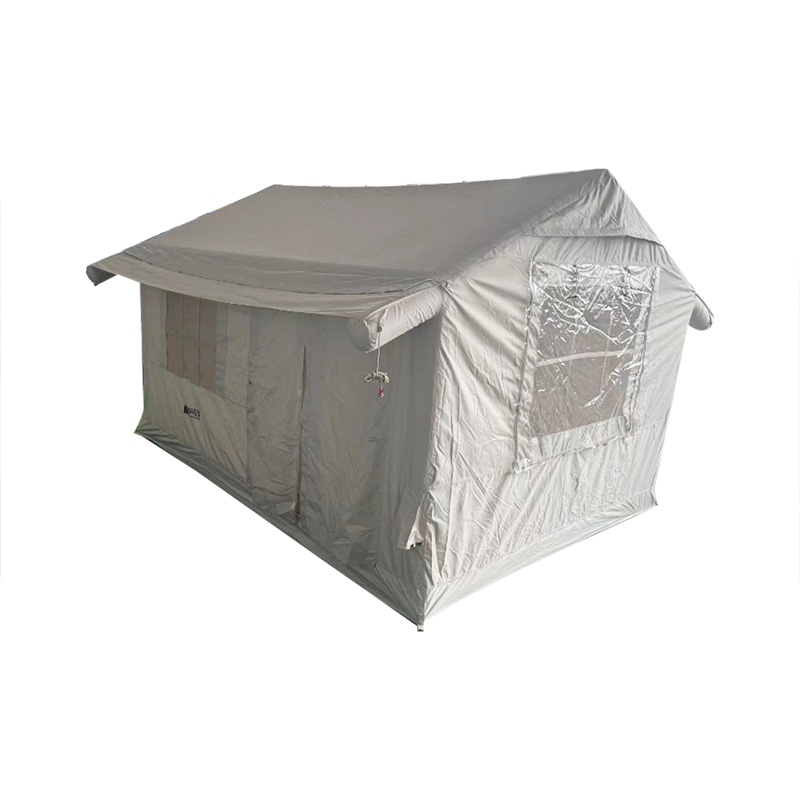
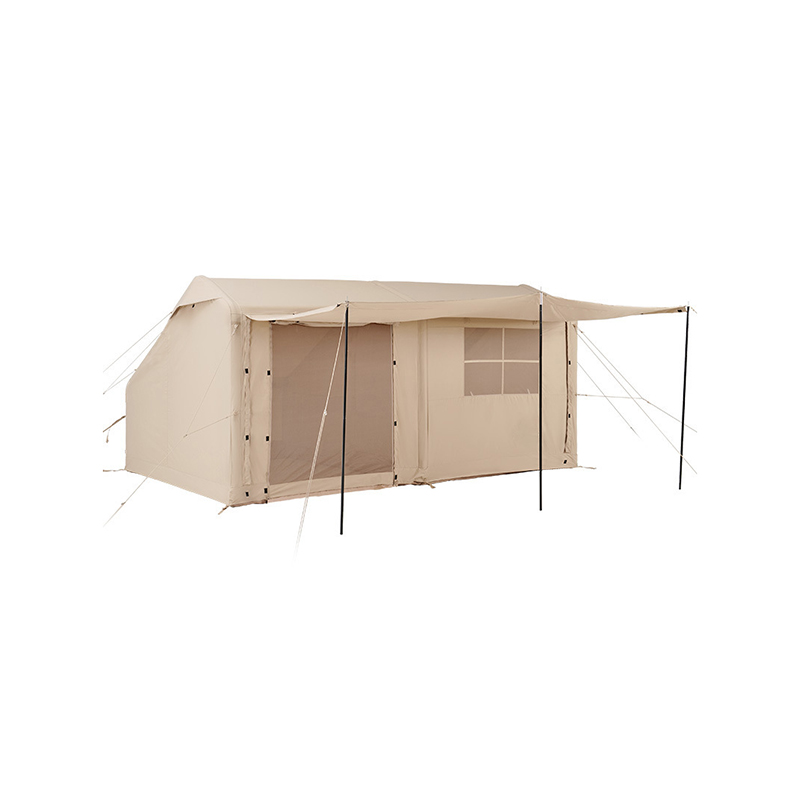
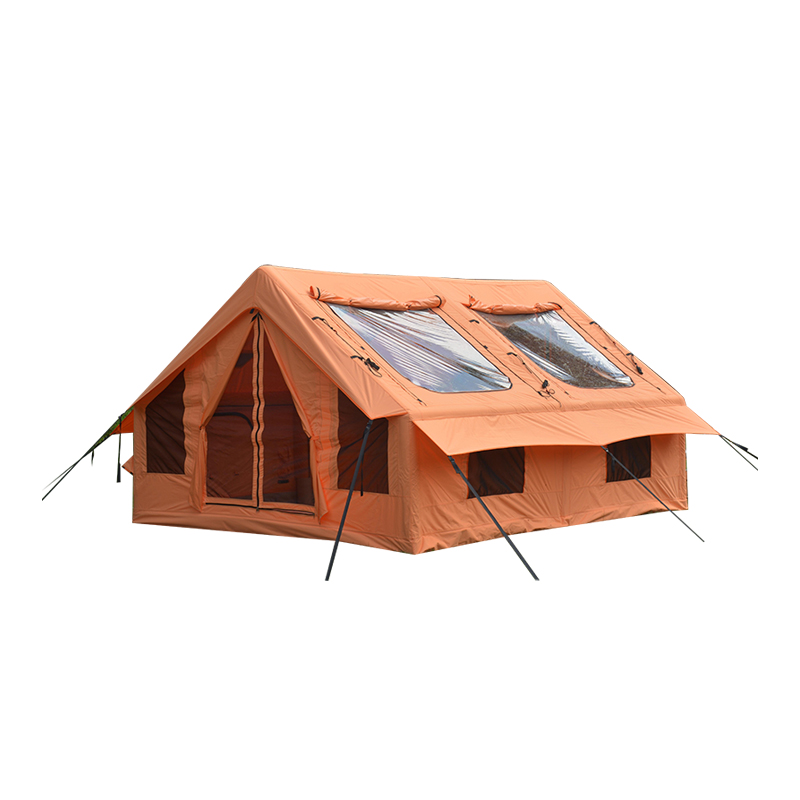
中文简体Hemispherical Inflatable Tent 2 Doors 4 Windows

When it comes to thermal performance, the Inflatable Rooftop Tent holds a measurable insulation advantage over the traditional hard-shell rooftop tent in most real-world camping conditions — both in summer heat and winter cold. This is due to the air-filled structural beams that act as a natural thermal buffer, unlike the rigid aluminum or fiberglass shells used in hard-shell designs. That said, the gap is not absolute, and specific materials, ventilation design, and usage environment all play significant roles. Here is a full breakdown.
The core insulation advantage of an Inflatable Rooftop Tent lies in its inflatable beam architecture. Each structural air tube — typically inflated to between 6 and 9 PSI — creates a sealed pocket of air that does not conduct heat efficiently. Air is one of the poorest conductors of thermal energy, which is precisely why double-pane windows and foam insulation work so well.
By contrast, a hard-shell rooftop tent uses rigid panels — usually ABS plastic, fiberglass, or aluminum — as its structural walls. These materials conduct heat far more readily. On a 35°C (95°F) summer afternoon, the inner surface temperature of an aluminum hard-shell panel can reach 50–60°C (122–140°F), significantly heating the interior before any shade or ventilation is applied.
The inflatable structure also means the tent walls have more material thickness and air volume between the outer shell fabric and the interior sleeping area, contributing to passive insulation without the need for additional lining.
In hot weather, tent insulation works in reverse — it is about keeping radiant heat out. Many campers searching for a reliable blow up camp tent solution are specifically motivated by the need to stay comfortable during summer trips, where overnight temperatures inside a poorly insulated tent can remain stubbornly high even after sunset.
Most Inflatable Rooftop Tents use ripstop polyester or oxford-weave nylon with a light-colored or silver-coated outer surface. These fabrics reflect a greater portion of solar radiation compared to the darker fiberglass shells common in entry-level hard-shell tents. The difference in solar heat gain can be meaningful: a silver-coated fabric outer shell may reflect up to 80% of solar radiation, compared to roughly 40–50% for a dark fiberglass panel without additional treatment.
Inflatable Rooftop Tents typically feature multiple mesh windows and roof vents that allow for cross-ventilation. Hard-shell tents, due to their rigid construction, often have fewer and smaller vent openings. On a calm summer night at 28°C (82°F) ambient temperature, a well-ventilated Inflatable Rooftop Tent can maintain an interior temperature 3–5°C lower than a comparable hard-shell tent with limited airflow.
Cold-weather camping is where the insulation debate becomes most critical. For winter overlanders and four-season campers, the choice between tent types directly impacts sleep quality and safety.
A common concern with any blow up tents for camping used in winter is air pressure loss due to temperature-related contraction. As a general rule, tire pressure drops approximately 1 PSI for every 10°C (18°F) of temperature decrease, and inflatable tent beams follow a similar pattern. In practical terms, an Inflatable Rooftop Tent inflated to 8 PSI at 15°C may settle to around 6.5 PSI at -5°C overnight. This is within the functional range of most tent beams and does not compromise structural integrity, but users should top up pressure in the morning.
In controlled field tests comparing an Inflatable Rooftop Tent with a hard-shell model in -10°C (14°F) conditions using identical sleeping bags rated to -15°C, the interior of the inflatable tent maintained an average temperature 4°C warmer than the hard-shell counterpart over an 8-hour period, attributable to the insulating air mass in the beam structure and thicker multi-layer fabric walls.
Hard-shell rooftop tents, particularly those with bare aluminum interiors, are more prone to condensation because cold metal surfaces rapidly reach dew point. An Inflatable Rooftop Tent's fabric walls, especially those with a breathable inner lining, allow some moisture vapor to escape, reducing condensation buildup by a noticeable margin in real camping conditions.
| Performance Factor | Inflatable Rooftop Tent | Hard-Shell Rooftop Tent |
|---|---|---|
| Summer interior temp reduction | 3–5°C cooler than ambient | 1–2°C cooler than ambient |
| Winter heat retention advantage | ~4°C warmer than hard-shell | Baseline reference |
| Solar heat reflection | Up to 80% (coated fabric) | 40–50% (dark fiberglass) |
| Condensation risk | Low to moderate | Moderate to high |
| Ventilation flexibility | High (multiple mesh vents) | Limited by rigid shell |
| Cold-weather air pressure stability | Needs morning top-up below -5°C | Not applicable |
Not all Inflatable Rooftop Tents are built equally. The following material specifications directly impact insulation performance:
It is worth acknowledging scenarios where a hard-shell rooftop tent's insulation disadvantage becomes less significant:
For campers who use blow up tents for camping across multiple seasons, the following practical steps maximize insulation performance from an Inflatable Rooftop Tent:
Across both summer and winter conditions, an Inflatable Rooftop Tent consistently outperforms a standard hard-shell rooftop tent on insulation metrics — cooler in the heat, warmer in the cold, and less prone to condensation. The advantage is real but not always dramatic; the actual delta depends heavily on material quality, ventilation design, and how the tent is used. For serious four-season overlanders, the Inflatable Rooftop Tent offers a genuine thermal upgrade without the need for costly aftermarket modifications. For weekend fair-weather campers, either option serves well, and the insulation gap will rarely be the deciding factor.