

 English
 中文简体
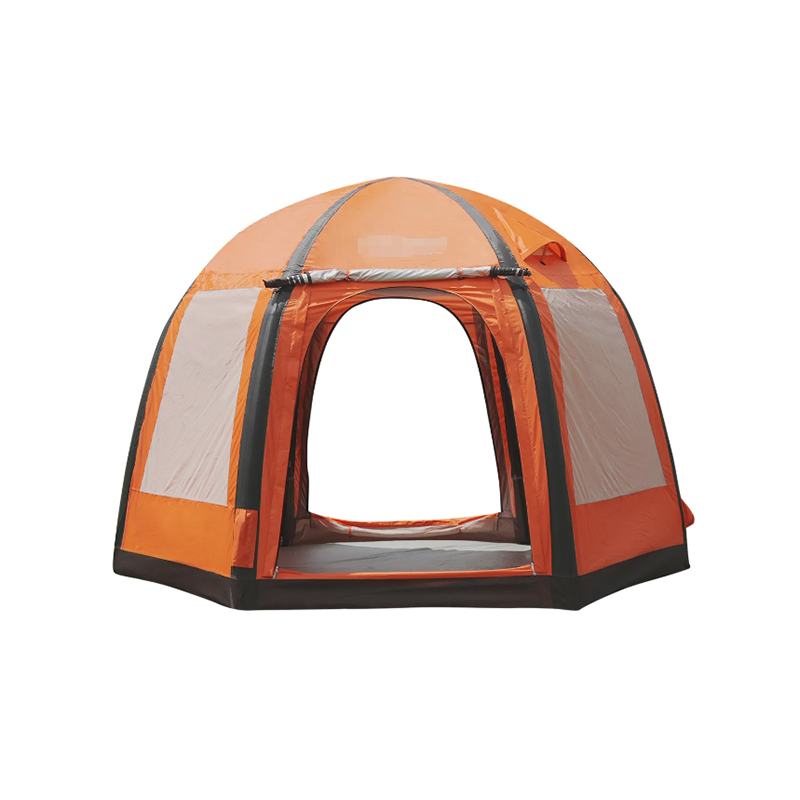
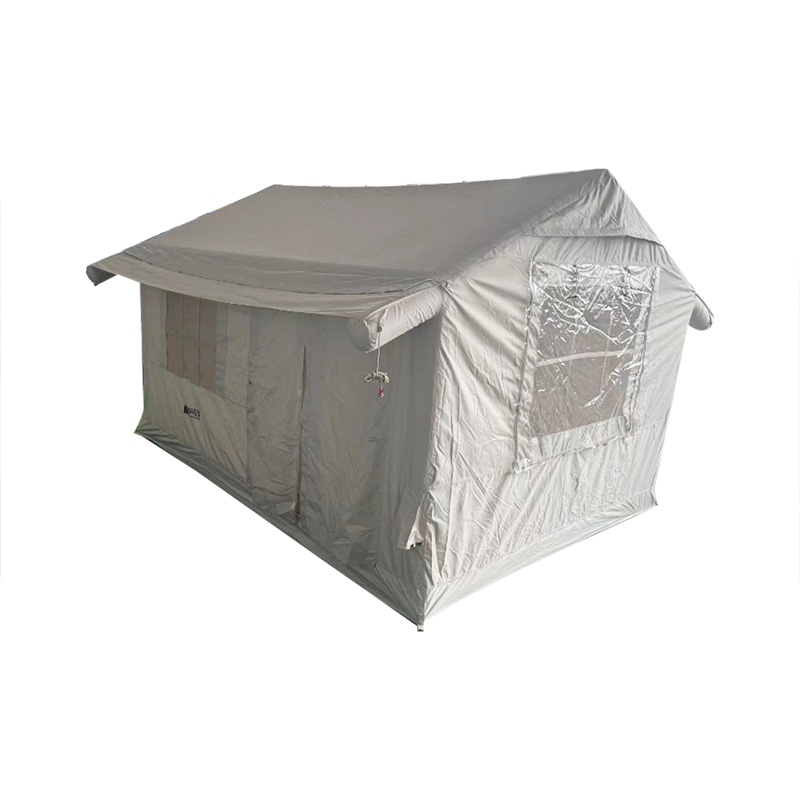
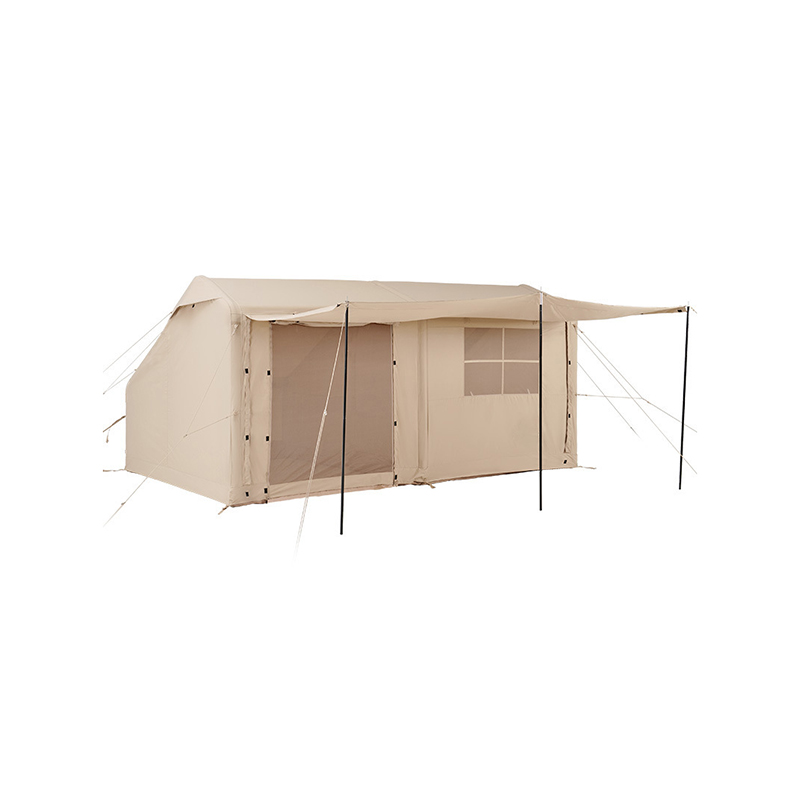
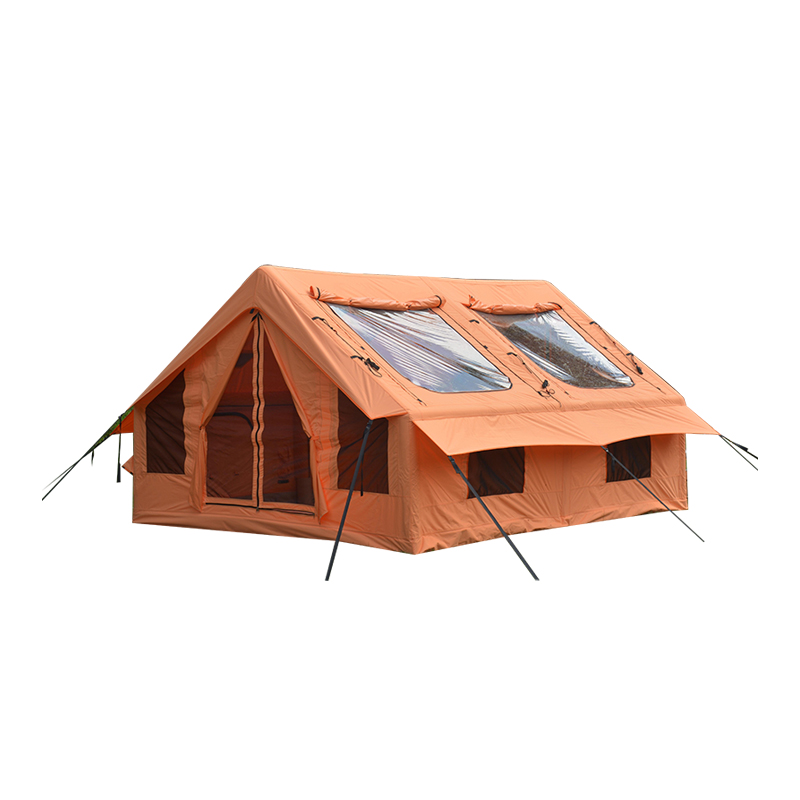
中文简体Hemispherical Inflatable Tent 2 Doors 4 Windows

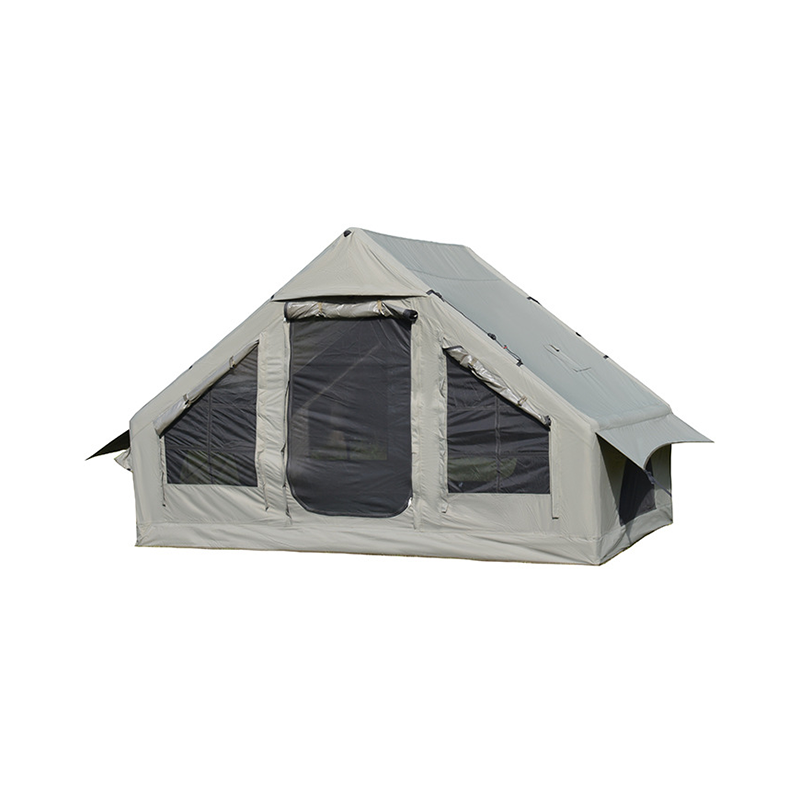
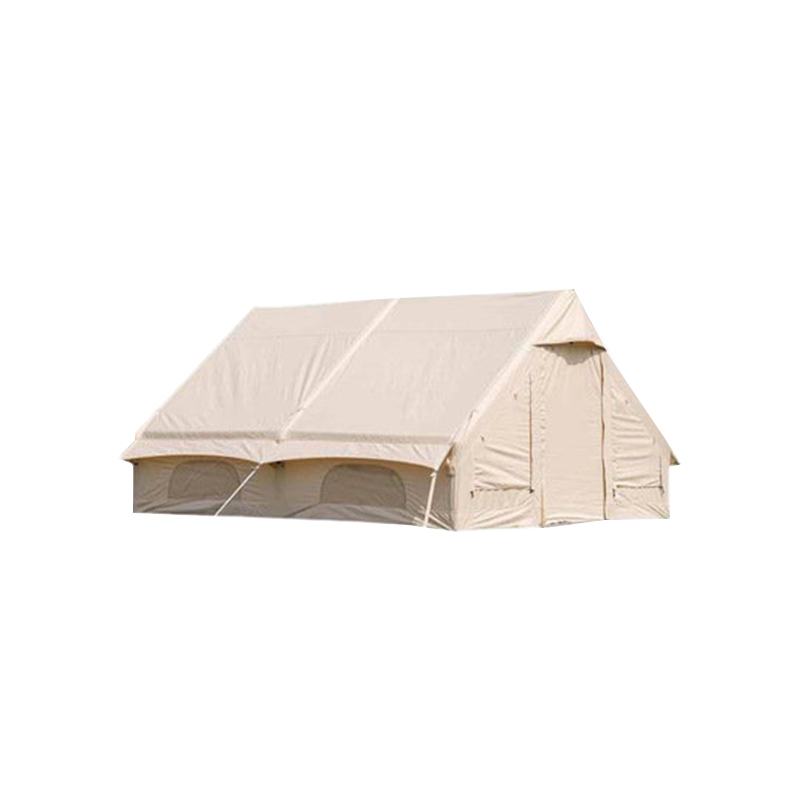
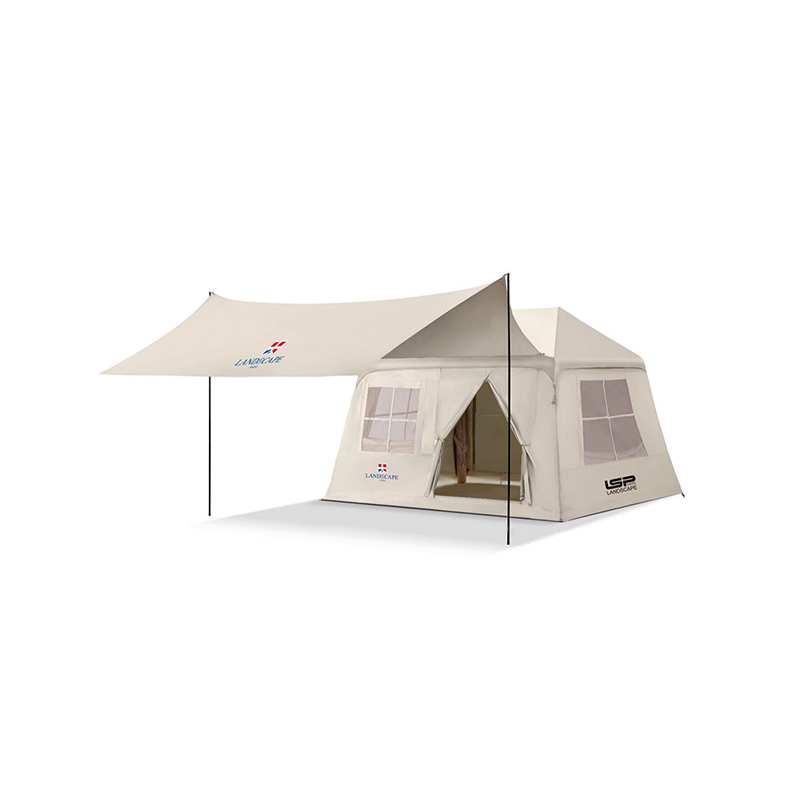
The Inflatable Camping Tent generally offers better usable interior space efficiency than tunnel tents for casual and family camping, because its air-beam structure removes rigid pole constraints and allows more flexible wall curvature. However, tunnel tents still provide superior linear floor efficiency and storage zoning for extended expeditions or multi-room configurations.
In real-world usage, a 6 person inflatable tent typically feels more open and livable, while tunnel tents excel in structured space segmentation and wind-oriented design.
The biggest difference between an Inflatable Camping Tent and a tunnel tent lies in their structural support systems. Inflatable tents use air beams instead of rigid poles, while tunnel tents rely on curved pole frameworks.
As a result, Inflatable Camping Tent models often provide 10–20% more usable floor volume compared to tunnel tents of the same footprint.
Interior space utilization is not only about floor area but also headroom consistency. Inflatable tents tend to maintain a more uniform ceiling height across the central area.
In a typical 6 person inflatable tent, the center height can reach 200–210 cm, allowing most adults to stand upright. Tunnel tents may offer similar peak height, but only in a narrow central strip.
Tunnel tents are known for their efficient linear layouts, often separating sleeping and storage areas in a straight configuration. Inflatable Camping Tent designs, however, favor open-plan living spaces.
For example, a 6 person inflatable tent may prioritize a large communal space, while tunnel tents allocate more structured compartments for gear separation.
Interior space utilization becomes more meaningful when evaluated in real camping contexts such as family trips, festivals, or extended outdoor stays.
Inflatable tents provide a more comfortable communal environment. A 6 person inflatable tent allows families to gather inside during bad weather without feeling cramped.
Tunnel tents are often preferred due to compact packing and predictable layout, even if interior edges feel tighter.
Tunnel tents offer better separation of gear zones, while inflatable tents prioritize comfort and open space usability.
| Feature | Inflatable Camping Tent | Tunnel Tent |
|---|---|---|
| Usable Floor Space | High efficiency, open layout | Moderate, segmented layout |
| Headroom Distribution | Even and spacious | Peak-centered only |
| Space Flexibility | Highly flexible | Structured but rigid |
| Best Use Case | Family and comfort camping | Expeditions and wind-heavy areas |
If your priority is maximizing usable interior comfort, open space, and family interaction, the Inflatable Camping Tent is the superior choice. It offers a more livable interior environment, especially in medium-to-large models like a 6 person inflatable tent.
If you value structured organization, wind efficiency, and compact segmentation, tunnel tents remain a strong alternative. Ultimately, the best choice depends on whether you prioritize open livability or structured efficiency.