

 English
 中文简体
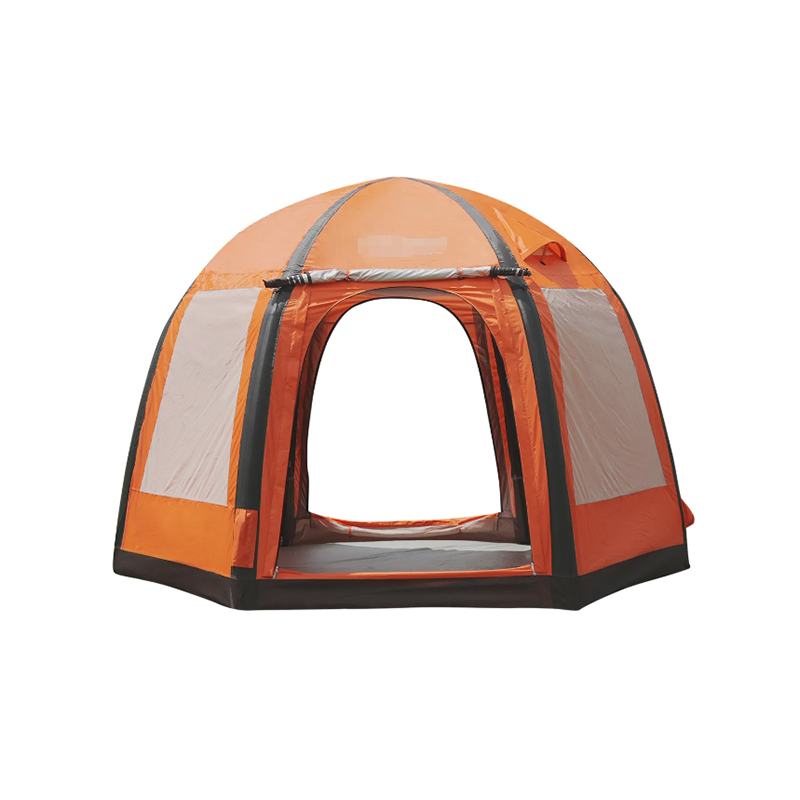
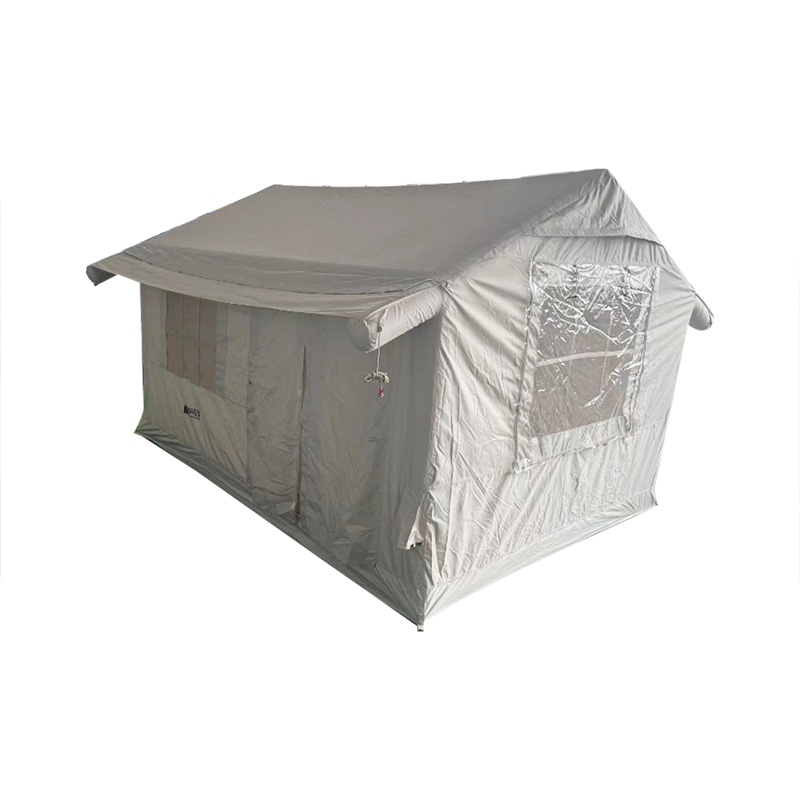
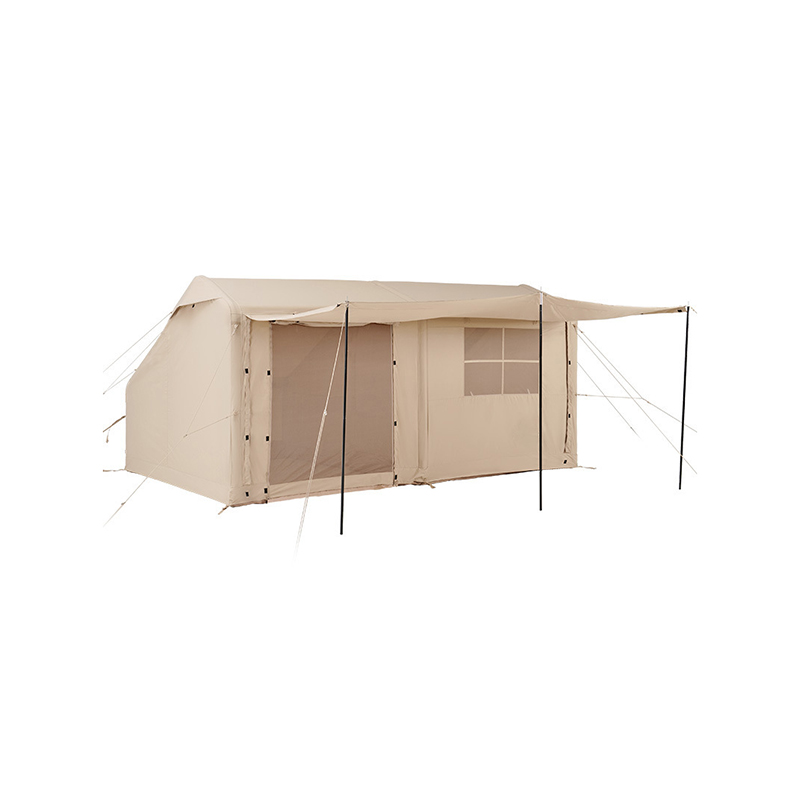
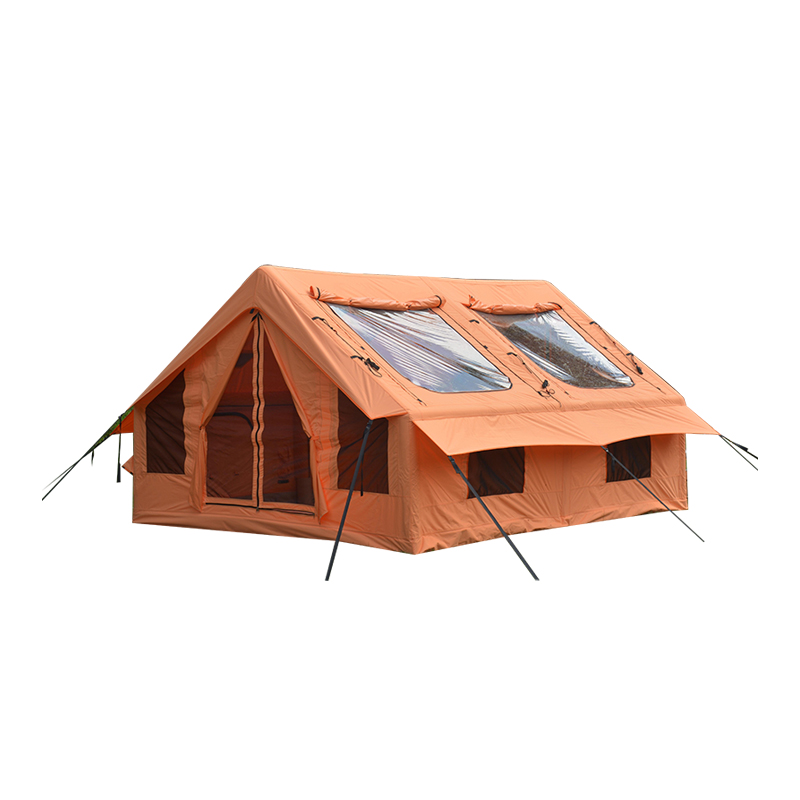
中文简体Hemispherical Inflatable Tent 2 Doors 4 Windows

Most inflatable camping tents on the market today are available in both single-layer and double-layer (double-wall) fabric configurations — and the difference matters enormously for insulation. Double-layer inflatable camping tents provide significantly better thermal insulation, condensation control, and year-round comfort compared to single-layer models. However, single-layer designs have their own practical advantages. This article explains exactly how each construction type affects your camping experience, with real data to back it up.
Before comparing performance, it is important to understand what these terms actually mean in the context of an inflatable camping tent.
A single-layer inflatable camping tent uses one continuous fabric shell that serves as both the outer weatherproof layer and the inner living surface. There is no separate inner tent. The air beams are typically integrated into or attached directly to this single shell. These tents are lighter, pack down smaller, and are faster to pitch — but they come with notable thermal trade-offs.
A double-layer inflatable camping tent consists of two separate fabric layers: an outer flysheet (weatherproof) and an inner tent (breathable, often mesh or lightweight polyester). The gap between these two layers — typically 5 to 15 cm of air space — is the primary insulation mechanism. This is the same principle used in double-glazed windows and vacuum flask walls: trapped air is an excellent thermal insulator.
Insulation in a tent is not about the fabric itself being warm — fabric alone is a poor insulator. What matters is the tent's ability to trap air and prevent convective heat loss from your body warming the interior space.
In a double-layer inflatable camping tent, the air gap between the fly and inner tent creates a thermal buffer zone. Independent testing by outdoor gear reviewers has shown that double-wall tents can maintain interior temperatures 3°C to 8°C warmer than single-wall tents under identical external conditions, depending on wind speed and humidity.
For context, that temperature difference can be the margin between a comfortable night at 5°C ambient temperature and a dangerously cold one. This makes fabric layer choice critical for any inflatable camping tent used outside of peak summer months.
| Feature | Single-Layer | Double-Layer |
|---|---|---|
| Thermal insulation | Low | High |
| Condensation control | Poor | Excellent |
| Interior temperature gain vs. outside | +1°C to +3°C | +3°C to +8°C |
| Pack weight | Lighter | Heavier (+0.5 to 1.5 kg) |
| Setup time | Faster | Slightly longer |
| Best season use | Summer only | 3-season or 4-season |
| Price | Lower | Higher |
Condensation is not just a comfort issue — it is a direct insulation threat. When warm, humid air from occupants contacts a cold single-layer fabric wall, moisture condenses on the inner surface. This wet film conducts heat away from the interior up to 25 times faster than dry air, rapidly degrading whatever warmth the tent has retained.
In a double-layer inflatable camping tent, this process is interrupted by design. The breathable inner layer allows moisture vapor to pass through before it can condense, while the outer flysheet remains cold and collects any condensation on its interior surface — away from the sleeping area. The result is a dry inner environment and a measurably warmer night's sleep.
Two campers sleeping in a tent can generate up to 1 liter of moisture per night through breathing and perspiration. In a single-layer inflatable camping tent without adequate ventilation, that moisture has nowhere to go except onto the walls and your sleeping gear.
In a double-layer inflatable camping tent, the material used for the inner layer significantly affects both insulation and condensation performance.
When choosing a double-layer inflatable camping tent for autumn or winter use, a solid polyester inner is typically the best all-round choice, while a mesh inner should be avoided unless summer temperatures are guaranteed.
The outer flysheet of an inflatable camping tent contributes to insulation indirectly by blocking wind and acting as a vapor barrier. Key fabric specifications to look for include:
A wet flysheet dramatically reduces the insulating air gap's effectiveness. A flysheet with a minimum 3000mm HH rating and taped seams is recommended for any inflatable camping tent intended for use in rain or cold conditions.
Based on the insulation data above, here is a straightforward seasonal guide to selecting the right inflatable camping tent fabric configuration:
If warmth and year-round comfort are priorities, a double-layer inflatable camping tent is the definitive choice. The insulating air gap, condensation management, and inner fabric breathability combine to create a sleeping environment that is measurably and noticeably warmer, drier, and more comfortable than any single-layer alternative can provide.
Single-layer inflatable camping tents remain a valid option for ultralight summer use where every gram counts and overnight temperatures stay comfortably above 15°C. Outside of those specific conditions, the weight and cost savings of a single-layer design are rarely worth the thermal and condensation penalties you will pay for them.
When shopping, look beyond the marketing language and check the specific inner fabric material, flysheet denier, and HH rating of any double-layer inflatable camping tent you consider. These three numbers will tell you more about real-world insulation performance than any product description ever will.