

 English
 中文简体
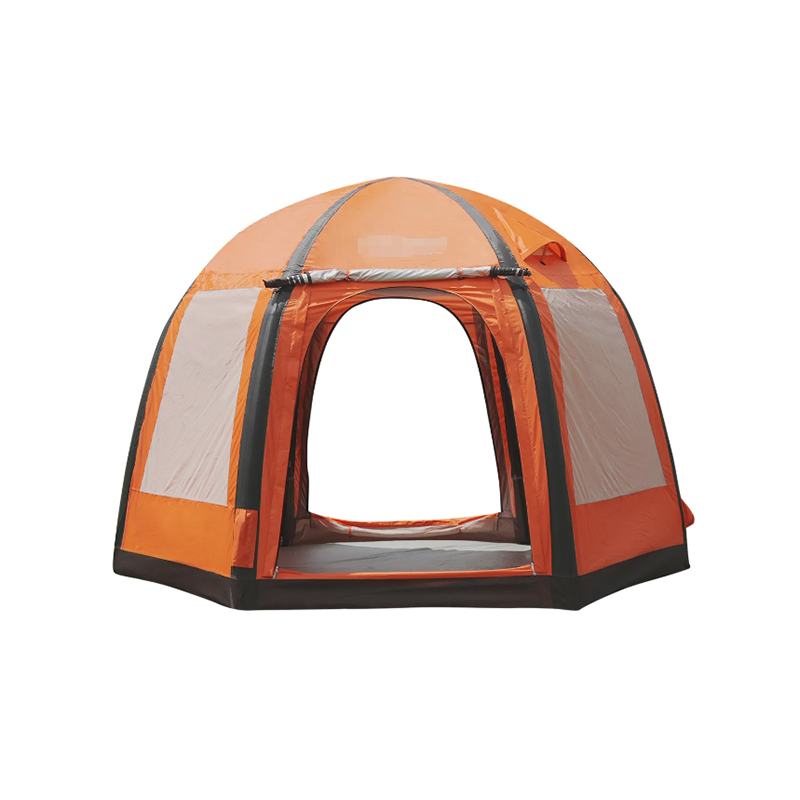
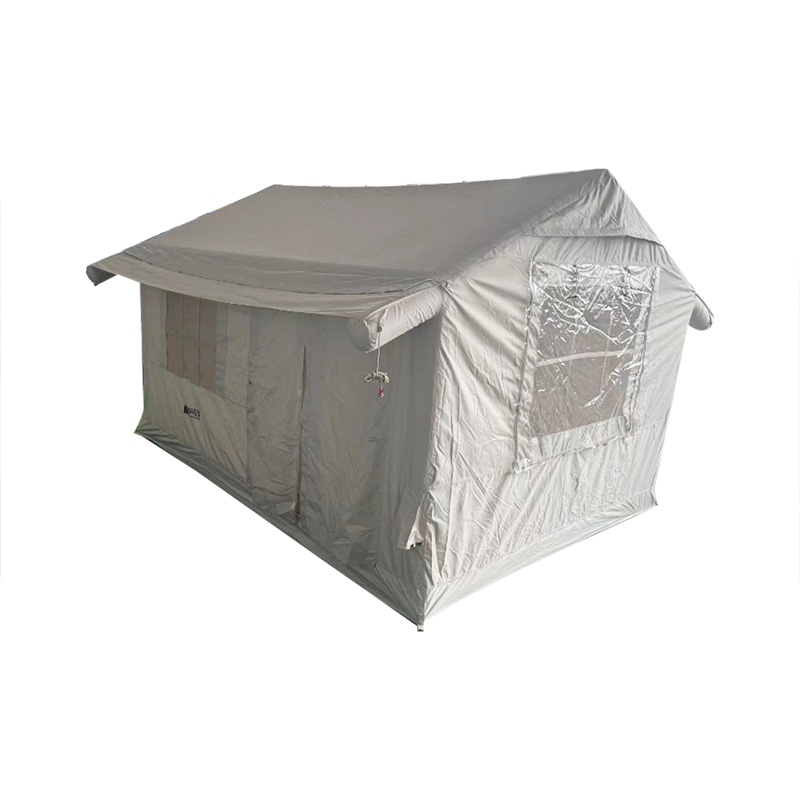
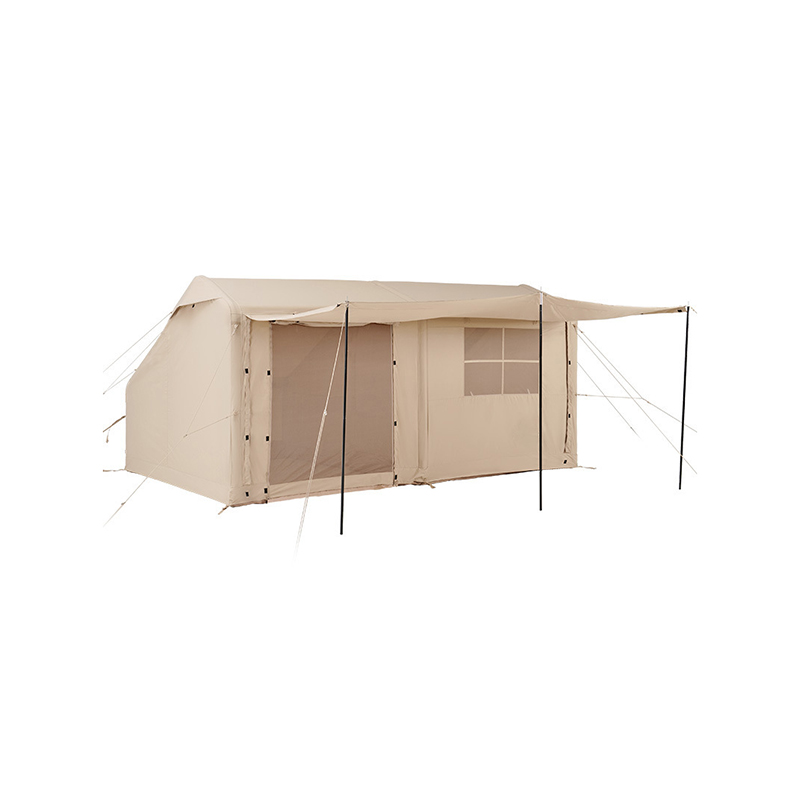
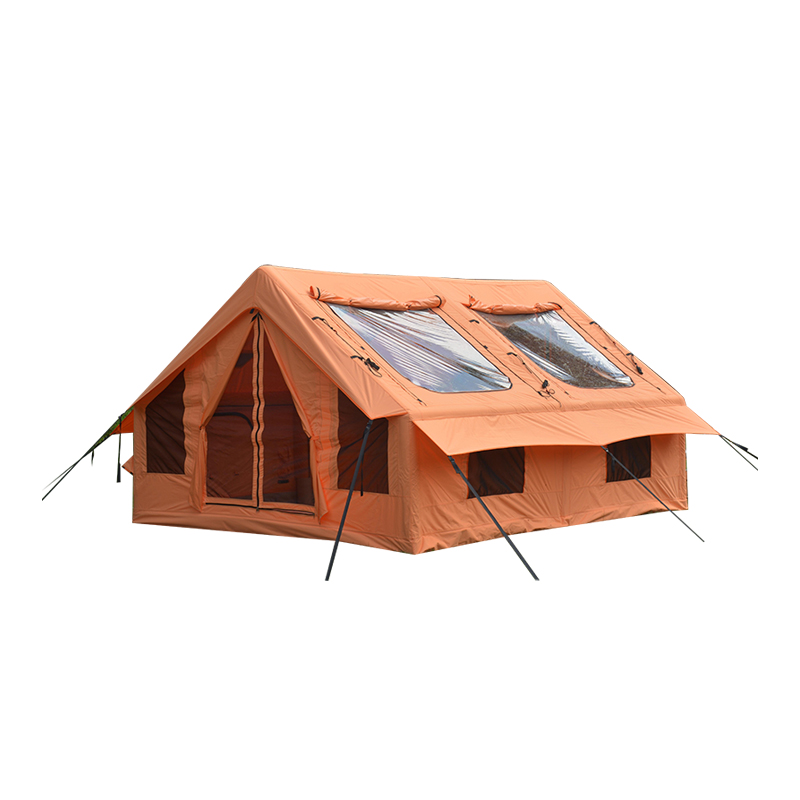
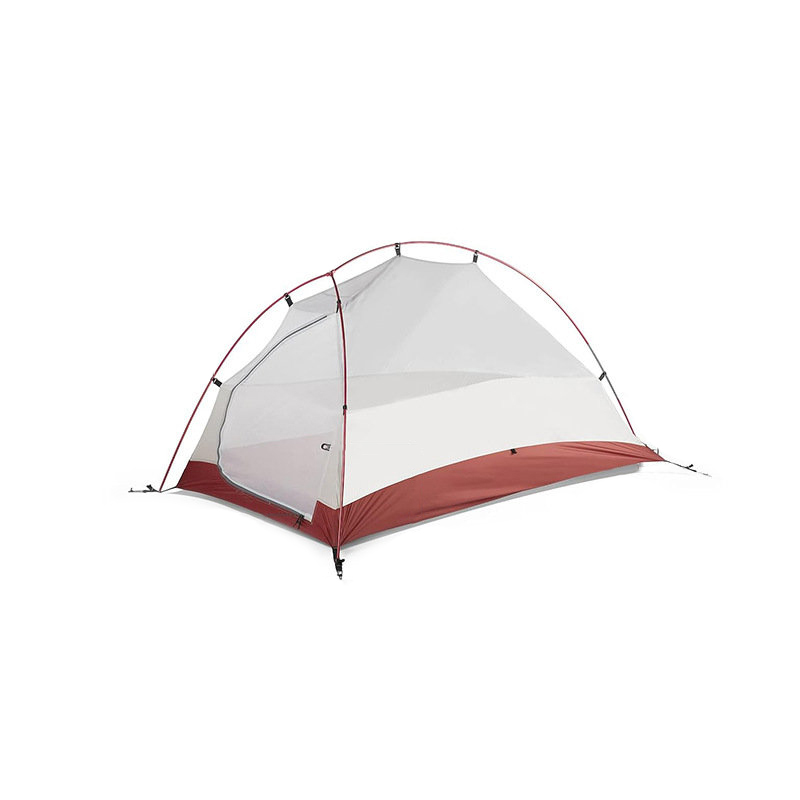
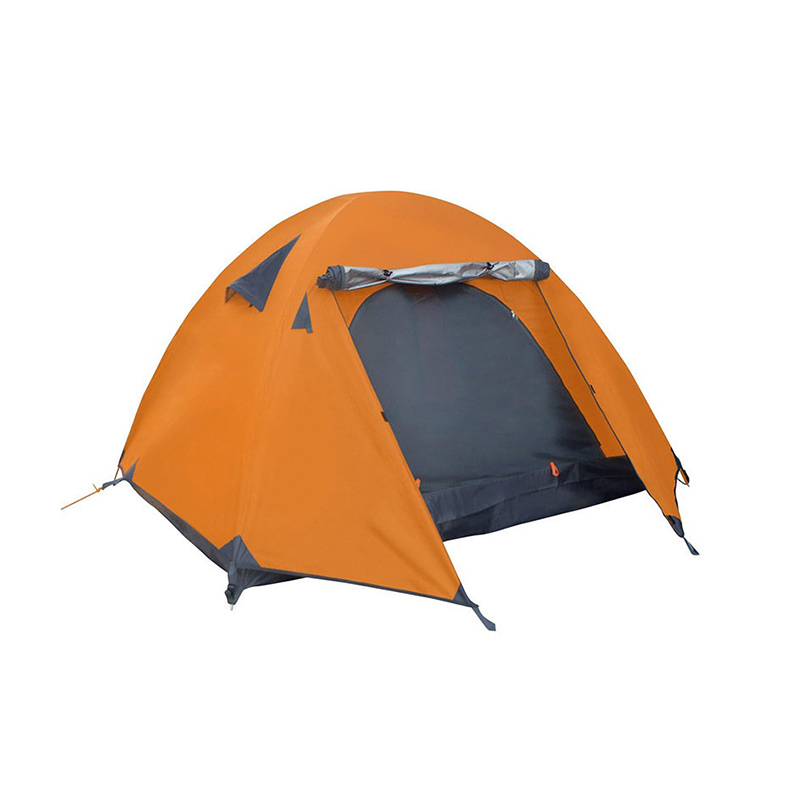
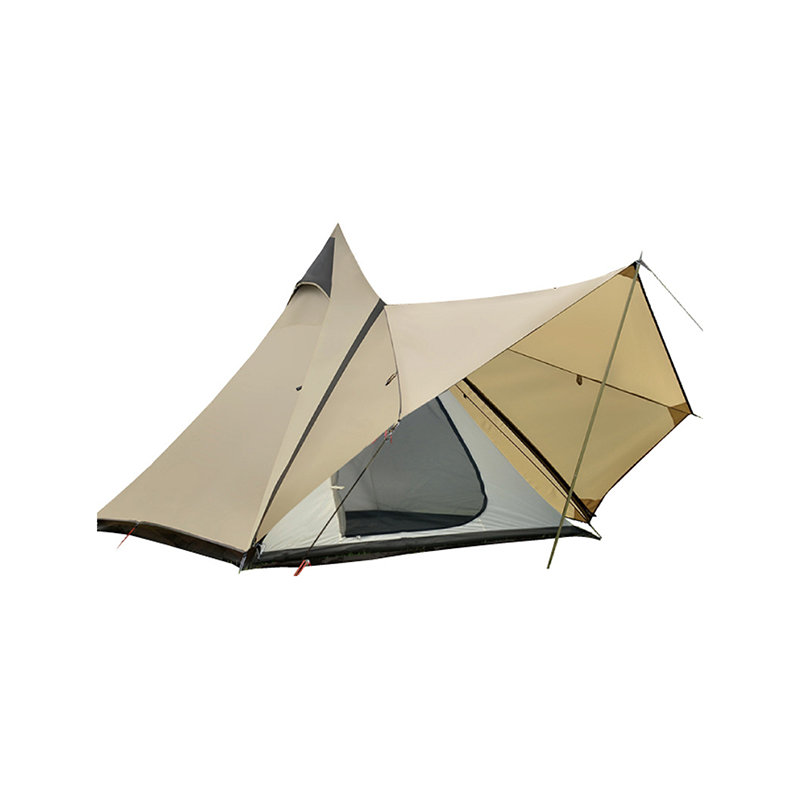
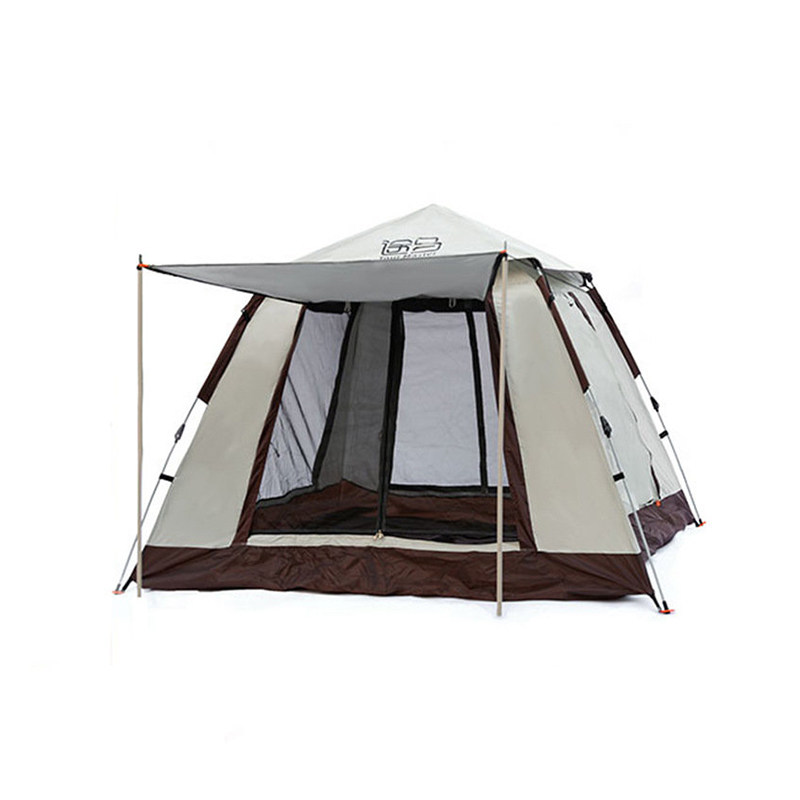
中文简体Hemispherical Inflatable Tent 2 Doors 4 Windows

Material and Print Technology:
The camouflage effectiveness of a Hunting Blind begins with the fabric and printing quality. High-grade fabrics are typically made of durable, UV-resistant polyester or ripstop nylon that withstand prolonged exposure to sunlight, rain, and abrasion. Advanced printing techniques, including high-resolution photographic or 3D digital patterns, replicate natural foliage, branches, and shadows with precise color fidelity. A matte finish on the fabric minimizes reflection from sunlight, preventing detection by animals with keen eyesight. Some blinds incorporate textured or 3D applique elements that enhance the illusion of natural depth, making the blind visually indistinguishable from the surrounding environment.
Vegetation Compatibility:
The performance of camouflage depends on matching the local flora. Hunting Blinds with complex, multi-layered patterns that combine leaves, grass, twigs, and shadowing are highly effective in forests, fields, wetlands, and brushy areas. By breaking up straight edges and uniform shapes, these patterns prevent wildlife from recognizing the human outline or movement. Certain blinds also include adjustable panels or side flaps that allow the hunter to incorporate local vegetation into the blind, further improving concealment and reducing the likelihood of spooking game, particularly wary or skittish species.
Seasonal Adaptation:
Seasons profoundly influence camouflage effectiveness. During spring and summer, greens and fresh foliage tones dominate, requiring vivid but naturalistic green-brown patterns. In contrast, fall and early winter environments necessitate muted earth tones, tans, and grays to match fallen leaves, dried grasses, and bare branches. Advanced Hunting Blinds may offer reversible or modular covers to adapt to seasonal changes, ensuring optimal concealment throughout the hunting season and maintaining consistency in effectiveness across multiple trips or environments.
Terrain Considerations:
Camouflage performance also depends on terrain type. In dense forests, patterns with high contrast between light and shadow mimic sunlight filtering through trees. Open fields or plains require patterns that blend with grasses, dirt, and low shrubs. Mountainous or rocky areas benefit from textures and colors resembling rocks, soil, and sparse vegetation. Hunting Blinds designed for terrain adaptation often feature flexible, contoured shapes that can be positioned to follow natural ground slopes, logs, or vegetation lines, making them visually integrated into the surroundings and minimizing detection from multiple angles.
Movement and Edge Disruption:
Effective camouflage requires more than color matching; it also relies on disrupting the recognizable outline of the blind. Hunting Blinds with irregular shapes, soft edges, or attached natural or artificial foliage break up rectangular or geometric silhouettes, which are unnatural to wildlife. Adjustable shooting windows or flaps allow hunters to observe or fire without exposing large portions of the blind, limiting visible motion. Motion reduction is critical because animals are highly sensitive to movement, even when shapes are camouflaged, and proper design ensures that hunters remain hidden during both still and active hunting situations.
Optical and Wildlife Perspective:
Animals perceive colors and contrast differently than humans. Many species are sensitive to movement and certain wavelengths of light while having limited perception of red tones. Effective Hunting Blind camouflage uses high-contrast, muted colors and natural shadow patterns that appear consistent to wildlife vision. By accounting for these perceptual differences, the blind remains inconspicuous at varying distances, from a few meters to several tens of meters, which is especially important when hunting alert or easily startled species. Pattern design also minimizes unnatural edges, artificial shapes, or reflective surfaces that could betray a hunter’s presence.