

 English
 中文简体
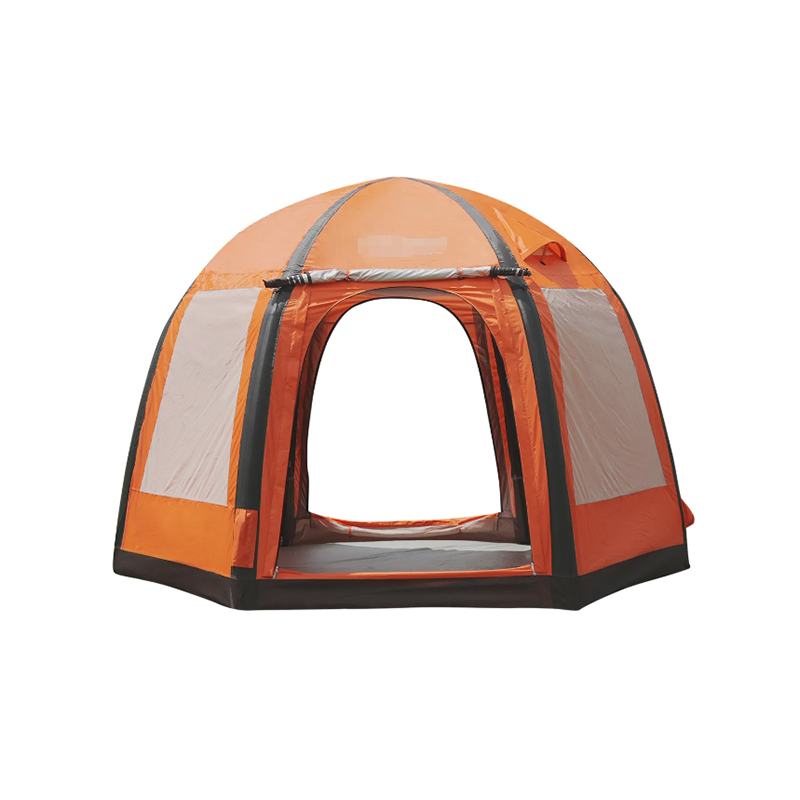
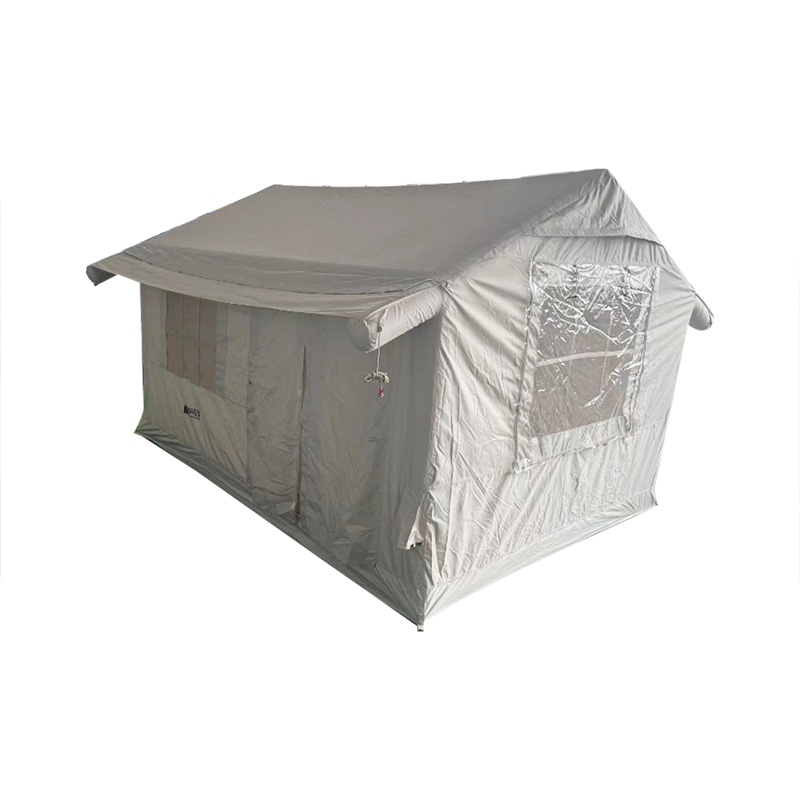
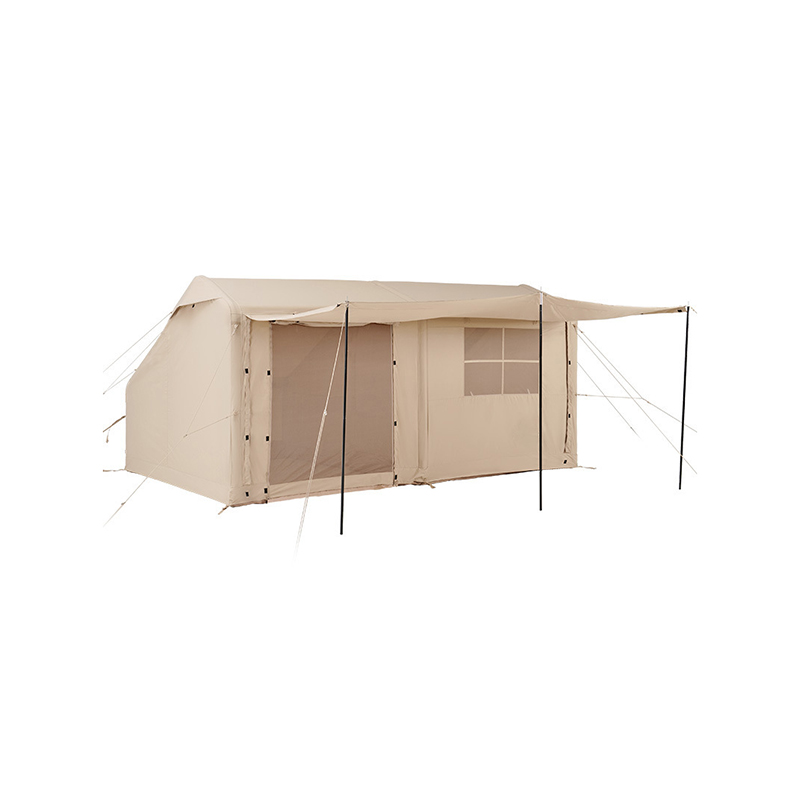
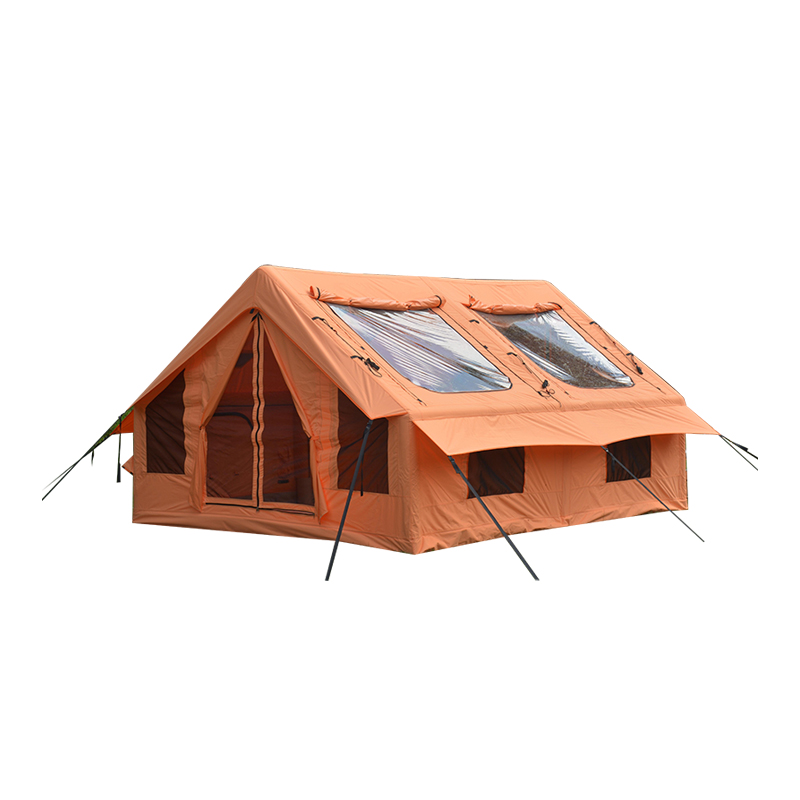
中文简体Hemispherical Inflatable Tent 2 Doors 4 Windows

In most ice fishing environments, a modern Ice Fishing Tent with a hub-style or reinforced pop-up design generally offers better wind resistance than a traditional dome-style ice tent. This advantage comes from its lower profile, stronger anchoring systems, thicker insulated fabric, and structures specifically engineered for frozen lakes and open, wind-exposed areas.
While dome-style ice tents can perform well in moderate winter conditions, many are adapted from camping tent designs rather than being purpose-built for ice fishing. As wind speeds increase above 20 mph (32 km/h), specialized Ice Fishing Tents typically demonstrate superior stability, reduced fabric flapping, and better heat retention.
For anglers who regularly fish on large frozen lakes where gusts often exceed 25–35 mph (40–56 km/h), selecting an Ice Fishing Tent specifically designed for severe winter weather can significantly improve comfort, safety, and fishing efficiency.
Wind is one of the most challenging environmental factors faced by ice anglers. Unlike wooded campsites, frozen lakes offer little natural protection. Strong winds can reduce perceived temperatures dramatically through wind chill effects, making shelter performance critical.
For example, when the air temperature is 15°F (-9°C) and winds reach 25 mph, the effective wind chill temperature drops to approximately 1°F (-17°C). A shelter with poor wind resistance may allow drafts, increase heat loss, and create uncomfortable fishing conditions.
Most modern Ice Fishing Tents utilize hub-based frameworks with reinforced fiberglass or metal poles. The walls are typically steeper, and the structure distributes wind loads efficiently across multiple support points.
High-quality models often feature insulated fabrics ranging from 300D to 1200D, providing both durability and resistance to deformation under wind pressure.
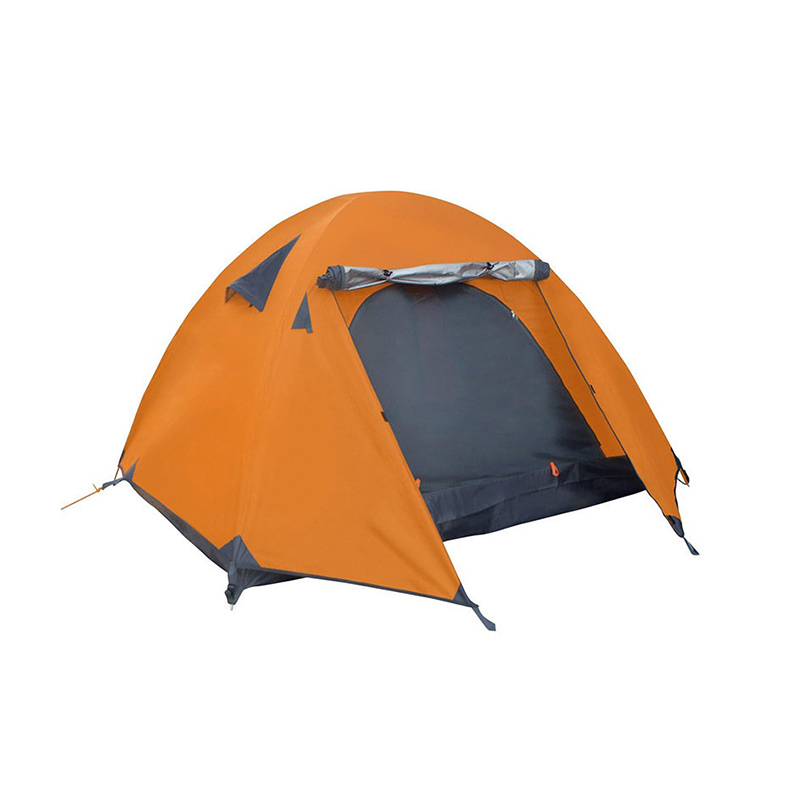
Dome-style ice tents rely on intersecting poles to form a rounded shape. While the curved profile can help deflect some wind, the overall structure may flex more under sustained gusts. Many dome designs also use lighter fabrics that prioritize portability over extreme weather resistance.
Under strong wind conditions, this flexibility can result in increased fabric movement and greater stress on pole junctions.
| Feature | Ice Fishing Tent | Dome-Style Ice Tent |
|---|---|---|
| Wind Stability | Excellent | Moderate |
| Anchor Support | Multiple Ice Anchors | Limited Anchoring Points |
| Fabric Thickness | Typically Higher | Typically Lower |
| Performance Above 25 mph Winds | Very Good | Fair to Good |
| Heat Retention | Excellent | Good |
Wind resistance depends not only on the tent frame but also on how securely the shelter is attached to the ice. Most Ice Fishing Tents include multiple heavy-duty anchor points distributed around the perimeter.
Ice anchors penetrate the frozen surface and provide substantial holding power. In many cases, a fully anchored Ice Fishing Tent can withstand sustained winds exceeding 30 mph while maintaining structural integrity.
Dome-style shelters often rely on fewer anchor locations. While this can speed up setup, it may reduce stability during sudden wind gusts or changing weather conditions.
Fabric characteristics directly influence wind resistance. Thicker insulated materials absorb and distribute wind forces more effectively than lightweight fabrics.
A high-quality Ice Fishing Tent commonly uses thermal insulation layers that reduce both fabric flutter and internal heat loss. Less fabric movement also means less noise, which many anglers appreciate during long fishing sessions.
In comparison, thinner dome-style tent fabrics may generate noticeable flapping sounds during windy conditions. This movement can increase wear over time and slightly reduce overall shelter efficiency.
Many anglers compare a pop up ice fishing shelter with a traditional dome-style ice tent because both prioritize portability. Modern pop-up designs have evolved considerably and now incorporate reinforced hubs, thicker fabrics, and advanced anchoring systems.
A well-designed pop up ice fishing shelter can often be deployed in less than two minutes while still delivering excellent wind resistance. This combination of convenience and weather protection makes it a popular choice among recreational and serious anglers alike.
In moderate to strong wind conditions, many users report that modern pop-up shelters remain more stable than lightweight dome alternatives when properly anchored.
A 1 person ice fishing tent often performs exceptionally well in windy weather because its smaller footprint presents less surface area to incoming gusts.
Smaller shelters generally experience lower wind loads compared with larger multi-person models. As a result, a properly anchored 1 person ice fishing tent can feel remarkably stable even when conditions become challenging.
Solo anglers who frequently move between fishing locations often prefer compact shelters because they balance mobility, setup speed, and wind resistance effectively.
These simple steps can significantly improve shelter stability regardless of design type and help maintain a comfortable fishing environment throughout the day.
An Ice Fishing Tent is generally the better choice for wind resistance when compared with a dome-style ice tent. Purpose-built construction, stronger anchoring systems, thicker insulated fabrics, and specialized winter engineering provide measurable advantages in harsh conditions.
Dome-style shelters remain useful for anglers seeking lightweight portability and occasional winter use. However, for frequent ice fishing on exposed lakes where wind is a constant factor, a dedicated Ice Fishing Tent offers greater stability, better heat retention, and improved overall comfort.
Whether selecting a large group shelter, a compact 1 person ice fishing tent, or a modern pop up ice fishing shelter, prioritizing wind resistance will help ensure a safer and more enjoyable experience on the ice.