

 English
 中文简体
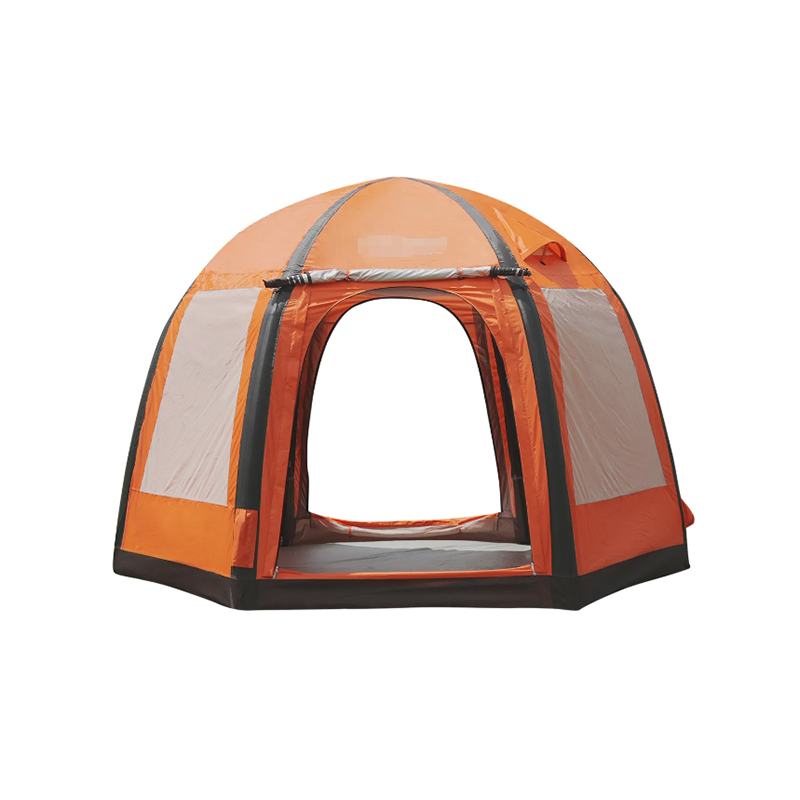
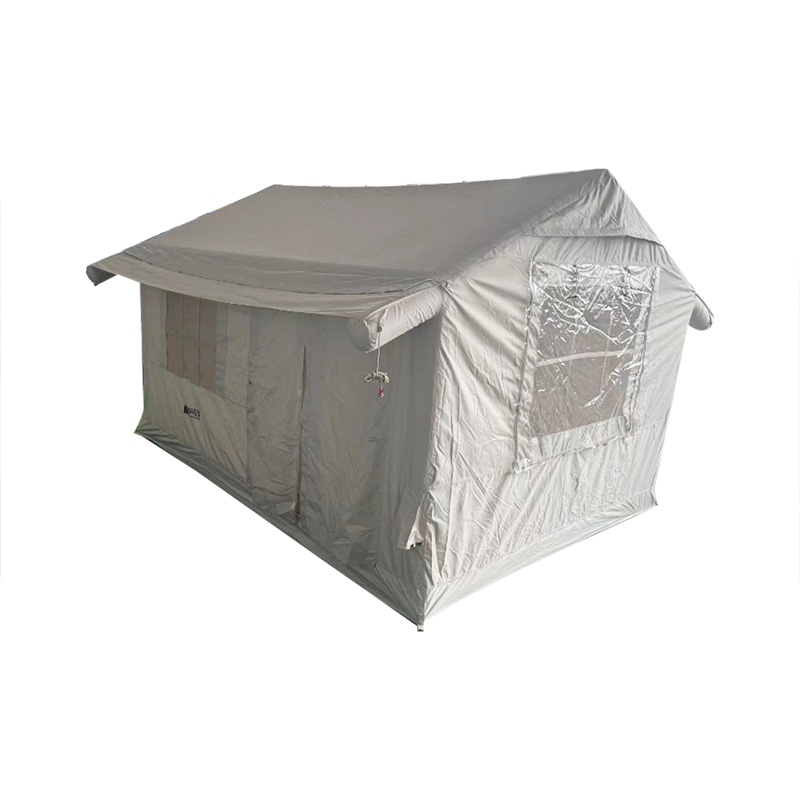
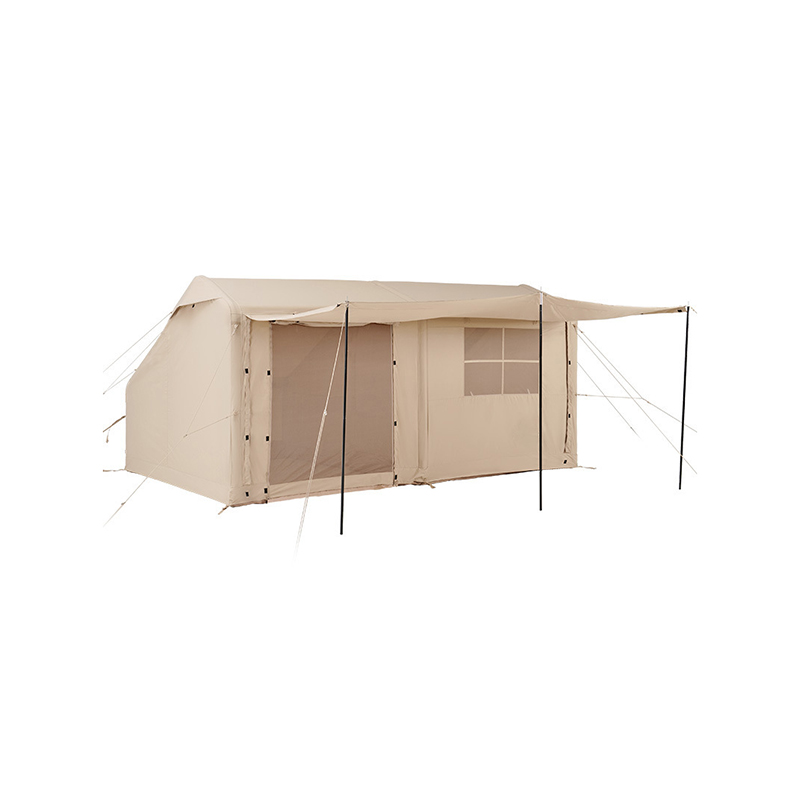
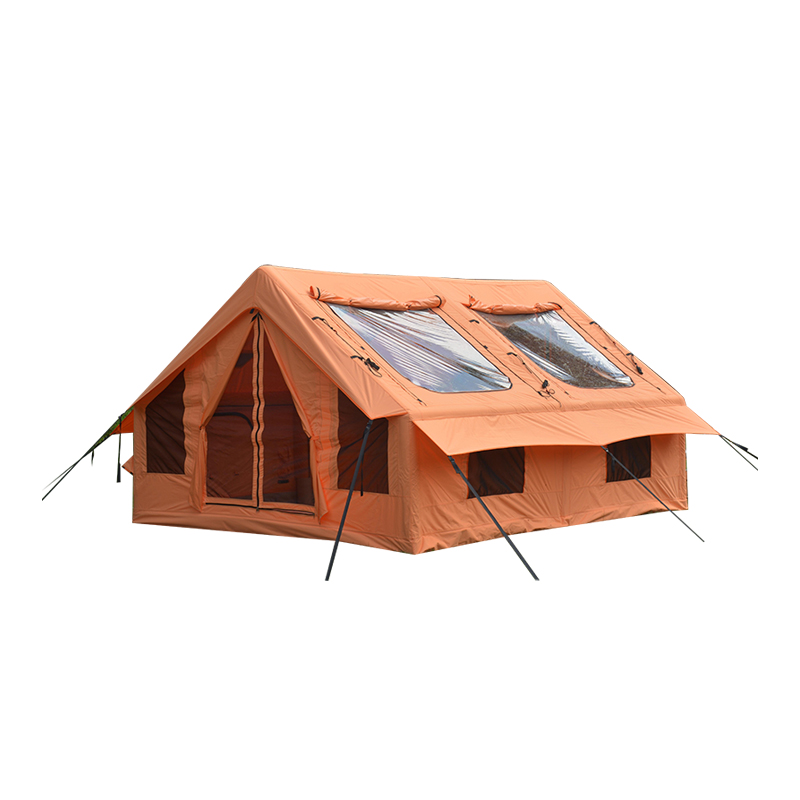
中文简体Hemispherical Inflatable Tent 2 Doors 4 Windows

The continuous inflation system is a core feature of high-quality Spherical Inflatable Tents and is essential for maintaining consistent internal air pressure. This system uses a high-efficiency blower or air pump that continuously supplies air into the tent, compensating for any minor leaks or natural air loss over time. The blower operates at low noise levels to prevent disruption during events while maintaining a stable internal environment. In tents designed for long-duration use, the blower is engineered to run continuously for several hours or days, ensuring the structure remains fully inflated. By keeping the internal air pressure consistent, the tent retains its intended spherical geometry, providing stability and safety for occupants and equipment inside.
The materials used in Spherical Inflatable Tents are critical to preserving shape and internal pressure. Fabrics such as PVC-coated polyester, TPU (thermoplastic polyurethane), or reinforced nylon are selected for their airtight properties, high tensile strength, and resistance to wear, punctures, and UV exposure. Seams are constructed using heat welding, RF (radio-frequency) bonding, or other airtight sealing techniques, minimizing the possibility of leaks at connection points. These high-quality materials and precision seams prevent slow air loss over time, ensuring that the tent remains inflated and structurally sound for extended periods without constant attention. Material durability also protects against environmental stresses, such as wind or minor impacts.
Many advanced Spherical Inflatable Tent designs incorporate multiple internal air chambers or compartments, each inflated separately. This compartmentalization enhances both structural stability and safety. If one chamber experiences a minor leak or puncture, the remaining chambers continue to support the tent, preventing collapse or major deformation. This design ensures that the spherical shape is maintained even under less-than-ideal conditions. The redundancy provided by multiple air chambers allows for extended use in outdoor events, exhibitions, or promotional installations, as the tent remains functional and visually intact despite minor damage.
To protect the structure from over-inflation or excessive internal stress, Spherical Inflatable Tents are equipped with pressure relief valves. These valves automatically release air if internal pressure rises above a predetermined safe threshold, such as during rapid temperature increases or strong solar exposure. Conversely, when air pressure drops slightly, continuous inflation or manual adjustment compensates for the change. These safety mechanisms ensure the tent maintains optimal internal pressure, preventing seam stress, material fatigue, or deformation while maintaining a stable spherical form over extended use.
Environmental conditions, including temperature fluctuations, wind, and humidity, can influence internal air pressure. For instance, heat can cause internal air to expand, while cold temperatures can slightly reduce pressure. Wind gusts may temporarily deform the tent. Spherical Inflatable Tents are engineered with flexible, resilient materials and adaptive inflation mechanisms to accommodate these changes without compromising shape or stability. The combination of material elasticity, pressure regulation, and structural reinforcement allows the tent to remain fully inflated and visually consistent under a wide range of environmental conditions, making it suitable for outdoor events, exhibitions, and temporary shelters.
Even with continuous inflation systems, some level of monitoring is recommended during extended use. Modern tents often feature pressure gauges or digital sensors to allow operators to verify internal air pressure. Minor adjustments can be made by adding air through the blower or addressing small leaks to maintain optimal inflation. Advanced models include automated systems that regulate blower output based on pressure feedback, ensuring the tent remains fully inflated without constant manual intervention. This monitoring ensures that internal pressure and structural integrity are maintained consistently throughout long events.