

 English
 中文简体
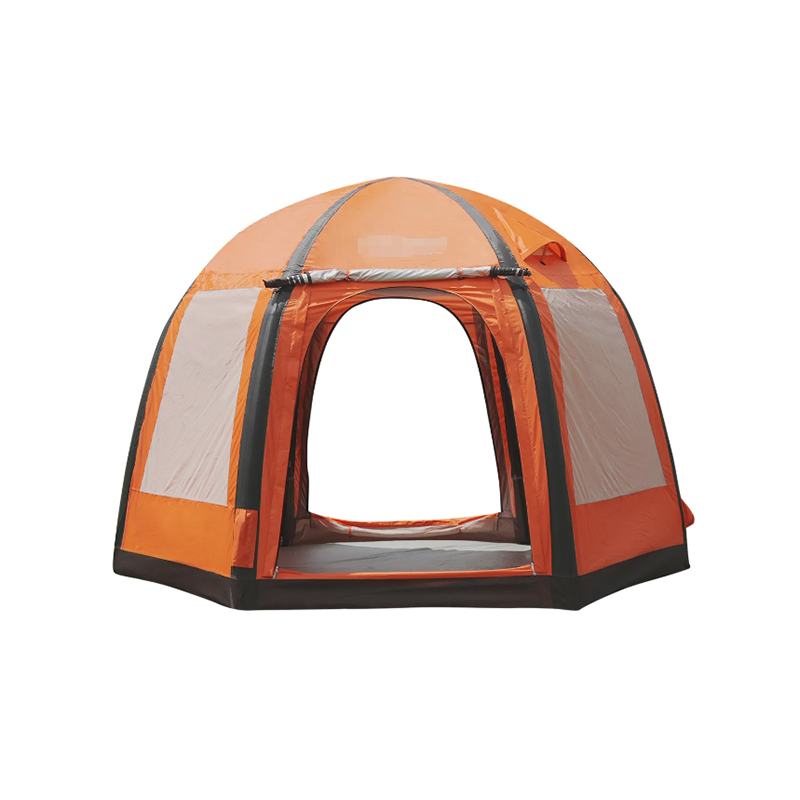
中文简体Hemispherical Inflatable Tent 2 Doors 4 Windows

The Ice Fishing Tent relies heavily on the quality and composition of its fabric to provide protection from snow, ice, and water. High-quality tents are constructed from durable, high-denier polyester, nylon, or ripstop fabrics that are coated with waterproof layers such as polyurethane (PU) or silicone. These coatings prevent water from penetrating the material, ensuring that even heavy snow or ice melt does not seep inside. The tightly woven fibers combined with protective coatings create a surface that repels moisture, allowing snow and ice to slide off rather than saturate the fabric. Additionally, premium tents employ taped or welded seams, which eliminate the potential weak points where water could otherwise penetrate, providing full protection against harsh winter conditions.
The structural design of Ice Fishing Tent is a crucial factor in preventing snow and water infiltration. Tents are supported by frames made of fiberglass, aluminum, or composite poles that are both strong and flexible, designed to withstand wind pressure and the weight of snow accumulation. Roofs are often sloped or domed, allowing snow and ice to slide off naturally, reducing the risk of leaks or structural strain. Stability is further enhanced by anchoring systems such as ice screws, stakes, or weighted corners that secure the tent to the ice. This combination of strong frame design, sloped roofing, and reliable anchoring ensures that the tent maintains its integrity under high winds or snowstorms, keeping the interior dry and secure.
The floor of an Ice Fishing Tent plays a critical role in preventing water infiltration from melting ice. Most models feature a heavy-duty, waterproof base with sealed seams, providing a barrier between anglers and the icy surface. Many designs include extended side flaps or skirts that tuck under or over ice anchors, preventing wind-driven snow or surface water from entering. This floor system ensures that the interior remains dry and comfortable, even during prolonged fishing sessions. Some tents also integrate reinforced insulation in the flooring, which enhances both thermal retention and moisture resistance, providing dry, stable platform for equipment and users alike.
Entry points, such as doors and windows, are often the most vulnerable areas for water infiltration. Ice Fishing Tents address this with storm flaps, reinforced zippers, and overlapping closures that shield the interior from snow and ice. Protective flaps cover zipper tracks to prevent moisture from seeping through, while some models feature double-door systems or vestibules that act as a buffer zone, ensuring that snow or ice does not enter when opening the tent. These measures ensure that the interior remains insulated and dry even in heavy snowfall or icy winds, contributing significantly to overall comfort and usability.
While primarily designed to keep out water, the tent’s insulating properties also indirectly prevent moisture accumulation inside. Many Ice Fishing Tents use multi-layered construction or thermal reflective coatings to reduce heat loss, which minimizes condensation caused by temperature differences between the inside and outside. Condensation can otherwise lead to wet surfaces that compromise both comfort and safety. By managing internal moisture levels, these insulation features ensure that the tent interior remains dry, warm, and comfortable, further enhancing protection against winter elements.