

 English
 中文简体
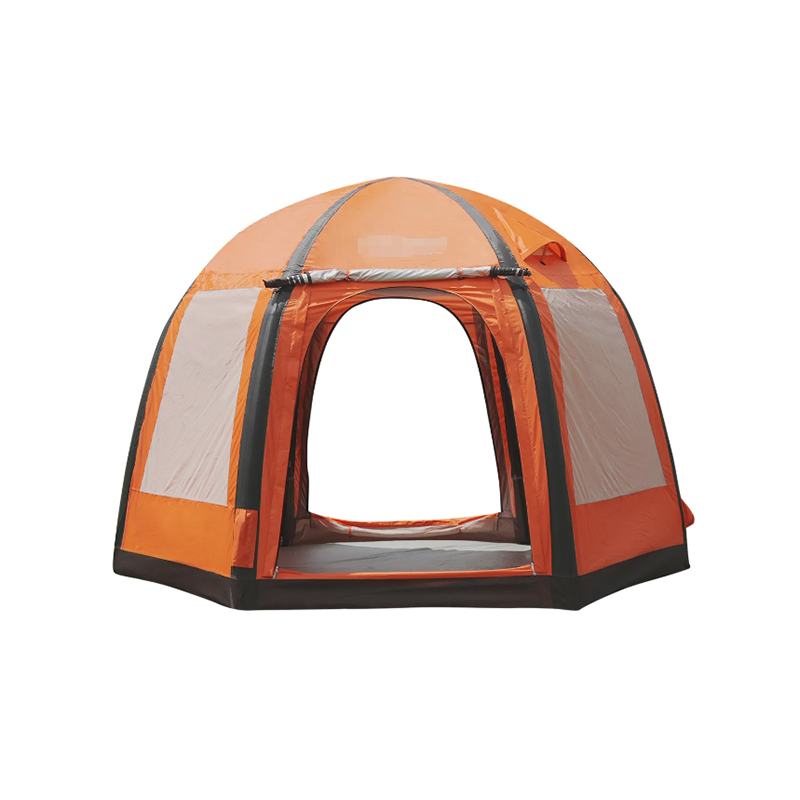
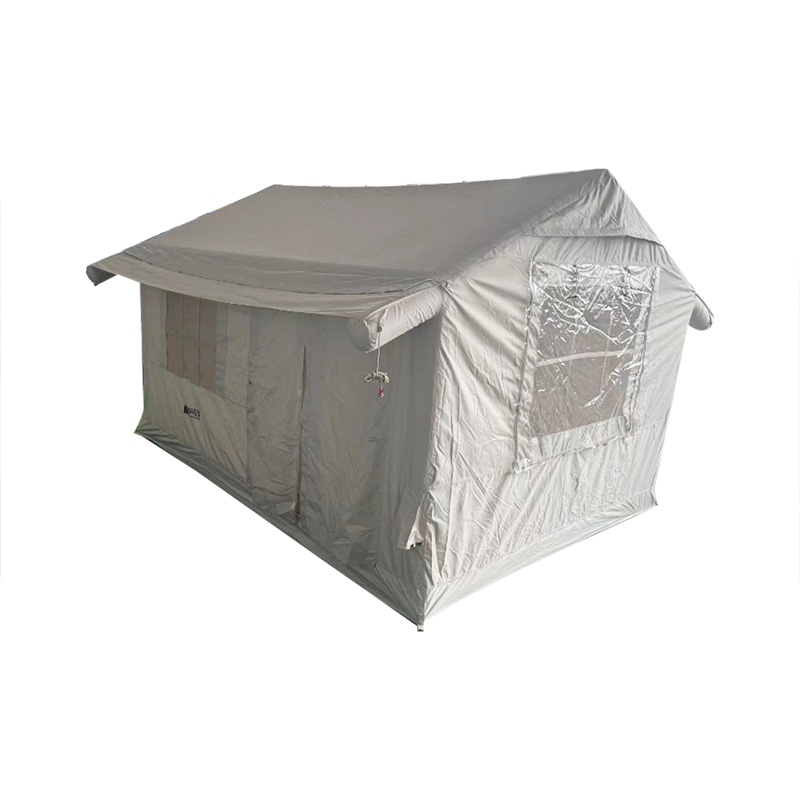
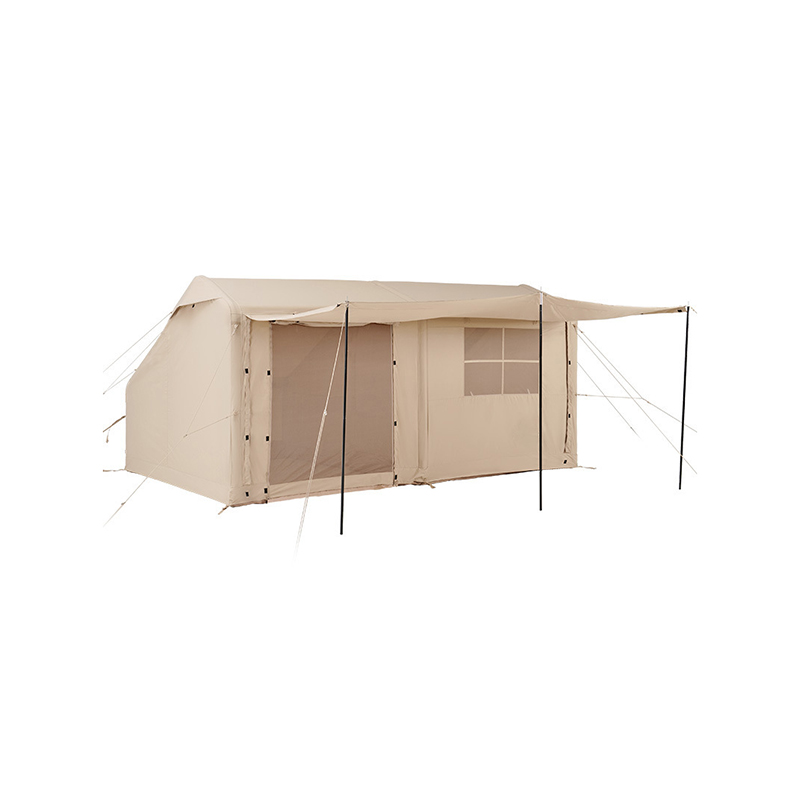
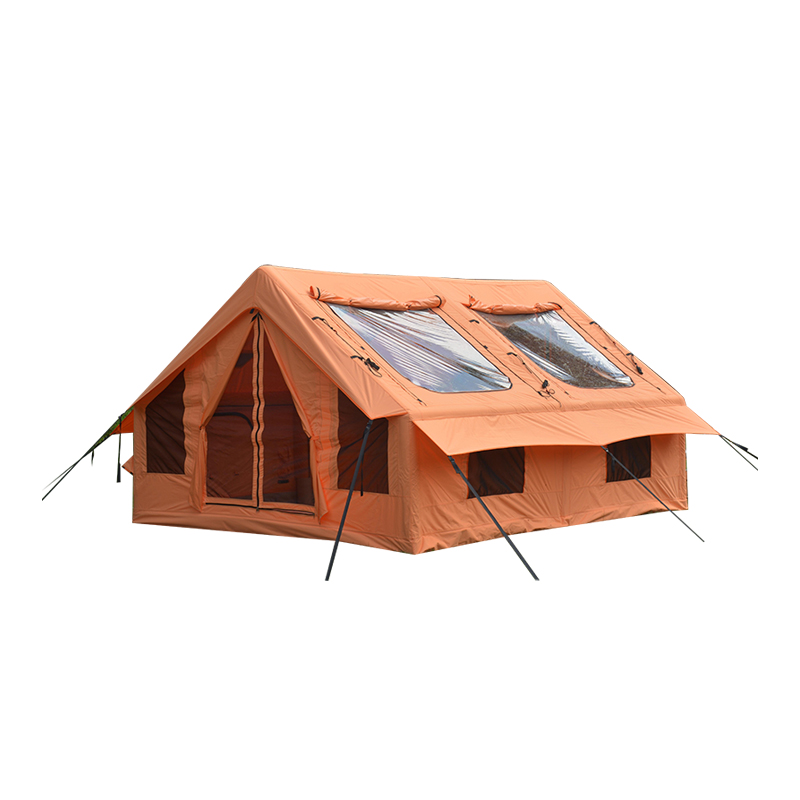
中文简体Hemispherical Inflatable Tent 2 Doors 4 Windows

Field Notes / Shelter Design
Which shelter actually gives you room to stand, move, and live — not just sleep.
If you only need one takeaway, here it is: a cabin camping tent almost always provides more usable headroom than a dome camping tent of the same footprint. Cabin tents use near-vertical walls and a boxier frame, typically delivering peak heights of 72 to 78 inches while keeping that height consistent across most of the floor. Dome tents, by contrast, rely on curved poles that cross at the top — a peak that may reach 60 to 65 inches at the very center, then falls away quickly toward the walls.
This difference matters most in daily use — getting dressed while standing, moving around a camping tent 4 person layout with cots or furniture, or simply not brushing your head against the fabric every time you shift position. What follows explains why this gap exists structurally, when a dome tent's lower profile is actually the smarter call, and where a compact 1 man pop up tent fits into the headroom conversation for solo campers.
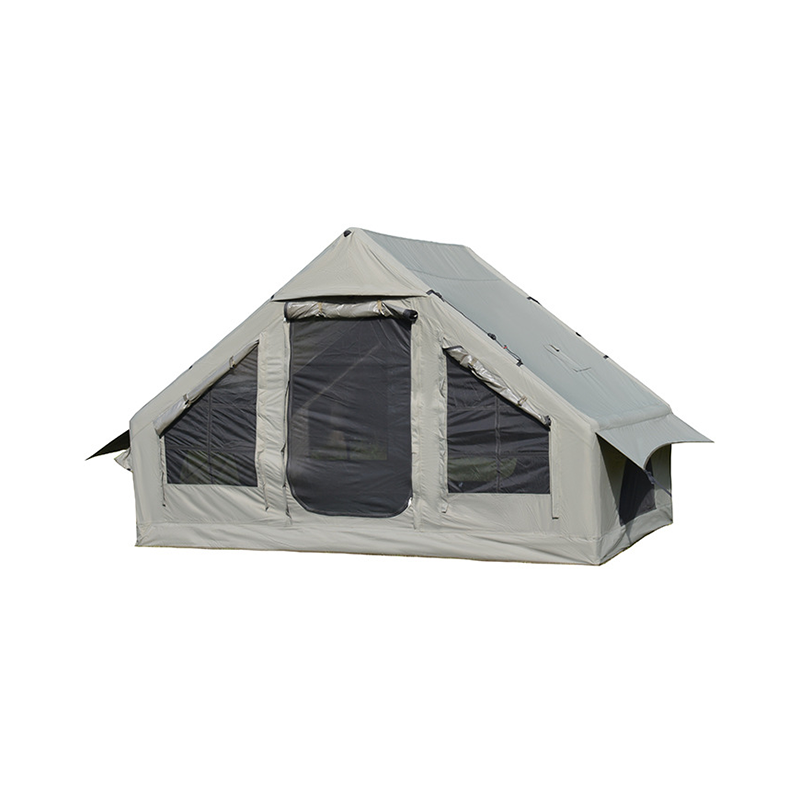
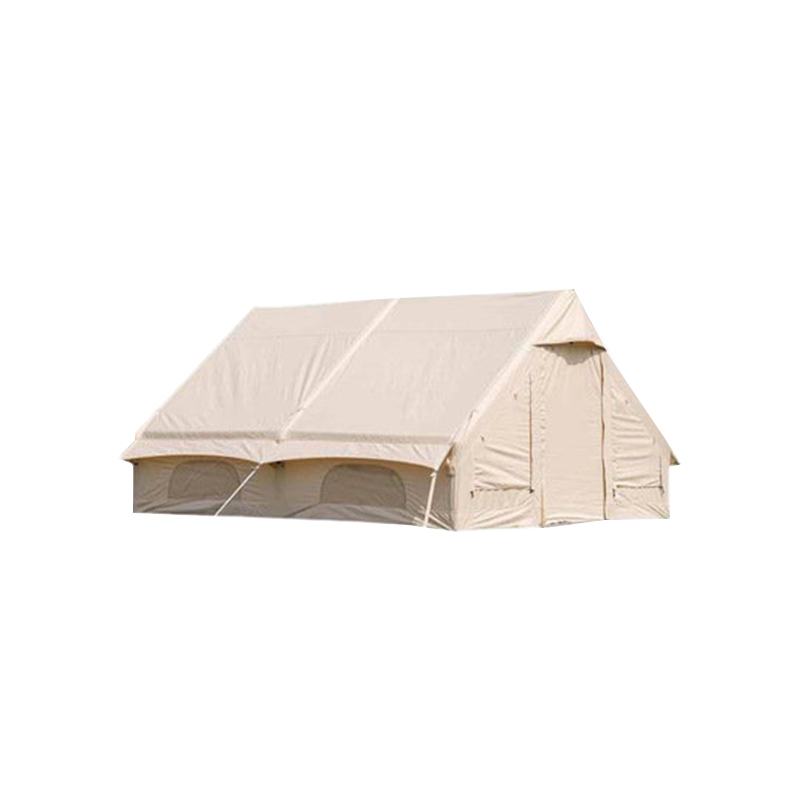
The headroom gap between these two tent styles comes down to structural geometry, not overall size. A cabin tent's poles run mostly straight up before angling into the roofline — the source of its "near-vertical wall" description. This pushes the tallest, widest part of the interior outward, so space near the walls stays tall enough to stand in, not just the center.
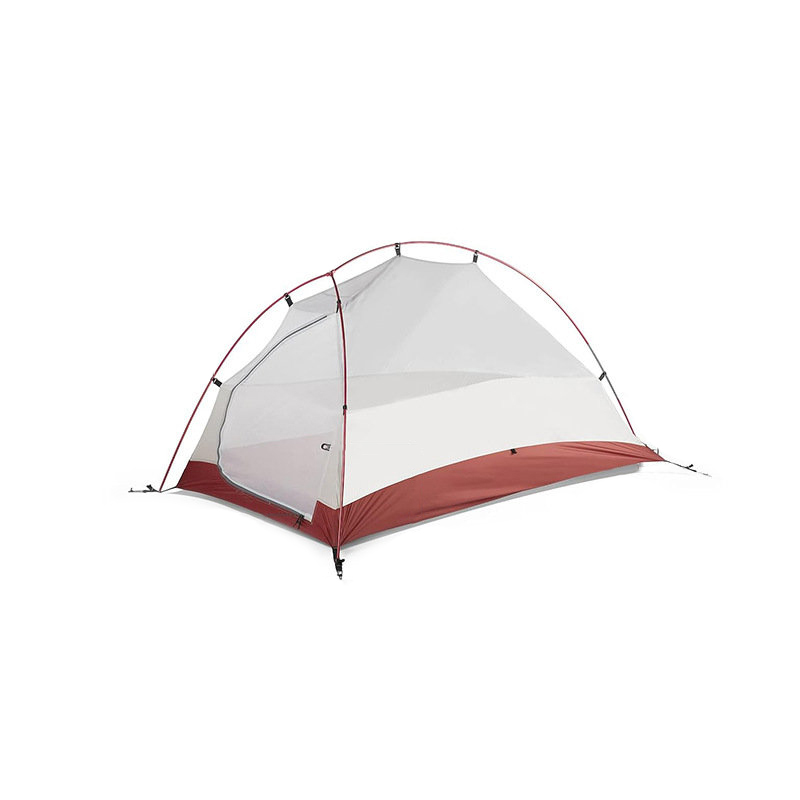
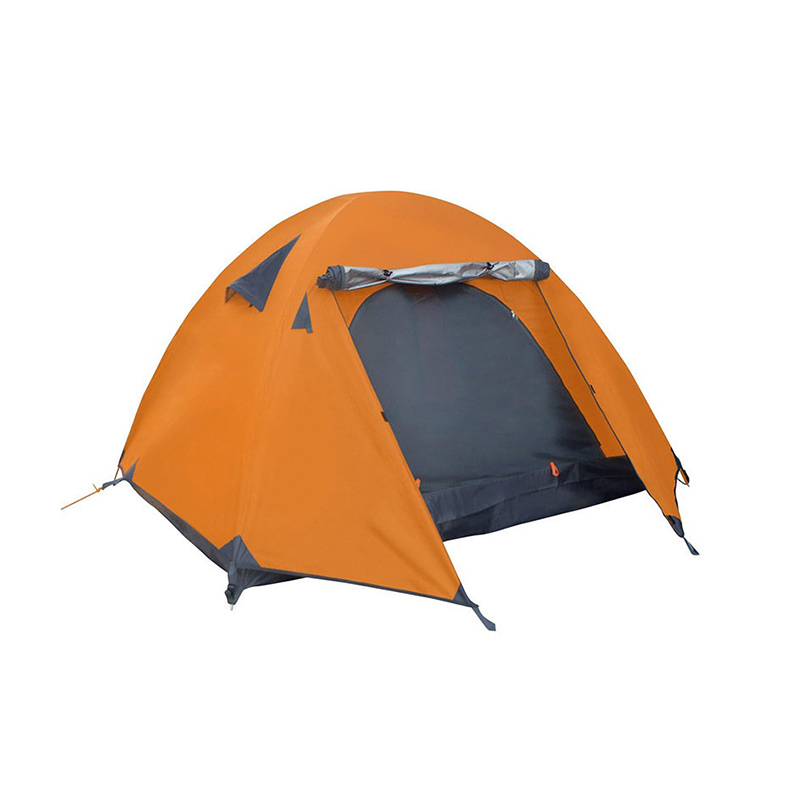
Dome tents use two or more flexible poles arcing from side to side, crossing near the apex. This curve sheds wind exceptionally well and distributes structural stress evenly — which is why domes remain a top choice for backpacking and exposed sites. But the same curve that grants wind resistance also slopes the ceiling downward almost immediately from center, cutting usable headroom by roughly 15 to 25 percent compared with a cabin tent of similar floor area.
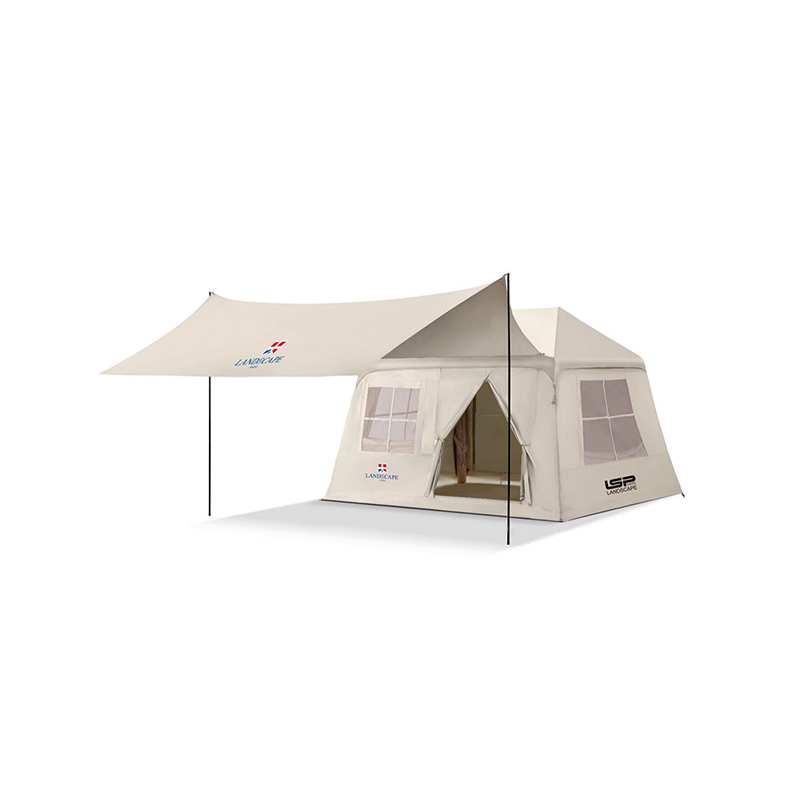
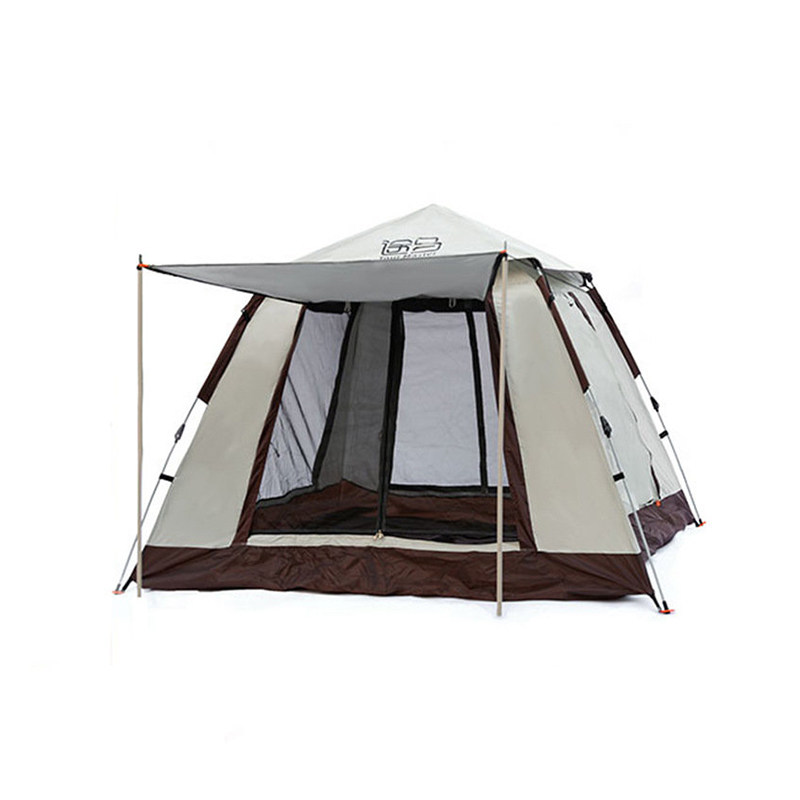
Cabin tents are typically built for car camping and base-camp setups, where wind resistance matters less than comfort. Because the walls stay vertical for most of their height, a camping tent 4 person cabin-style model can feel noticeably roomier than a dome tent rated for the same occupancy — even with nearly identical floor dimensions on paper.
"Peak height tells you the tallest point in the tent. It tells you almost nothing about how much of that tent you can actually stand in."
Many buyers compare tents using the single "peak height" figure on a spec sheet — but this number only describes the tallest point inside, not how much floor space actually allows standing. It's one of the most common mistakes in online tent shopping.
When comparing spec sheets, look for a "vertical wall height" figure if the manufacturer provides one — it predicts real comfort far better than peak height alone.
The table below summarizes the practical differences across the factors that most affect headroom and everyday livability.
| Factor | Cabin Tent | Dome Tent |
|---|---|---|
| Typical peak height | 72–78 inches | 58–65 inches |
| Usable standing area | High (70–80% of floor) | Low (20–35% of floor) |
| Wind resistance | Moderate | High |
| Setup time | 10–20 minutes | 5–10 minutes |
| Packed weight | Heavier | Lighter |
| Best use case | Car camping, families | Backpacking, exposed sites |
Do not judge headroom by peak height alone when comparing listings — two tents with the same number on paper can feel entirely different once pitched.
For families or groups sharing one shelter, headroom directly affects how functional the space feels once cots, chairs, and gear are inside. A camping tent 4 person cabin model typically allows an adult to stand and walk from one side to the other without stooping — far easier than in a dome tent of the same rated capacity for tasks like changing clothes or organizing gear.
Many cabin tents include optional room dividers — a feature that only makes structural sense because the walls stay tall and vertical across the whole floor plan. A dome tent's sloped ceiling near the walls would make a divided sleeping area feel cramped, with usable headroom in those side sections often falling under 40 inches.
car camping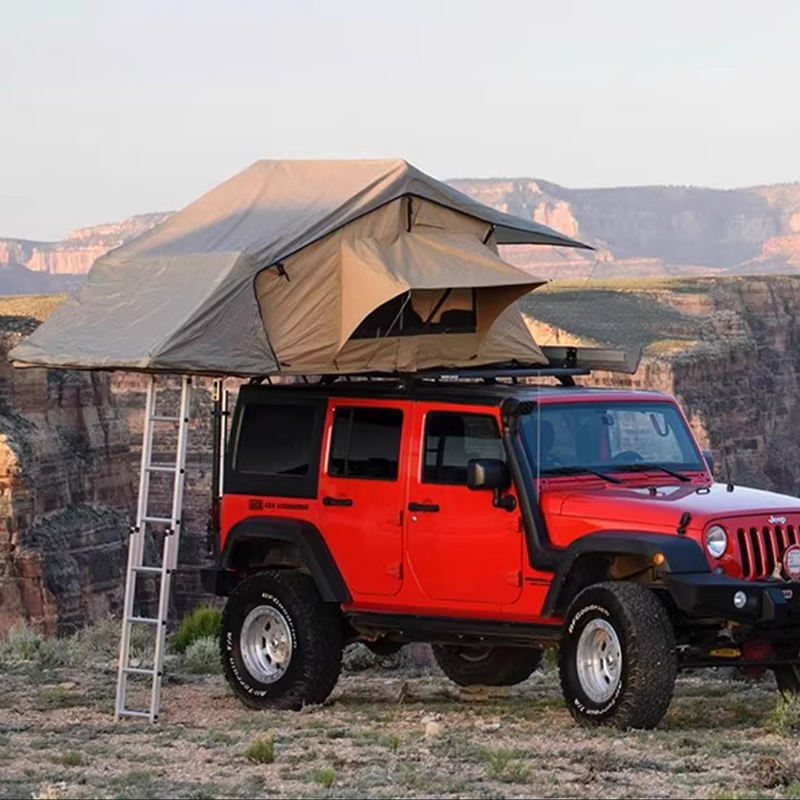
Because cabin tents maintain height near the walls, they accommodate cots, small tables, and storage bins pushed against the sides without those items being crushed under a sloping ceiling — a major reason cabin tents remain preferred for extended car-camping trips where comfort outweighs pack weight.
Choosing a cabin tent with near-vertical walls is the most reliable way to guarantee standing room across the entire family sleeping area, not just the center.
Headroom isn't the only factor that matters. For solo travelers or minimalist backpackers, a dome-based or pop-up structure often makes more practical sense despite the lower ceiling. A 1 man pop up tent, for instance, is built around speed and portability rather than standing space, typically offering only 35 to 45 inches of peak height — enough to sit up and change clothes lying down, but not to stand.
The trade-off is intentional: a 1 man pop up tent can be set up in under 60 seconds by unfolding and releasing spring-loaded poles, then packs down small enough to strap to a backpack. For hikers, festival campers, or anyone prioritizing minimal setup time over interior comfort, this lack of headroom is a fair compromise rather than a design flaw.
Do not pitch a dome tent expecting cabin-level standing room for a group — undersized headroom in a crowded shelter becomes a real comfort and safety issue during multi-day wet weather stays.
Choosing between a cabin tent and a dome tent should come down to how you weigh headroom against portability, wind resistance, and setup speed.
Regardless of which style you choose, a few setup habits can meaningfully improve the usable headroom you get in practice.
In summary, cabin tents consistently outperform dome tents in usable headroom, thanks to their vertical wall design — making them the better choice for families and anyone prioritizing comfort. Dome tents and compact pop-up shelters trade that headroom for wind resistance, lighter weight, and faster setup, making them the right call for backpacking or solo trips where portability outweighs standing space.